

Well, Well, Well!


CWS - TOOLS OF HOPE & BLANKET PROGRAM
28606 Phillips Street, P.O. Box 968
Elkhart, IN 46515
1-800-297-1516
�1-888-CWS-CROP (888-297-2767)
|
|
|
|
|
|
|
|
|
|
|
|
|
|
|
|
|
|
|
|
|
|
|
|
|
|
|
|
|
|
|
|
|
|
|
|
|
|
|
|
|
|
|
|
|
|
|
|
|
|
|
|
|
|
|
|
|
|
|
| WEEK FOUR | ||||||||||||||||||||||||||||||||||||||||||||||||||||||||||
|
||||||||||||||||||||||||||||||||||||||||||||||||||||||||||
| CWS TOOLS OF HOPE & BLANKET PROGRAM Well, Well, Well! |
||||||||||||||||||||||||||||||||||||||||||||||||||||||||||
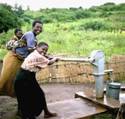
| Each day in the village of Maziyaya, in Malawi, Zcharia and her children used to have to trek downhill to the river and then back uphill three times / miles each day, just to get water. And the water wasn't clean. | ||||||||||||||||||||||||||||||||||||||||||||||||||||||||||
|
||||||||||||||||||||||||||||||||||||||||||||||||||||||||||
| Today, Zcharia and her neighbors have safe, clean water right outside their doors. Their village is one of hundreds in Malawi where Church World Service has helped to drill bore hole wells - deep wells that reach down to the aquifer where the water is clean. | ||||||||||||||||||||||||||||||||||||||||||||||||||||||||||
| In Maziyaya, the women will always remember November 4, 1997. That day, after drilling down 33 meters (108 feet), they found a cool, clean underground stream. Zcharia heads up a group of ten people chosen to be responsible for maintaining the pump and managing the well. | ||||||||||||||||||||||||||||||||||||||||||||||||||||||||||
| Women are always a majority on these committees - "an appropriate imbalance,"; according to Ms. Chisono Gunda, of the Christian Service Committee, Church World Service's partner in Malawi. "You see," explains Chisono, "because women are most affected by the hardship of distant water sources, they're most likely to get behind the project at the outset." | ||||||||||||||||||||||||||||||||||||||||||||||||||||||||||
| Each bore hole and pump costs about $6,000. Shallow wells would be less expensive, but the water is often impure - and unreliable, especially in times of drought. | ||||||||||||||||||||||||||||||||||||||||||||||||||||||||||
| Each year, 50,000 more Malawians gain access to clean water thanks to the well-digging and well-rehabilitation activities of the Christian Service Committee, supported in part by Church World Service. | ||||||||||||||||||||||||||||||||||||||||||||||||||||||||||
|
||||||||||||||||||||||||||||||||||||||||||||||||||||||||||
| Thought for the Day | ||||||||||||||||||||||||||||||||||||||||||||||||||||||||||
| Sunday: Households with dishwashers, washing machines and sprinklers use 265 gallons per head per day. Households with piped supply and taps use 25-95 gallons per head per day. Households using a public hydrant in the street use between 5 and 20 gallons per head per day. Households depending on a stream or hand pump several miles distant use between one and one and one half gallons per head per day. | ||||||||||||||||||||||||||||||||||||||||||||||||||||||||||
| Monday: The average resident of the U.S. consumes 70 times as much water as the average resident of Ghana. | ||||||||||||||||||||||||||||||||||||||||||||||||||||||||||
| Tuesday: Africans now consume 20 percent less water than they did in 1980. | ||||||||||||||||||||||||||||||||||||||||||||||||||||||||||
| Wednesday: Industrial nations, with 15 percent of the world's population, account for 76 percent of global consumption of water. | ||||||||||||||||||||||||||||||||||||||||||||||||||||||||||
| Thursday: 9 out of 10 of Malawian's 11 million people live in rural areas, where most women and children get up at 4 a.m. and walk about two miles to get water for their families. 60 percent of the people in rural Malawi lack access to safe drinking water. | ||||||||||||||||||||||||||||||||||||||||||||||||||||||||||
| Friday: 800 million people lack access to basic health care, and 1.2 billion people lack access to safe drinking water (UNICEF) | ||||||||||||||||||||||||||||||||||||||||||||||||||||||||||
| Saturday: Partially as a result of drinking unsafe water, it is estimated that 3.1 million people die each year from diarrhea and most of the victims are children | ||||||||||||||||||||||||||||||||||||||||||||||||||||||||||
|
||||||||||||||||||||||||||||||||||||||||||||||||||||||||||
| Getting Involved | ||||||||||||||||||||||||||||||||||||||||||||||||||||||||||
|
||||||||||||||||||||||||||||||||||||||||||||||||||||||||||
| Add your own colors to Church World Service's Rainbow of caring. | ||||||||||||||||||||||||||||||||||||||||||||||||||||||||||
| TOOLS OF HOPE & BLANKET PROGRAM is a great way for your congregation or group to become a partner in the development work of Church World Service. By providing the right tools at the right time, CWS makes a world of difference in the lives of people in need. | ||||||||||||||||||||||||||||||||||||||||||||||||||||||||||
|
||||||||||||||||||||||||||||||||||||||||||||||||||||||||||
| A well and a pump for a village is one example. Blankets, tents, bedding, and other emergency supplies in the wake of natural disasters and human calamities are also very real tools of hope. So too are hoes and trowels, education and training, fishing nets and fingerlings to stock | ||||||||||||||||||||||||||||||||||||||||||||||||||||||||||
| a pond, and a small-enterprise loan - large or small. If it empowers people and brings a better tomorrow, it's a tool of hope! | ||||||||||||||||||||||||||||||||||||||||||||||||||||||||||
| The "Build a Better World" Children's Curriculum is an exciting opportunity for children (and congregations) to become involved in mission. Stories, puzzles, games, and more make this an adventure to remember. | ||||||||||||||||||||||||||||||||||||||||||||||||||||||||||
| Also ask for a free Resource Kit, including a video, alternative gift catalog, and all the materials and ideas you'll need for a compelling, informative TOOLS OF HOPE & BLANKET celebration with your congregation or group. | ||||||||||||||||||||||||||||||||||||||||||||||||||||||||||
|
||||||||||||||||||||||||||||||||||||||||||||||||||||||||||
| To get involved or to receive any of these resources | ||||||||||||||||||||||||||||||||||||||||||||||||||||||||||
| log onto Church World Service's website at: | ||||||||||||||||||||||||||||||||||||||||||||||||||||||||||
| www.churchworldservice.org | ||||||||||||||||||||||||||||||||||||||||||||||||||||||||||
| or contact Church World Service at: | ||||||||||||||||||||||||||||||||||||||||||||||||||||||||||
CWS - TOOLS OF HOPE & BLANKET PROGRAM 28606 Phillips Street, P.O. Box 968 Elkhart, IN 46515 1-800-297-1516 �1-888-CWS-CROP (888-297-2767) |
||||||||||||||||||||||||||||||||||||||||||||||||||||||||||
| For a good article on Third World water issues log onto: | ||||||||||||||||||||||||||||||||||||||||||||||||||||||||||
| Look for: Hunger News and Hope, Vol.4 No. 1 | ||||||||||||||||||||||||||||||||||||||||||||||||||||||||||
| www.seedspublishers.org/hnh/home.html | ||||||||||||||||||||||||||||||||||||||||||||||||||||||||||
|
||||||||||||||||||||||||||||||||||||||||||||||||||||||||||
| To go to the Cents-Ability Campaign Week 5 click here | ||||||||||||||||||||||||||||||||||||||||||||||||||||||||||
| To return to the Donegal Presbytery Hunger Program homepage click here | ||||||||||||||||||||||||||||||||||||||||||||||||||||||||||