 |
|
|
|
|
|
|
|
|
|
|
|
|
|
|
|
|
|
|
 |
|
|
When the Bohol Provincial Government, concerned agencies of the national government and environmental non-government organizations (NGOs) concertedly pressed to ban the hunting of dolphins and whales, otherwise known as cetaceans, in 1998, hundreds of fisherfolks from Pamilacan Island, Baclayon, Bohol, Philippines were deprived of a lucrative means of generating income. But that did not spell the end of the world for the affected fisherfolks. Instead of protesting the ban, although some fisherfolks are clandestinely engaged in the hunting business, a number of the affected residents organized themselves into the Pamilacan Island Dolphin and Whale Watching Organization (PIDWWO) with the help of NGOs. |
|
|
|
|
|
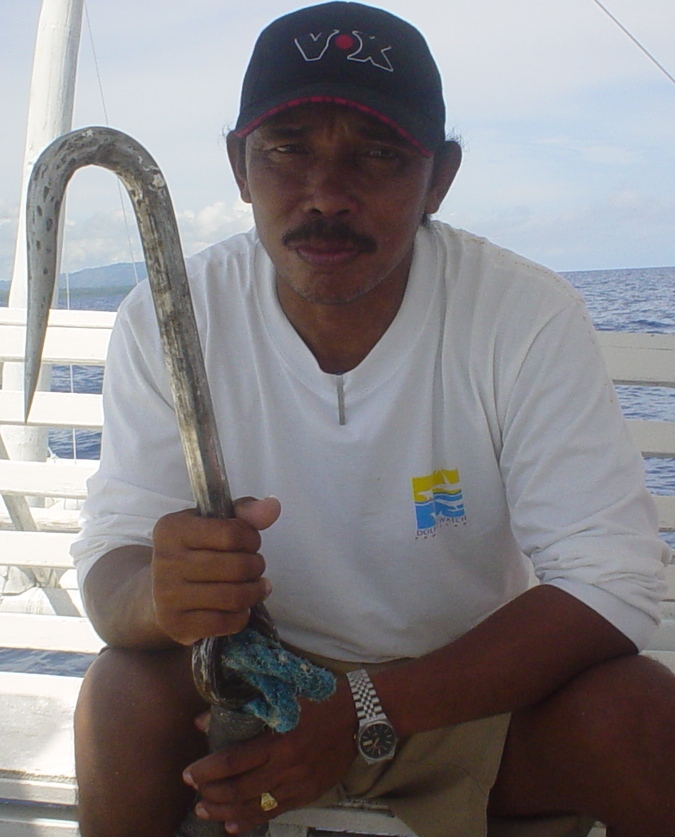
In right foto is Leo Sumalpang, an ex-hunter, holding a pilak, which was once used as an intrument for hunting whales, dolphins and mantarays but is now used as anchor for the tour boats.(Foto by Alan S. Cajes) |
|
|
|
|
|
 |
|
|
|
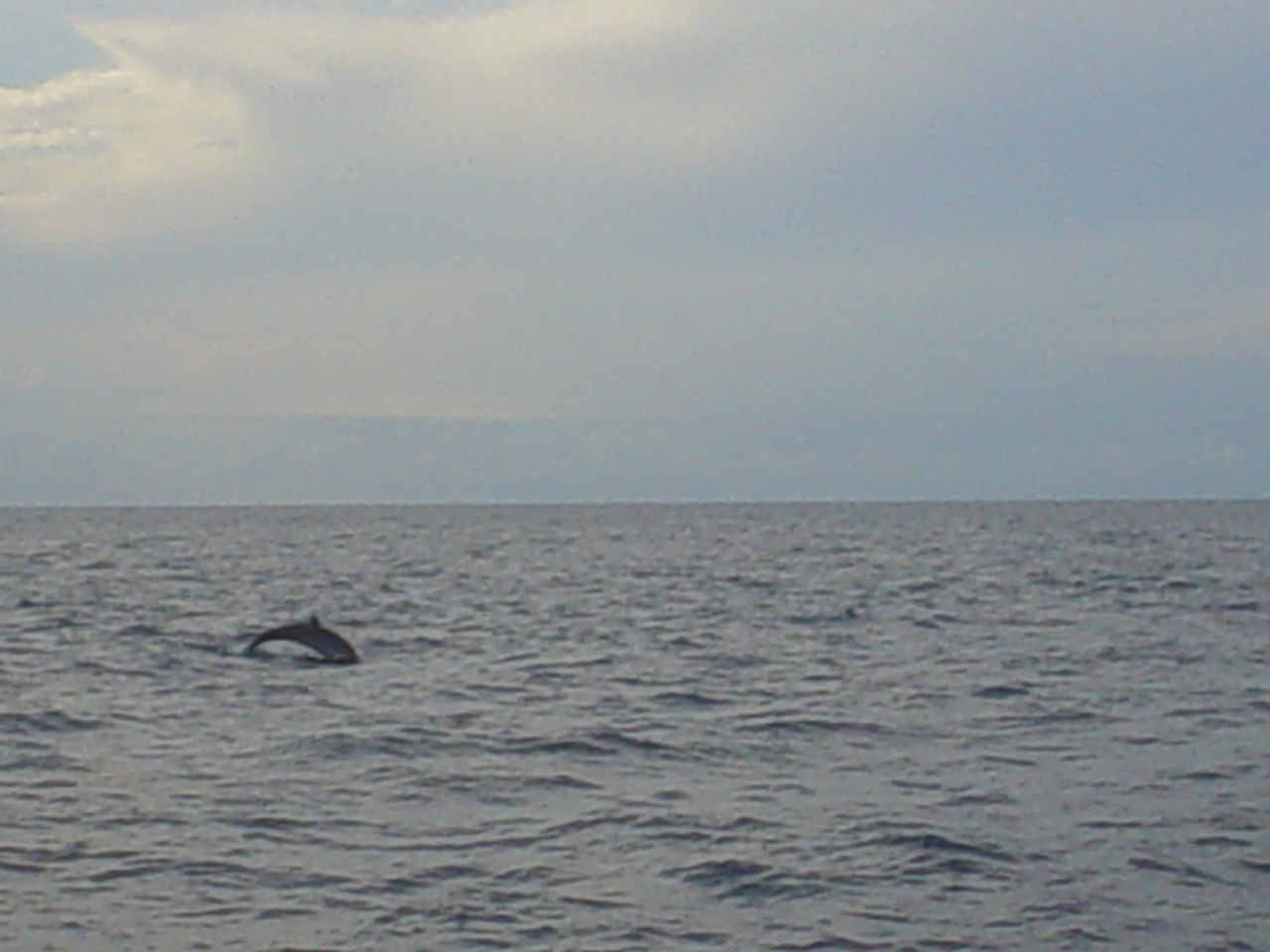
Risso's dolphins in Bohol Sea just a few minutes away from Pamilacan Island. Bohol Sea has various species of fish and shrimps that serve as food for the cetaceans. (Foto by Alan S. Cajes) |
|
|
|
At present, PIDWWO has 144 members, who are fisherfolks of Pamilacan Island and were once engaged in whale and dolphin hunting. Last year, the organization made over 200 boat trips and had a net income of about PhP 120,000. For this year, 2005, it posted a net income of PhP 60,000 from January to May. Fifty percent of PIDWWO's net income is spent for community development projects in the island. The other fifty percent is allocated for activities or projects that will ensure the sustainability of the group's ecotourism enterprise. But the organization faces stiff competition from one of its former community organizers, who is engaged in travel and tours bringing visitors not just to Pamilacan Island but to other destinations in the province of Bohol. |
|
|
|
Pamilacan is an island-barangay with a population of 1,600. It has a land area of 144 hectares. It got its name from the word pilac, which means hook, an instrument used to hunt whales and dolphins. According to The Field Museum, the cetacean species sighted near the island or in Bohol Sea include the bryde's whale, pygmy killer whale, short-finned pilot whale, risso's dolphin, fraser's dolphin, melon-headed whale, pantropical spotted dophin, spinner dolphin, bottlenose dolphin, pygme sperm whale, dwarf sperm whale, sperm whale, blainville's beaked whale or dense beaked whale. The presence of cetaceans is an indicator that an area has rich diversity of fish, caridea or shrimps, squid and other forms of marine life, which in turn, reflect the good to excellent quality of corals and coral reefs. Among the fish species that are typically sold in Bohol markets are saging-saging, indangan, borot-borot, tamarong, tulingan, anduhaw, tabango, mol-mol, langis, katambak, sunhan, kitong, timbongan, danggit and bacay. |
|
|
|
 |
|
|
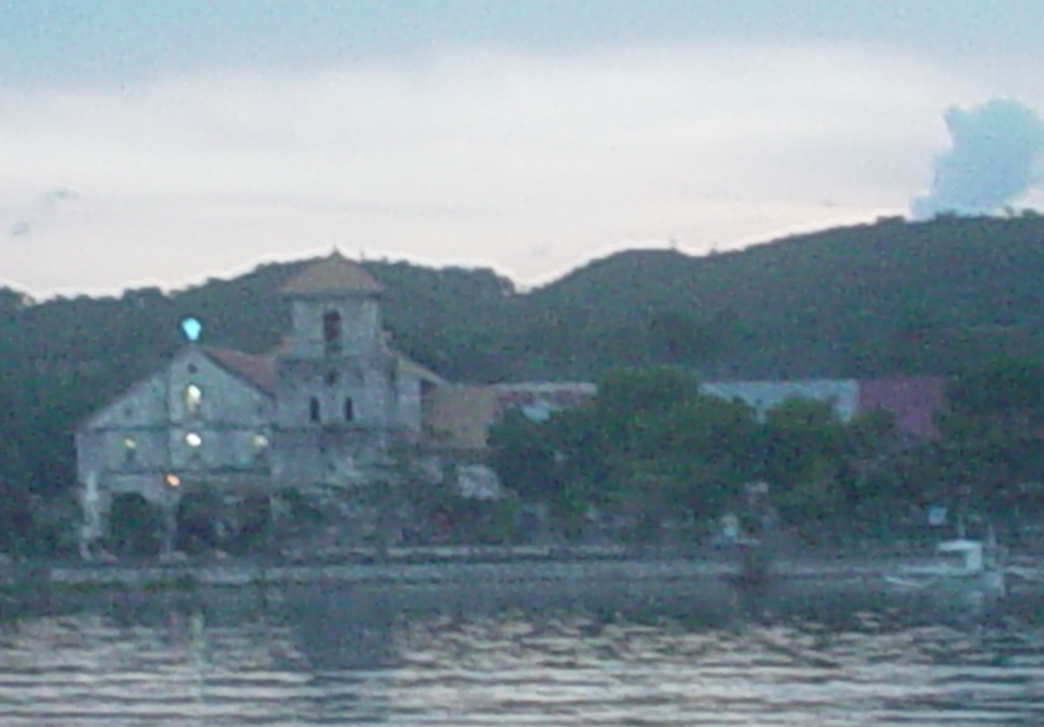
Right foto shows the impressive Baclayon Church, one of the oldest stone churches in the Philippines built by the Recollect Fathers around 1770s. (Foto by Alan S. Cajes) |
|
|
|
|