 Return to Pharmacology
Pharmacology Study Guide 2
Autocoid, Renal, GI, CV, CNS
Download a copy of this study guide
 Return to top
Autocoids
HISTAMINE:
- HISTAMINE RELEASE:
- Mast Cells and Basophils
- Hypothalamus
- GI mucosa
- HISTAMINE EFFECTS:
- H1 RECEPTORS: Phosphoinositol pathway (constrictive) or cGMP (vasodilate)
- Allergic: increased vascular permeability and vasodilation
- CV: Decreased blood pressure and reflex tachycardia
- Local anesthetic effects
- Smooth Muscle: bronchoconstriction, stimulation of GI muscle. No stimulation of uterine muscle.
- 2-methylhistamine is an endogenous H1 agonist.
- H2 RECEPTORS: cAMP pathway
- Allergic: increased vascular permeability and vasodilation
- GI: Stimulate gastric-acid secretion
- 4-methylhistamine is an endogenous H2 agonist.
- H3 RECEPTORS: Little known about them. Probably located centrally.
- Anti-Cholinergic: Dried secretions, blurry vision, urinary retention, constipation, sedation.
- HISTAMINE METABOLISM:
- Histidine ------> Histamine (Histidine Decarboxylase)
- DOPA Decarboxylase will also create histamine, due to similar structure of substrate.
- Histamine ------> Imidazole Acetic Acid (Diamine Oxidase, or MAO)
- Imidazole Acetic Acid ------> Methyl Imidazole Acetic Acid (Histamine Methyltransferase) (excreted in urine)
- HISTAMINE LIBERATORS: Things that degranulate histamine granules.
- Amines and Diamines
- Morphine
- Tubocurarine (curare)
- Large molecules: certain long-chain polymers and dyes.
- Bacterial endotoxin
- Compounds that cause general tissue damage: Trypsin, venoms, detergents.
- ANTI-HISTAMINES:
- EFFECTS: Antagonize H1 receptors ------> reduce inflammation, redness, swelling. They do not affect H2 receptors.
- Treat motion sickness.
- Local anesthetic properties; pain relief.
- INDICATIONS:
- Allergies: Pollinosis, urticaria
- Motion sickness.
- Of little value in the common cold; anti-cholinergic properties may improve rhinorrhea.
- Sedation, anti-anxiety: centrally acting agents only.
- ADVERSE EFFECTS:
- Sedation: May be considered adverse effect or primary effect.
- Centrally acting drugs (3) cause sedation; peripheral drugs (4) don't.
- GI: Anorexia, nausea, vomiting, constipation, diarrhea, dry mouth and throat.
- TOXICITY: Hallucinations, ataxia, athetosis, convulsions. Can especially in children taking 20-30 tablets.
Symptoms resemble atropine poisoning.
- CV: When injected IV, antihistamines can mimic anti-arrhythmics and cause heart block.
RENIN-ANGIOTENSIN SYSTEM:
- Prorenin: There is more prorenin in the blood than renin.
- Renin: Renin secretion occurs in the kidney Macula Densa cells. It is stimulated by:
- Reduced tubular fluid flow ------> reduced delivery of salt to macula densa (lower tubular Na+) ------> stimulate release
of Renin.
- beta-receptors stimulate release of Renin.
- Most drugs which decrease blood pressure also increase Renin, via reflex sympathetic activation.
- Diuretics also have a direct effect on Renin secretion: lower tubular Na+ in Macula Densa ------>
- higher Renin secretion.
- Angiotensin: Renin converts Angiotensinogen ------> Angiotensin I
- Structure: It is a decapeptide.
- Estrogen increases levels of angiotensinogen in blood (increased liver enzymes) ------> potential hypertension.
- Angiotensin Converting-Enzyme (ACE) (dipeptidyl peptidase): In the lung, it converts Angiotensin I ------> Angiotensin
II
- Angiotensin II:
- Actions:
- Intense vasodilation (G-Protein; phosphoinositol)
- Promote the release of aldosterone in adrenal gland ------> promote Na+ reabsorption in distal tubule ------>
higher blood volume.
- Regulatory negative feedback on the release of Renin.
- CNS: Stimulate thirst in hypothalamus, stimulate sympathetic outflow.
- Structure: It is an octapeptide.
- Angiotensin Receptors:
- AT1 Receptor: The principle receptor, found in vascular smooth muscle and in adrenal cortex (to release
aldosterone). Acts by both IP3 and cAMP pathways.
- AT2 Receptor: Actions largely unknown.
- Angiotensin III: Breakdown product of Angiotensin II
- Structure: Heptapeptide
- Actions: Promotes aldosterone release. Probably no significant vasoconstrictive effects.
SEROTONIN: Effects
- EFFECTS:
- CV: Mixed vasoactive effects. Direct vasoconstriction, plus vasodilation in skeletal muscle. Also causes platelet
aggregation.
- GI: Diarrhea, as is often seen with Carcinoid Tumor.
- RELEASE: Primarily released from enterochromaffin cells of the GI tract.
VASOPRESSIN (ADH):
- STRUCTURE: Nonapeptide, stored in hypothalamus and released through posterior pituitary.
- RECEPTORS:
- V1 Receptor: Vascular receptor, causing vasoconstriction.
- Associated with phosphoinositol / Ca+2 increase.
- V2 Receptor: Tubular receptor. Increased permeability to water in distal tubule ------> increased water reabsorption.
- Associated with cAMP increase.
- Diabetes Insipidus: Congenital lack of secretion of ADH ------> no water retention in kidneys ------> profuse fluid loss.
Vasopressin is used to treat Diabetes Insipidus.
ERGOT ALKALOIDS: Methysergide, LSD, Ergonovine, Ergotamine
- ACTIONS: Prolonged vasospasm, hallucination, uterine smooth muscle contraction.
- ERGOTISM: Prolonged vasospasm caused by ergot alkaloids which, if untreated, may lead to ischemia and gangrene.
- PHARMACOLOGY:
- 5HT1-Receptor agonist and/or antagonist, depending on the drug.
- alpha-agonist.
- Dopamine agonist.
KININS: Kallidin, Bradykinin
- METABOLISM: Ultimate product is bradykinin
- Kallikreins convert Kininogen (alpha2-globulin) ------> Bradykinin or Kallidin, depending on tissue.
- Kallidin ------> Bradykinin
- ACTION: Wide variety of actions:
- Pain, vasodilation. Responsible for the flushing associated with carcinoid tumors.
- Some responses mediated by prostaglandins and/or NO.
EICOSANOIDS:
- CYCLOOXYGENASE PRODUCTS: Inhibited by NSAID's.
- Prostaglandin E1 (PGE1): Wide variety of effects.
- Maintain patent ductus arteriosus before birth.
- Prostaglandin E2 (PGE2):
- CV: Potent vasodilator.
- GI: Cytoprotective effects in gastric mucosa (increased mucous, HCO3-)
- Causes pain and sensitized nerve endings.
- Prostaglandin F2alpha (PGF2alpha): Essential promotor of uterine contractions during labor. Also stimulates GI muscle
and vascular smooth muscle.
- CV: Vasoconstrictor
- Bronchoconstriction
- Prostacyclin (PGI2): Works via cAMP.
- CV:
- It inhibits platelet aggregation and elicits vasodilation.
- Antagonizes the effects of Thromboxane A2.
- It is released by vascular endothelial cells.
- GI: Cytoprotective effects in gastric mucosa (increased mucous, HCO3-)
- Thromboxane A2 (TXA2): Works via IP3 (increase Ca+2).
- It is produced by platelets -- not endothelial cells.
- CV: It promotes vasoconstriction and is essential for platelet aggregation.
- LIPOXYGENASE PRODUCTS:
- Leukotriene B4 (LTB4):
- It causes intense bronchoconstriction. Receptors are antagonized by Zafirlukast and Zileuton.
- Chemotaxis
- Allergic reactions.
- Hydroxyeicosatetaraenoic Acid (HETE's): Implicated in inflammation, chemotaxis.
- ADVERSE EFFECTS: Nausea, vomiting, diarrhea. Fever, bronchoconstriction.
- ASPIRIN (NSAID): It inhibits cyclooxygenase
- LOW DOSE: It is more specific for thromboxane derivatives (TXA2), thus low doses are given for prophylaxis for CAD.
- HIGH DOSE: It is more specific for prostaglandin derivatives, thus high doses are used for anti-inflammatory properties.
High doses are not as effective for CAD prophylaxis.
Return to top
Diuretics
Na+/K+-ATPase: It is always located on the basolateral aspect of the cell, where it maintains the concentration gradient throughout
the kidney.
- 3 Na+ are put back into blood, providing a net gradient for more tubular reabsorption of sodium.
- 2 K+ are put into cell, providing a net gradient for more tubular excretion of potassium.
CARBONIC ANHYDRASE INHIBITORS:
- PHYSIOLOGY: They act on the Proximal Tubule.
- Net reabsorption of NaHCO3 occurs in the proximal tubule. Net H+ is recycled between tubule and lumen as the
reabsorption progresses.
- Na+/H+-Antiport: Reabsorb Na+ and kick out H+ into tubular fluid.
- INSIDE CELL: Carbonic Anhydrase catalyzes the formation of HCO3- + H+ from CO2 and H2O.
- The HCO3- is put back into the blood.
- The H+ is excreted into the urine, in exchange for Na+.
- TUBULAR LUMEN: Carbonic Anhydrase catalyzes formation of H2O + CO2 from HCO3- and H+. The H2O and
CO2 are reabsorbed. H+ is reabsorbed here, in the form of H2O.
- Cl-/Base Exchanger: Poorly defined transporter. Cl- is reabsorbed in exchange for a base.
- The net reabsorption of HCO3- above, makes the urine more acidic. This creates a gradient for Cl- reabsorption
in the proximal tubule.
- Regulation: Angiotensin II, Norepinephrine, Dopamine all increase the Na+/H+ exchanger and the production of
carbonic anhydrase, thus increasing fluid reabsorption.
- MECHANISM: Carbonic Anhydrase Inhibitors cause an alkaline diuresis and a metabolic acidosis.
- Block Carbonic Anhydrase ------> block reabsorption of NaHCO3 ------> more HCO3- goes into urine (alkaline
diuresis) and less HCO3- is reabsorbed into blood (metabolic acidosis).
- STRUCTURE: The drugs have an unsubstituted sulfonamide group, which is required for inhibition of the enzyme.
- TOXICITY: Carbonic Anhydrase toxicity leads to:
- Abnormal taste
- Paresthesias
- GI distress
- Malaise
- Decreased libido
- Liver disease: It may increase blood-levels of NH3 and precipitate hepatic encephalopathy.
- INDICATIONS:
- They induce a weak alkaline diuresis, which improves the urinary excretion of weak acids (via ion trapping). They
are therefore used for:
- Salicylate Poisoning
- Phenobarbitol Poisoning
- Increase urate and cysteine excretion
- Mountain Sickness: They are useful in acute mountain sickness, where they stimulate respiration.
- Anti-Convulsive: Indicated for petit-mal siezures, but only short-term because tolerance develops. They are thought
to increase CO2 in brain ------> increase seizure threshold.
OSMOTIC DIURETICS:
- PHYSIOLOGY: Osmotic diuretics act throughout the tubules, but primarily on the proximal tubule and Descending Loop
of Henle.
- Osmotic diuretics, by definition, are impermeable to tubular reabsorption.
- They prevent excessive water reabsorption by eliminating or attenuating the water-reabsorption gradient.
- MANNITOL:
- INDICATIONS: Prophylaxis of acute renal failure, because:
- It expands extracellular volume, thus it (1) maintains RBF and GFR, and (2) increases tubular fluid flow.
- It reduces renal edema.
- It redistributes blood to the hypoxic corticomedullary junction (inner cortical and outer medullar region)
- It scavenges free radicals.
- ADVERSE EFFECTS:
- Metabolic Effects:
- Expansion of extracellular fluid volume and hemodilution.
- Metabolic acidosis from dilution of HCO3-
- Pulmonary Edema
- Severe hyponatremia
- Headaches, CNS Depression (hypoxia from reduced blood volume)
- GI: Nausea, vomiting
- CV: Contraindicated in CHF because it expands extracellular fluid.
LOOP DIURETICS:
- PHYSIOLOGY: Loop diuretics act on the Thick Ascending Loop of Henle (TALH)
- Na+/K+/2Cl- Carrier: It creates the concentration gradient that drives the counter-current, and that allows for passive
ADH-facilitated reabsorption of water in the distal tubule.
- SUBCLASSES:
- SULFONAMIDES: Furosemide, Bumetanide, Torsemide.
- They act fast and are reversible.
- ERYTHRACRINIC ACID: Acts more slowly and is not fully reversible.
- MECHANISM: They inhibit the Na+/K+/2Cl- transporter, essentially shutting down the counter-current multiplier ------>
profuse natriuresis.
- INDICATIONS:
- Edema, caused by CHF, cirrhosis, or nephrosis.
- Management of hyponatremia or hypercalcemia. Given in combination with saline infusion.
- Increase K- and H+ excretion in patients with distal renal tubular acidosis.
- PHARMACOKINETICS:
- Furosemide is secreted by a probenecid-sensitive transport mechanism into proximal tubule. Thus indomethacin or
NSAID's decrease its effectiveness.
- Bioavailability 50-70%. Extensively binds to plasma albumin.
- ADVERSE EFFECTS:
- Metabolic effects:
- Hyponatremia, hypomagnesemia, metabolic acidosis.
- Hypokalemia: can be counteracted with K+-sparing diuretic, or with supplemental K+.
- Hypochloremic Alkalosis: Increased delivery of Na+ to distal tubules ------> increased RAS and aldosterone
------> increased secretion of K+ and H+ ------> hypokalemic alkalosis.
- Hyperuricemia, hypercholesterolemia
- Ototoxicity, especially in patients with impaired renal function.
- DRUG INTERACTIONS:
- Digoxin: Increases risk of arrhythmias
- Thiazides: may lead to profound diuresis
- Aminoglycosides: Synergism of ototoxicity
- Heparin, Warfarin: Increase activity
- Lithium and Propanolol: Increased plasma levels
THIAZIDE DIURETICS:
- PHYSIOLOGY: Thiazide diuretics act on the Distal Tubule.
- Na+/Cl- Coport: Flow-dependent passive transport of Na+, Cl-.
- Ca+2-ATPase Pump: Active reabsorption of Ca+2 in the distal tubule, which is promoted by Vitamin-D and Parathyroid
Hormone (PTH).
- MECHANISM: They inhibit Na+/Cl- antiport ------> natriuresis.
- ADVERSE EFFECTS: Also see thiazides under Anti-HTN
- Metabolic Effects:
- Marked hyponatremia.
- Hypokalemia and Hypomagnesemia: can be particularly bad in folks with CHF (taking glycosides), cirrhosis,
MI, arrhythmias.
- Slight hypercalcemia
- Hyperuricemia
- INDICATIONS:
- Hypertension
- Kidney stones
- Hypercalcuria
- Diabetes Insipidus
POTASSIUM-SPARING DIURETICS:
- PHYSIOLOGY: K+-Sparing Diuretics act on the Collecting Duct.
- Na+-Channels: Aldosterone-sensitive reabsorption of Na+.
- K+ and H+ are excreted as Na+ is absorbed. Why this occurs is poorly understood. Explanations:
- Na+ makes the luminal surface more electronegative, which promotes secretion of K+ and H+.
- Na+ reabsorption retards the Na+/K+-ATPase on basolateral membrane ------> less K+ is excreted into blood
------> more K+ passively goes into urine.
- The apical membrane is permeable to K+ and H+.
- SUBCLASSES:
- Inhibit N+/K+-ATPase: Amiloride and Triamterene
- This results in a modest natriuresis, and reduction in the secretion of K+ and H+ ------> more K+ remains in blood.
- Results in slightly more alkaline urine.
- Aldosterone Antagonist: Spironolactone
- INDICATIONS: Modest diuresis
- Adjunct therapy with other diuretics
- Primary (Conn's Disease) or secondary (glucocorticoid therapy) hyperaldosteronism.
- ADVERSE EFFECTS:
- Hyperkalemia ------> fatal arrhythmias. Especially at risk for folks with renal failure, or in those receiving K+
supplements.
- Hyperchloremic metabolic acidosis
Return to top
Asthma
ASTHMA:
- PATHOGENESIS: IgE-mediated sensitization of mast cells ------> degranulation of histamine in bronchioles ------>
bronchoconstriction and increased secretions.
- Secreted substances:
- Histamine
- Eosinophil and Neutrophil Chemotactic Factors
- Prostaglandins
- Leukotrienes
- Platelet Activating Factor (PAF)
- Bradykinin Activator
- Central Characteristics:
- Inflammation is cental to the pathogenesis of asthma. Corticosteroids are needed to fight the inflammation.
- Bronchial Hyperreactivity
- Bronchospasm can be treated with bronchodilators, acutely.
- BAD DRUGS:
- beta-blockers: Don't take beta-blockers with asthma, as it precipitates bronchospasms and attacks.
- Curare (tubocurarine), morphine: They promote degranulation of mast cells and thus precipitate attacks.
- TREATMENT:
- MILD ASTHMA:
- Pre-treat with 1-2 puffs of beta-agonist (as needed).
- Cromolyn prophylactically, before exposure to allergen or exercise.
- MODERATE ASTHMA:
- Inhaled bronchodilators, 3-4X daily, as needed.
- Prophylaxis with cromolyn or nedocromil.
- If symptoms persist:
- Use inhaled steroids.
- Consider theophylline or oral beta-agonist
- SEVERE ASTHMA:
- Inhaled beta-agonists, up to 3-4X daily, as needed.
- Inhaled steroids, with or without cromolyn and nedocromil.
- Combination of inhaled steroids + beta-agonists.
- Consider theophylline and/or oral beta-agonists.
BRONCHODILATORS:
- beta-AGONISTS:
- MECHANISM: beta2 adrenoceptors induce higher cAMP ------> bronchiolar relaxation.
- Stimulate ciliary movements ------> increased mucociliary clearance.
- Inhibit the release of mediators from mast cells.
- TOLERANCE: Pharmacologic and physiologic tolerance may occur with prolonged use.
- Chronic use can lead to increased mortality, as down-regulation of receptors can precipitate refractory asthmatic
attacks.
- IV administration of corticosteroids can up-regulate receptors ------> restore responsiveness one hour.
- ADVERSE EFFECTS: Side-effects are minimized by local, inhalational administration.
- Toxicity: Epinephrine toxicity may lead to HTN, CVA's, pulmonary edema, ventricular fibrillation
- Isoproterenol does not show the same toxicity
- CV: Tachycardia, arrhythmias.
- CNS: Dizziness, nervousness.
- Skeletal muscle tremor
- Tachyphylaxis
- XANTHINES: Theophylline (PO), Aminophylline (IV)
- ACTIONS: Main advantage is long duration of action, making it useful in nocturnal asthma. Several secondary proposed
mechanisms.
- Inhibit phosphodiesterase ------> higher cAMP. This is the primary, known mechanism.
- Blocks adenosine receptors.
- Moderate broncho-protective effect (against histamine)
- Modest anti-inflammatory properties
- Alter immune-cell function.
- Reduce respiratory muscle fatigue.
- INDICATIONS:
- Oral theophylline is good for treating nocturnal asthma.
- IV aminophylline is used in acute asthma attacks refractory to bronchodilators.
- PHARMACOKINETICS / DRUG-INTERACTIONS:
- Theophylline is involved in P-450 metabolism. Agents that increase P450 metabolism (phenobarbitol) can increase
theophylline clearance.
- Smoking increases theophylline clearance
- Liver disease, heart failure, renal disease decrease theophylline clearance.
- ADVERSE EFFECTS: It has a narrow therapeutic range, and blood-levels must be monitored.
- Nausea and Vomiting
- Toxicity: Concentration over 40 µg / mL. Can lead to seizures.
- Vomiting (centrally activated) always serves as a premonitory sign of impending toxicity.
- CV: Arrhythmias, hypotension, cardiac arrest.
- ANTICHOLINERGICS: Ipratropium Bromide is useful for Exercise-induced Asthma
- PHARMACOKINETICS: Inhaled. It takes effect after 30 minutes and lasts for 4-5 hours.
ANTI-INFLAMMATORIES:
- CORTICOSTEROIDS:
- ACTIONS:
- Up-regulate synthesis of lipocortins ------> inhibit Phospholipase A2 ------> inhibit all arachidonic acid
derivatives (esp. prostaglandins, leukotrienes)
- Beclomethasone up-regulates the receptor density of beta2-receptors, improving the response to bronchodilators.
- INDICATIONS:
- IV corticosteroids are given for status asthmaticus that is refractory to other treatments.
- Inhaled corticosteroids are used prophylactically, in severe cases of asthma that can't be treated by bronchodilators
alone.
- ADVERSE EFFECTS:
- INHALED:
- Soar throat
- Oral candidiasis
- Allergic rhinitis
- Atopic dermatitis
- SYSTEMIC: Long list.
- Primary insufficiency (Addison's Disease) upon withdrawal
- Skeletal: Osteoporosis, cataracts, growth retardation in children.
- Metabolic: Diabetes, Hypokalemia, Cushing's Syndrome
- CNS / behavioral affects
- Susceptibility to infections
- CROMOLYN SODIUM:
- MECHANISM: It inhibits degranulation of mast cells ------> prevents histamine release.
- Inhibits Ca+2-flux in the cells ------> inhibit degranulation.
- INDICATION: Prophylactic use only. It has no curative effect on acute asthma attacks.
- ADVERSE EFFECTS: Mild
- Airway irritation, dry mouth, cough, perhaps reactive bronchospasm.
- Rare: skin rashes, eosinophilic pneumonia, allergic granulomatosis.
- ANTI-LEUKOTRIENES: Zileuton, Zafirlukast
- MECHANISM: They decrease leukotrienes ------> decrease bronchoconstriction, inflammation.
- Zileuton: 5-Lipoxygenase inhibitor
- Zafirlukast: Leukotriene-receptor antagonist.
- INDICATIONS:
- Exercise Induced Asthma
- Aspirin-Sensitive Asthma: Asthma precipitated by the shunting of eicosanoids through the leukotriene pathway
------> high leukotrienes.
Return to top
GI Pharmacology
PHYSIOLOGY:
- Phases of Gastric-Acid Secretion:
- Cephalic Phase: Anticipation of food ------> vagal stimulation.
- Gastric Phase: Stomach distension. Gastric-acid secretion also stimulated by:
- Amino Acids: phenylalanine, tryptophan
- Alcohol
- Coffee: some product other than caffeine
- Calcium
- Intestinal Phase: Entry of chyme into small intestine. Stimulating factors:
- Proteins, protein digestion-products
- Distension of small intestine
- Gastric acid secretion still remains relatively low 1.0 - 1.5 hours after a meal, because the food neutralizes the secreted
acid.
- Formation of Gastric Acid
- INSIDE CELL: Carbonic Anhydrase forms H+ and HCO3- from CO2 and H2O (products of metabolism)
- H+/K+-ATPase: The H+ is then excreted into the lumen, exchanging it for K+
- HCO3- is exchanged for a Cl-, via a basolateral exchanger.
- The Cl- is then also excreted into the lumen
- Result: net excretion of HCl
- Gastric Receptors:
- Stimulatory:
- Histamine H2 receptors
- Muscarinic receptors
- Gastrin receptors
- Inhibitory:
- Suggested, but not confirmed:
- PGE2, PGI2 receptors
- EGF Receptors: They are thought to interact with PGE2 to form new vessels (angiogenesis), which helps speed
up the healing process.
- TGF-alpha
PEPTIC ULCER DISEASE (PUD):
- DISTRIBUTION: 30% of ulcers occur in stomach, 70% in the duodenum.
- PATHOGENESIS: Excess gastric acid production, Helicobacter Pylori.
- SYMPTOMS:
- Pain is aggravated by food.
- Pain does not occur at stomach pH above 2.0
- DIET: The following irritate PUD
- Alcohol, tobacco, caffeine all stimulate gastric acid secretion.
- Pepper is corrosive to gastric mucosa.
TREATMENT of PUD:
- ANTACIDS:
- EFFECTS: Should take them about 1 hour after eating for maximum effect.
- At a pH of 3.3, 90% of gastric acid is neutralized.
- Pepsin is reversibly inactivated at pH 6.0-7.0, and irreversibly inactivated at pH 7.0-8.0
- ADVERSE EFFECTS:
- Renal Dysfunction: Could form urinary stones or could accumulate metal ions in blood.
- Excess Metals:
- Excess NaHCO3: Can cause metabolic alkalosis, leading to alkalinization of the urine and hence renal
stones.
- Hypercalcemia and hyperphosphatemia also contribute to formation of renal stones.
- Excess Mg+2: Neurologic, CV, neuromuscular dysfunction.
- Excess Ca+2: Hypercalcemia
- Weakness, nausea vomiting
- Mental confusion, change in mental status
- Anorexia
- Milk-Alkali Syndrome: NaHCO3 and CaCO3 can lead to hypercalcemia, alkalosis, renal failure.
- H2-BLOCKERS:
- PHARMACOKINETICS:
- Food slows absorption, so don't give with food.
- Pregnancy:
- All the drugs cross placenta, so don't give during pregnancy.
- Cimetidine and Ranitidine get into breast milk.
- Metabolism decreases with age. Give about half the dose to old folks.
- ACTION: Block histamine ------> block acid secretion
- H+ blockade is cyclical, according to the secretion of histamine.
- ADVERSE EFFECTS:
- Cimetidine:
- Allergic reactions: leukopenia, skin rash.
- Mental confusion
- Gynecomastia and impotence: 50% occurrence with chronic usage of 1 year or longer.
- Interfere with Phase-I oxidation (Cyt-P450) ------> prolong duration of theophylline, anticoagulants,
propanolol.
- Ranitidine: Interfere with Phase-I oxidation (Cyt-P450)
- Famotidine: Muscle cramps, headaches, constipation
- Nizatidine: No appreciable effects found yet.
- PUMP INHIBITORS: Omeprazole has the highest initial healing rates for ulcers of all drugs.
- ACTION: Binds irreversibly (covalently) to the H+/K+-ATPase acid-pump, completely blocking acid secretion, until more
pumps are made.
- Increases gastric levels continuously, rather than cyclically, as in the H2-blockers.
- Hypergastrinemia: Gastrin levels are tonically higher due to disinhibition of Gastrin secretion.
- PHARMACOKINETICS: Acid environment is required for the drug to work.
- Drug is administered in enteric-coated granules, which dissolve in the intestine. This protects it from premature
activation in stomach.
- Acid is required for the drug to work, so it has maximal activity when taken before meals.
- Metabolized to active metabolites. Elimination is affected by renal and hepatic dysfunction.
- ADVERSE EFFECTS: No significant effects found so far.
- Stomach Cancer: Carcinoid tumors were found in one study in rats, probably due to the effects of
hypergastrinemia.
- A few reported incidents of gynecomastia and impotence.
- DRUG INTERACTIONS:
- Due to its action, it inactivates drugs that require an acidic pH in order to work. Ketoconazole is inactivated
because it requires acidic pH.
- Affects Cyt-P450 metabolism ------> delayed excretion of warfarin, phenytoin.
- CYTOPROTECTIVE AGENTS:
- ACTIONS: Generally they increase production of mucus, HCO3-, and prostaglandins.
- SUCRALFATE:
- STRUCTURE: Glucose + Sulfate + Al(OH)3
- MECHANISM: In the stomach, the free SO4-2 group binds to proteins in stomach ------> increased production
of mucus, HCO3-, prostaglandins.
- Sucralfate should not be administered with antacids: antacids prevent sucralfate from forming its protective
gel in gastric mucosa ------> neutralize its effects.
- PHARMACOKINETICS: Sucralfate is not appreciably absorbed.
- ADVERSE EFFECTS:
- Constipation, 3%. Constipation often occurs with drugs that are not absorbed.
- Aluminum Toxicity can occur in people with renal insufficiently.
- Decreases absorption of Cyt-P450 drugs.
- MISOPROSTOL:
- MECHANISM: PGE1 analog
- PHARMACOKINETICS: Misoprostol is well-absorbed in GI tract.
- ADVERSE EFFECTS:
- Diarrhea, because the drug is well-absorbed. This decreases if the drug is administered with food.
- Vaginal bleeding in post-menopausal women.
- Spontaneous abortion in pregnancies; thus it's absolutely contraindicated.
- ANTIBIOTICS: Recommended therapy for eradication of H. Pylori, and treatment of all ulcers found to be H. Pylori-positive
(~60% of ulcers).
- Regimen 1:
- Amoxicillin 500 mg 3X daily 14 days
- Metronidazole 250 mg 3x daily 14 days
- Bismuth subsalicylate 300 mg 4x daily 30 days
- Regimen 2:
- Omeprazole 20 mg 2 x daily 14 days
- Amoxicillin 500 mg 3x daily 14 days
ANTI-EMETICS:
- LOCALLY-ACTING: Temporarily numb receptors in the GI tract, preventing vomiting
- Viscous Lidocaine: Topical anesthetic increases the threshold of receptor-activity to vomiting.
- Adsorbents and Demulcents: Act on stomach mucosa and/or GI receptors to make them less sensitive.
- Kaolin and Pectin
- Activated charcoal
- Bismuth subsalicylate
- Attapulgite
- Cholestyramine
- Cola Syrup, Phosphorylated Carbohydrate Solution: They decrease GI muscle spasm-fewer inputs into vomiting
centers.
- DOPAMINE-ANTAGONISTS: Centrally-acting compounds that suppress dopamine also suppress the chemoreceptor trigger
zone in the medulla.
- PHENOTHIAZINES: Anti-psychotic agents are also anti-emetic.
- Very low dose required. But still only administered for this purpose when other agents have failed.
- INDICATIONS: Post-operative nausea, radiation sickness, ingestion of toxins.
- METOCLOPRAMIDE:
- STRUCTURE: Derivative of procainamide
- MECHANISM: Is anti-emetic and pro-kinetic. It blocks dopamine receptors.
- Anti-Emetic: Block dopamine-receptors in the brain.
- Pro-Kinetic: Promote gastric motility, via blocking dopamine receptors in the GI tract.
- ACTIONS:
- Stimulates motility in upper GI tract
- Increases rate of gastric emptying, without speeding up secretions.
- Increased serum prolactin levels
- INDICATIONS:
- Gastroparesis: Relieves delayed gastric emptying. Particularly used with Diabetic Gastroparesis.
- GERD
- Prevents nausea and vomiting associated with cancer chemotherapy
- Treats anorexia nervosa
- Enhances absorption of ergotamines, used in migraine headaches
- ANTICHOLINERGICS (SCOPOLAMINE): Centrally-acting; effective for treating motion sickness
- ADVERSE EFFECTS: Causes blurred vision and xerostomia at therapeutic doses.
- CONTRAINDICATIONS: Use with caution in glaucoma, pyloric obstruction, urinary obstruction.
LAXATIVES:
- CONTACT-STIMULANT LAXATIVES: Castor Oil, Cascara Sagrada
- MECHANISM: They stimulate the intestinal wall, producing an increase in peristalsis.
- Increase cAMP, which increases secretion of electrolytes
- Release prostaglandins
- CONTRAINDICATION: Pregnancy. Castor oil gets into breast milk too.
- BULK-FORMING AGENTS: Dried fruits have the same effect
- MECHANISM: They absorb water into the fecal contents and expand, giving more bulk to the stool.
- Several days may be required before achieving maximal effect.
- Evacuate only the colon and not the small bowel, thus they are less likely to be habit-forming.
- Always administer with a full glass of liquid, to avoid impaction.
- INDICATIONS:
- Constipation in the elderly.
- Diverticulosis, Irritable Bowel Syndrome
- Hemorrhoids, to relieve painful defecation.
- OSMOTIC LAXATIVES:
- MECHANISM: They pull solutes and water into the bowel, increasing intestinal contents and bulk.
- INDICATIONS: Powerful, fast-acting cathartics. Active 2-6 hrs after administration.
- Cleansing the entire GI-tract for diagnostic tests.
- Flushing poisons or removing parasites from the GI tract.
- FECAL SOFTENERS: Stool softeners
- MECHANISM: They soften the intestinal contents and retard water absorption.
- INDICATION: Only to prevent constipation. No catharsis occurs.
- LUBRICANTS: Mineral Oil
- INDICATIONS: Onset 6-8 hours after administration
- Treat tearing of hemorrhoids or fissures.
- Temporary relief of constipation
- LACTULOSE SYRUP:
- INDICATION: Acidifies the colon, pulling NH3 into the bowel, thus it is used for hepatic encephalopathy.
- CONTRAINDICATIONS:
- Absolute Contraindication: anybody who can't tolerate galactose
- Pregnant women
- Patients concurrently receiving neomycin, because neomycin evacuates colonic bacteria, nullifying the effects of
lactose.
- Diabetic patients, because of its high sugar content
- ADVERSE EFFECTS:
- Flatulence, intestinal cramps, gas, belching
- Excessive dose: Diarrhea, hypokalemia, nausea
- ADVERSE EFFECTS:
- Excessive GI Activity: Nausea, diarrhea, vomiting
- Perianal irritation, due to frequent stools
- Abdominal cramps, bloating, flatulence
- CONTRAINDICATIONS: Cathartics are contraindicated in:
- Undiagnosed abdominal pain (which may be appendicitis)
- Pregnancy
- Hemorrhoids
- Intestinal obstruction
- After abdominal surgery
INFLAMMATORY BOWEL DISEASE: Crohn's disease usually cannot be managed pharmacologically. Ulcerative Colitis is managed
with Sulfasalazine, Mesalamine, Olsalazine Sodium.
Return to top
Cardiovascular Pharmacology
ANTI-ARRHYTHMICS:
- NORMAL RHYTHM:
- Phase-4 Depolarization results in automaticity of the cardiac action potential, in normal SA nodal cells.
- AV nodal cells and Purkinje fibers also have spontaneous Phase-4 depolarization, but their automaticity is slower
than SA node, thus under normal circumstances, they are already depolarized before reaching the automatic
depolarization.
- Reentrant Excitation: Retrograde conduction and unidirectional block are required for reentrant excitation to occur.
- Anti-Arrhythmics stop reentry excitation by prolonging the refractory period at the ectopic site. In this way the
unidirectional block becomes a bidirectional block, and the cycle is stopped.
- GENERAL EFFECTS of ANTI-ARRHYTHMICS: Anti-arrhythmics also cause arrhythmias. All anti-arrhythmics also have
local anesthetic effects.
- Reduce the slope of Phase-4 Depolarization ------> reduce automaticity.
- Decrease conduction velocity.
- Reduce threshold potential.
- Terminate reentrant excitation, by prolonging the refractory period of the initiation point.
- DRUGS:
- CLASS-IA: Na+-Channel Blocker: Quinidine, Procainamide, Disopyramide, Amiodarone
- GENERAL PROPERTIES:
- Prolongs action potential duration. Prolonged QT-interval is the consequence of this on the ECG.
- Prolongs the effective refractory period of the action potential.
- Affects both atrial and ventricular arrhythmias.
- QUINIDINE: alkaloid.
- EFFECT: Blocks Na+ channels ------> reduce cardiac excitability and contractility, especially in atria and
AV node.
- Anti-Cholinergic effects ------> enhance AV transmission.
- Digitalis antagonizes blocks AV transmission and thus antagonizes this effect.
- Hyperkalemia: It potentiates the cardiotoxic effects of quinidine. This effect of K+ is opposite to
what it is in the case of digitalis.
- Effects on Heart Rhythm:
- Suppresses ectopic pacemakers.
- Lengthens the refractory period of the myocardium.
- Increases ventricular filling rates in the face of atrial fibrillation.
- EKG: Shows widened QRS-complexes
- INDICATIONS: Usually given PO. IM and IV also available.
- Atrial fibrillation
- Premature Systole
- ADVERSE EFFECTS: Nausea, vomiting, diarrhea.
- Cinchonism: "Quinidine or Quinine poisoning." Syndrome consists of tinnitus, deafness, blurred
vision, color disturbances, GI upset, Torsades de Pointes.
- Torsade de Pointes: Characteristic ECG findings with Quinidine toxicity. Long QT-interval, with
"short-long'short" sequence in the beat preceding its onset. Also called "cardiac ballet."
- Thrombotic Thrombocytopenia Purpura (TTP)
- Embolism: Especially fatal arterial embolisms from the atrial wall, resulting from continued atrial
fibrillation.
- Paradoxical ventricular tachycardia.
- Sudden death, due to myocardial depression (heart block).
- TOXICITY: Cardiotoxicity can be potentiated by digitoxin, phenytoin, KCl, and lidocaine.
- CONTRAINDICATIONS:
- Not used in ventricular fibrillation -- only in atrial fibrillation.
- Complete or incomplete AV-Block
- Digitalis intoxication, CHF
- History of TPP
- Hypotensive states.
- PROCAINAMIDE: Similar to procaine.
- EFFECTS: Similar to quinidine. Also has anti-acholinergic activity. Also, procainamide produces less
depression of contractility.
- ADVERSE EFFECTS:
- Fever and rash.
- Lupus-lie syndrome in 20%
- Agranulocytosis, 0.5%
- INDICATIONS: Similar to quinidine. Given PO, IM, or IV.
- AMIODARONE: Has the hallmark toxic effect of pulmonary fibrosis.
- CLASS-IB: Na+-Channel Blocker. Lidocaine, mexiletene, tocainide, phenytoin.
- GENERAL PROPERTIES:
- Lower action-potential duration.
- Affects inschemic or depolarized myocardial tissue.
- INDICATIONS: Post-MI arrhythmias, digitalis toxicity.
- LIDOCAINE:
- EFFECT: Acts mainly on purkinje fibers:
- Depress automaticity
- Shorten refractory period. Reduce action potential duration.
- INDICATIONS: Usually given as IV loading dose, plus continuous IV infusion. Indicated primarily for
ventricular arrhythmias.
- Abolishes reentry dysrhythmias by (1) converting unidirectional block to bidirectional block, and
(2) improving slow conduction.
- Depresses automaticity in ectopic pacemakers.
- ADVERSE EFFECTS: Few adverse effects at therapeutic levels.
- CNS effects predominate: drowsiness, stimulation, seizures, paresthesias, decreased auditory acuity.
- PHENYTOIN: Given IV for arrhythmias. Resembles lidocaine.
- INDICATIONS: Especially effective in digitalis toxicity.
- ADVERSE EFFECTS: Drowsiness, vertigo, ataxia.
- CLASS-IC: Na+-Channel Blocker. Flecainide, Encainide, Propafenone
- GENERAL PROPERTIES: They are last ditch drugs because of their toxicities.
- No effect on action potential duration.
- INDICATIONS:
- Ventricular tachycardia that progress to ventricular fibrillation.
- Intractable supraventricular tachycardia.
- TOXICITY: CNS stimulation, causes arrhtymics.
- CLASS-II: beta-Blocker: PROPANOLOL, ESMOLOL
- CARDIAC EFFECTS: Blocks effects of Epinephrine and Norepinephrine on the heart, slowing heart-rate and
rate of conduction.
- Effects are similar to quinidine.
- INDICATIONS: Supraventricular arrhythmias, Premature Ventricular Contractions (PVC's), digitalis-induced
arrhythmias.
- ADVERSE EFFECTS: Precipitate asthma attack, cause heart-block.
- CLASS-III: K+-Channel Blocker: Bretylium, Sotalol, Amiodarone
- GENERAL PROPERTIES:
- Higher action potential duration.
- Higher effective refractory period.
- CLASS-IV: Ca+2-Channel Blocker: Verapamil, Diltiazem, Bepridil
- CARDIAC EFFECTS:
- Reduce the rate of SA nodal discharge.
- Slow conduction through AV node.
- Prolong AV node refractory period. Manifests on ECG as prolonged PR interval.
- INDICATIONS: Paroxysmal Supraventricular Tachycardia, Atrial Fibrillation.
- ADVERSE EFFECTS: Hypotension, dizziness, AV block, heart failure.
LIPOPROTEINS:
- Chylomicrons: Largest lipoproteins, they carry cholesterol and triglycerides from the intestine to the liver.
- 80-90% triglyceride.
- Formed in the intestine
- Normally not present in the serum of fasting patients.
- Very-Low Density Lipoproteins (VLDL's):
- 60% triglyceride. Half-life = only a few hours.
- Secreted by the liver
- These are the initial lipoproteins to carry triglycerides from the liver to target tissues. These triglycerides originate mostly
from carbohydrates.
- They are hydrolyzed by lipoprotein lipase once they reach target tissues.
- Intermediate Density Lipoproteins (IDL's): Transient lipoprotein.
- VLDL's become IDL's when they lose the triacylglycerol component.
- Low-Density Lipoproteins (LDL's): Formed from IDL's, after they lose the Apo-E protein.
- Contain about 50% cholesterol.
- Carry endogenous cholesterol to target tissues.
- Stick around the longest.
- Lp(A) Lipoproteins: Composed of an LDL particle combined with an additional protein, Lp(a) specific protein.
- Elevated levels have been identified as a risk factor for coronary artery disease.
- High Density Lipoproteins (HDL's): Secreted by liver, facilitate cholesterol removal from target tissues, and return of
cholesterol to liver.
CHOLESTEROL LEVELS:
- < 200 mg/dL: Normal total cholesterol
- 200-240 mg/dL: Borderline high cholesterol
- > 240 mg/dL: High total cholesterol
HYPERLIPIDEMIC DISEASES and TERMS:
- DEFINITIONS:
- Hyperlipemia, Hyperlipidemia: Elevated plasma triglycerides. High fasting lipid-levels in blood.
- Hyperlipoproteinemia: Elevated plasma lipoproteins. High fasting lipid-levels in blood.
- SYMPTOMS: Acute pancreatitis, atherosclerosis, xanthomatosis are the symptoms found generally in all of the diseases.
- FAMILIAL LIPOPROTEIN LIPASE DEFICIENCY (Type-I Hyperlipidemia): Affects only chylomicrons.
- FAMILIAL HYPERCHOLESTEROLEMIA (Type-IIa Hyperlipidemia): Defect in LDL Receptor.
- SYMPTOMS:
- Tendinous Xanthomatosis
- Arcus Corneae: Opaque grayish ring in periphery of cornea, lipid deposits.
- Xanthelasma: xanthoma planum of the neck, trunk, extremities, and eyelids in patients with normal plasma lipid
levels.
- Premature coronary atherosclerosis
- HETEROZYGOUS HYPERCHOLESTEROLEMIA:
- TREATMENT = niacin, resin, lovastatin
- HOMOZYGOUS HYPERCHOLESTEROLEMIA:
- TREATMENT = niacin or probucol
- FAMILIAL COMBINED HYPERLIPOPROTEINEMIA (Type-IIb Hyperlipidemia): Elevated VLDL, LDL, or both.
- SYMPTOMS:
- Moderate elevation of cholesterol and triglycerides.
- Usually no xanthomas
- TREATMENT: Aimed to prevent the onset of atherosclerosis
- Elevated VLDL: Use Niacin, Clofibrate
- Elevated LDL: Niacin, resin, Lovastatin
- Elevated VLDL + LDL: Niacin alone, or combined with Resin, Lovastatin
- FAMILIAL DYSBETALIPOPROTEINEMIA (Type-III Hyperlipidemia):
- CHARACTERISTICS:
- Accumulated remnants of chylomicrons and VLDL
- Reduced LDL levels
- Increased serum cholesterol and triglycerides
- SYMPTOMS:
- Obese patient
- Impaired glucose tolerance
- Tuberous or plantar xanthomas
- Hypothyroidism
- Increased frequency of coronary atherosclerosis.
- TREATMENT: Clofibrate is the main treatment
- FAMILIAL HYPERTRIGLYCERIDEMIA (Type-IV Hyperlipidemia): Increased chylomicrons and VLDL.
- SYMPTOMS: May be severe or moderate
- Centripetal pattern of obesity
- Eruptive xanthomas
- Lipemia Retinalis
- Epigastric pain
- Overt pancreatitis
- TREATMENT:
- Dietary restrictions: restrict fat, avoid alcohol, reduce body weight
- Niacin
- Clofibrate
- PRIMARY CHYLOMICRONEMIA (Type-V Hyperlipidemia): Increased chylomicrons and VLDL.
- SYMPTOMS:
- Eruptive xanthomas
- Hepatosplenomegaly
- Lipid-laden foam-cells in marrow, liver, spleen.
- TREATMENT: Restrict dietary fat. Clofibrate.
- LP(A) HYPERLIPOPROTEINEMIA: Increased Lp(A) Lipoprotein
- TREATMENT = niacin alone or with lovastatin
- Dietary Management: Restrict cholesterol and saturated fats, provide calories to maintain ideal body weight.
- Total fat from calories = 20-25%
- Saturated fat < 8%
- Cholesterol < 200 mg / day
HYPOLIPIDEMIC DRUGS:
- NIACIN
- ACTIONS:
- Inhibits VLDL secretion ------> lower plasma VLDL and LDL.
- Inhibits hepatic formation of cholesterol (cholesterogenesis).
- INDICATIONS: Counteract increased VLDL and LDL. Types IIa, IIb, III, IV, and V
- Familial Hypercholesterolemia (IIa), heterozygous, when combined with bile-acid binding resin. Very effective.
- Familial Combined Hyperlipoproteinemia (IIb)
- Familial Dysbetalipoproteinemia (III)
- Familial Hypertriglyceridemia (IV)
- SIDE-EFFECTS: Generally mild
- Pruritus and flushing: most common side-effect. Warm sensation and cutaneous vasodilation.
- Nausea
- Dry skin
- Elevated serum transaminase, alkaline phosphatase, hyperuricemia
- Impaired glucose tolerance
- Severe hepatotoxicity, rarely.
- FIBRIC ACID DERIVATIVES: Clofibrate, Gemfibrozil
- ACTIONS: Increase lipoprotein lipase activity ------> promote catabolism of VLDL.
- May decrease hepatic synthesis and secretion of VLDL. They decrease triglycerides secondarily, by decreasing
VLDL levels.
- Inhibit hepatic cholesterogenesis ------> reduce plasma cholesterol.
- Increase lipoprotein lipase activity ------> increase breakdown of triglycerides.
- INDICATIONS: Counteract increased VLDL. Types IIb, III, IV, V.
- Familial Dysbetalipoproteinemia (III): Most efficacious drug for this disease.
- Familial Hypertriglyceridemia (IV)
- Do not use with hypercholesterolemia (IIa). Instead treat with lovastatin.
- SIDE-EFFECTS:
- Nausea
- Myalgia, elevated creatinine kinase
- Increased incidence of gallstones.
- Allergic: Cutaneous reactions, leukopenia
- Decreased libido and impotence
- DRUG-INTERACTION: Potentiate the action of anti-coagulants by displacing them from albumin: warfarin, coumarin.
- BILE-ACID BINDING RESINS: Colestipol, Cholestyramine. Large cationic exchange resins, with unpleasant sandy, gritty
quality.
- ACTION: Binds bile acids and prevents their intestinal absorption ------> lower absorption of cholesterol and
triglycerides.
- Secondarily increases LDL receptors, uptake of LDL lipoproteins, and thus reduces LDL and plasma cholesterol.
- VLDL remains unchanged or may actually increase.
- INDICATIONS: Counteract increased LDL. Type IIa, IIb.
- Familial Hypocholesterolemia (IIa)
- Familial Combined Hyperlipoproteinemia (IIb)
- ADVERSE EFFECTS:
- Safest hypolipidemics because they are not absorbed.
- Most common: Constipation and bloating
- Steatorrhea may occur in patients with cholestasis, but risk of gallstones is not increased.
- Acute pancreatitis, rarely.
- Vitamin-K malabsorption ------> clotting problems
- Impaired absorption of lipophilic drugs: digitalis, thiazides, tetracycline, thyroxine, aspirin
- NEOMYCIN: Aminoglycoside antibiotic
- ACTIONS:
- Lowers LDL by inhibiting intestinal absorption of cholesterol and bile acids.
- Variable effects on VLDL.
- INDICATION: Familial hypercholesterolemia (IIa)
- ADVERSE EFFECTS: Severe
- Nausea, abdominal cramps, vomiting, malabsorption
- Impaired absorption of digitalis
- Possible enterocolitis due to bacterial overgrowth.
- HMG-CoA REDUCTASE INHIBITORS: Lovastatin, Pravastatin, Simvastatin
- PHARMACOKINETICS: Inactive lactone prodrugs are hydrolyzed in gut to form active beta-hydroxyl derivatives.
- ACTION: Inhibit HMG-CoA Reductase ------> inhibit synthesis of cholesterol.
- Reduce LDL, increase LDL receptors
- Increase HDL
- Decrease plasma triglycerides
- INDICATIONS: Lower LDL. Type IIa, IIb.
- Familial Hypercholesterolemia (IIa)
- Familial Combined Hyperlipoproteinemia (IIb)
- ADVERSE EFFECTS: Hepatotoxicity, skeletal muscle pain and increased creatinine phosphokinase.
- DEXTROTHYROXINE: Dextrorotary thyroxine.
- ACTION: Enhances removal of LDL and increases fecal excretion of fat and cholesterol.
- Also causes increased hepatic cholesterol synthesis, but this doesn't counteract its LDL-lowering effect.
- TOXICITY: Hypermetabolism.
- Contraindicated in CAD, HTN, arrhythmias.
- Contraindicated in hepatic / renal dysfunction.
- DRUG INTERACTIONS: Potentiates warfarin and may be the cause of Digitalis Intoxication.
- DRUG COMBINATIONS: Use drug combinations when:
- Treatment of hypercholesterolemia with a binding-resin yields significantly increased VLDL
- Then, give a second drug to treat VLDL: Fibric Acid derivatives
- LDL and VLDL are both elevated clinically.
- LDL levels cannot be normalized using a single drug.
| Type |
Disease |
Elevated lipoproteins |
Indicated treatments |
| I |
Familial Lipoprotein Lipase Deficiency |
Chylomicrons |
|
| IIa |
Familial Hypercholesterolemia
(heterozygous) |
Primarily LDL
|
Niacin (VLDL)
Colestipol (LDL)
Lovastatin (LDL) |
| IIa |
Familial Hypercholesterolemia
(homozygous) |
LDL, VLDL, HDL
severe. |
Niacin (VLDL)
Probucol (HDL) |
| IIb |
Familial Combined Hyperlipoproteinemia |
LDL and VLDL
mild. |
Niacin (VLDL)
Clofibrate (VLDL)
Colestipol (LDL)
Lovastatin (LDL) |
| III |
Familial Dysbetalipoproteinemia |
Chylomicrons, VLDL |
Niacin (VLDL)
Clofibrate (VLDL) |
| IV |
Familial Hypertriglyceridemia |
VLDL |
Diet
Niacin (VLDL)
Clofibrate (VLDL) |
| V |
Primary Chylomicronemia |
Chylomicrons, VLDL
Combo of I and IV
above |
Diet
Clofibrate (VLDL) |
CONGESTIVE HEART FAILURE (CHF):
- EPIDEMIOLOGY:
- Most common cause of hospitalization over 65 years of age.
- Afflicts more than 2 million Americans annually.
- 900,000 hospitalization per year.
- PROGNOSIS: Poor
- Untreated, 82% of men die within 6 years of onset.
- Untreated, 67% of women die within 6 years of onset.
- Treated, mortality was reduced to 40%
- SUBTYPES:
- HIGH-OUTPUT FAILURE: Glycosides are not effective in treating it.
- Causes: Hyperthyroidism, Beriberi, anemia, arteriovenous shunts.
- LOW-OUTPUT FAILURE: Glycosides are effective in treating it.
- Causes: Myocardial Infarction, hypertension, coronary artery disease.
 HEMODYNAMIC PROPERTIES: Consequences of CHF
- Subnormal Cardiac Output ------> decreased exercise tolerance,
tachycardia, pulmonary edema, cardiomegaly
- Neurohumoral Reflexes: Reflex tachycardia, increased sympathetics,
increased Renin.
- Myocardial Hypertrophy occurs, to maintain cardiac performance.
- Ventricular dilation helps to maintain cardiac output to an extent
(due to Starling's Law), but past a certain point it can no longer
help.
- Factors affecting cardiac performance:
- Higher preload: due to increased blood volume and venous tone.
- Higher afterload: due to hypertension, increased arterial tone.
- Lower contractility ------> lower inotropic state
- Higher heart rate, due to reflex tachycardia
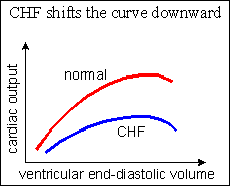
- Ventricular Function Curve: CHF makes the ventricular function cruve shift downward.
- Edema: Especially pulmonary edema, but also peripheral. Results from decreased Cardiac Output, by two mechanisms:
- Decreased CO ------> impaired venous return ------> higher capillary hydrostatic pressure
- Decreased CO ------> decreased renal perfusion ------> activate RAS ------> aldosterone causes higher Na+
and fluid retention.
- TREATMENT:
- CARDIAC GLYCOSIDES: See below.
- ACE INHIBITORS: They have significantly decreased mortality due to CHF.
- ACTION: They inhibit the activation of the renin-angiotensin system, which is hyperactive in CHF, due to
increased sympathetics.
- They reduce afterload: Reduce circulating levels of Angiotensin-II
- They reduce preload: Reduce Aldosterone ------> reduce blood volume.
- INDICATIONS: ACE Inhibitors are recommended in the following patients:
- All patients with symptomatic CHF due to LV systolic dysfunction.
- Asymptomatic patients with severe LV systolic dysfunction, HTN, or valvular regurgitation (aortic
incompetence, mitral regurgitation).
- Post-MI patients at risk for complications.
- VASODILATORS:
- Sodium Nitroprusside: IV, used to treat acutely decompensated CHF, where brain and kidney perfusion is
compromised.
- Hydralazine: It maintains renal blood flow. Used to treat CHF in the presence of kidney dysfunction.
- LOOP DIURETICS: Goal in this case is to reduce blood volume, not reduce blood pressure.
- XANTHINES: Theophylline can produce coronary vasodilation and bronchodilation, both of which can be therapeutic
in CHF.
CARDIAC GLYCOSIDES (DIGITALIS): Inotropic agents used for CHF.
| Variable Measured |
Digitalis effect on Normal Heart |
Digitalis Effect on CHF Heart |
| Contractility |
Increased -- direct effect of glycoside |
Increased -- direct effect of glycoside |
| Heart Rate |
Decreased
Bradycardia, due to vagal stimulation |
Decreased
Bradycardia, due to reduction in sympathetic tone |
| Vascular Resistance |
Increased: Direct vasoconstriction of
blood vessels. |
Decreased: Improved cardiac function
------> lost sympathetics ------>
vasodilation. |
| Cardiac Output |
Unaffected: Improved cardiac performance is offset by vasoconstriction. |
Increased: because vascular resistance is
improved in CHF |
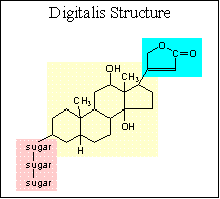 STRUCTURE: Steroid nucleus
- Aglycone, responsible for biological activity
- Digitoxose sugar molecules. 3 sugar molecules, which affect absorption,
half-life, and metabolism.
- ACTIONS:
- MECHANISM: Inhibit Na+/K+-ATPase Pump ------> increased
intracellular Na+ in myocardium ------> decreased expulsion of Ca+2 in
myocardium ------> tonically higher levels of intracellular Ca+2 ------>
increased myocardial contractility
- MECHANICAL ACTION on HEART:
- Increased myocardial contractility
- Bradycardia, due to reduced sympathetics.
- Increased Cardiac Output, due to reduced TPR (from reduced
sympathetics) and increased inotropic state.
- ELECTRICAL ACTION on HEART:
- Direct Effect on AV Node: Increase risk of heart block
- Decrease the rate of rise of Phase-0 depolarization at AV node.
- Prolong refractory period at AV-Node
- Decrease conduction velocity at AV-Node.
- Direct Effect on Purkinje Fibers:
- Increase automaticity ------> increased risk of arrhythmias. This occurs by two mechanisms:
- Increase the slope of Phase-4 depolarization.
- Elevate the resting membrane potential of the SA-Node, as a consequence of inhibiting the Na+/K+-ATPase
- Decrease conduction velocity
- Parasympathomimetic Effects: Digitalis increases vagal stimulation, by three mechanisms:
- Baroreceptor Sensitization
- Central Vagal Stimulation
- Facilitate muscarinic transmission at myocardial cells
- Hypokalemia potentiates the cardiotoxic effects of Digitalis, since digitalis deprives cardiac cells of K+. This
effect of K+ is opposite to the effect seen with quinidine.
- KIDNEY DIURESIS: Digitalis effect on kidney is indirect -- resulting from improved cardiac output. If cardiac output
does not improve, then there will be no diuresis.
| Site of Action |
Electrophysiologic Effect |
ECG Change |
| AV Node |
Prolonged refractory period
------> slowed AV conduction |
Prolonged PR Interval (between atrial and ventricular
systole), which can result in 1st degree heart block. |
| Ventricle |
Changes in Phase 2 or 3
repolarization |
Changes in ST-Segment (depolarization), or T-Wave
(repolarization).
Flattening or inversion of T-Waves is often the first,
most characteristic thing seen after a large digitalis
dose. |
| Ventricle |
Accelerated Repolarization, Increased automaticity |
Shortened QT Interval, due to increased automaticity. |
- INDICATIONS: CHF
- Also indicated for treatment of atrial fibrillation. It can be given with other anti-arrhythmics, to prevent the paradoxical
ventricular tachycardia that sometimes occurs with treatment.
- PHARMACOKINETICS:
- IV Administration: Ouabain or Digoxin can be administered IV for emergencies. They are diluted with saline solution
and injected slowly.
- DIGITALIZATION: Goal = attain the maximum cardiac effects as quickly as possible, without producing toxicity.
- Loading doses can be given for Digoxin, to help attain the steady state faster. Must be careful to avoid arrhythmias
when giving loading dose.
- Or, you can give smaller maintenance doses not preceded by a loading dose. 6-8 maintenance doses per loading
dose.
- The half-life of the drug determines its duration of action:
- Digoxin: Takes about 1 week to attain steady state, without a loading dose.
- Digitoxin: Takes about 3 to 4 weeks to attain steady state, without a loading dose.
| Property |
Digoxin |
Digitoxin |
| Lipid Solubility |
Medium lipid solubility |
High lipid solubility |
| Route of Administration |
Oral or IV |
Oral |
| % Oral Absorption |
75% orally absorbed |
90% orally absorbed |
| % Metabolized |
< 20% metabolized |
> 80% metabolized by liver. It cycles in
enterohepatic circulation. |
| Excretion |
Primarily urinary |
Primarily biliary. Metabolites are excreted
in urine, but unchanged drug is excreted in
stool. |
| Protein-Binding
Affinity |
23% protein-bound
Lower affinity for protein-binding: it is
less lipid soluble |
97% protein-bound
High affinity for protein-binding: it is the
most lipid-soluble |
| Half-Life |
40 hours |
168 hours |
| Time to Peak |
3-6 hours |
6-12 hours |
| Time to Steady
State |
1 week |
3-4 weeks |
- TOXICITY: Incidence has been declining, due to blood monitoring. Digitalis has a very narrow margin of safety.
- RISK-FACTORS: 20% of patients will show toxicity. At-risk situations include:
- Renal Insufficiency
- Geriatric Patients
- Excessive Dosing
- Hypokalemia as induced by diuretics ------> fatal arrhythmias. Digitalis has additive effects in depleting cardiac
cells of K+.
- Hypothyroidism: decreases the necessary dose.
- ADVERSE EFFECTS: GI and neurologic symptoms usually occur before CV symptoms. This gives us a warning of
impending toxicity.
- CV: Fatal arrhythmias can result from toxicity. This usually is secondary to severe hypokalemia in the cardiac
tissue.
- Sinus bradycardia
- Ectopic beats (ventricular or AV node)
- AV block, sinus arrest.
- GI: Usually the earliest-appearing symptoms.
- Anorexia, nausea, vomiting diarrhea
- CNS:
- Stimulate medullary chemoreceptor trigger zone ------> vomiting
- Disorientation, hallucinations in the elderly.
- Color and visual disturbances.
- Gynecomastia: Rare. Due to estrogenic effects of the steroid nucleus.
- TREATMENT:
- Discontinue digitalis
- Oral or intravenous potassium
- Treatment with anti-arrhythmic agents: phenytoin, lidocaine, propanolol
- DRUG INTERACTIONS:
- Quinidine: Displaces digoxin from binding proteins ------> increase circulating levels of digoxin. Do not use quinidine
to treat digitalis-induced arrhythmias
- Catecholamines: Sensitize the heart to the effects of digoxin.
- Cholestyramine, Neomycin, Sulfa drugs: Can reduce digoxin absorption.
- Hypokalemia will amplify digoxin-related arrhythmias. Thus do not use Digoxin with diuretics that excrete K+, at
least not without replacing the lost K+.
- Captopril, Ca+2-blockers, other drugs, may increase serum digoxin levels.
BIPYRINES: Phosphodiesterase inhibitor ------> increase cAMP and Ca+2 ------> higher inotropic state of the heart.
- Less likely than digoxin to cause arrhythmias.
- ADVERSE EFFECTS:
- Have increased mortality, so only used for short time.
- Nausea, vomiting
- Liver enzyme changes
HYPERTENSION:
- SEVERITY
- Mild Hypertension: 140-159 / 90-99
- Moderate Hypertension: 160-179 / 100-109
- Severe Hypertension: 180-209 / 110-119
- Very Severe Hypertension: > 210 / > 120
- LIFESTYLE CHANGES:
- Weight reduction
- Diet: moderate salt and alcohol intake
- Avoid tobacco
- Increased physical activity
- TREATMENT: General modes of therapy
- Reduce blood volume: diuretics
- Interrupt sympathetic tone: sympatholytic
- Reduce peripheral resistance: ACE-Inhibitors, Vasodilators, Ca+2-blockers
- LIMITS: Do not lower blood pressure below diastolic of 90 mm Hg, as coronary perfusion can become compromised.
ANTI-HYPERTENSIVE DRUGS:
- ORAL DIURETICS:
- SUBTYPES:
- THIAZIDE DIURETICS: Most commonly used for HTN. Hydrochlorothiazide, Chlorthalidone, Indapamide
- ACTION: Lowers blood volume by depleting body Na+ stores, by increasing Na+ excretion in the kidney.
- LOOP DIURETICS: Rarely used for HTN, often used for CHF.
- POTASSIUM-SPARING DIURETICS: Weak; used in conjunction with thiazides to help alleviate hypokalemia.
- PATIENT POPULATION: Thiazides can be used as monotherapy.
- Old, black males respond best to Thiazide diuretics.
- Cheap drug
- For patients with moderate HTN, and normal kidney and cardiac function.
- SIDE EFFECTS:
- Sexual impotence, as is potentially true with any anti-hypertensive
- Hyperuricemia, gout
- Reflex increase in renin secretion (can be counteracted with ACE Inhibitor)
- Potassium depletion: Can be potentially countered with (1) supplemental potassium, or (2) potassium-sparing
diuretic
- Muscle cramps
- Arrhythmias
- Impaired glucose tolerance, hyperinsulinemia.
- Atherogenesis: Thiazides increase LDL and increase the LDL/HDL ratio.
- DOSING: Very low dose (6-12 mg/day) is required for lowering blood pressure, as compared to that which is required
for diuresis (100-200 mg/day). This helps to alleviate side-effects.
- SYMPATHOLYTICS:
- CENTRALLY ACTING: alpha2-agonists. Clonidine, Guanabenz, Guanfacine, Methyldopa.
- ADVERSE EFFECTS: Not recommended for monotherapy.
- CNS: Dizziness, sedation, nightmares, depression
- Dry Mouth
- GANGLIONIC BLOCKERS: Trimethaphan.
- ACTION: Block all nicotinic ganglionic receptors.
- INDICATIONS: No longer used, except in two circumstances: (1) hypertensive crisis, and (2) controlled
hypotension during neurosurgery.
- ADRENERGIC NEURON BLOCKERS: "NE-depleting agents"
- ACTION: Bind to NE vesicles in neurons and prevent their release ------> vasodilation and lower blood pressure.
- beta-BLOCKERS:
- CLASSES: Non-selective (beta1, beta2), cardioselective (only beta1), partial agonists.
- MECHANISM: Blocks beta-receptors in 3 places:
- Block beta1-receptors on heart: Reduce heart rate and inotropic state.
- Block beta1-receptors on kidneys: Reduce renin secretion.
- Block beta-receptors in CNS: Reduce sympathetic outflow ------> reduce vasomotor tone.
- INDICATIONS:
- Lower blood pressure
- Improve myocardial oxygen supply ------> treat angina
- They do not, however, increase blood supply to the myocardium.
- Often combined with nitrates.
- Do not use with variant angina. beta-blockers slow heart rate ------> prolonged ejection time and
increased LVEDV ------> increased myocardial oxygen supply.
- Normalize heart rate
- Prevent myocardial infarct (less O2 demand of myocardium)
- Limit the size of myocardial infarct
- PATIENT POPULATION: Young or middle-aged white males is the most responsive patient to beta-blockers.
- DRUG COMBINATIONS:
- Recommended as monotherapy for young or middle aged white males.
- Used in combination with Thiazides to prevent reflex secretion of renin.
- Used in combination with ACE inhibitors to prevent reflex tachycardia.
- ADVERSE EFFECTS: Mainly GI and CNS
- GI: Diarrhea, constipation, nausea, vomiting
- CNS: Insomnia, lassitude, nightmares, depression.
- Atherogenesis: Increase plasma triglycerides and decrease HDL
- Hypoglycemia: beta-blockers impair the epinephrine-mediated response to hypoglycemia, thus they should not
be used with insulin and should be used with caution in Diabetics.
- Arrhythmias, especially heart-block, can be caused by overdose.
- CONTRAINDICATIONS: Diabetes, Congestive Heart Failure, Heart Block, Asthma
- alpha-BLOCKERS: Only alpha1-selective blockers (Prazosin, Terazosin, Doxazosin) are used to treat HTN.
- MECHANISM: Block alpha1 receptors ------> decreased vasomotor tone.
- alpha1-selective: reflex tachycardia is mitigated, because alpha2-receptors are not also blocked.
- ADVERSE EFFECTS: Orthostatic Hypotension is the only big one
- Orthostatic Hypotension: It may be particularly pronounced with first dose
- CNS: Drowsiness, dizziness, headache
- Palpitations
- Easy fatigability
- VASODILATORS:
- CLASSES:
- ORAL: Minoxidil, Hydralazine, given for chronic HTN treatment.
- IV: Sodium nitroprusside, diazoxide, given for hypertensive emergencies.
- ACTION: Directly cause relaxation in arteriolar smooth muscle ------> markedly decreased peripheral resistance.
- TOLERANCE: Effects diminish with time, as reflex tachycardia and renin secretion counteract the decreased TPR.
- Oral nitrates are no longer used for hypertension because tolerance develops.
- DRUG COMBINATIONS: These drugs are usually combined with other drugs to alleviate the adverse effects.
- Diuretic is given with them, to avoid fluid retention.
- beta-blocker can be given with them, to mitigate reflex responses.
- ADVERSE EFFECTS:
- Reflex Responses: Tachycardia, increased renin secretion, palpitations
- Fluid Retention
- Headaches: Due to increased intracranial pressure, due to increased blood volume in cranium
- Flushing
- Dizziness
- Ca+2-CHANNEL BLOCKERS:
- ACTION: Block slow L-Type Ca+2 channels in (1) vasculature and (2) heart ------> decrease (1) TPR and (2) the
inotropic state and AV channel conduction ------> decrease blood pressure.
- VASCULAR EFFECT: Vasodilation.
- CARDIAC EFFECTS: They decrease myocardial oxygen demand ------> treatment for angina.
- Slow AV channel conduction
- Reduced impulse generation in SA node
- Decrease contractility
- PATIENT POPULATION: Effective as monotherapy in mild to moderate HTN, elderly blacks (most responsive group).
- DRUG CLASSES:
- DIHYDROPYRIDINES (NIFEDIPINE): Strongest vasodilator, most specific to vasculature.
- ADVERSE EFFECTS:
- Reflex tachycardia is most pronounced with this group, because vascular effects are strongest and
cardiac effects are minimal.
- Vascular Effects (increased volume): Headache, flushing, dizziness, peripheral edema
- VERAPAMIL: Strongest (most specific) cardiac effects.
- PHARMACOKINETICS:
- 90% protein bound. Very fast effect after IV administration, but only 10-20% oral availability.
- Metabolized by liver
- Excreted by kidneys biexponentially (with early and late phase of excretion).
- ADVERSE EFFECTS:
- Reflex tachycardia does not occur.
- Bradycardia, due to slowed AV conduction.
- Constipation is common.
- Inhibit insulin secretion.
- Interfere with platelet aggregation (longer bleeding times), due to blocked Ca+2.
- DILTIAZEM: Has well-balanced effects between vascular and cardiac effects, in-between Nifedipine and
Verapamil.
- ADVERSE EFFECTS:
- Reflex tachycardia is not as bad.
- Bradycardia, due to slowed AV conduction.
- CONTRAINDICATIONS: Ca+2-blockers toxicities may precipitate CHF, AV-block, and cardiac arrest. Do not use in
cases of:
- Patients with Left Ventricular Hypertrophy.
- Patients with bradyarrhythmias (heart block).
- Patients with CHF.
- ACE-INHIBITORS:
- ACTIONS: They inhibit ACE ------> reduce vascular tone and blood pressure.
- They work well, despite the fact that Angiotensin levels are not always changed appreciably in patients taking
the drug.
- PATIENT POPULATION: Recommended for monotherapy for mild to moderate hypertension in any population.
- The drugs are expensive.
- They are less effective in elderly black man. Use thiazides for them.
- ADVERSE EFFECTS:
- Dry Cough: 5-20% of patients. Thought to be due to bradykinin.
- ACE also catalyzes the breakdown of bradykinin. Inhibit ACE ------> increase levels of bradykinin.
- Bradykinin may also contribute to the anti-hypertensive effects of the drug.
- The cough does not get worse with increased doses.
- No lipidemia changes.
- Hyperkalemia: Due to inhibited aldosterone secretion. Do not give this drug with a potassium sparing diuretic!
- Pregnancy: May cause fetal injury and death.
- Immune reactions:
- Angioneurotic edema: 0.1-0.2%. Edema related to scratching, related to bradykinin.
- Anaphylaxis: 0.1-0.2%
- Non-allergic, pruritic, maculopapular rash (probably due to bradykinin)
- Renal: Contraindicated in patients with renal insufficiency.
- Slow deterioration of renal function
- Leukopenia, in patients with renal insufficiency.
- Disturbances in taste
- DRUG COMBINATIONS: Often used with diuretics.
- They attenuate the secretion of aldosterone, thereby improving the diuresis and natriuresis (Na+ excretion) of
diuretic drugs.
ANTI-ANGINAL DRUGS:
- TYPES OF ANGINA:
- Classic Angina: Stress-induced crushing chest pain. Higher oxygen demand induces angina.
- Variant Angina: Reduced oxygen supply due to vasospasm of coronary vessels.
- Best treated with combination of nitrates and calcium-channel blockers. Do not use beta-blockers!
- Unstable Angina: Crushing chest pain while at rest. MI is imminent.
- MYOCARDIAL OXYGEN SUPPLY: Oxygen extraction is already maximal in the heart.
- Coronary Blood-flow can be increased to relieve angina:
- Increase perfusion pressure (diastolic pressure)
- Increase the duration of diastole (slower heart rate)
- Lower preload relieves angina. Increase venous capacitance ------> decrease myocardial oxygen demand.
- NITRATES and NITRITES:
- ACTIONS:
- MECHANISM: Release NO3- ion ------> NO ------> increase cGMP ------> relaxation of all smooth muscle.
- MAJOR EFFECT: Venous vasodilation ------> Increased venous capacitance ------> decreased preload
------> decreased myocardial oxygen demand.
- MINOR EFFECT: Arteriolar vasodilation ------> decreased peripheral resistance ------> decreased
afterload ------> decreased myocardial oxygen demand.
- Large Veins are preferentially dilated by nitrites. Decreased preload is the primary mechanism by which
myocardial oxygen demand is decreased.
- Reflex sympathetic activity occurs with treatment.
- Coronary Blood-flow: Total flow is not increased, but regional flow may be redistributed from well-supplied areas
to more ischemic areas.
- TOLERANCE: It appears quickly and disappears quickly.
- Metabolic Tolerance: Nitrates are rapidly degraded by hepatic organic nitrate reductase. Derivatives are then
excreted by kidneys
- Physiologic and/or pharmacologic tolerance may develop with prolonged use.
- ADVERSE EFFECTS:
- Smooth Muscle Relaxation: Relaxation of bronchial, GI and GU muscle occurs, in addition to relaxation of vascular
muscle.
- Orthostatic hypotension
- Tachycardia
- Methemoglobinemia: Methylation of hemoglobin results only from nitrites (sodium and amyl nitrite), when given
in high doses.
- Throbbing headache, due to increased blood volume in cranium.
- Ca+2-CHANNEL BLOCKERS: See Anti-HTN above.
- beta-BLOCKERS: See Anti-HTN above.
Return to top
CNS Pharmacology
BENZODIAZEPINES:
- INDICATIONS:
- Anxiolytic: Long-acting drugs
- Hypnotic: Promote sleep; short-acting drugs
- Anticonvulsant
- Muscle relaxant
- Control of alcohol withdrawal (give tapering dose)
- Pre-Anesthesia
- PHARMACODYNAMICS: It enhances the affinity of the GABA Receptor, but only some GABA receptors. Thus it is an
incomplete CNS depressant.
- GABA Receptor: Pentameric structure, with different possible subunits: alpha, beta, gamma,
- alpha-subunit: Binds to Benzodiazepines (alpha1, alpha2, alpha3, alpha5)
- beta-subunit: Binds to GABA
- Most common GABA Receptor (benzodiazepine-sensitive): alpha1, beta2, gamma2
- Benzodiazepine-Insensitive Receptor: alpha4, betax, gamma2
- PHARMACOKINETICS:
- Active Metabolites: Diazepam and Chlordiazepoxide are converted to active metabolites in the liver, which prolongs
their half-life.
- TOLERANCE: Benzodiazepine tolerance is related to the half-life of the drug.
- Physiologic tolerance and dependence is most pronounced in the short-acting (hypnotic) drugs: triazolam, oxazepam,
lorazepam.
- TOXICITY: It is not fatal when taken alone. Minimal adverse effects on other organ systems.
- It can be fatal when given IV. The IV fatality may involve mechanisms other than the GABA receptor.
- It can be fatal when taken with alcohol.
- ADVERSE EFFECTS:
- Sedation, ataxia, anterograde amnesia, light-headedness
- Paradoxic excitement in children.
- Menstrual irregularities
BARBITURATES: Complete CNS depressants.
- PHARMACODYNAMICS: Binds indiscriminately to GABA channels to enhance Cl- transport and increase conductance at
Cl- channels.
- PHARMACOKINETICS: Highly lipophilic
- They are weak organic acids, so they compete with salicylates and other acids for binding sites.
- They increase Cyt-P450 metabolism.
- Their duration of action (onset and termination) is dependent on their lipophilicity and how long it takes them to get
into the brain and then redistribute to the body. It is not dependent on half-life.
- TOLERANCE: Tolerance develops to all drugs, in several ways. Dose is usually tapered, and then replaced with a
benzodiazepine, to remove treatment.
- Metabolic Tolerance: Barbiturates increase P450 metabolism ------> increase the breakdown of itself.
- Pharmacodynamic Tolerance: Down-regulation of receptors probably occurs.
- TOXICITY: At anesthetic dose, depressed respiration and sometimes depressed CV tone. Death is due to depression of the
respiratory centers of the brain.
- ADVERSE EFFECTS:
- Intermittent Porphyria: Barbiturates increase porphyrin synthesis and are absolutely contraindicated in patients with
Intermittent Porphyria.
- At toxic levels, the respiratory center becomes insensitive to the levels of CO2, and the only thing that allows breathing
to persist is low blood O2 levels.
- Thus it can be dangerous to give O2 to overdosing patient, as it may stop him from breathing.
- DRUGS: Phenobarbitol, Pentobarbitol, Thiopental
OTHER ANXIOLYTICS:
- beta-Blockers: They can inhibit some of the somatic effects of anxiety.
- Antipsychotics, Antidepressants: They display side effects which are anti-cholinergic and anti-histaminic ------> sedation,
which can be beneficial in anxiety.
GENERAL ANESTHETICS:
- Partial Pressure: The concentration of the inhalational anesthetic that is not in solution. The depth of anesthesia is directly
proportional to the partial pressure.
- Lipophilicity:
- The more lipophilic the agent, the more efficacious and potent is the anesthetic.
- Explanation: More of the drug penetrates the CNS.
- The more lipophilic the agent, the longer it will take to induce anesthesia, and the longer it will take to emerge from
anesthesia.
- Explanation: More drug sticks to the membranous components of the blood, hence the blood has a higher carrying
capacity for the drug and requires more to be saturated.
- Ostwald Coefficient: The blood:gas partition coefficient. It is the ratio of total amount of drug in the blood to the amount
of drug in the gas-phase, in the lungs.
- High Ostwald Coefficient ------> Highly lipophilic drug ------> highly potent drug ------> slow rates of
induction and emergence.
- STAGES of ANESTHESIA:
- Analgesia Stage (I): No loss of consciousness. NO only induces anesthesia to this extent.
- Delirium Stage (II): Complete loss of inhibitory and autonomic control, delirium, excitement. Pre-anesthetic medications
generally prevent the occurrence of this stage, or make it very rapid.
- Surgical Stage (III): Loss of consciousness, return of regular respiration. Major surgery is performed here.
- Medullary Paralysis Stage (IV): Death quickly results afterward. Anesthesia must be rapidly terminated.
- Minimum Alveolar Concentration (MAC): A measure of the potency of an inhalational anesthetic. It is the concentration
of inspired anesthetic, when measured at equilibrium, at which there is no response to skin incision in 50% of patients.
- Pre-Anesthetic Medication:
- BENEFITS:
- It decreases the dose of general anesthetic required to induce anesthesia. Thus it decreases the adverse effects
of anesthetics.
- It increases the rate of induction of anesthesia.
- It virtually eliminates the delirium stage (Stage II).
- It reduces pre-operative pain and anxiety.
- DRUGS:
- Midazolam
- Thiopental
- Propofol
- Diazepam
- Morphine
- Scopolamine
- Glycopyrrolate
- Fixed Anesthetics: IV anesthetics given at fixed dose.
- ADVANTAGE: Quick, easy, smooth induction.
- DISADVANTAGE: Slow elimination. Cannot be removed if there is an emergency and hence can be dangerous.
- DRUGS:
- Innovar: Combination of two drugs -- Droperidol (anti-psychotic), and fentanyl (opiate). It causes
neuroleptanalgesia, a state of indifference, but not sleep.
- ADVERSE EFFECTS: Depressed respiration (due to opiate) and blood pressure (due to anti-psychotic).
Vomiting.
- PHARMACODYNAMICS: It is proposed that they permeabilize neuronal membranes in the CNS, thereby disrupting
neurotransmission.
- Higher CNS centers are most sensitive to their effects, and medullary centers are least sensitive. The medulla is the last
part of the CNS to be affected (Stage IV, medullary depression).
- ADVERSE EFFECTS:
- Post-Op nausea and vomiting.
- CV and respiratory depression, in dope-dependent fashion.
- All but isoflurane decrease cardiac output.
- DRUGS:
- Nitrous Oxide: Least potent, incomplete anesthetic.
- Methoxyflurane: Most potent.
- Enflurane
- Isoflurane: Usually preferred drug.
- Halothane
PARKINSONISM:
- DISEASE:
- DOPAMINERGIC PATHWAYS:
- Nigrostriatal Tract: Provides inhibitory regulation on extrapyramidal nuclei. Substantia Nigra ------> Globus
Pallidus ------> Thalamus ------> Motor Cortex
- Mesocortical / Mesolimbic Tracts: Their over-activation is hypothesized to result in psychosis. Cell bodies are
in ventral tegmental area.
- Tuberoinfundibular Tract: Projects from Arcuate Nucleus of Hypothalamus to Pituitary, where it inhibits
Prolactin secretion.
- MECHANISM: Deficiency of dopamine-containing Nigrostriatal Tract. Results:
- Cholinergic interneurons become overactive as a result. Dopamine normally provides inhibitory input on these
interneurons.
- Hence central anti-cholinergics can be used as adjunct therapy to treat Parkinson's.
- Ultimately, loss of regulatory control of the Extrapyramidal Nuclei (Basal Ganglia) results in resting tremor,
bradykinesia.
- CAUSES:
- Idiopathic Parkinsonism: Most common, occurs with elderly.
- Encephalitis Epidemic of 1917: As portrayed in Awakenings, led to Parkinsonian symptoms.
- Adverse Effects of Anti-Psychotics.
- MPTP is a by-product of some street-drug opioids, which can cause Parkinsonian symptoms.
- Creutzfeldt-Jacob Disease has Parkinsonian symptoms.
- SYMPTOMS:
- Lead Pipe Rigidity: Resistance to movement.
- Resting Tremor: To be distinguished from an intention tremor (as in Cerebellar Syndrome). This is a tremor when
there is no movement.
- This tremor is of a lower frequency than corresponding Intention Tremor (tremor with voluntary cerebellar
movements)
- The tremor is better when in motion, so it is less debilitating than a moving tremor.
- Akinesia / Bradykinesia: Inability to initiate movement, or slow initiation of movement.
- This symptom responds well to treatment.
- Postural Instability
- Cognitive Problems
- DOPAMINE RECEPTORS: D1 and D2 receptors have been identified. Both are present in equal density in the nigrostriatum.
- DOPA METABOLISM:
- Aromatic Amino-acid Dopamine Decarboxylase (AADC): L-DOPA ------> Dopamine.
- Monoamine Oxidase B (MAO-B): Dopamine ------> DOPAC. Breaks down Dopamine in CNS.
- TREATMENT:
- Levodopa (L-DOPA): Dopamine precursor is given because it can get into CNS. In the CNS, AADC then converts
L-DOPA into Dopamine, where it can replace lost dopamine in the nigrostriatal tract.
- PERIPHERAL ADVERSE EFFECTS: Can be minimized with carbidopa administration. Nausea and vomiting,
postural hypotension, tachycardia, arrhythmias.
- Blood pressure can be altered in either direction. Individual response depends on patient. IV Dopamine,
because of its effect on kidneys, is normally given as treatment for shock.
- CENTRAL ADVERSE EFFECTS: Long-term effects
- MOTOR:
- On-Off Effects: Suddenly therapy is ineffective, periodically and paroxysmally.
- Freezing Phenomenon: All of the sudden become rigid and stop, unable to initiate movement.
- Tolerance: The drug becomes less effective with long-term use. To an extent, can be counteracted
by increasing dose. Can also stop treatment and then resume again later, to increase efficacy.
- NEUROLOGICAL:
- Dystonias: Alterations in muscle tone.
- Dyskinesias: Choreiform (dancing with arms) movements.
- PSYCHIC: Depression, hallucinations, paranoia, anxiety.
- NEUROENDOCRINE: Renewed sexual interest, increased libido.
- Carbidopa: In the periphery, carbidopa inhibits AADC, inhibiting the conversion of L-DOPA to dopamine. Hence
it inhibits the peripheral effects of dopamine.
- Anticholinergics: Used in L-DOPA resistant patients. Works by inhibiting the cholinergic interneurons -- the next
neurons in the nigrostriatal circuits, distal to the degenerated dopaminergic neurons.
SPASTICITY: Violent, painful, involuntary muscle contractions.
- CAUSE: Associated with Multiple Sclerosis and Cerebral Palsy, among others.
- TREATMENT:
- Baclofen: GABAB agonist used in spinal cord lesions and multiple sclerosis.
- Diazepam: Used in spinal injuries, and sometimes cerebral palsy.
- Dantrolene: Decreases Ca+2 release from muscle sarcoplasmic reticulum. Used in wide variety of spastic disorders.
SEIZURES:
- ETIOLOGY: Spontaneous seizures elicited by various stimuli (emotional, light). Problem relates to a shortened inactivation
state of Na+-channels. Na+-channels are more excitable because they don't stay inactivated as long.
- CLASSIFICATION
- PARTIAL SEIZURES: Localized to specific areas of brain, no loss of consciousness.
- Jacksonian March: Seizure often starts in finger and works proximally, make the arms shake in characteristic
way.
- Psychomotor: Emotional outbursts with complex symptomatology, due to seizure of areas localized to mesolimbic
system.
- TREATMENT: Vigabatrin, GABApentin
- GENERALIZED SEIZURES:
- PETIT MAL (ABSENCE): Occurs in children, temporary loss of consciousness, "daze." No memory of the event.
- TREATMENT: Valproic Acid, Succinimides
- GRAND MAL (TONIC-CLONIC): In adults.
- Definitions:
- Tonic: Continual contraction of muscle, rigidity.
- Clonic: Rapid successive contraction of muscle followed by relaxation, leading to convulsions.
- TREATMENT: Phenytoin, Barbiturates, Carbamazepine
- STATUS EPILEPTICUS: Severe, life-threatening, continual convulsions.
- GRAND-MAL / PARTIAL TREATMENT: Traditionally, the same drugs are used to treat grand-mal and partial seizures.
They prevent the spread of seizures, but they do not prevent the occurrence of a focus.
- PHENYTOIN:
- PHARMACODYNAMICS: Prolong inactivation of Na+-channels in CNS. It increases depolarization threshold
and prevents the spread of seizures, but it does not prevent the focus of the seizure.
- ADVERSE EFFECTS:
- Diplopia, ataxia, sedation.
- Hyperplasia of the gums
- Hirsutism.
- Rarely, agranulocytosis.
- PHARMACOKINETICS:
- Slow and incomplete absorption.
- Highly bound to plasma proteins.
- Metabolized by microsomes, so barbiturates decrease potency.
- CARBAMAZEPINE: An iminostilbene. Popular choice. Same mechanism as phenytoin.
- BARBITURATES:
- Phenobarbitol: Do not withdraw drug abruptly, or you could elicit status epilepticus.
- Primidone: Usually a second-line drug.
- PHARMACODYNAMICS: Pro-drug, converted to phenobarbitol and phenylethylmalonamide (PEMA).
Both parent drug and metabolites are active against seizures.
- Never give with phenobarbitol. Often given with phenytoin.
- BENZODIAZEPINES:
- GABAPENTIN: Can be adjunct therapy.
- PETIT-MAL TREATMENT:
- VALPROIC ACID (VPA): A carboxylic acid
- PHARMACODYNAMICS: Multiple proposed mechanisms of action.
- Prolong Na+ inactivation. Explains its effectiveness against grand-mal seizures.
- Inhibit T-Type Ca+2 channels.
- Inhibit GABA transaminase, increasing GABA levels. This only occurs at a high dose, so people wonder
how important this mechanism is.
- ETHOSUXIMIDE: A succinimide.
- May precipitate grand-mal seizures, so it is given with barbiturates or phenytoin to prevent that.
- ADVERSE EFFECTS: Sedation
- TRIMETHADIONE: An oxazolidinedione
- ACETAZOLAMIDE: Carbonic Anhydrase Inhibitor
- BENZODIAZEPINE:
- PARTIAL SEIZURE TREATMENT:
- CARBAMAZEPINE:
- PHENYTOIN:
- VIGABATRIN:
- GABAPENTIN: Used in combination with any of the above.
- STATUS EPILEPTICUS TREATMENT:
- DIAZEPAM:
- LORAZEPAM:
- PHENOBARBITOL:
SCHIZOPHRENIA:
- POSITIVE SYMPTOMS: Hallucinations, delusions. Anti-psychotics only treat the positive symptoms.
- First-rank Symptoms: Not pathognomonic, but occur most frequently in Schizophrenics: Delusional perceptions, feelings
of being controlled, thought broadcasting.
- NEGATIVE SYMPTOMS: Anti-psychotics do not treat the negative symptoms.
- Flat Affect
- No Conation, no goal-directed behavior.
- Thought Disorder, word-salad.
- Downward Drift: Patients tend toward poverty, as a consequence of the disorder, as they cannot function well enough
to prosper.
- DOPAMINE HYPOTHESIS: Schizophrenia results from hyperactivity and dis-regulation of the Mesolimbic pathway (ventral
tegmentum--> limbic system) and possibly mesocortical pathway (ventral tegmentum ------> cortex).
- EVIDENCE:
- Drugs used to treat Parkinson's have psychosis as a side-effect.
- Amphetamines are dopamine-releasing and can induce psychosis.
- The drugs used to treat Schizophrenia are known to be Dopamine-receptor antagonists.
- The affinity of anti-psychotics for Dopamine receptors closely correlates with their potency as anti-psychotics.
ANTI-PSYCHOTICS:
- INDICATIONS: Primarily for Schizophrenia or Schizophreniform disorders, however they are also used for an assortment
of other disorders:
- Tourette's Syndrome
- Intractable Hiccoughs
- Acute Mania of Bipolar Disorder
- Huntington's Disease
- Alcoholic Hallucinosis
- Urticaria: Phenothiazines can be used to treat Type-I hypersensitivities
- Pruritus
- Some depressed patients, esp. depression with psychotic features
- Nausea: Anti-emetics, but only for chemically induced nauseas. They are not effective against motion sickness.
- PHARMACODYNAMICS: D2 Dopamine Antagonists
- DRUG-CLASSES:
- PHENOTHIAZINES
- ALIPHATIC: Pronounced sedative effects. Chlorpromazine
- PIPERAZINE: Higher extra-pyramidal and anti-emetic effects. Fluphenazine, Perphenazine, Acetophenazine
- PIPERIDINE: Lower extra-pyramidal and anti-emetic effects. Thioridazine, Piperacetazine
- THIOXANTHENE: Low hypotensive effects. Thiothixene, Chlorprothixene
- BUTYROPHENONE: Highest incidence of extra-pyramidal effects. Haloperidol, Droperidol
- EFFECTS:
- It takes 2 to 3 weeks for therapeutic effects to occur. During that time, dopamine levels often return to normal, before
therapeutic effect is seen. This is a line of counter-evidence against the Dopamine hypothesis.
- INITIAL EFFECT: Sedation.
- NORMAL EFFECTS: Dysphoria, disinterest, blunted affect.
- IN SCHIZOPHRENICS: Relief of hallucinations and delusions. Negative symptoms usually are not affected.
- No euphoria, so dependence is not a problem.
- Neuroleptic Syndrome: Psychomotor slowing, and affective indifference. Characteristic behavior of patients
taking these drugs.
- Anti-Emetic: They have inhibitory effect on chemotactic trigger zone, thus the drugs are also effective as anti-emetics.
This is only for a chemical nausea -- the drugs are not useful in vestibular (motion-sickness) nausea.
- NEUROLEPTIC: Anti-Histaminergic, Anti-Cholinergic, Anti-alpha-Adrenergic, Anti-Serotoninergic, Anti-Dopaminergic.
All of the drugs have differing affinities for these receptors, hence they are called neuroleptic.
- ADVERSE EFFECTS:
- SHORT-TERM:
- Extrapyramidal Effects: Particularly early in treatment, then hopefully it goes away.
- Parkinsonian resting tremor, bradykinesia, dystonia, perioral tremor.
- Akathisia: Terrible motor restlessness. Patient has to walk around all the time.
- These side-effect can be alleviated by concomitant use of centrally-acting anti-cholinergics (benztropine,
trihexyphenidyl, diphenhydramine), just as it can with Parkinson's Disease.
- Endocrine: Increased prolactin release
- Gynecomastia in males
- Amenorrhea, Galactorrhea (but not dysmenorrhea) in females.
- Sedation: Due to CNS anti-histaminergic effect.
- Orthostatic Hypotension: Due to alpha-adrenergic blockade. Tolerance can develop to this effect.
- Anticholinergic Effects: Dry mouth, constipation, urinary retention.
- Ocular: Blurred vision, retinitis pigmentosa.
- Decreased seizure threshold: Can promote seizures.
- Poikilothermia, which can lead to hypothermia
- Neuroleptic Malignant Syndrome: Extreme Parkinsonian side-effects and lack of sweating (no cholinergics)
------> dangerously high fever.
- LONG-TERM:
- Tardive Dyskinesia: Irreversible Parkinsonian tremor. Stereotypes abnormal movements and facial disfigurement.
Perioral tremor.
- Blood dyscrasias, especially agranulocytosis with Clozapine.
- DRUG-INTERACTIONS:
- Amplifies the depressive effects of sedative hypnotics, including alcohol.
- Amplifies the respiratory-depressant effect of opiates.
- PHARMACOKINETICS: Can be given IM, IV, or PO. Extreme hepatic metabolism.
LITHIUM: Used in the long-term treatment and prophylaxis of mood swings with Bipolar Disorder.
- CLINICAL USE: Lithium is not useful to treat acute episodes of mania; use anti-psychotics for that.
- Effects noted 7-10 days after instituting treatment. It has a slow-acting effect (must build up blood levels)
- Lithium is more useful at alleviating mania than it is at alleviating depression, but it has effects at both ends of the
spectrum.
- MECHANISM: Unknown. May affect membrane transport, second-messenger systems (phosphoinositol hydrolysis), synaptic
neurotransmission.
- ADVERSE EFFECTS: Contraindicated in patients with renal or CV disease.
- Thyroid: Benign Goiter noticed in many people, which can lead to hypothyroidism.
- Kidneys: Polydipsia, Polyuria. Nephrogenic Diabetes Insipidus; makes distal tubules insensitive to ADH.
- Can counteract this side-effect by treating with thiazide diuretic, paradoxically, as it presents a greater load of
sodium to the distal tubule, increasing the uptake of water there.
- CV: EKG Abnormalities.
- Leukocytosis
- Edema
- Acne
- Tremor
- PHARMACOKINETICS:
- Lithium excretion depends on the presence of sodium, therefore decreased Na+ causes a decrease in lithium excretion
------> potentiate the effects of lithium.
- The Therapeutic Index of Lithium is very narrow:
- Symptomatic effects at therapeutic concentrations (0.4 - 1.0 mEq/L): excessive thirst
- Symptomatic effects at high concentration (1.0 - 1.6 mEq/L): diarrhea, nausea, incoordination, poor attention.
- Symptomatic effects at toxic levels: Ataxia, confusion, stupor, coma, death.
ENDOGENOUS DEPRESSION:
- SYMPTOMS
- Sleep Disturbances: Terminal Insomnia, middle insomnia, reduced REM Latency. Sleep is usually insomnia but
maybe hypersomnia.
- Appetite disturbance, usually appetite loss.
- Neuroendocrine Disturbances
- Elevated Cortisol
- Dexamethasone Suppression Test: Synthetic cortisol should supress endogenous cortisol secretion, but
it fails to in depressed people, yielding a positive test.
- Test is very specific for depression but unfortunately it is not sensitive.
- Reduced pituitary response to exogenous TRF (analogous to above) is also seen.
- Emotional / Cognitive Symptoms:
- Subjective complaints of poor memory, from poor concentration. Patient will actually complain of the memory
loss, as compared to dementia, where patient has no clue (organic denial).
- Dysphoria, anhedonia
- Suicidal Ideation.
- Somatic Complaints: General complaints of fatigue, malaise, weight change, decreased libido, decreased hygiene.
- RISK-FACTORS:
- Stroke: 25-55% of patients with stroke become endogenously depressed.
- Diabetes: 35% prevalence of depression.
- Malignancies: 25% prevalence of depression.
- Chronic Fatigue Syndrome: 46-75% incidence.
- Coronary Disease: 18-25% incidence post-MI.
- GENETIC PREDISPOSITION: 54-65% concordance in MZ twins. 14-24% concordance in DZ twins.
- TREATMENT:
- Anti-Depressants: 15-25% of patients will remain symptomatic even with treatment.
- Cognitive Therapy
- Supportive Therapy
- Electroconvulsive Therapy (ECT): Safe and reliable in eliciting a remission of symptoms. It is the treatment of choice
for those who cannot tolerate or do not respond to anti-depressants.
- Treatment of choice if suicide is imminent, because the anti-depressant effect is immediate.
- EPIDEMIOLOGY:
- 5.8-12% incidence
- 8th leading cause of death, via suicide.
- About 15% of depressed people ultimately die by suicide.
- COMORBIDITY:
- Substance Abuse: 32% for endogenous depression; 60% for bipolar disorder.
- SUICIDE:
- Risk in depression is about 15%, regardless of treatment with anti-depressants, although anti-depressants may prolong
the occurrence to a later age.
- Women 10X more likely to attempt it, men 4X more likely to succeed.
- Cancer and other terminal illnesses have no correlation to suicide, except AIDS does correlate.
- Risk Factors for DEATH by suicide:
- Male
- Age > 40 years
- Being single, divorced, widowed, not married.
- Depression
- Alcoholism
ANTI-DEPRESSANTS:
- TRI-CYCLIC ANTIDEPRESSANTS (TCA'S):
- STRUCTURE: They are structurally related to the phenothiazine anti-psychotics.
- PHARMACODYNAMICS: The therapeutic effect is to block reuptake of Norepinephrine and Serotonin in the CNS
------> prolonged and heightened effects of those two neurotransmitters.
- EFFECTS: Very efficacious, but effect are delayed -- 1-2 week of therapy required before therapeutic effect.
- ADVERSE EFFECTS: Anti-Histaminic, Anti-Cholinergic, Anti-alpha-Adrenergic
- Anti-Histaminic: Sedation, weight gain, possible hypotension.
- Anti-Cholinergic: urinary retention, constipation, dry mouth, blurred vision, anti-cholinergic psychosis.
- Use caution in patients with glaucoma or BPH, because of anti-cholinergic effects.
- CV: Can be seriously cardiotoxic.
- Orthostatic Hypotension, myocardial depression.
- Arrhythmias: Can make worse or precipitate AV heart-block. Prolonged QRS or QT intervals, and ST-T
wave changes.
- Tachycardia can progress to CHF, death.
- Can precipitate seizures, although incidence is low.
- Sexual dysfunction: Impaired erection, impotence, priapism, lost libido.
- Hypersensitivity: Rash, leukopenia, cholestatic jaundice.
- PHARMACOKINETICS: High volume of distribution, significant first-pass metabolism. Significant differences in
individual drugs.
- TOXICITY: Overdose results in death. Tricyclics are the leading cause of drug-overdose death in the United States.
- MAO-INHIBITORS: Phenylzine, Isocarboxazid, Tranylcypromine
- EFFECTS:
- Delayed Therapeutic Effect: several weeks of therapy required for anti-depressants to take effect. Significant
inhibition of MAO is required before effects are seen.
- SIDE-EFFECTS:
- Concomitant use of tyramine can lead to hypertensive crisis.
- Treat the crisis with IV phentolamine (alpha-antagonist) until pressure stabilizes.
- Myoclonus.
- Hypertension.
- Hepatotoxicity due to idiosyncratic reaction. Hepatocellular necrosis and jaundice result.
- INDICATIONS: Atypical depression
- SELECTIVE-SEROTONIN REUPTAKE INHIBITOR'S (SSRI'S):
- EFFECTS: Delayed onset of effect, like the tri-cyclics. You may have to hospitalize the patient (if suicide is a risk),
while the drug is taking effect.
- The SSRI's are less toxic than the TCA's, but they are not more efficacious. Efficacy is the same.
- ADVERSE EFFECTS: Nausea, nervousness, headache, insomnia, anxiety. Morning dosing is recommended.
- Sexual Dysfunction: Lost libido. Common complaint.
- Weight Loss: Some companies are trying to pursue this effect as the primary therapeutic use.
- Insomnia can be a particular problem, esp. in patients already plagued by insomnia. In this case consider switching
to a TCA.
- Urticaria, rashes: Discontinue drugs if these effects occur.
- DRUG INTERACTIONS: Do not use in combination with, or within 2 weeks of, use of MAO Inhibitors. Fatal reactions
may result.
- PHENOTHIAZINES: Used for depression with psychotic features, or depression where hostility is a prominent symptoms.
OTHER USES FOR ANTI-DEPRESSANTS:
- Post-Traumatic Stress Disorder (PTSD): Tri-cyclics are specifically good for PTSD. They relieve the effects of hyper-reactivity, nightmares, and flashbacks. Can use propanolol for autonomic effects.
- Obsessive-Compulsive Disorder (OCD): The SSRI's are very effective, a revolution in treatment.
LOCAL ANESTHETICS:
- IDEAL ANESTHETIC: One that acts quickly, predictably, and reversibly.
- Procaine, lidocaine, tetracaine come closest to ideal.
- DRUGS:
- ESTERS: Shorter acting and more easily hydrolyzed (metabolized in both blood and liver).
- Cocaine, procaine, tetracaine, benzocaine
- Destroyed by esterases in blood and liver.
- SIDE-EFFECTS: See more central effects than with amides. Convulsions are possible.
- AMIDES: Longer acting
- Lidocaine, mepivacaine, bupivacaine
- Destroyed by amidases in liver.
- EFFECTS: They block local nerve conduction.
- MECHANISM: Depress Na+ and K+ conductance, stabilizing nerve membranes ------> slowing propagation of action
potential.
- Vasoconstrictors (epinephrine) can be given to prolong the effects of the local anesthetic.
- SIDE-EFFECTS: They all depress heart conduction and blood pressure.
OPIOID ANALGESICS:
- OPIOID RECEPTORS: Endorphins are the endogenous agonists of opioid receptors.
- MU: Responsible for euphoria and physical dependency. Also produces respiratory depression.
- Responsible for supraspinal analgesia
- KAPPA: Produces miosis (constricted pupils) and sedation.
- Responsible for spinal analgesia
- SIGMA: Produces dysphoria, cardiac stimulation, hallucinations.
- EFFECTS: They alter the psychological perception of pain, rather than reducing the pain itself.
- CNS:
- Analgesia: Due primarily to altered perception of pain, but a secondary effect is that they raise the threshold for
pain.
- Euphoria: Habit-forming. Can cause dysphoria at analgesic doses, particularly in patients who are not in pain.
- Cough Suppression
- Respiratory Suppression
- GI: Constipation
- GU: Urinary retention, increased bladder tone.
- Uterine: Prolonged labor, due to muscle relaxation.
- Neuroendocrine: Stimulate prolactin, growth hormone, ADH (urinary retention). Inhibit LH.
- INDICATIONS:
- Acute pulmonary edema, dyspnea: Decreased myocardial preload and afterload, decreased perception of shortness
of breath and decreased anxiety relieve symptoms of dyspnea.
- Renal and biliary colic: Severe pain is effectively treated with opioids, because it secondarily relaxes spasmodic smooth
muscle around the stones.
- Suppression of cough (anti-tussive).
- Cancer pain: Should be given orally for cancer, without regard to tolerance.
- SIDE-EFFECTS:
- Histamine degranulation ------> impaired respiration and hypotension.
- Respiratory Depression which can be deadly. Two mechanisms:
- Direct suppression of medullary respiratory center.
- Lessen sensitivity of the respiratory center to carbon dioxide.
- Readily cross placental barrier ------> cause respiratory depression in newborn.
- WITHDRAWAL: Effects often opposite to the effect of the drug.
- Apprehension, tremor, headache, tachycardia, muscle spasm, ketosis, vomiting, anorexia.
- Diarrhea, instead of constipation.
- CNS hyperactivity, but rarely convulsions.
- DRUG INTERACTIONS:
- Sedative Hypnotics: Enhance the likelihood of respiratory depression.
- Anti-Psychotics: Enhanced sedation, anti-cholinergics, and hypotension.
- MAO-Inhibitors: Absolute contraindication, as it results in hyperpyretic coma and hypertension.
DRUGS of ABUSE:
- METHYLXANTHINES
- NICOTINE
- ALCOHOL
- Tolerance: Pharmacologic tolerance -- not metabolic -- is the major form of tolerance to alcohol. It results from
adaptation to the effects of ethanol in the CNS.
- Alcohol OD (Alcohol Poisoning): Main objective - prevent death from respiratory suppression. Cardiorespiratory
support.
- WITHDRAWAL: Delirium Tremens. Treat with tapering doses of diazepam, an incomplete CNS depressant.
- If the patient has confirmed liver disease, may use Oxazepam rather than Diazepam.
- OPIOIDS: Heroin, morphine, oxycodone
- RISKS: IV blood-born infections, including HIV, HBV, meningitis, osteomyelitis.
- Withdrawal: Treat with methadone, and/or clonidine which reduced sympathetic outflow.
- STIMULANTS: AMPHETAMINES, COCAINE
- Cocaine is more addictive than the amphetamines.
- Withdrawal: Mental depression, exhaustion, hunger, sleepiness.
- Overdose: Death occurs by respiratory depression and convulsions.
- HALLUCINOGENS: They may be acting through 5-HT receptors.
- GENERAL EFFECTS: Mydriasis, increased sensitivity of sympathetic responses, hallucination, altered mood, impaired
judgment.
- MARIJUANA (TETRAHYDROCANNABINOL, THC) Laughter, red eyes, heightened pulse-rate.
- PSILOCYBIN
- LYSERGIC ACID (LSD)
- PHENCYCLIDINE (PCP): Produces feelings of detachment and disorientation.
SKELETAL MUSCLE RELAXANTS:
- INDICATIONS: Used primarily as an adjunct to anesthetics, in surgery, to relax muscle and allow incisions. Aids intubation
and incision.
- DRUG-CLASSES:
- COMPETITIVE BLOCKERS: Blocks nicotinic receptors, causing flaccid paralysis.
- Small (distal) muscles are affected first, and respiratory muscles are affected last.
- DEPOLARIZING BLOCKERS: Binds to nicotinic receptors with higher affinity than ACh ------> inactivate Na+
channels, depolarization blockade.
- EFFECTS: Initially muscle fasciculations are seen, later relaxation.
- PHARMACOKINETICS: Almost always administered IV.
- DRUG-INTERACTIONS: Lots of interactions
- GENERAL ANESTHETICS: Increase sensitivity to muscle relaxants, with additive effect (block of Na+ channels).
- AMINOGLYCOSIDES, TETRACYCLINE: Decrease ACh release and thus inhibit muscular activity.
- CALCIUM-CHANNEL BLOCKERS: Potentiate the effects of muscle-relaxants.
- INDIVIDUAL RESPONSES: Responses vary greatly, according to individual levels of non-specific cholinesterase, and to
individual renal function.
Return to top