 Return to Pathology
PATHOLOGY STUDY SHEET EXAM 4
Download a copy of this study guide
 Return to top
BLOOD VESSELS
HEMOSTASIS and THROMBOSIS:
- Hemostasis: The arrest of hemorrhage as a response to vascular injury.
- BLOOD COAGULATION
- Intrinsic Pathway: Factor XII ------> Factor XI ------> Factor IX
- Extrinsic Pathway: Tissue Factor (Thromboplastin) ------> Factor VII + Ca+2
- Common Pathway: Factor X ------> (Prothrombin ------> Thrombin) ------>
(Fibrinogen ------> Fibrin)
- PLATELET AGGREGATION:
- Von Willebrand Factor from endothelial cells enhances aggregation.
- Thromboxane A2 (TXA2) enhances aggregation.
- ENDOTHELIAL FACTORS: Injury to the endothelium is the most important precipitating event
of thrombosis.
- Function of endothelial cells:
- Permeability barrier
- Vasoactive factors: NO
- Anti-thrombotic factors: Prostacyclin (PGI2)
- Clotting Factors:
- Factor VIII
- Von Willebrand Factor
- Anti-Coagulant Factors: Thrombomodulin
- Fibrinolytic Agents: TPA
- Plasminogen Activator Inhibitor (PAI) inhibits fibrinolysis
- Inflammatory Mediators: IL-1, Cell adhesion molecules
- Growth Factors: CSF, FGF, PDGF
- CLOT LYSIS: (Plasminogen ------> Plasmin) ------> (Fibrin ------> Fibrin split products)
- Thrombosis itself results in production of TPA, which converts plasminogen to plasmin
to effect fibrinolysis.
ATHEROSCLEROSIS: Progressive accumulation within the intima of smooth muscle cells and lipids.
- PATHOGENESIS and PATHOLOGY:
- Progression:
- Early on: Proliferation of smooth muscle cells and accumulation of lipid.
- Smooth muscle cells as well as lipid is required for the atheroma to form.
- Later: Infiltration of macrophages, lymphocytes, and connective tissue.
- Later: Organized thrombus formed, with canals (vaso plaquorum) going through the
lesion.
- ELEMENTS of ATHEROSCLEROTIC PLAQUE:
- Vascular Endothelium
- Arterial Smooth Muscle Cell
- Mononuclear Phagocyte
- Lymphocytes and Neutrophils
- ATHEROGENIC PROCESSES: The overall process of atherogenesis is a combination of the
theories below.
- Insudation Hypothesis: Lipids in the atheroma are derived from plasma lipoproteins (LDL)
in the blood.
- Encrustation Hypothesis: Says that small mural thrombi represent the initial event in
atherosclerosis.
- We now know that this isn't true. Mural thrombi are not the initial event, but they
are critical to the later progression of the atheroma, i.e. toward thrombosis.
- Reaction to Injury Hypothesis: Smooth muscle cells accumulate as a response to injury,
as a result of release of PDGF and other growth factors.
- This theory explains smooth muscle proliferation but not lipid accumulation.
- Monoclonal Hypothesis: Points to the fact that many plaques contain cells that are mostly
monoclonal. Perhaps their proliferation was due to a virus or cell-specific mutagen.
- Intimal Cell Mass Hypothesis: This is the initial lesion. Accumulation of smooth muscle
cells at junctions and branching points of arteries.
- Hemodynamic Hypothesis: Atheromas tend to occur at locations of turbulence, pressure,
and shear forces. Hypertension predisposes to atheromatous formation.
- UNIFYING HYPOTHESIS: Likely order of events in Atherogenesis
- Intimal cell mass predisposes at branch points.
- Lipid accumulation occurs.
- Lipid Insudation results in cellular injury, leading to accumulation of macrophages
and platelets
- Macrophages and platelets release growth factors
- Smooth muscle proliferation and endothelial injury may result in loss of anticoagulant
properties of endothelia, and a thrombus results.
- MORPHOLOGY:
- INITIAL LESION of ATHEROSCLEROSIS
- FATTY STREAKS: Can be found in young children as well as adults, and not
necessarily at branch points.
- INTIMAL CELL MASSES: At branch points, may also be the initial lesion.
- CHARACTERISTIC LESION of ATHEROSCLEROSIS: Fibrous Fatty Plaque
- FIBROUS CAP: Layer of fibrous connective tissue overlying the atheroma. Contains
foam cells (macrophages) and smooth muscle cells, as well as fibroblasts.
- ATHEROMA: Necrotic, lipid-laden center of the lesion. Term can also be used to
describe the whole lesion.
- COMPLICATIONS
- COMPLICATED LESIONS: Changes in structure of vessel itself.
- Thrombosis: Damage to endothelial cells leads to loss of anti-coagulant properties
(clotting inhibitors), leading to Thrombosis.
- Neovascularization: Organization of the thrombus
- Thinning of the Media: Can lead to aneurysm.
- Calcification
- Ulceration
- COMPLICATIONS:
- Acute occlusion leading to Myocardial Infarct. Usually due to hemorrhage into a
plaque, or thrombosis.
- Chronic narrowing of vascular lumen, causing chronic ischemia and sometimes atrophy
to kidney.
- Aneurysm formation
- Cholesterol Embolism: Embolism of atheromatous material
- RISK FACTORS: Any factor with a doubling in the incidence of ischemic heart disease.
Atherosclerosis is the most common cause of heart disease in the Western Hemisphere.
- hypertension
- blood cholesterol level
- cigarette smoking
- diabetes
- increasing age
- male sex
- physical inactivity
- stressful life patterns.
- MECHANISMS of LESION PROGRESSION:
- Cytokines
- PDGF and FGF cause proliferation of smooth muscle and endothelial cells.
- IFN and TGF-beta inhibit cell proliferation and thus could account for endothelial
cell discontinuities.
- IL-1 and TNF stimulate activation of PAF, Tissue Factor, and PAI (plasminogen
activator inhibitor) in endothelial cells.
- T-Lymphocytes
- Endothelium: Loss of continuity of endothelial layer
- Increase permeability to lipoproteins
- Permit platelet interaction with vessel wall, and subsequent release of growth factors
- Blood may enter the wall, allowing interaction, either through an organized thrombus
or through a tear or discontinuity in the endothelial surface.
- Thrombosis
- HEREDITARY DISORDERS OF LIPID METABOLISM AND ATHEROSCLEROSIS
- FAMILIAL HYPERCHOLESTEROLEMIA: Defect in LDL receptors.
- APO-E
- HDL:
- LIPOPROTEIN(A)
HYPERTENSIVE VASCULAR DISEASE:
- HYPERTENSION: Defined as systolic blood pressure greater than 160mm, or diastolic blood
pressure greater than 90mm, or both.
- Subtypes:
- BENIGN HYPERTENSION: Asymptomatic
- MALIGNANT HYPERTENSION: Rapidly progressing to end-organ failure.
- MORPHOLOGY: Blood vessels show fibrinoid necrosis or concentric
hyperplasia of smooth muscle-cells -- onion-skin changes).
- PATHOGENESIS:
- ESSENTIAL HYPERTENSION: Primary hypertension in which there is no single
identifiable cause. The majority of cases
- Renin from kidney is a major player.
- Renin converts Angiotensinogen ------> Angiotensin I
- ACE converts Angiotensin I ------> Angiotensin II
- Angiotensin II effects:
- Vasoconstriction.
- Stimulate secrete of aldosterone from adrenal glands ------> K+
excretion and Na+ retention, fluid retention in kidney ------> higher
blood volume.
- SECONDARY HYPERTENSION: Hypertension secondary to a disease. Minority
of cases.
- Renal Ischemia: Anything causing ischemia to the kidney (vascular stenosis
or atherosclerosis of Renal Artery or arterioles) will release renin and probably
result in hypertension.
- Fibromuscular Dysplasia of Renal Artery is a congenital disorder, with
progressive concentric thickening of the Renal Artery. Occurs in young
females.
- Cushing's Syndrome: Primary hypersecretion of cortisol.
- Conn's Syndrome: Primary hypersecretion of aldosterone.
- Pheochromocytoma: Adrenal medullary tumor.
- Norepinephrine is secreted in spurts, so patient will have wildly fluctuating,
paroxysmal elevations in blood pressure.
- Thyrotoxicosis
- RISK FACTORS: Similar as those for atherosclerosis and CAD.
- Genetics: often found to be familial
- Diet
- Stressful lifestyle
- Obesity
- CLINICAL MANIFESTATIONS: Often asymptomatic
- Early on: Headache, nosebleeds, tinnitus, dizziness, fainting, visual impairment.
- Later: End-stage hypertension results in stroke, heart failure (from compensatory
hypertrophy), renal failure
- ARTERIOSCLEROSIS: Arterial vascular changes characterized by thickening and loss of
elasticity of arterial walls. It may be seen in patients with chronic hypertension, and, to a lesser
degree, as part of the aging process.
- BENIGN (HYALINE) ARTERIOSCLEROSIS: Particularly occurs in kidneys. The blood
vessel walls take on a glassy, "hyaline" appearance. This change reflects mild or "benign"
hypertension and are particularly seen in kidneys.
- MALIGNANT (HYPERPLASTIC) ARTERIOSCLEROSIS: This change refers to the
concentric rings of increased connective tissue and smooth muscle giving the arteries an
onion-skin appearance. Such changes signify acceleration of the hypertension.
- ARTERIOLOSCLEROSIS: Smooth muscle proliferation, thickening, and loss of elasticity
of walls occurring in the arterioles.
- MONCKEBERG MEDIAL SCLEROSIS: Degenerative calcification of the media of large
and medium arteries in old people.
- Usually vessels in the extremities.
- Usually is benign and subclinical.
VASCULITIS:
- GENERAL PROPERTIES: Inflammation and necrosis of blood vessels, including arteries, veins
and capillaries. The damage may be due to infectious agents, mechanical trauma, radiation or
toxins; often no specific etiologic factor is identified. The pathogenesis is thought to involve
immune mechanisms such as deposition of immune complexes, direct attack by circulating
antibodies etc.
- POLYARTERITIS NODOSA: Systemic vasculitis affecting medium and small muscular
arteries.
- PATHOLOGY: Multiple organs involved, but the lungs are characteristically not involved.
If lung involvement is present, suspect Wegener's Granulomatosis.
- CLINICAL FEATURES:
- Condition is associated with Hepatitis-B in about 30% of cases.
- Treatment: steroids, cyclophosphamide.
- HYPERSENSITIVITY ANGIITIS:
- PATHOGENESIS: Maybe hypersensitivity to a drug, a bacterial product, or maybe
secondary to an autoimmune disease like SLE.
- PATHOLOGY: Affects mainly the small vessels -- arterioles and capillaries. Will see
fibrinoid necrosis.
- As opposed to Polyarteritis Nodosa, this disease affects small arteries. Otherwise its
similar.
- As opposed to Malignant Hypertension (which can also show petechiae), this disease
is associated with inflammation whereas malignant hypertension is not.
- CLINICAL: Petechiae will be present from capillary hemorrhage.
- LEUCO CYTOCLASTIC VASCULITIS: Confined predominantly to the skin and
presenting as purpuric lesions.
- PATHOLOGY: Fibrinoid necrosis of small vessels, extravasated red cells.
- CLINICAL: Clinically presents as purpura.
- CHURG-STRAUSS SYNDROME, ALLERGIC GRANULOMATOSIS and ANGIITIS:
- PATHOLOGY: Mainly affects the lungs, it is found in young people, and it is associated
with asthma.
- Will find Eosinophilia in the blood.
- GIANT CELL ARTERITIS, TEMPORAL ARTERITIS:
- PATHOLOGY: Giant cells present in the wall of any of the cranial arteries, usually the
Temporal Artery.
- Thrombus found in lumen of the artery. A granulomatous infiltrate will be found in
the artery.
- Giant Cells will be present in the artery, hence the name./=
- CLINICAL FEATURES:
- Occurs in older population, at least 50 yrs old.
- Patient presents with headache and temporal pain. Visual symptoms are common,
and blindness is a complication in 50% of cases.
- Temporal Artery will feel firm and nodular.
- Treatment: responds well to steroids.
- WEGENER'S GRANULOMATOSIS:
- PATHOLOGY:
- Two key pathological findings
- Systemic vasculitis of small arteries and veins.
- Granulomatous inflammation of nose, sinuses, and lung.
- Anti Cytoplasmic Nuclear Antibodies (ANCA) are found in serum.
- CLINICAL FEATURES: Patient may have persistent sinusitis, pneumonitis, hematuria,
proteinuria.
- TAKAYASU ARTERITIS: An inflammatory disorder of the aortic arch and its major branches,
with localized stenosis or occlusion
- PATHOLOGY: Also known as PULSELESS DISEASE, as the obliteration and thickening
of the Aortic Arch may result in no pulse in the wrist.
- PATHOGENESIS: An auto-immune basis has been proposed.
- CLINICAL FEATURES: It is most common in young women, similar to other auto-immune
disorders.
- KAWASAKI DISEASE (MUCOCUTANEOUS LYMPH NODE SYNDROME):
- PATHOGENESIS: Thought to be viral etiology.
- PATHOLOGY: Acute necrotizing vasculitis.
- Coronary Aneurysms are found in 70% of patients -- an unusual finding.
- CLINICAL:
- Infancy and early childhood
- Fever, rash, conjunctival and oral lesions
- Lymphadenitis
- THROMBOANGIITIS OBLITERANS (BUERGER'S DISEASE): An occlusive, inflammatory disease of the medium-sized and small arteries in the distal arms and legs.
- PATHOLOGY: Microscopically, there is acute inflammation of arteries with thrombosis
and obliteration of lumen.
- CLINICAL FEATURES:
- Intermittent Claudication (weakness relieved by rest) is seen in legs.
- Strongly associated with smoking. Young or middle-aged males.
RAYNAUD'S PHENOMENON: Intermittent attacks of ischemia of fingers or toes due to intense
arterial vasospasm, often precipitated by cold or emotional stimuli.
ANEURYSMS:
- SHAPES OF ANEURYSMS:
- Fusiform: Most common form.
- Saccular: Most common form.
- Dissecting: Actually a hematoma, splitting apart of media.
- Arteriovenous Fistula: Direct connection of arterioles to venules, bypassing the tissue
and causing necrosis.
- ATHEROSCLEROTIC ANEURYSMS: Most common type of aneurysm.
- PATHOLOGY: Usually found in abdominal aorta. Lumen may only be slightly enlarged,
but you will see lots of atherosclerosis and thrombosis.
- CLINICAL FEATURES: May be asymptomatic, or may be found coincident to some other
X-ray, surgery, or medical procedure.
- Ruptured Aneurysm is the most dramatic presentation, surgical emergency.
- TREATMENT: Put a synthetic graft over the aneurysm.
- CONGENITAL (BERRY) ANEURYSMS: Usually occurs at a main branching point of the
basilar artery.
- PATHOLOGY: Fairly small aneurysm, saccular in shape.
- DISSECTING ANEURYSMS: Not really an aneurysm, actually it's a hematoma in the muscular
media of the Aorta.
- PATHOGENESIS: Results from Marfan's Syndrome or from longstanding hypertension
in elderly males.
- Dissection splits the aortic wall in two. Multiple types have been described.
- TYPE-A: Start at Aortic Arch and extend proximally to include the Aortic
valves, resulting in hemopericardium. Grave prognosis.
- TYPE-B: Start Aortic Arch and extend distally, down through the abdominal
Aorta.
- Double-Barrel Aorta: Dissection penetrates back into the true Aortic lumen,
temporarily relieving the pressure and biding some time.
- PATHOLOGY: Cystic Medial Necrosis is the characteristic finding -- cystic changes in
media of aorta.
- Stains positive for mucopolysaccharide.
- CLINICAL FEATURES: Patient describes a severe tearing type of pain.
- SYPHILITIC ANEURYSMS: Aneurysms in Thoracic Aorta resulting from Obliterative
Endarteritis of the vaso vasorum supplying the Aorta.
- PATHOLOGY: Characteristic Tree-Bark Appearance of linear and patchy scars is seen
on the luminal aspect of the aorta.
- CLINICAL: Aortic calcification, Aortic Insufficiency, and hemopericardium are frequent
complications.
- MYCOTIC ANEURYSMS: These lesions are caused by significant weakening of the blood
vessel wall by infection.
VEINS:
- VARICOSE VEINS: Enlarged and tortuous blood vessels. Occurs most commonly in the legs.
- RISK-FACTORS:
- older age
- female sex
- heredity
- posture
- obesity.
- PATHOLOGY: Dilation and elongation of the veins, incompetence of venous valves.
- SITES:
- Varicose Veins of Legs is most common.
- Hemorrhoids
- Esophageal Varices
- Varicocele: Varicose veins of pampiniform plexus of scrotum.
- DEEP VENOUS THROMBOSIS: Associated with prolonged bed-rest, blood stasis, and
reduced cardiac output. Risk for pulmonary embolism.
- Thrombophlebitis: Inflammation, commonly from a bacterial infection, with secondary
thrombosis of deep leg veins.
- Phlebothrombosis: Thrombosis of deep leg veins without initial inflammation.
LYMPHATIC VESSELS:
- LYMPHANGIITIS:
- LYMPHATIC OBSTRUCTION
- Lymphedema:
- Lymphangiectasia:
- Elephantiasis:
- Milroy Disease: Inherited form of lymphedema present at birth.
BENIGN BLOOD-VESSEL TUMORS:
- HEMANGIOMAS: Benign tumors of blood vessels. They don't know whether it's a true
neoplasia or just a hamartoma.
- Types:
- CAPILLARY HEMANGIOMA: Containing capillaries.
- Juvenile Hemangioma:
- CAVERNOUS HEMANGIOMA: Containing open vascular spaces.
- Multiple Hemangiomatous Syndromes:
- CLINICAL: Truly benign and not important, unless they are a problem cosmetically.
- GRANULOMA PYOGENICUM: Mass of granulation tissue resembling a hemangioma. They
are truly benign and occur after some injury
- VASCULAR ECTASIA: Local Dilatation and growth of blood vessels, not a tumor.
- Spider Angiomata is an example.
- GLOMUS TUMOR (GLOMANGIOMA): A benign, painful tumor of the glomus body --
neuromyoarterial receptor which is sensitive to temperature and regulates arterial flow.
- PATHOLOGY: Small, reddish blue spots occur most commonly in the distal fingers and
toes.
- Histologically, there is a mixture of branching vascular channels and nests of glomus
cells.
- HEMANGIOENDOTHELIOMA: A vascular tumor composed of endothelial cells, considered
to be intermediate between benign hemangiomas and frankly malignant angiosarcomas.
Histologically, several variants are described, based on the predominant cell type - spindle cell,
epithelioid etc.
- Epithelioid Hemangioendothelioma
- Spindle-Cell Hemangioendothelioma
- CLINICAL: In general, surgical excision is curative. Rarely do these tumors metastasize.
- MULTIPLE HEMANGIOMATOUS SYNDROMES: Angiomatous lesions present in two
or more tissues.
- Von Hippel-Lindau Syndrome: Hemangiomas in brain and retina.
- Sturge-Weber Syndrome: Vascular lesions in brain and skin.
MALIGNANT BLOOD-VESSEL TUMORS:
- ANGIOSARCOMA: Malignant neoplasm arising from blood vessels.
- CARCINOGENS have implicated as causes:
- Thorotrast -- radio-opaque dye.
- PVC
- Arsenic.
- PATHOLOGY: Most commonly found on scalp, breast, other soft tissues, or liver.
- Resembles hemangiomas, except the lining endothelial cells are malignant.
- CLINICAL: Variable prognosis, from indolent to high malignant.
- LYMPHEDEMA-ASSOCIATED ANGIOSARCOMA: Occurs in 1% of cases, some
20 years after an axillary-node dissection for breast cancer. Occurs in associated with
lymphedema of the upper extremity.
- Also known Stewart-Treves Syndrome.
- HEMANGIOPERICYTOMA: Rare malignant neoplasm thought to arise from pericytes,
smooth muscle cells external to the walls of capillaries and arterioles.
- KAPOSI SARCOMA:
- PATHOGENESIS: In AIDS patients, caused by infection of HHV-8
- FOUR TYPES
- Classical / European: Found in older men of Poland, Italy. Chronic course and rarely
fatal.
- African: Also chronic, more malignant than above, but still not usually fatal.
- Transplant-associated: Immunosuppression, particularly with renal transplants.
- AIDS-ASSOCIATED: Immunosuppression.
- Found in highest incidence in homosexual at-risk group, as compared to other
groups, perhaps because of sexual transmission of HHV-8 virus.
- PATHOLOGY: Two stages
- Patch Stage: Early on.
- Plaque, Nodular Stage: Later progression.
- BACILLARY ANGIOMATOSIS: Vascular infection appearing like Kaposi Sarcoma, and
caused by Bartonella Henselae (same causal agent as Cat Scratch Fever).
- AIDS patients may also have this, so this infection should be ruled out before settling on
Kaposi Sarcoma.
Return to top
THE HEART
CORONARY VESSELS:
- LEFT ANTERIOR DESCENDING (LAD) CORONARY ARTERY: Most common artery
to occlude. Results in an anterior infarct:
- Anterior wall.
- Anterior two thirds of septum.
- Entire apex of heart, circumferentially.
- LEFT CIRCUMFLEX CORONARY ARTERY: Occlusion gives you a posterolateral infarct
-- posterior, lateral left aspect of heart.
- RIGHT CORONARY ARTERY: Results in a posterior septal infarct -- posterior one third
of septum, inferior aspect, and posterior wall of heart.
- Infarction of the Right Ventricle is rare, because the right side has far less demand for
oxygen. Right Ventricular infarcts are usually extensions of posterior septal infarcts caused
by occlusion of the Right Coronary Artery.
MYOCARDIAL HYPERTROPHY and CONGESTIVE HEART FAILURE:
- CAUSES of HEART FAILURE
- Pump Failure: Failure that is intrinsic to the myocardium.
- Two types:
- Systolic Failure: Failure to pump blood out of heart. Low ejection fraction.
- Diastolic Failure: Failure to distend the heart to fill the ventricles, as in
constrictive pericarditis.
- Most common reason for pump failure is from myocardial hypertrophy, usually
secondary to hypertension.
- Myocarditis
- Cardiomyopathy
- Conduction System Failure: Secondary to MI
- Valvular Failure: Inflammatory (endocarditis), autoimmune, or congenital.
- Cardiac Malformations: Congenital
- Blood Loss / Obstruction of Blood Flow: Extracardiac causes. Pulmonary emboli or
bleeding.
- HEART'S RESPONSE TO INJURY
- HYPERTROPHY: Normal heart is 250-350g. myocardial cells can hypertrophy to about
3X size, or about 900g.
- Box Car Nuclei are the characteristic histological appearance of hypertrophied cells.
- DILATATION: Could be caused by pump failure (filled ventricles that can't empty), Aortic
Insufficiency, or many other causes.
- NECROSIS:
- Ischemic Necrosis
- Contraction Band Necrosis.
- DEGENERATION
- INFLAMMATION
- RESOLUTION
- FIBROSIS
- CALCIFICATION: Dystrophic calcification
- PATHOGENESIS
- HUMORAL RESPONSES
- CELLULAR HYPERTROPHY
- ABNORMAL PROTEIN ISOFORMS
- ALTERATIONS in CALCIUM HOMEOSTASIS
- PROTO-ONCOGENES
- EXTRACELLULAR MATRIX
- ADRENERGIC DESENSITIZATION
- PATHOLOGY
- CLINICAL FEATURES
CONGENITAL HEART DISEASE:
- HEART EMBRYOLOGY:
- Openings generally allow blood to pass from right heart to left heart, bypassing the lungs.
- FORAMEN OVALE: An opening at the midpoint of the interatrial septum. It is open
during fetal life allowing the passage of blood from the right to the left atrium. This
natural fetal shunt allows the blood to bypass the fetal lungs.
- DUCTUS ARTERIOSUS: Fetal blood vessel that connects the pulmonary artery
with the aorta allowing the oxygenated blood from the fetal pulmonary artery to
bypass the lungs and enter directly into the aorta.
- INITIAL LEFT-to-RIGHT SHUNT (Late Cyanotic or Non-Cyanotic)
- PATHOGENESIS: LATE CYANOSIS is Initial left-to-right shunt will lead to Pulmonary
Congestion ------> Right Ventricular Hypertrophy plus pulmonary hypertension. In
the baby, the pulmonary hypertension eventually (over months or years) get so bad as to
surpass systemic blood pressure yielding a late Right-to-Left shunt ------> cyanosis.
- VENTRICULAR SEPTAL DEFECT (ROGER DISEASE): Most commonly diagnosed
congenital heart disease.
- PATHOGENESIS: Maybe membranous or muscular, depending on where it occurs.
- MEMBRANOUS VSD: Most common, 85% of cases.
- MUSCULAR VSD: Less common.
- MURMUR: Holosystolic Murmur can be heard.
- CLINICAL: Most commonly diagnosed disorder, and often associated with other
defects, like Tetralogy of Fellot.
- ATRIAL SEPTAL DEFECTS:
- PATENT FORAMEN OVALE: Most common locale of atrial septal defect.
- OSTIUM SECONDUM DEFECT:
- OSTIUM PRIMUM DEFECT:
- CLINICAL: Small defects are usually asymptomatic, whereas the larger ones may
cause shunting of the blood from left to right.
- PATENT DUCTUS ARTERIOSUS: Incomplete involution of the ductus arteriosus.
- TREATMENT: Sometimes the ductus will close naturally. Otherwise, two ways to
get a patent ductus arteriosus to close:
- Indomethacin: Inhibits prostaglandin synthesis in ductus, which forces its
closing. The opening is mediated by prostaglandins (PGE2).
- Surgically tie it off.
- PERSISTENT TRUNCUS ARTERIOSUS: Pulmonary artery and aorta are not separated
one from another but remain a common vessel.
- INITIAL RIGHT-to-LEFT SHUNT (Cyanotic)
- TETRALOGY OF FELLOT
- Classical Diagnostic Symptoms:
- Pulmonary Artery Stenosis: The principle etiology responsible for the
pulmonary hypertension and right-to-left shunt.
- Ventricular Septal Defect
- Dextroposition of Aorta (overriding): Aorta originates from the septal area,
such that it receives blood originating from both right and left ventricle.
- Right Ventricular Hypertrophy
- Patent Ductus Arteriosus often co-occurs with Tetralogy, although it isn't part of
the syndrome. It is helpful in Tetralogy, as it provides a channel for shunted blood
to get back into the pulmonary circulation where it belongs.
- (Right Atrium ------> Right Ventricle ------> VSD ------> Left Ventricle
------> Aorta ------> through the Ductus Arteriosus ------> Pulmonary
Arteries)
- NO SHUNT
- TRANSPOSITION of the GREAT ARTERIES (Cyanotic): Aorta and the pulmonary
artery are transposed. The aorta arises from the right ventricle and the pulmonary artery
from the left ventricle. It presents with cyanosis of early onset.
- COARCTATION of the AORTA: Congenital constriction of the aorta.
- PATHOGENESIS: Occurs usually just proximal or distal to the ductus arteriosus
(connection of aorta and pulmonary artery).
- PRE-DUCTAL COARCTATION: Occurs in infants. Considered to be
incompatible with life.
- POST-DUCTAL COARCTATION: Occurs in adults. Post-ductal coarctation
is associated with a discrepancy in blood pressure between upper and lower
extremities -- arms much higher than legs, as arms get all the blood.
- Such patients also develop extensive arterial anastomoses between the
subclavian artery and the aorta distal to the constriction.
- Internal Mammary Artery
- Intercostal Arteries -- notching on chest wall
- Cerebral hemorrhage is common because of high blood pressure in brain.
- PULMONARY STENOSIS
- CONGENITAL AORTIC STENOSIS
- DEXTROCARDIA: Characterized by inversion of the cardiac chambers. In this condition
the left atrium and ventricle are on the right side and the right atrium and ventricle on the
left. It may be associated with situs inversus.
- EBSTEIN MALFORMATION: Congenital Tricuspid Valve Insufficiency.
- Congenital heart disease characterized by downward displacement of abnormal
tricuspid valve into an underdeveloped right ventricle.
- ENDOCARDIAL FIBROELASTOSIS (EFE): Thickening of the endocardium of the
heart chambers and valves most prominent in the left ventricle.
- PRIMARY EFE: Congenital disease of unknown etiology.
- SECONDARY EFE: Complication of various other cardiac disease characterized
by interventricular hypertension or turbulent blood flow.
ISCHEMIC HEART DISEASE:
- ANGINA PECTORIS: Pain originating in chest and radiating to left should, typically. But there
are variants.
- STABLE ANGINA: Exertional angina.
- UNSTABLE ANGINA: Late angina carrying poor prognosis. Angina even at rest.
- VARIANT (PRINZMETAL) ANGINA: Episodic angina occurring at rest, and due to
coronary artery spasm.
- LAB INDICATORS:
- TROPONIN-T: Most recent blood protein has been shown to have very good predictive
value for an early MI. Very specific to MI.
- Cardiac troponin is its own isotype and is different from troponin of the skeletal
muscle.
- CAL (Coronary Artery Lesion): Mnemonic indicates the time course of elevated blood
enzymes.
- CPK (Creatinine Phosphokinase) will go up first (around same time as Troponin).
Again, it's the cardiac isoform that does up. Peaks a few hours after the event.
- AST (Aspartate aminotransferase) goes up next. Peaks next.
- LDH (Lactate Dehydrogenase) is the third enzyme to peak, and lasts the longest.
- LDH-1 becomes elevated in 6-12 hrs. There is no proportional increase in LDH-2, so the LDH-1:LDH-2 ratio goes up.
- PATHOGENESIS / PATHOLOGY: Coronary atherosclerosis, thrombosis, and coronary artery
spasm.
- Two types of infarcts
- TRANSMURAL INFARCT: Infarct going from epicardium to endocardium, caused
by coronary artery occlusion.
- Stunned Myocardium is present in the periphery of an infarct zone --
edematous and dysfunctional muscle that is not yet dead and may be recovered.
- SUBENDOCARDIAL INFARCT: Diffuse, circumferential infarct, around the
subendocardium (just inside the endocardial layer). Caused by shock, CHF,
hypotension, or anything that results in inadequate blood supply to the coronary
arteries.
- Arteries perfuse the myocardium from the outside in. Thus with inadequate
blood, the outer layers of muscle will get the blood first, and the inner layers may
become ischemic.
- The endocardium can gets its blood from the heart chambers itself -- hence the
lesion is described as subendocardial.
- GRADES: Coronary atherosclerosis or stenosis is graded as follows.
- GRADE 1: 0-25% OCCLUSION -- asymptomatic and common
- GRADE 2: 25-50% OCCLUSION -- possible stable angina
- GRADE 3: 50-75% OCCLUSION -- stable angina
- GRADE 4: 75%+ OCCLUSION -- unstable angina, impending MI and thrombosis.
- ENDOTHELIAL INJURY: Early grade atherosclerosis may show paroxysmal coronary
artery contractions resulting from endothelial injury.
- The substances that were supposed to stimulate release of NO leading to
vasodilatation, instead wind up stimulating vasoconstriction, because there are no
endothelial cells present to release the NO.
- This vasoconstriction can occur with Grades 1 and 2
- Can also cause thrombosis in more advanced lesions.
- TIME COURSE of CHANGE: Time after infarct. The myocardium can survive up to one
hour of absolute ischemia (center of the infarct) and up to four hours of relative ischemia
(periphery of the infarcted area).
- 1-5 min: Swelling of mitochondria and ER; reversible changes. Glycogen depletion
and depletion of ATP are noticeable, but no morphological changes grossly.
- 20-40 min: Irreversible changes microscopically. Cell necrosis, nuclear changes,
plasma membrane rupture.
- 4-12 hrs: Onset of irreversible coagulative necrosis. Myocardial cells lose striations.
Thrombus is still present.
- 18-24 hrs: Pyknosis, karyolysis, karyohexis. Myocytolysis occurs -- loss of
cytoplasm.
- 1-3 days: Widespread necrosis. Infiltration of PMN's begins. Thrombus has often
been lysed naturally by now. Infarct can be recognized on gross examination -- tissue is mottled, red, and congested.
- 4-10 days: PMN's move out, and macrophages take over to clean up the debris.
Period of greatest weakness, during which rupture and cardiac
tamponade may occur. 50% of ruptures occur within first 5 days and
87% within 14 days. Grossly, necrotic tissue is yellow, soft, and pus-like.
- 1 month: Granulation tissue has developed. The infarct heals from the outside in,
with the central area of necrosis being the last to fibrose.
- 3 months: Scar formation is complete.
- CONTRACTION BAND NECROSIS: Hyper contraction of myofilaments. Typically
found at the margins of infarcts or in reperfusion injury.
- CLINICAL:
- SYMPTOMS: Either excessive sympathetic or parasympathetic symptoms may be seen.
- Sympathetic Symptoms: tachycardia, sweating, pallor
- Parasympathetic Symptoms (Vagal discharge): bradycardia, vomiting.
- Fever may be seen. Myocardial cells may release endogenous pyrogens such as IL-1
when they rupture.
- Cardiogenic Shock: Oliguria, hypotension, pulmonary edema, pale and cold extremities.
- Leukocytosis with left shift will be seen.
- Arrhythmias and other EKG changes may be seen.
- COMPLICATIONS
- ARRHYTHMIAS: 85% of cases. Most important cause of death from MI, and can occur
at any time, either acute or chronic, after the MI.
- The arrhythmias are often reversible -- they go away when edema and inflammation
disappear.
- CARDIOGENIC SHOCK: 15% of cases, relatively rare. Systemic hypotension due to
pump failure.
- EXTENSION of the INFARCT
- RUPTURE, CARDIAC TAMPONADE: 1-2% of cases. Rare.
- ANEURYSM
- MURAL THROMBOSIS and EMBOLISM: Arterial embolism may go to distal artery
and cause tissue necrosis (kidney), petechiae, or gangrene.
- PERICARDITIS: DRESSLER SYNDROME is a delayed pericarditis that occurs
following cardiac surgery or myocardial infarction.
COR PULMONALE: Right ventricular failure.
- ACUTE COR PULMONALE: May occur from a saddle pulmonary embolus.
- CHRONIC COR PULMONALE: From COPD or from left ventricular failure.
- CLINICAL: High central venous pressure, jugular venous distension.
ACQUIRED VALVULAR and ENDOCARDIAL DISEASES:
- RHEUMATIC HEART DISEASE:
- ACUTE RHEUMATIC FEVER: A hypersensitivity disease typically caused by an
abnormal immune response to Strep-A antigens.
- PATHOGENESIS: Immune mechanism involves both B and T cells.
- CLINICAL: Patient must have at least one of the major symptoms, and two of the
minor symptoms of the JONES'S CRITERIA:
- MAJOR JONES'S SYMPTOMS:
- Carditis: Found in 35% of patients.
- Polyarthritis: found in 75% of patients.
- Chorea: Rapid jerky, dyskinetic involuntary movements.
- Erythema Marginatum
- Subcutaneous nodules
- MINOR JONES'S SYMPTOMS:
- Fever
- Arthralgia
- History of Rheumatic Fever or Rheumatic Heart Disease
- Acute-Phase Reactants: high sed-rate, or positive C-Reactive Protein,
which are evidence of inflammation.
- Prolonged PR interval by ECG.
- RISK-FACTORS: The more severe the initial Streptococcal infection, the more
likely it is for patients to develop Rheumatic Fever.
- CHRONIC RHEUMATIC HEART DISEASE:
- PANCARDITIS: Rheumatic heart disease is typically a pancarditis, affecting all three
layers of the heart.
- VALVULITIS: Endocarditis affecting Mitral and Aortic Valves.
- MITRAL VALVE is most common: Chordae Tendineae get fused together,
resulting in MITRAL STENOSIS. Rheumatic Fever is the most common cause
of mitral stenosis.
- Stenosis has a fishmouth appearance.
- You may also at the same time see mitral insufficiency in the same patient.
- AORTIC VALVE is second most common, which can lead to AORTIC
STENOSIS.
- PERICARDITIS: Often seen, but described as Bread-and-Butter Pericarditis.
This is an inflammatory process, but it is not Constrictive Pericarditis.
- HISTOPATHOLOGY: It is aseptic so no bacteria are present.
- ASCHOFF BODY is the characteristic finding. A granuloma composed of
a central triangular area of fibrinoid necrosis surrounded by histocytes. They heal
by scarring.
- ANITCHKOFF CELLS: Found around the perimeter of the Aschoff bodies.
They are also called Caterpillar cells. Round-to-ovoid nuclei have chromatin
disposed in a wavy ribbon resembling a caterpillar.
- BACTERIAL ENDOCARDITIS:
- CAUSES:
- Congenital Heart Defects lead to stasis of blood in the heart and therefore predispose
to them.
- Bicuspid Aortic Valve predisposes to bacterial endocarditis resulting in Aortic
Stenosis.
- Sepsis
- Types:
- ACUTE ENDOCARDITIS
- SUBACUTE ENDOCARDITIS
- CONSEQUENCES
- Valvular insufficiency or stenosis
- Septic Emboli are thrombo-emboli plus bacteria, which may be thrown to a distal
artery, causing gangrene.
- Heart Failure secondary to valvular insufficiency.
- Immune complex glomerulonephritis.
- MARANTIC (NON-BACTERIAL THROMBOTIC) ENDOCARDITIS: Occurs in people
suffering from malnutrition, marasmus. They cannot repair the little foci of damage that occur
with normal wear and tear of the heart (constant contraction and what not).
- Small aggregates of fibrin collect on cardiac valves. It is a form of intravascular thrombosis,
and increased coagulability of the blood is seen.
- CALCIFIC AORTIC STENOSIS:
- CLINICAL: Multiple causes:
- Idiopathic: Can occur without any predisposing conditions in the elderly.
- Atherosclerotic: As an extension of atherosclerosis of the aorta into the aortic valve
- Rheumatic Heart Disease: Complication of rheumatic endocarditis.
- Bicuspid Aortic Valve: Congenital malformation predisposing to infection.
- CLINICAL: Aortic Stenosis can lead to angina as it reduces coronary blood flow.
- MITRAL VALVE PROLAPSE: Protrusion of the loosened up mitral valve leaflets into the
left atrium during systole. It may or may not by associated with mitral regurgitation.
- CARCINOID HEART DISEASE: Endocardial fibrosis of the right atrium and ventricle,
pulmonic and tricuspid valves.
- PATHOGENESIS: Caused by a carcinoid tumor secreting biogenic amines (histamine and
serotonin). Usually the tumor is metastatic to the liver.
- The left side of the heart is not affected because the biogenic amines are neutralized
in the lung.
- COLLAGEN DISEASES
- LUPUS ERYTHEMATOSUS: LIBMAN SACKS ENDOCARDITIS is a complication
of SLE.
- PATHOLOGY: Most often involves the mitral valve.
- RHEUMATOID ARTHRITIS
- ANKYLOSING SPONDYLITIS
- SCLERODERMA
- POLYARTERITIS NODOSA
PRIMARY MYOCARDIAL DISEASE:
- VIRAL MYOCARDITIS: PANCARDITIS, where all three layers of myocardium may be
involved --endocarditis, myocarditis, and pericarditis.
- HYPERSENSITIVITY MYOCARDITIS
- GIANT CELL MYOCARDITIS
METABOLIC DISEASES:
- HYPERTHYROID HEART DISEASE:
- Thyroid hormone does not directly affect the Coronary arteries.
- Increased metabolic rate increases the demand for oxygen systemically, which results in
tachycardia, which further increases (exacerbates) the demand for oxygen in the heart. Thus
the heart potentially suffers both an increases oxygen demand and an increased work load.
- HYPOTHYROID HEART DISEASE
- THIAMIN DEFICIENCY (BERIBERI) FAILURE: High output heart failure.
CARDIOMYOPATHY: Primary idiopathic disease of the myocardium, which is not caused by
ischemia, valvular dysfunction, infection, inflammatory disorders, or congenital anomalies.
- IDIOPATHIC DILATED CARDIOMYOPATHY: Also called congestive cardiomyopathy.
- ALCOHOLISM is a risk-factor for this form of Cardiomyopathy. You may also Beriberi
high-output failure with Alcoholics.
- TOXIC CARDIOMYOPATHY
- HYPERTROPHIC CARDIOMYOPATHY:
- PATHOLOGY: Patient will have asymmetrical septal hypertrophy and a disarray of muscle
fibers.
- This diminishes volume of left ventricle and causes abnormal myocardial contraction.
- CLINICAL: The disease is inherited as an autosomal dominant trait.
- RESTRICTIVE CARDIOMYOPATHY
- AMYLOIDOSIS: Endomyocardial biopsy is required for a definitive diagnosis. Must
demonstrate amyloid infiltrates in the heart. Amyloidosis can mimic other forms of
restrictive cardiomyopathy.
CARDIAC TUMORS:
- CARDIAC MYXOMA: The most common primary benign tumor of the heart. Typically located
on the mitral valve.
- It is a gelatinous polyp connected to the endocardium.
- RHABDOMYOMA: Primary benign tumor of the myocardium, typically found in children.
- PAPILLARY FIBROELASTOMA
PERICARDIAL DISEASES:
- PERICARDIAL EFFUSION: Accumulation of fluid in the pericardial sac in excess of the
normal content (50 ml).
- PATHOLOGY: Fluid may be of multiple types
- Serous effusion
- Chylous effusion
- Hemorrhagic effusion
- CONSTRICTIVE PERICARDITIS: Chronic inflammation obliterates the pericardial cavity.
Fibrous exudate in pericardium. Results in inability for heart to expand, or diastolic heart failure.
- PATHOLOGY: It leads to Pulmonary Hypertension and elevated CVP.
- CLINICAL: It is rare. Rheumatic Heart disease does not lead to constrictive pericarditis.
Return to top
THE LUNG
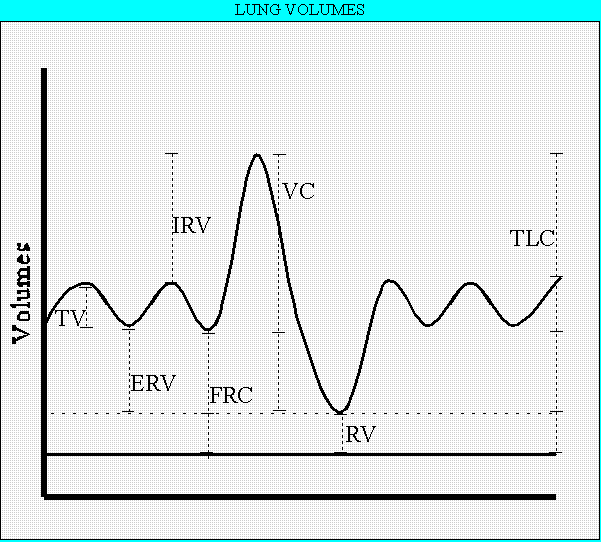
LUNG MEASUREMENTS:
- TIDAL VOLUME (TV): The volume of air inhaled during a normal inspiration.
- EXPIRATORY RESERVE VOLUME (ERV): The maximum volume of air that can be
exhaled after a normal expiration.
- INSPIRATORY RESERVE VOLUME (IRV): The maximum volume of air that can be
inhaled after a normal inspiration.
- VITAL CAPACITY (VC): The maximum possible volume of air that one can expire in a single
breath, after having taken a maximal inspiration.
- Or: The sum of the Tidal Volume, Inspiratory Reserve Volume, and Expiratory Reserve
Volume.
- RESIDUAL VOLUME (RV): The volume of air that remains in the lungs after a maximal
expiration. It is the air that remains in the lung basically no matter what you do unless the lungs
collapse.
- This is normally about 20% of Total Lung Capacity.
- TOTAL LUNG CAPACITY (TLC): Defined as the Vital Capacity plus the Residual Volume.
- "Capacity" indicates that it is actually the sum of two separable volumes.
PULMONARY FUNCTION STUDIES:
- FEV-1: Forced Expiratory Volume in one second. The maximum volume of air that can be
exhaled during the first second of a forced vital capacity (FVC).
- In a normal individual, the FEV, is 80% of the FVC.
- In COPD the FEV1 is markedly reduced.
- FVC: Forced Vital Capacity. One of many pulmonary function tests. The patient makes a full
inspiration, and then exhales as hard and fast as possible into a spirometer. This expired volume
is designated as the FVC.
| Measurement |
Restrictive Lung Disease |
Obstructive Lung Disease |
| FVC: Forced Vital Capacity |
Decreased |
Normal or Decreased |
| FEV1 / FVC ratio |
Decreased |
Decreased markedly |
| RV: Residual Volume |
Normal or increased |
Increased (barrel chest) |
| TLC: Total Lung Capacity |
Decreased markedly |
Normal or increased |
| Diffusion Capacity |
Decreased |
Decreased |
CONGENITAL DISORDERS:
- CONGENITAL CYSTIC ADENOMATOID MALFORMATION: A congenital anomaly
in which the lung parenchyma is converted into multiple gland-like spaces lined by bronchiolar
epithelium that are separated from each other by loose fibrous tissue, usually affecting one lobe
of lung, and occasionally associated with other congenital anomalies
- EXTRA LOBAR SEQUESTRATION: A mass of lung tissue that is not connected to the
bronchial system and is located outside of the visceral pleura.
- INTRALOBAR SEQUESTRATION (probably acquired, not congenital) is a mass of
lung tissue not connected to the bronchial system, within the visceral pleura.
DISEASE of BRONCHI and BRONCHIOLES:
- INFECTIONS
- IRRITANT GASES
- BRONCHIAL OBSTRUCTION and ATELECTASIS:
- ATELECTASIS: Collapse of a previously inflated lung, or incomplete expansion of the
lung. This reduces oxygenation and predisposes to infection.
- BRONCHIECTASIS: Irreversible dilatation of the bronchi, which can be caused by many
conditions.
BACTERIAL PNEUMONIA: Inflammation and consolidation of the pulmonary parenchyma.
- TYPES OF PNEUMONIA
- By type of infiltrate: This distinction is outdated and not so important anymore
- Lobar Pneumonia: Streptococcus Pneumoniae. Consolidation of an entire lobe or
most of it.
- Bronchopneumonia: Scattered foci of consolidation. Most other bugs.
- By where it is acquired:
- Community-Acquired: Strep, Staph, H. Flu
- Nosocomial: Pseudomonas
- Opportunistic (Immunocompromised)
- Factors that predispose to pneumonia:
- Loss of cough reflex (coma, anesthesia)
- Viral Pneumonia (loss of ciliary carpet)
- Interference with phagocytic function -- smoke and alcohol.
- Pulmonary edema or congestion
- Accumulated secretion, Cystic Fibrosis.
- Complications:
- ABSCESS FORMATION: Most common in Gram-negative pneumonias, which you can
get from aspiration of bugs from mouth (poor dentition), or comatose state.
- Post-Pneumonia Abscess Formation: commonly occurs from three community-acquired bugs:
- Staph Aureus
- Klebsiella
- Type-III Pneumococcus
- Empyema: Pus in the pleural space.
- Organization and residual fibrosis.
- Dissemination to other organs
- Pleuritis, pleural effusion
- The bugs
- PNEUMOCOCCAL PNEUMONIA
- KLEBSIELLA PNEUMONIA
- STAPHYLOCOCCAL PNEUMONIA
- STREPTOCOCCAL PNEUMONIA
- GRAM-NEGATIVE OPPORTUNISTIC PNEUMONIAS
- E. COLI
- PSEUDOMONAS AERUGINOSA
- LEGIONELLA PNEUMONIA: Pneumonia caused by a Gram-negative intracellular
bacteria, Legionella pneumophila.
- CLINICAL: This bacteria may cause a mild, self-limited fever in otherwise healthy
individuals, or a severe pneumonia in smokers, the elderly, or individuals with chronic
lung disease.
- Mortality is high (10-20%) in immunocompromised patients.
- PSITTACOSIS: Ornithosis. A self-limited pneumonic illness transmitted to humans from
birds.
- CLINICAL: Characterized by severe systemic symptoms and surprisingly few
respiratory symptoms other than cough.
- MYCOPLASMA: Atypical pneumonia or "Walking Pneumonia."
- PATHOLOGY: Characterized by peribronchiolar infiltrates of lymphocytes and plasma
cells.
- CLINICAL: It causes an acute self limited lower respiratory tract infection (tracheo-bronchitis and pneumonia), affecting mostly children and young adults.
VIRAL PNEUMONIA:
- AT-RISK: Children and immunocompromised patients.
- HISTOLOGY: It differs from bacterial pneumonia.
- You find two things:
- Chronic interstitial pneumonia. Interstitial infiltrates thickened by lymphocytes.
- Diffuse Alveolar Damage (DAD)
- You must identify viral inclusions to prove it is a viral infection.
- CYTOMEGALOVIRUS (CMV) PNEUMONIA: A viral infection which, like most viral
pneumonias, produces an interstitial pneumonitis or DAD.
- HISTOLOGY: Large cell with both nuclear and cytoplasmic inclusions. Large blue nucleus
with halo (Owl-Eye Cells) can be seen.
- CLINICAL: Children, or immunocompromised adults. Common in AIDS patients.
TUBERCULOSIS: MYCOBACTERIUM TUBERCULOSIS
- MANIFESTATIONS:
- Primary Tuberculosis: Initial infection. May be asymptomatic and usually resolves.
- Miliary Tuberculosis: Tuberculosis that has spread through the blood, either through the
lung, or disseminated to other places in body.
- Infection-Immunity: Once you get Tb, you always have it, and you are then immune to
reinfection.
- Ghon Complex: Combination of granulomas found in lung, plus hilar lymphadenopathy, both
identifiable on X-Ray.
- RESISTANCE: Multiple Drug-Resistant (MDR) Tuberculosis is a big problem. High
mortality rate, and you can go to jail for not taking your drugs.
FUNGAL INFECTIONS
- HISTOPLASMOSIS: HISTOPLASMA CAPSULATUM
- GEOGRAPHIC LOCATION: Midwest, Ohio valley
- INFECTION: Histoplasma is found in CHICKEN SHIT.
- PATHOPHYSIOLOGY: Acute Histoplasmosis is most similar to tuberculosis in its
histology and pathophysiology.
- Pulmonary Infection will leave little caseating granulomas that can be silent in
immunocompetent patients, and that eventually calcify.
- Histoplasma live intracellular, inside alveolar macrophages. This is their route of
dissemination, hence primary sites of dissemination are reticuloendothelial.
- HISTOPLASMOMA: Isolated immunocompetent mass of yeast, often growing in
a previously formed cavitation.
- BLASTOMYCOSIS: BLASTOMYCES DERMATIDES
- GEOGRAPHIC LOCATION: The southeast, Tennessee valley.
- MORPHOLOGY: Big yeasts with broad-based budding.
- PATHOPHYSIOLOGY: Blasto also has huge conidia, but in yeast form it is primarily
extracellular rather than intracellular.
- It forms uncalcified granulomas in the lungs in immunocompetent people. These
granulomas are similar to the cutaneous ones formed by Sporothrix.
- Response can be both suppurative and granulomatous, even in the same infection, in
the lung.
- COCCIDIOMYCOSIS: COCCIDIODES IMMITIS
- INFECTION: Initial infection is also pulmonary, and calcified granulomas are formed.
- PATHOPHYSIOLOGY:
- VALLEY FEVER: It forms valley fever and is found in the desert southwest. This
is usually self-limiting.
- Usually infects the lung, but it can also infect the skin.
- MORPHOLOGY: Forms a tissue cyst similar to Toxoplasma Gondii. Little spherules filled
with yeast.
- Spherules usually do not provoke an inflammatory response until the cyst ruptures.
- CRYPTOCOCCOSIS: Opportunistic yeast present in the soil and in pigeon droppings.
- CLINICAL: Varies from an asymptomatic infection to a severe life-threatening illness.
- PATHOLOGY: Histologic features vary depending on the patient's immune status; a
granulomatous reaction is usually seen in cases with an intact immune system.
- Yeast is unique in that the thick capsule stains bright red with mucin stains, a feature
that makes morphologic identification of the organism quite reliable.
- ASPERGILLOSIS:
- CLINICAL: Three different clinical presentations
- INVASIVE PULMONARY ASPERGILLOSIS: Occurs in immunocompromised
folks. Invades blood vessels.
- ASPERGILLOMA: Isolated immunocompetent cluster of mold. Often grows in
a previously formed cavitation.
- ALLERGIC BRONCHOPULMONARY ASPERGILLOSIS: Occurs in Asthmatics, characterized by transient pulmonary infiltrates and eosinophilia.
PNEUMOCYSTIC CARINII PNEUMONIA:
- CLINICAL: Typically occurs in immunocompromised patients.
- Symptoms range from asymptomatic to severe.
- HISTOLOGY: Histologically there is a prominent frothy foamy intra-alveolar exudate,
containing the organisms.
- The exudate is distinctive --acellular proteinaceous material in the airspaces. It is
"bubbly."
- Use silver stains to demonstrate the organisms themselves.
ACUTE INTERSTITIAL LUNG DISEASES:
- DIFFUSE ALVEOLAR DAMAGE (DAD, ARDS): Also known as Shock Lung.
- PATHOGENESIS: Injury to lung resulting in diffuse alveolar capillary damage. Characterized by interstitial inflammation and the accumulation of alveolar exudate.
- PATHOLOGY:
- EXUDATIVE PHASE: First week following the injury. Acute injury to epithelia
and endothelia cause necrosis and capillary leakage.
- Hyaline Membranes are prominent along the alveolar walls, consisting of fibrin,
plasma proteins and cell debris.
- Edema thickens the membranes. Edema peaks 1 day post injury.
- The air spaces are still apparent, but membranes are thickened.
- Interstitial inflammation begins.
- ORGANIZING PHASE: Proliferation of fibroblasts, and filling of airspaces with
fibrous debris.
- Interstitial inflammation peaks in the organizing phase: lymphocytes primarily,
with plasma cells and some histiocytes.
- Epithelial regeneration occurs: Type II Pneumocytes proliferate ------> Type-I
pneumocyte, in order to replace the damaged ones.
- CLINICAL FEATURES: Rapid onset of severe life-threatening respiratory insufficiency,
cyanosis, and severe arterial hypoxemia.
- RADIOLOGY: Early on, bilateral lung infiltrates, later progressing to complete white-out.
- MORTALITY: 50% on average. Frequently progress to Multisystem organ failure.
But it varies and depends on the cause.
- Multiple Causes: DAD is the common end to many etiologies.
- OXYGEN: Oxygen damage is an important causes of DAD. Oxygen toxicity.
- SHOCK
- DRUG-INDUCED: Bleomycin, chemotherapeutic agent, can cause DAD
- RADIATION PNEUMONITIS
- PARAQUAT
- RDS of the NEWBORN
- BRONCHIOLITIS-OBLITERANS ORGANIZING PNEUMONIA (BOOP):
- PATHOLOGY: Polypoid plugs fill bronchiolar and alveolar airspaces. Distinct in that it
involves the airspaces.
- CAUSES:
- Infections (viral and bacterial)
- Inhaled toxins and drugs
- Idiopathic
- Associated with collagen vascular disease
- CLINICAL FEATURES: Patients improve gradually. Steroids help.
- ACUTE INTERSTITIAL PNEUMONIA (HAMMAN-RICH SYNDROME): Idiopathic
fulminant pulmonary fibrosis.
- PATHOLOGY: Resembles the Organizing Stage of DAD histologically.
- Differs from UIP in that it is acute and rapidly progressive. Should not be characterized with UIP.
- CLINICAL:
- Affects young adults who present with flu-like symptoms of rapid onset
- Prognosis is grave.
PULMONARY HEMORRHAGE SYNDROMES: Mostly rare diseases
- GOODPASTURE SYNDROME:
- PATHOGENESIS: It is caused by a circulating cytotoxic autoantibody to basement
membranes. It affects the lungs and kidneys:
- Proliferative, rapidly aggressive glomerulonephritis. Type-II cytotoxic antibody
hypersensitivity.
- DAD and massive hemorrhage in lungs.
- CLINICAL: This disease typically occurs in young men and is treated by administration
of corticosteroids, cytotoxic drugs, and plasmapheresis (plasma exchange to remove
antibodies)
- Alveolar hemorrhage leads to hemoptysis, which can be life-threatening.
- Prognosis is correlated with the degree of involvement of the kidney.
- IDIOPATHIC PULMONARY HEMOSIDEROSIS: Similar to Goodpasture Syndrome, but
no renal disease or anti-BM antibodies.
- CLINICAL: Occurs in children younger than 16 years.
- PATHOLOGY: Characterized by diffuse alveolar hemorrhage similar to Goodpasture
Syndrome.
- WEGENER'S GRANULOMATOSIS: Systemic necrotizing vasculitis.
- PATHOGENESIS: Unknown etiology.
- PATHOLOGY: Characterized by granulomatous lesions of the upper and lower respiratory
tract (nose, sinuses, and lungs) and renal glomerular disease.
- Acute, necrotizing granulomas of nose, sinuses, and lungs.
- Necrotizing Vasculitis of small and medium arteries.
- Focal or diffuse necrotizing glomerulonephritis.
- Anti-Neutrophilic Cytoplasmic Antibodies (ANCA) are almost always found in
the blood.
- HISTOLOGY: Geographic, irregular outline of necrotic area is characteristic.
- CLINICAL: Most prevalent in age 50's.
- TREATMENT: Immunosuppressant cyclophosphamide. It produces improvement
in prognosis and both complete remission and substantial disease free intervals are
induced in most patients.
- ALLERGIC ANGIITIS and GRANULOMATOSIS (CHURG-STRAUSS SYNDROME):
- PATHOGENESIS: Systemic vasculitis involving both systemic and pulmonary circulation.
- CLINICAL: Occurs almost exclusively in people with asthma.
- Peripheral blood eosinophilia is seen, so this could also be considered a form of
pulmonary eosinophilia.
- DRUG-INDUCED REACTIONS: Drugs can cause a variety of pulmonary problems
-- almost all of the eosinophilic, acute and chronic interstitial, and even obstructive
diseases can be precipitated by drug reactions.
Other Rare Pulmonary Syndromes:
- BRONCHOCENTRIC GRANULOMATOSIS:
- PATHOLOGY: Granulomatous and necrotizing lesions of the bronchioles. Eosinophilia
is found.
- LIPID PNEUMONIA
- ENDOGENOUS: Due to bronchial obstruction.
- EXOGENOUS: Due to aspiration of oils like mineral oil.
- PULMONARY ALVEOLAR PROTEINOSIS:
- PATHOLOGY:
- Characterized radiographically by diffuse pulmonary opacification
- Characterized histologically by accumulation of intra-alveolar dense granular material
that contains abundant lipid and PAS positive material.
- CLINICAL: Patients present with nonspecific respiratory difficulty and may have a variable
clinical course.
PULMONARY EOSINOPHILIAS: Patchy infiltrates occurring with Eosinophilia of blood and/or
sputum.
- EOSINOPHILIC PNEUMONIA: Divided into three main groups, all having the same histology.
- SIMPLE EOSINOPHILIC PNEUMONIA (LOEFFLER SYNDROME): Usually mild
self-limited disease that resolves spontaneously.
- Lung Biopsy is usually unnecessary.
- TROPICAL EOSINOPHILIC PNEUMONIA: Pneumonia caused by filarial infections.
Responds well to antifilarial drugs.
- Lung biopsy is usually unnecessary.
- CHRONIC EOSINOPHILIC PNEUMONIA:
- PATHOGENESIS: Usually associated with chronic asthma, peripheral blood
eosinophilia and elevated IgE.
- CLINICAL FEATURES: Variable, ranging from mild to severe.
- Steroids work well, but recurrences may occur.
- CAUSES:
- Drugs
- Fungal hypersensitivity
- Parasites
- Inhalents
- Idiopathic
- PULMONARY EOSINOPHILIC GRANULOMA (HISTIOCYTOSIS X):
- PATHOLOGY: There is no blood or sputum eosinophilia.
- Histiocytes proliferate to form patchy nodular interstitial lesions. The infiltrate is
composed of a variable mixture of histiocytes (Langerhans cells) and eosinophils, as
well as occasional plasma cells and lymphocytes.
- LANGERHANS CELL is the characteristic cell, a histiocyte. It contains a bland,
folded or indented nucleus, an inconspicuous nucleolus, and abundant eosinophilic
cytoplasm with indistinct cell borders.
- In active lesions, Langerhans cells are numerous and occur in clusters.
- Electron microscopy of Langerhans cells demonstrates the characteristic Birbeck
granules.
- These cells stain positively with S100 protein stain (an immunoperoxidase
stain).
- LANGHANS GIANT CELL is a horse-shoe like pattern of giant-cells seen
in granulomas -- not the same as langerhans giant cells.
- CLINICAL: Patients may present with cough and dyspnea, or they may be asymptomatic.
- EPIDEMIOLOGY: Presents in young (age 30) individuals, and associated with heavy
smoking.
- Radiographically, there are multiple nodules distributed throughout both lungs.
- Prognosis for the disease is quite good.
- ALLERGIC BRONCHOPULMONARY ASPERGILLOSIS: Hypersensitivity to Aspergillus
as well as other molds.
- Type I (IgE) and III (immune complex) hypersensitivity are included. Some think Type
IV (CMI) hypersensitivity also occurs.
- Responds well to steroid therapy.
- ALLERGIC ANGIITIS and GRANULOMATOSIS (CHURG-STRAUSS SYNDROME)
- BRONCHOCENTRIC GRANULOMATOSIS
- MUCOID IMPACTION of the BRONCHI
OBSTRUCTIVE PULMONARY DISEASES:
- CHRONIC OBSTRUCTIVE PULMONARY DISEASE (COPD): Characterized by decreased
expiratory flow in the airways of the lung.
- CLINICAL: This is a physiological definition, diagnosed on the basis of pulmonary function
studies.
- Diseases:
- Emphysema and chronic bronchitis are always included.
- Asthma and bronchiectasis are often included in the definition.
- SMALL AIRWAYS DISEASE: Alterations in the distal small airways are probably the
earliest abnormalities in COPD. This can result in early chronic airway obstruction.
- CHRONIC BRONCHITIS: Presence of a chronic productive cough without a discernible
cause for at least 3 months out of the year, for 2 successive years.
- CLINICAL: The disease is diagnosed based on clinical criteria, as opp. to Emphysema
which is an anatomic diagnosis.
- RISK-FACTORS:
- Cigarette smoking is most important cause
- Air pollution, SO2, NO2 are also factors.
- COMPLICATIONS: Bacterial (H. Influenzae and Strep. Pneumoniae) and viral (RSV,
Adenovirus) exacerbations can occur.
- Chronic Bronchitis can lead to pulmonary hypertension ------> Cor Pulmonale.
- PATHOLOGY: Hypersecretion of mucus in response to chronic injury.
- Hypertrophy and Hyperplasia of submucosal glands.
- Mucous and goblet cell metaplasia and hyperplasia. Goblet cells are normally 1:20
cells of bronchial epithelium, but they can become as prevalent as 1:1.
- Can also serous ------> mucous metaplasia, indicative of chronic inflammation.
- REID INDEX can be used to quantify the degree of hypertrophy seen in bronchitis.
- It is the ratio of the thickness of the submucosal glands divided by the thickness of
the bronchial wall
- The Reid index normally is less than 0.4, but in chronic bronchitis the Reid index is
increased to 0.6 or 0.7.
- EMPHYSEMA:
- PATHOGENESIS: Abnormal permanent enlargement of the air spaces distal to the
terminal bronchiole, accompanied by destruction of their walls.
- Destruction of alveolar walls is a necessary finding to diagnose emphysema, otherwise
the condition is called Hyperinflation.
- PROTEASE-ANTIPROTEASE HYPOTHESIS: A theory that emphysema results
from an imbalance between proteases (mainly elastase) and antiproteases in the lung.
- In the lung, elastases are released from neutrophils and alveolar macrophages,
thus any inflammatory process is likely to offset the Protease:Antiprotease
balance.
- SUBTYPES:
- CENTRILOBULAR EMPHYSEMA: Enlargement and destruction of the
respiratory bronchioles, center part of the lobe, sparing of the distal parenchyma
(furthest away from the bronchiole and closer to septum).
- Most common type, related to smoking, and frequently involving upper lung
zones.
- Centrilobular may progress to Panacinar Emphysema in chronic cases.
- PANACINAR (PANLOBULAR) EMPHYSEMA: The entire acinus is uniformly
involved, primarily in the lower zones of the lung, with destruction of alveolar septa
from the center to the periphery.
- CLINICAL: Typically occurs in lower lung zones. Associated with alpha1-Antitrypsin Deficiency, rarely, or more commonly as a complication of Centrilobular Emphysema.
- LOCALIZED (PARASEPTAL) EMPHYSEMA: Localized right next to the
septum. Usually asymptomatic.
- Complications: Can present as spontaneous pneumothorax or bullous disease
of the lung in young adults.
- IRREGULAR (PARACICATRICIAL) EMPHYSEMA: Emphysema forming
around localized areas of previous scarring (cicatrix).
- PATHOLOGY: Characterized by enlarged airspaces containing anthracotic pigment.
- BULLA: Large subpleural airspaces of air measuring 1-2 cm in diameter.
- CLINICAL: Most prevalent in male smokers.
- May be asymptomatic early on, and often does not become disabling until 50's - 80's.
- alpha1-ANTITRYPSIN DEFICIENCY:
- PATHOGENESIS: Genetic defect , product of two alleles on Chrom #14. Dominant
phenotypic expression.
- alpha1-Antitrypsin inhibits the proteolytic actions of trypsin, elastase in the
lung, and collagenase.
- Deficiency results in panlobular emphysema due to the unchecked action of
elastase in the lung.
- PHENOTYPES: Protease Inhibitor (PI, same as alpha-Antitrypsin) has three:
- PI-MM: Normal wild-type 95%
- PI-MZ: Heterozygote (deficient PI) 3-5%
- PI-ZZ: Homozygote (no PI) <1%
- PI-MZ is associated with an increased risk for emphysema, and at a younger age,
only if the patient is a smoker. Non-smokers who are PI-MZ are not at
increased risk.
- ASTHMA
- PATHOGENESIS: Tracheo-bronchial hyperreactivity, leading to paroxysmal airway
narrowing.
- HISTOPATHOLOGY:
- Thickening of basement membranes
- Eosinophilic inflammation, and edema in the walls of the bronchi.
- Smooth muscle hypertrophy
- Prominent mucous plugs.
- Desquamation of bronchial epithelium and metaplasia may occur.
- CLINICAL FEATURES: Wheezing, dyspnea, cough.
- EPIDEMIOLOGY: 10% of children are effected, 5% of adults.
- TREATMENT:
- beta-Adrenergics
- Corticosteroids, either inhaled (common) or systemic (only in severe cases)
- Methylxanthine
- Anti-Cholinergics
- SUBTYPES:
- Traditional Categorization:
- Extrinsic Asthma: Allergic, associated with increased IgE and Eosinophilia.
- Intrinsic Asthma: Non-allergic.
- New Categorization, by cause:
- ALLERGIC (IgE Type-I hypersensitivity)
- INFECTIONS
- EXERCISE-INDUCED
- OCCUPATIONAL
- DRUG-INDUCED
- AIR POLLUTION
- EMOTIONAL FACTORS
- STATUS ASTHMATICUS: Severe acute asthma which does not respond to treatment
and persists (for days or weeks). In rare instances, acute episodes can result in death.
PNEUMOCONIOSES: Lung diseases caused by exposure to particulate matter (dust particles)
- PATHOGENESIS: Inhaled dust particles are able to stimulate fibrosis in the lung, resulting in
damage.
- RISK-FACTORS: Particle-size, length of exposure, and individual susceptibility also play
a role.
- Disease has characteristics that are both interstitial and obstructive -- fibrosis in the
interstitium, and inflammation in the airspaces.
- SILICOSIS: A pneumoconiosis caused by the inhalation of silicon dioxide (silica), usually in
crystalline form as quartz. Two forms of silicosis exist:
- Simple nodular silicosis.
- Progressive massive fibrosis.
- CAPLAN SYNDROME: Coexistence of rheumatoid arthritis and a pneumoconiosis.
- COAL WORKERS' PNEUMOCONIOSIS: Exposure to coal dust.
- CLINICAL OUTCOME / PATHOGENESIS: Multiple types, from asymptomatic to
complicated.
- Asymptomatic Anthracosis: "Anthracosis" specifically refers to an asymptomatic
pneumoconiosis.
- Simple coal-workers pneumoconiosis. Characterized by coal macules and nodules
containing carbon-laden macrophages, with little or no pulmonary dysfunction
- Complicated coal-workers pneumoconiosis: Progressive massive fibrosis, which
is black scars in the lungs causing compromised pulmonary function.
- ASBESTOS-RELATED DISEASES
- PLEURAL PLAQUE
- PLEURAL EFFUSION
- ASBESTOSIS (PULMONARY PARENCHYMAL INTERSTITIAL FIBROSIS)
- PATHOLOGY: Interstitial fibrosis of varying severity.
- Asbestos Bodies can be seen -- asbestos fibers coated by iron, containing
proteinaceous materials.
- BRONCHOGENIC CARCINOMA
- MALIGNANT MESOTHELIOMA: See Pleura section. Only malignant mesothelioma
is related to asbestos -- not benign mesothelioma.
- BERYLLIOSIS: Lung disease from inhalation of Beryllium
- ACUTE EXPOSURE: Acute pneumonitis
- CHRONIC EXPOSURE: Cell-mediated immunity ------> non-caseating granulomas in
lungs, hilar lymph nodes, and sometimes RES organs.
- Maybe asymptomatic for years.
- TALCOSIS
INTERSTITIAL LUNG DISEASES: Those diseases which occur primarily in the interstitium (alveolar
walls), rather than the alveolar spaces (which is predominantly obstructive lung diseases).
- HYPERSENSITIVITY PNEUMONITIS:
- PATHOGENESIS: Immunologic lung disease. Type III and IV hypersensitivity. Three
categories of allergens are responsible.
- Thermophilic actinomyces
- Molds
- Animal proteins
- CLINICAL: May be acute or chronic. Individual diseases are given names reflecting
circumstances of exposure.
- Usually there is an associated allergen, which is obvious to the patient.
- PATHOLOGY: Similar to chronic interstitial pneumonitis.
- Non-necrotizing granulomas in the interstitium.
- Macrophages.
- FARMER'S LUNG: Hypersensitivity pneumonitis caused by exposure to moldy hay,
typically occurring in farmers.
- SARCOIDOSIS: Chronic systemic granulomatous disease.
- PATHOGENESIS: Unknown etiology.
- PATHOLOGY: Non-caseating granulomas occur in almost any organ of the body.
- The lung is the most frequently involved organ, and histologically one may see multiple
non-caseating granulomas scattered in the interstitium of the lung.
- Tends to show a peribronchiolar distribution, following lymphatic pathways.
- CLINICAL: Clinical presentation is variable. Often presents with pulmonary problems but
not always.
- EPIDEMIOLOGY:
- Peak age 20-40 years old.
- More common in blacks than whites (15:1), and more common in women.
- DIAGNOSIS
- Radiograph: Bilateral infiltrates with hilar lymphadenopathy (Ghon's Complex),
which may imitate Tuberculosis.
- Angiotensin Converting Enzyme (ACE) is elevated in Sarcoidosis patients.
- Tissue biopsy is often needed.
- NECROTIZING SARCOID GRANULOMATOSIS: A rare variant of sarcoidosis, that
has vasculitis and focal parenchymal necrosis, as well as the characteristic sarcoid
granulomas.
- CLINICAL: This disease responds well to steroids and has an excellent prognosis.
- USUAL INTERSTITIAL PNEUMONIA (UIP): Pathologically, UIP is an
- PATHOGENESIS: Thought to be immunological basis.
- High comorbidity with autoimmune disorders like RA, SLE, Scleroderma, Hashimoto's Thyroiditis.
- PATHOLOGY: Interstitial inflammation and fibrosis.
- The single most important histologic finding that separates UIP from other interstitial
pneumonias is the marked variation from field to field in degree of lung involvement
and also in the nature and appearance of the cellular infiltrate.
- Predominant cell type is the lymphocyte.
- CLINICAL FEATURES: Progressive respiratory insufficiency. Begins insidiously with
gradual onset of dyspnea and cough.
- Chest X-Ray will show bilateral infiltrates, which may progress to white-out.
- DESQUAMATIVE INTERSTITIAL PNEUMONIA (DIP): Second-most common chronic
interstitial pneumonitis.
- PATHOGENESIS: Unknown etiology.
- PATHOLOGY: Characterized histologically by the accumulation of numerous macrophages
in alveolar spaces, as well as interstitial abnormalities.
- As compared to UIP, DIP has a more uniform appearance.
- CLINICAL: Patients usually present with slow onset of cough and dyspnea.
- Patients generally of a younger age group and have better prognosis.
- Radiographic findings include bilateral lower lobe ground glass infiltrates.
- Patients often respond to steroid therapy, and DIP has a more favorable prognosis
and better response to steroid therapy than UIP.
- DIP is milder than UIP and may represent a very early stage of UIP
- LYMPHOID INTERSTITIAL PNEUMONIA (LIP): Rare.
- PATHOLOGY: Characterized by a dense and diffuse interstitial infiltrate of lymphocytes,
plasma cells and histocytes, that are histologically benign, polymorphous and polyclonal.
- CLINICAL: LIP may be difficult to distinguish from a well-differentiated lymphocytic
lymphoma.
- HONEYCOMB LUNG: End-stage fibrotic lung, found in many different interstitial lung
diseases.
- PATHOLOGY: This is the final common pathway for most interstitial lung diseases, both
acute and chronic.
- The lungs become solid with alternating areas of fibrosis and cysts. The cysts occurs
from restructuring of the distal airspaces.
- RESTRICTIVE LUNG DISEASE: General term referring to a group of diffuse pulmonary
diseases characterized by inability for the lung to expand, yielding decreased total lung capacity.
- Kyphoscoliosis: Chest wall disorders in the presence of normal lungs can result in this
condition.
- Any of the acute or chronic interstitial/infiltrative lung diseases, such as DAD, pneumoconiosis, UIP, etc., can result in this disorder.
PULMONARY HYPERTENSION:
- PRIMARY HYPERTENSION: Rare condition, typically occurring in young women.
- SECONDARY HYPERTENSION: Secondary to other conditions such as COPD, congenital
or acquired heart disease, etc.
BENIGN LUNG TUMORS:
- CARCINOID TUMOR: Neuroendocrine tumor secreting serotonin. Low-grade malignancy.
- PATHOLOGY: Carcinoid is on the benign end of the neuroendocrine tumors.
- THREE TYPES:
- CENTRAL: 90% of cases
- Peripheral
- Atypical
- Gross Appearance: It looks distinctively yellow, rather than white (as in most other
tumors).
- HISTOLOGY: Uniform, monotonous-looking cells.
- CLINICAL: Good prognosis. 90% 5-yr survival.
- Generally occurs in younger age group (avg age 45 years) than bronchogenic
carcinoma
- Symptoms: skin flush, cyanosis, diarrhea.
- PULMONARY HAMARTOMA: Usually Peripheral in location.
- PATHOLOGY: A benign localized proliferation of normal tissue components -- hyaline
cartilage containing cleft like spaces lined by respiratory epithelium
- Occasionally there may also be fibrous tissue, fat, and blood vessels.
- CLINICAL: Pulmonary hamartomas are relatively common lesions which usually are
discovered as an incidental finding on routine chest x-ray.
- THYMOMA: A mediastinal tumor (of thymus) most frequently occurring in the anterior
mediastinum.
- CLINICAL: Peak incidence in the 5th decade of life.
- Associated diseases include myasthenia gravis, red cell hypoplasia and hypogammaglobulinemia.
- Most thymomas are slow growing with a relatively benign clinical behavior, unless
they are invading or impinging on surrounding structures.
- BRONCHOGENIC CYST:
- PATHOLOGY: A benign cyst, most frequently located in the middle or anterior mediastinum, or in the lung.
- The cyst is lined by respiratory epithelium and the wall of the cyst contains muscle
and cartilage.
- CLINICAL: It may present in childhood with respiratory distress due to compression and
atelectasis, or recurrent infections; it rarely may be an incidental finding in adults.
MALIGNANT LUNG TUMORS:
- EPIDEMIOLOGY: General clinical properties of lung cancer
- PROGNOSIS: Overall 5-yr survival is 8-10%. Bad prognosis!
- TREATMENT: Surgical resection where possible, but the patient must qualify as a good
candidate for surgery.
- QUALIFICATIONS: Only 20-30% of patients wind up being viable candidates for
surgery.
- Patient must be able to withstand cardiopulmonary stress.
- No metastases can be present.
- EXCEPTION: Small Cell Carcinoma is not treated with surgery. It's treated with
chemotherapy.
- TUMOR CATEGORIES:
- CENTRAL: Originating from bronchioles greater than 1mm in diameter, and associated
with smoking.
- PERIPHERAL: Originating from lung parenchyma, airspaces less than 1mm in diameter,
and not associated with smoking.
- SQUAMOUS CELL CARCINOMA: CENTRAL
- PATHOGENESIS: Smoking leads to squamous metaplasia of broncho-alveolar cells,
which can then become transformed to squamous-cell cancer.
- Usually occurs in the upper lobe.
- PATHOLOGY: Four diagnostic histological features
- Keratin pearls and individual cell keratinization can be seen, with inter-cellular
bridges.
- Individual Keratinization of cells.
- Intracellular Bridges
- CLINICAL FEATURES: Closely associated with cigarette smoking.
- Hypercalcemia is a common paraneoplastic syndrome, resulting from tumor-secretion of PTHRP (PTH-Related Peptide).
- Hemoptysis is unique to this tumor among the lung cancers.
- Used to be the most common cancer, now on the decline.
- COMPLICATIONS:
- SUPERIOR VENA CAVA SYNDROME occurs if the tumor obstructs the SVC,
leading to engorgement of head and neck.
- PANCOAST TUMOR / SYNDROME: Apical lung tumor impinges on 8th cervical
or 1st or 2nd thoracic nerves, causing neuralgias.
- This results in shoulder pain radiating in an ulnar distribution down the arm
(Pancoast syndrome).
- A Pancoast tumor may also involve the cervical sympathetic nerves and cause
Horner syndrome (enophthalmos, ptosis and miosis).
- ADENOCARCINOMA: PERIPHERAL -- and not closely associated with smoking.
- EPIDEMIOLOGY: Becoming more common, and may surpass Squamous Cell Carcinoma
as the most common lung cancer.
- PATHOLOGY:
- FOUR TYPES of Adenocarcinoma based on histology: all four types stain positive
for mucin.
- ACINAR: Well differentiated "back-to-back" acinar glands.
- SOLID: Poorly differentiated. This is also a type of LARGE CELL CARCINOMA.
- PAPILLARY: Rare, finger-like projections.
- BRONCHO-ALVEOLAR: Originating from the bronchioles. Also see
BRONCHO-ALVEOLAR CARCINOMA
- Stains positive for mucin, indicating the neuroendocrine secretions.
- Scar Carcinoma: Outdated term. Adenocarcinomas are associated with pleural
scarring. The tumor actually probably originates from a desmoplastic reaction at the
scar borders.
- CLINICAL: It is rapidly becoming the most common cancer. Prognosis depends on the
stage.
- BRONCHIOLO-ALVEOLAR CARCINOMA: Subtype of adenocarcinoma, arising in
terminal bronchioles or alveoli on the walls.
- PATHOLOGY: Solitary mass, multiple lobules, or diffuse infiltrate resembling
pneumonia.
- Underlying pulmonary architecture is preserved.
- Tumor cells (cuboidal and columnar epithelium) grow along bronchiolar walls.
- CLINICAL: Occurs equally in males and females.
- ADENOSQUAMOUS CARCINOMA: Rare tumor, has features of both adeno and squamous
cell carcinoma.
- PATHOLOGY: Large bulky peripheral tumors.
- CLINICAL: Studies indicate that this mixed tumor is more aggressive than either of the
other pure carcinomas.
- SMALL CELL CARCINOMA: CENTRAL. Small cell carcinomas are on the malignant end
of the neuroendocrine tumors, i.e. a malignant Carcinoid tumor. The tumor is fast-growing and
highly malignant.
- THREE TYPES based on histological classification:
- Oat Cell: Smallest cells.
- Intermediate: Large cells.
- Combined: Small cell carcinoma, combined in the same tumor with adenocarcinoma
or squamous carcinoma.
- PATHOLOGY: Characterized by sheets of small blue tumor cells, with virtually no
cytoplasm.
- To diagnose, you can also look for neurosecretory granules on EM.
- CLINICAL FEATURES: Traditionally has male predominance. Females are catching up,
but males still predominate by 5:1.
- Most patients already have metastatic disease at the time of diagnosis; hence,
chemotherapy is the usual treatment for this tumor (rather than surgical resection).
- PARANEOPLASTIC SYNDROMES are very frequently found along with the
primary cancer.
- Tumors often secrete ACTH, leading to Cushing's Disease
- Tumors can secrete ADH, leading to Syndrome of Inappropriate ADH-secretion (SIADH).
- TREATMENT: Chemotherapy. This tumor grows too fast for surgery. Most of
the others are treated with surgery.
- LARGE CELL UNDIFFERENTIATED CARCINOMA: Wastebasket group. Tumor lacks
the histological features of any of the other categories.
- PATHOLOGY: They usually have a solid pattern and are composed of large malignant cells
having a moderate amount of cytoplasm. No evidence of squamous or glandular differentiation.
- RARE PULMONARY TUMORS
- CARCINOSARCOMA
- PULMONARY BLASTOMA
- METASTATIC TUMORS: Metastases to the lungs. It is the most common type of tumor to
be found in the lung.
- The metastatic tumors commonly originate from the liver or stomach.
- Often there is also lymphangiitis, or metastases that reached the lung through the lymphatic
system.
- Tumors usually have sharp borders.
PLEURA:
- PNEUMOTHORAX: Air in the pleural spaces.
- SPONTANEOUS PNEUMOTHORAX
- TRAUMATIC PNEUMOTHORAX
- IATROGENIC PNEUMOTHORAX
- PLEURAL EFFUSION
- HYDROTHORAX: Refers to a pleural effusion that resembles water (transudate).
- PLEURITIS
- SOLITARY FIBROUS TUMOR of the PLEURA
- MESOTHELIOMA
- BENIGN MESOTHELIOMA: Pleural Fibroma, does not produce a pleural effusion.
- MALIGNANT MESOTHELIOMA: Related to asbestos exposure.
- PATHOGENESIS: May arise from visceral or parietal pleura. Diffuse tumor invading
lung and spreading widely in the pleural space.
- CLINICAL: Associated with pleural effusion.
- EMPYEMA: A variant of pyothorax in which thick pus accumulates within the pleural cavity,
often with loculation and fibrosis.
PULMONARY EMBOLISM:
- PREDISPOSING CAUSES: Occurs only when the circulation is already inadequate
- Pre-existent heart or lung disease.
- Cancer
- Immobilization
- Hypercoagulable states.
- EFFECTS: Pulmonary emboli lead to 2 main effects
- Respiratory compromise due to under perfusion.
- Hemodynamic compromise due to increased resistance to pulmonary blood flow.
- CLINICAL: Patient will present with sudden onset of unexplained dyspnea.
- Hemoptysis and pleuritic chest pain will be present -- only if the embolus resulted in a lung
infarct.
Return to top