 Return to Pathology
PATHOLOGY TEST 1 STUDY SHEET
Download a copy of this study guide
 Return to top
CELL INJURY AND REPAIR
NORMAL -vs- ABNORMAL CELLS:
- Residual Bodies lysosomal waste vacuoles that are not excreted.
- Lipofuscin lysosomal waste material having a brown appearance.
AMYLOID: Heterogenous collection of fibrillar protein. Amyloid can be differentiated from hyaline
by its Congo Red stain. Amyloid will stain red with Congo Red and Hyaline won't.
APOPTOSIS: Programmed cell death that occurs normally in development. As opposed to Necrosis.
ATROPHY: Decrease in cell size and/or number.
- OSTEOPOROSIS = Atrophy of the bone matrix.
CALCIFICATION: Deposition of calcium salts in tissue
- Dystrophic Calcification: Abnormally necrotic tissue. Occurs in previously damaged tissue,
with normal Ca+2 levels.
- Metastatic Calcification: Calcification from hyperparathyroidism ------> hypercalcemia; or
from renal failure.
NECROSIS: Irreversible cell death. Necrosis has occurred if the cell membrane and nucleus are
destroyed.
- Types of Necrosis:
- Caseous Necrosis: Necrosis that looks like cheese. Found in tuberculosis and some fungal
diseases.
- It forms in response to intracellular pathogens such as Mycobacteria. It often is found
in association with granulomas.
- Coagulation Necrosis: Sudden cut off of blood supply to an organ, particularly heart or
kidney. It leads to pyknosis, karyolysis, and karyorrhexis.
- In kidney, you end up with a wedge-shaped contracted scar.
- Liquefaction Necrosis: Transformation of solid tissue into fluid.
- Sign of Necrosis:
- KARYOLYSIS: Irreversible cell death characterized by lysing of nucleus, due to action
of DNAase and RNASE.
- KARYORRHEXIS: Irreversible cell death characterized by fragmentation of the nucleus.
- PYKNOSIS: Irreversible cell death characterized by condensation of the nucleus and
clumping of chromatin.
DEATH: Cessation of normal body functions. Legally, brain-death, or loss of higher cortical function.
DYSPLASIA: Abnormal differentiation or maturation of tissue.
GANGRENE: Massive widespread ischemia.
- WET GANGRENE
- DRY GANGRENE: Mummification of tissue.
HEMOSIDERIN: Iron-containing pigment derived from hemoglobin.
- Hemochromatosis, Hemosiderosis: Accumulation of brown hemosiderin in liver.
- Primary Hemochromatosis: Innate metabolic defect.
- Secondary Hemochromatosis: Hemochromatosis secondary to Spherocytosis, Sickle Cell
Anemia, or immune reaction to blood transfusion.
- Hemosiderin is a by product of hemolysis of blood.
- Hemosiderin is normally present, in small amounts, in some tissues.
- Prussian Blue Reaction: Hemosiderin will show up by the Prussian Blue Reaction, indicating
the presence of iron inside granules.
HYALINE: MALLORY'S HYALINE: Keratin-like intracellular intermediate filaments that
accumulate in liver with alcoholism. Eosinophilic.
HYDROPIC SWELLING: Reversible cell injury characterized by an influx of water and sodium
chloride, and vacuolation of cytoplasm.
HYPERPLASIA: Enlargement of an organ due to increase in number of cells.
- Thyroid
- Prostate (Benign Prostatic Hyperplasia)
- Skin Warts, from Human Papilloma Virus (HPV)
- Childhood (not adult) obesity may play a role in hyperplasia.
HYPERTROPHY: Increase in size of an organ due to increased cell-size.
- Left Ventricular Hypertrophy from hypertension.
- Right Ventricular Hypertrophy originates from Left Ventricular Hypertrophy ------>
Pulmonary Hypertension (Cor Pulmonale) ------> Right Ventricular Hypertrophy.
LIPOFUSCIN: Indigestible lysosomal waste-products, which accumulate in old-age. Pigment-like
and rich in lipid.
LYSOSOMAL STORAGE DISEASES: Failure or incomplete digestion in lysosomes.
- VON GIERKE'S DISEASE: Glycogenosis.
- POMPE'S DISEASE: Abnormal accumulation of Glycogen in lysosomes due to acid maltase
deficiency.
METAPLASIA: Change from one cell type to another.
- Lung Metaplasia: Simple Columnar ------> Squamous. Pre-cancerous.
- Barrett Esophagus: Stratified Squamous ------> Intestinal
- Myocites: Muscle ------> Bone. Ossification.
PIGMENT: Any substance that has its own color. May be endogenous or exogenous.
- Bilirubin: Brown-red; heme-byproduct
- Hemosiderin: Brown' heme-byproduct
- Lipofuscin: Brown waste-product. Brown pigment in liver can by lipofuscin or hemosiderin.
- Biliverdin: Green; oxidized bilirubin.
- Prussian Blue Test: Test for the presence of heme. Brown pigment will turn to blue with this
test if heme is present.
PROGERIA: Disease characterized by early onset of aging. Has a genetic origin.
WERNER'S SYNDROME: Another aging disease, where a 25-yo man looks 80. Tight puckered
skin.
- Shows symptoms that are all related to aging: cataracts, deafness, diverticulitis, hypertension,
osteoarthritis.
VACUOLAR DEGENERATION: Dilation of organelles ------> accept fluid inside RER, maybe
in mitochondria. Accumulation of lipid and glycogen.
Return to top
INFLAMMATION
ABSCESS: Walled off, circumscribed cavity, filled with pus (Neutrophils).
Cardinal Signs of Inflammation:
- Rubor: Redness, from hyperemia (increased blood flow) and vasodilation.
- Dolor: Pain, from (1) swelling ------> stretch sensory receptors, and (2) inflammatory
mediators (bradykinins)
- Calor: Heat, but only if the inflammation is in extremities, because it comes from increased blood
flow to the periphery.
- Tumor: Swelling, from (1) inflammatory edema, and (2) Triple Response of Lewis
- Functio Laesa: Loss of function, from reflexional disuse due to main, and mechanical / structural
necrosis and/or healing.
ACUTE PHASE RESPONSE:
- ACUTE PHASE (HEAT-SHOCK) PROTEINS: Proteins produced early in inflammation,
usually by hepatocytes.
- Interleukin-6 (IL-6): This cytokine will incite the production of these proteins.
- Types of Responses:
- Fever
- Increased tendency to sleep
- Release of neutrophils into circulation from storage
- Increased ACTH and
- Vascular changes ------> hypotension and shock
CORTICOSTEROIDS: Cortisol. Antiinflammatory properties = inhibit Cyclooxygenase-2 and blocks
phospholipases in target-cell membrane.
MARGINATION: Leukocytes moving from the center of a vessel toward the periphery, in order
to effect the process of recruitment.
ADHESION MOLECULES: Molecules responsible for margination and diapadesis of granulocytes
into the extracellular matrix at the site of injury. They are expressed by inducible genes during the
amplification phase of inflammation.
- ICAM-1: Up regulated on endothelial cell surfaces, in response to cytokine mediators. Therefore
important in the process of recruiting lymphocytes to inflammatory site.
- INTEGRINS: Vital to genesis of the cellular phase of the inflammatory response. It is
instrumental to cell-cell and cell-matrix interactions among migrating cells.
- In particular, they increase adherence of leucocytes to endothelial-cell lining during
migration.
- SELECTINS: Lectin-like molecules that are important in the very initial reaction between
leukocytes and endothelia -- in the process of margination.
DIAPEDESIS: Transmigration of leucocytes from the vasculature into the extracellular space.
Involves adherence to endothelium, extension of psuedopodia between endothelial cells, and migration
between endothelial cells.
NITRIC OXIDE (EDRF, Endothelium-Derived Relaxin Factor):
- It is Inducible NO-Synthase -- not Constitutive -- that is responsible for inflammatory
vasodilation. Macrophages and Neutrophils will create lots of NO under the stimulation of the
inducidle form of the NOS gene.
OPSONISATION: Coating a bacterium or particle in order to facilitate its phagocytosis.
- C3b is an opsonin derived from the complement system.
- Immunoglobulins opsonise many bacteria, making them more easily phagocytosed, as
Neutrophils have receptors for the Fc (common) region of the Ig molecule. This extra binding
region facilitates higher affinity binding for the bacterium or foreign particle.
EDEMA:
- Non-Inflammatory Edema: Swelling by excessive hydrostatic pressure (hypertension) or loss
of oncotic pressure (hypoalbuminemia, gloerulonephritis, kwarshiorkor ------> ascites +
peripheral edema).
- Primarily serous TRANSUDATE (specific gravity < 1.015)
- NEPHROTIC SYNDROME: Loss of albumin ------> proteinuria ------> hypoalbuminemia ------> non-inflammatory edema.
- INFLAMMATORY EDEMA: Swelling, as an inflammatory response, resulting from cytokine-mediated increased vascular permeability, and anaphylaxis.
- A dense EXUDATE of some sort can be recovered from the fluid. Specific gravity > 1.015
- Fibrinous: Containing fibrin, of a finbrinous quality.
- Purulent: Containing pus, i.e. neutrophils.
- Suppurative: Containing large numbers of neutrophils, in conjunction with liquefactive necrosis.
- Sangiunous: Containing erythrocytes
- Serous: Of a watery quality, and containing few or no cells.
- POST-CAPILLARY VENULE: These vessels are the primary targets for increased vascular
permeability, via cytokines, by constricting endothelial cells.
Process of Inflammation:
- INITIATION: Ubiquitous proinflammatory enzymes are in the blood.
- Platelets produce inflammatory mediators
- Thromboxane-A2 (TXA2): Cleaves Prothrombin ------> Thrombin to induce clot
formation.
- Plasma Proteins: Complement proenzymes, kininogen.
- First vasoconstriction occurs, then vasodilation occurs later.
- AMPLIFICATION: What happens after initiation of the inflammatory response. Characterized
by:
- General properties:
- Local activation of precursors
- Autocatalytic feedback loops: Kallikrein has positive feedback on the proteolytic
activation of more Factor XII.
- Expression of inducible genes for production of Cyclooxygenase-2
- Upregulate expression of CAM molecules on the surface of tissue for recruitment of
leucocytes to the area
- FAILSAFE MECHANISMS: Two things are required for inducible genes to be
induced. This helps to assure that the inflammatory mediators are not released until
the cells have reachd the site of injury.
- Adhesion molecules must be present, an indication that the cells are out of the
blood stream and have reached tissue-injury site.
- Serum is require for some of the proenzyme. Serum is only present once a clot
has already occured.
- TERMINATION
- INHIBITORY MEDIATORS: IL-10 and TGF-beta have inhibitory properties.
- IL-4 and IL-5 also have antiinflammatory properties.
- Glucocorticoids in circulation are anti-inflammatory. They act by inhibiting the
expression of inducible genes.
Different Forms of Inflammation: This is really a continuum.
|
ACUTE |
CHRONIC |
| Vascular Changes |
Vasodilation
Increased permeability |
Minimal |
| Cellular Infiltrates |
Primarily neutrophils |
Mononuclear leukocytes,
macrophages |
| Stromal Changes |
Minimal
Edema and separation of layers |
Fibrosis, cellular proliferation,
scarring. |
- Acute: Common to find purulence (Neutrophils)
- Subacute or Chronic-Active: Intermediate between acute and chronic.
- Chronic: Find a lot of mononuclear leukocytes (macrophages), and associated with Granulomas.
- DISTRIBUTION
- Focal: Centered around a single source, such as a localized pathogen, local injury, or foreign
body.
- Multifocal: Cetered around multiple single sources.
- SECONDARY SYPHILLUS presents with multifocal dermatitis.
- Diffuse:
COMPLEMENT:
- Classical Pathway: Requires antibodies to activate.
- Will produce anaphylatoxins C3a, C4a, C5a.
- C4a is only produced by the classical pathway.
- Leads to formation of the MEMBRANE ATTACK COMPLEX: C5b,6,7,8,9 form a
lipid-soluble macroprotein that permeabalizes the bacterial membrane ------> rapid
bacterial cell lysis.
- Alternative Pathway: Does not require antibody to activate.
- Will produce anaphylatoxins C3a, C5a.
- Endotoxin triggers the alternative pathway but not the classical pathway. Endotoxin is
released by gram-neg bacteria.
- Anaphylatoxin:
- Examples of compounds:
- C3a:
- C4a:
- C5a: Very important inflammatory mediator. The most important iniator of acute
inflammatory response.
- Anaphylactic Properties: Vasodilation and increased permeability.
- Chemotactic Properties: Attract PMN's to the site of infection.
- Effects:
- Inducement of smooth muscle contraction.
- Increased vascular permeability.
- Degranulation of mast cells and basophils (IgE mediated)
- C3b: An Opsonin that binds to bacteria, making them easier targets for phagocytosis by
macrophages and neutrophils.
HISTAMINE:Vasoactive amine that increases vascular permeability. There are two histamine
receptors.
- H1-Receptor: More important in the induction of increased vascular permeability, by inducing
contraction of post-capillary venule endothelial cells.
- H2-Receptor: Found in stomach, and promotes secretion of acid in stomach.
EICOSANOIDS: Derivatives of Arachidonic Acid
- PROSTANOIDS: These metabolites are products of Cyclooxygenase.
- PROSTAGLANDINS: Have a wide variety of pro-inflammatory effects. PGH2 is the main
one.
- THROMBOXANES: TXA2 is produced in quantity by platelets, and is vasoconstrictive
and causes platelet aggregation. TXA2 is derived from cyclooxygenase.
- SERUM: Once you form an initial clot, that releases additional inflammatory
medikators that further accelerate the process; sort of a positive feedback effect.
- EFFECTS: Causes the formation of clots, and is a potent vasoconstrictor.
- CYCLOOXYGENASE (PGH-SYNTHASE): Enzyme creates the prostanoids. It has
two isoforms:
- PGHS-1: Constitutive PGH-Synthase is critical for low-level production of
prostaglandins to maintain homeostasis, such as maintaining gastric lining.
- PGHS-2: Inducible PGH-Synthase: Found in high concentration in leucocytes,
allowing them to produce large amounts of prostanoids at the site of infection, once
initiation has occured.
- ASPIRIN irreversibly inhibits Cyclooxygenase-2 (PGH-2), this inhibiting production
of prostaglandins (anti-inflammatory), and thromboxanes (anti-inflammatory, blood
thinning).
- Indomethacin is another drug with similar properties -- inhibit cyclooxygenase.
- PROSTACYCLIN, PGI2: It is a powerful vasodilator; it antagonizes, inhibits, and opposes
the effects of TXA2. An overbalance of TXA2 will result in platelet aggregation and inflammation.
- It aids in the dissolution of clots by opposing the action of TXA2.
- HETE's: Some of them are chemotactic for neutrophils and eosinophils.
- LUEKOTRIENES: Formed by Lipoxygenases, and having a wide range of pro-inflammatory
properties.
- Leukotrienes, LTB4, LTC4, LTD4, LTE4 are slow-reacting substances of anaphylaxis.
- LTB4 is also a potent chemotactic factor for neutrophils.
- These are important in Type-1 Hypersensitivity reactions.
CYTOKINES: Local factors having a variety of function, and released by Lymphocytes (Lymphokines), and Granulocytes (Interleukins).
- Colony Stimulating Factors (CSF's): Have a growth effect on leucocytes. Releasesd by
macrophages and lymphocytes.
- NETWORK: Cytokines have overlapping, redundant effects, and generally a deficiency of one
does not ruin the entire system.
- INTERFERONS:
- alpha,beta-INTERFERON (Type 1): Best known for antiviral properties. The alpha-beta
receptor is ubiquitous on all cell types.
- gamma-INTERFERON (Type 2): Has a separate receptor, integral to the inflammatory
response.
- Promotes formation of giant cells in granulomatous infection.
- Interferon-gamma and ENDOTOXIN synergize to make huge amounts of Inducible
NO-Synthase ------> systemic anaphylaxis.
HORMONES:
- AUTOCOIDS: Hormones that act on the same cell from they are secreted. An example is PGE2.
- SEROTONIN: Vasoactive amine, with vasodilatory effects, released by several cells, particular
platelets.
LYMPHOCYTES: Are found prevelant in chronic inflammatory states.
- B-CELLS: They bear immunoglobulins on their surface.
- PLASMA CELLS: Mature B-Cells, with clockface nucleus, that secrete IgG antibodies.
Their presence is associated with chronic infection.
- T-CELLS:
- Lymphocytosis: Increase in total number of lymphocytes.
- Lymphopenic: Deficient in lymphocytes; lymphopenia.
MONONUCLEAR LEUKOCYTE: Macrophages and Monocytes.
- Macrophages have a wide variety of effects:
- Antigen presentation to TH cells.
- Sacvenging and degradation of dead tissue and effete cells.
- Activation of host defense against enemies.
- Precursors to epithelioid and giant cells in granulomatous inflammation.
- Monokine: A cytokine produced by a monocyte.
OXYGEN-INDEPENDENT DEFENSES: Released by both PMN's and mononuclear leucocytes.
- Bactericidal Permeability Increasing Protein (BPI): Cationic protein. It strongly increases
the permeability of bacterial cell walls.
- It is contained in the primary granules of Neutrophils.
- Major Basic Protein: Found in the lysosomes of Eosinophils.
- Defensins: Found in the primary granules of Neutrophils. Defensins can kill fungi and viruses
as well as bacteria.
- Lactoferrin: Chelate iron, to starve aerobic bacteria. Found in secondary granules in neutrophils.
GRANULOCYTES:
- BASOPHIL: Least common of the granulocytes. Horseshoe nucleus.
- Similar in structure and function to Mast Cells, but having a different cell lineage.
- Have lots of IgE-Receptors and thus partake in allergic response.
- Release lots of vasoactive mediators: histamine, PAF, Leukotrienes
- NEUTROPHIL:
- Morphology / Life-Cycle:
- Tripartite nucleus. Also known as Polymorphonuclear Leucocyte (PMN), because
of the morphology of its nucleus.
- Neutrophils are fully mature when released into circulation, but can be further
stimulated by cytokines and growth factors at sites of inflammation.
- Termed a professional phagocyte, for havingt extraordinary phagocytic properties.
- LEFT SHIFT: Test; an increase in the number of immature neutrophils in circulation,
indicating that the bone marrow is having trouble meeting the demand for neutrophils.
- Degenerative Left Shift: A decrease in the absolute number of neutrophils; bad news.
- Leukemoid Reaction: Change in the leukogram, which can immitate leukemia
without actually being it.
- Neutropenia: Deficiency of neutrophils.
- Neutrophilia: An absolute increase in the number of neutrophils.
- EOSINOPHIL:
- Also sometimes known as a PMN, because of the morphology of its nucleus.
- Particularly present in (1) allergice reactions, and (2) parasitic infections.
- Eosinophil Catioinic Protein: Unique basic protein that is toxic to certain parasites.
- Eosinophilia: The condition of having an excess number of eosinophils in the blood.
 KALLIKREIN-KININ SYSTEM: Activation system
in acute inflammation leading to production of
bradykinin.
KALLIKREIN-KININ SYSTEM: Activation system
in acute inflammation leading to production of
bradykinin.
- Bradykinin:
- Potent vasodilator.
- Pain producing stimulus.
- Potent smooth muscle contraction.
- Kallikrein: Has potential to cleave C5
------> C5a, which is a potent chemotaxic
agent.
- Hageman Factor (Factor XII):
- It causes the conversion of Pre-Kallikrein to Kallikrein. (formation of bradykinin)
- It causes the conversion of Plasminogen to Plasmin. (clot lysis)
CHEDIAK-HIGASHI SYNDROME: Inability to form phagolysosomes, due to inability for
lysosomes to fuse with phagosomes inside phagocytic cells.
- Deficiency of Cathepsin-G in lysosomes.
CHEMOTACTIC FACTORS: Factors that induce chemotaxis. Chemotaxis is the process of a
leucocyte sensing a minute difference in concentration gradient between the front and back of cell,
and thereby directing its movement toward the source of the gradient.
- SOURCES:
- N-Formyl Peptides in bacteria are chemotactic for neutrophils.
- C5a is chemotactic for neutrophils.
- Eosinophil Chemotactic Factor (ECF) is chemotactic for eosinophils and is commonly
found in anaphylactic allergic reactions.
- TGF-beta is chemotactic for fibroblasts and macrophages, and promotes collagen synthesis.
- Leukotriene-B4 (LTB4) is chemotactic.
- PRIMING occurs as the leukocytes follow the chemotactic gradient. They are metabolically
getting ready for the site of infection.
- EFFECTS of CHEMOTACTIC AGENTS:
- They increase the number and affinity of Fc receptors on neutrophils, and move them to
the front of the cell, in order to promote Ab-dependent opsonisation.
- They mobilize granules to the front of the cell.
- Enhanced motitlity
- Enhanced oxidative metabolism (priming)
- Exression of inducible genes
- Increased phagocytosis mediators
- Indirect profinflammatory mediators.
- RECRUITMENT: During this process we develop turbulent blood flow and have hemoconcentration as cells migrate to the area.
GRANULOMATOUS INFLAMMATION: Chronic inflammation, occuring after the acute-phase
response.
- EPITHELIOID CELL: Derived from macrophages, uniquely found in chronic granulomatous
inflammation. All granulomas have epithelioid cells.
- GIANT CELL: Commonly found in granulomas, but not required. They are derived from the
fusion (syncitium) of several macrophages.
- Interferon-gamma and Interleukin-4 (IL-4): Both of these cytokines promote the
formation of giant cells from macrophages. These cytokines are produced at the site of
the lesion.
- FOREIGN BODY GIANT CELL: Giant cell containing foreign particles, often visible.
- LANGHANS GIANT CELL: Giant cell having characteristic horseshoe configuration
of its multiple nuclei.
- Two-types of Granulomas:
- FOREIGN-BODY GRANULOMA: Granulomas formed in response to indigestable
materials.
- ALLERGIC (IMMUNE) GRANULOMA: Formed in Type-IV Delayed hypersensitivity
reactions.
- CHRONIC GRANULOMATOUS DISEASE: Deficiency of NADPH-Oxidase ------>
leucocyte cannot create superoxide anion and thus cannot kill bacteria. Bacteria are phagocytosed
but not killed.
- Failure to kill these bacteria leads to chronic, and finally, granulomatous inflammation.
- SARCOIDOSIS: Chronic granulomatous disease, of unknown cause, characterized by
non-caseating granulomas, i.e. granulomas without a center of caseous necrosis.
- GRANULOMA STRUCTURE:
- CENTER: Caseous Necrosis center, in the case of a Casseating Granuloma, as in
Tuberculosis.
- INNER LAYER: Epithelioid Cells + Multinucleated Giant Cells -- specialized macrophages.
- MIDDLE LATER: Lymphocytes are found next, in immune granulomas.
- OUTER LAYER: Predominantly fibroblasts.
GRANULATION TISSUE: Tissue that is in the process of healing, and having nothing to do with
an inflammatory granuloma or granulomatous infection.
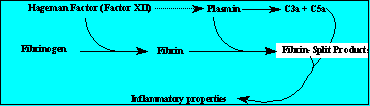 HAGEMAN / FIBRINOLYTIC
SYSTEM: Activating system for
amplifying the inflammatory response. Hageman Factor (XII) creates fibrin from fibrinogen, which
yields plasmin to break down fibrin
to fibrin-split products, which have
inflammatory properties and are diagnostic of inflammatory infections.
HAGEMAN / FIBRINOLYTIC
SYSTEM: Activating system for
amplifying the inflammatory response. Hageman Factor (XII) creates fibrin from fibrinogen, which
yields plasmin to break down fibrin
to fibrin-split products, which have
inflammatory properties and are diagnostic of inflammatory infections.
- Elevated Fibrinogen levels indicate that an infection is present.
- You can also measure that Erythrocyte Sediminentation Rate (ESR) as a non-specific indicatory
of infection.
PLATELETS: The most ubiquitous source of proinflammatory mediators.
- In particuilar, they are a source of Vasoconstrictive, clot-forming Thromboxane A2 (TxA2).
PLATELET ACTIVATING FACTOR (PAF): Lipid, not stored in granules; extremely vasoactive
inflammatory intermediate.
- It is mobilized from the cell membrane of many different cells, and produced by the action of
Phospholipase A2.
- EFFECTS:
- Activates platelets to synthesize TXA2 (hence the name!)
- Causes strong vascular smooth muscle contraction and increased permeability via inducing
synthesis of Inducible NO-Synthase in vascular endothelium.
- Strongly chemotactic.
- Causes luekocyte aggregation, adhesion, and priming -- i.e. it stimulates them to synthesize
oxygenated intermediates.
- PAF is 100x to 1000x more potent than Histamine in its vasoactivity.
CONSOLIDATION: Especially in lung, conversion of an inflamed tissue into a dense and firm tissue.
- Gray Hepatization: Late consolidation of the lung, developing firmness. The inflammatory
process has continued long enough for hyperemia to subside, leaving primarily leukocytes.
- Red Hepatization: Early consolidation, characterized by firmness and redness from hyperemia.
Inflammatory process is in acute phase.
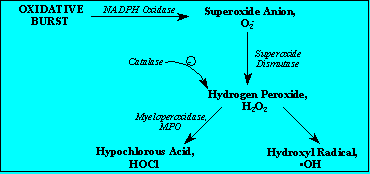 OXYGEN-DEPENDENT
BACTERIOCIDE: Reactions involving oxidative radicals and requiring
oxidative metabolism.
OXYGEN-DEPENDENT
BACTERIOCIDE: Reactions involving oxidative radicals and requiring
oxidative metabolism.
FRUSTRATED PHAGOCYTOSIS: Occurs when leukocytes cannot completely engulf a cell because
the cell is too large. So, instead they exocytose their digestive enzymes to the surrounding tissue,
resulting in autoinflammatory tissue injury.
PRURITUS: Itching; non-inflammatory. Note spelling.
PYROGEN: Fever-forming. Endogenous pyrogens include:
- Interleukin 1 (IL-1)
- Tumor Necrosis Factor, TNF-alpha
Return to top
REPAIR, REGENERATION AND FIBROSIS
CELL TYPES and Regenerative Ability:
- LABILE CELLS: Cells with a short lifespan that constantly proliferate: skin, gut, hematopoetic
cells.
- PERMANENT CELLS: Cells that cannot regenerate once they are destroyed. A destroyed
cell will form a scar. Brain, Heart.
- STABLE CELLS: Cells that are in G0 of the cell-cycle and don't normally divide, but can be
induced to divide quickly upon injury. These cells have good regenerative capacity. Liver, Renal
proximal convoluted tubule.
- ACUTE TUBULAR NECROSIS occurs with O2-deprivation in O2-hungry renal tubules.
As long as the basement membrane is intact, the tubule cells will regenerate.
- Oliguric Phase: Little urine output during necrosis -- kidney shuts down.
- Polyuric Phase: Lots of output during healing process. Kidney functions but the
proximal tubules are busy regenerating, thus reabsorption is very low.
Surgical Wounds:
- PRIMARY INTENTION: Letting a surgical wound heal without a big scar, where the wound
has neatly apposed edges.
- SECONDARY INTENTION: Letting a surgical wound heal and leave a big scar, called
granulating in from the bottom up, with edges that are not neatly apposed.
- This is necessary in appendectomies and abdominal surgeries in general, in order to assure
that the wound doesn't later burst open.
PYELONEPHRITIS: Pus in the collecting tubules. You get a urine cast of PMN's resembling the
shape of the tubules.
- If you only partially treat it, you can get chronic pyelonephritis as a result.
EXTRACELLULAR MATRIX: The materials over which cells migrate and travel during
development and wound-healing. It contains five primary parts
- COLLAGEN: There are four types of Collagen we need to know. Collagen is synthesized and
secreted by fibroblasts.
- TYPE I COLLAGEN: Skin,, bone, and tendon.
- TYPE II COLLAGEN: Cartilege.
- TYPE III COLLAGEN: Aorta, uterus, and GI smooth muscle. Reticular collagen.
- TYPE IV COLLAGEN: Basement membranes, exclusively.
- Scleroderma is proliferation of collagen.
- BASEMENT MEMBRANE: Made of Type IV Collagen.
- Synthesized by basal cells of epithelia.
- FNXN: Filtration in the kidney. Basement membrane contains heparin sulfate, which is
negatively charged, to guide filtration and keep out big negatively charged proteins like
albumin.
- FIBRONECTIN: It has several specific binding sites, and generally functions as a guide, to allow
cells to migrate through the matrix.
- Binding sites:
- Collagen binding site
- Fibrinogen binding site
- Proteoglycan binding sites
- Binding sites for various bacteria.
- Wound Healing: Fibronectin plays an important cross-linking function.
- ELASTIC FIBERS: Pliable structures like arteries and uterus.
- Similar to collagen (containing Pro and Lys), but contains almost no hydroxyylated
structures.
- Marfan Syndrome is a defect in elastic fibers.
- PROTEOGLYCANS:
INTEGRINS: Transmembrane proteins that interact with the ECM. They may act as a communication
link between intracellular environment and extracellular matrix. Via integrins, the ECM can modify
cell behavior.
CYTOKINES:
- MDGF, MACROPHAGE-DERIVED GROWTH FACTOR:
- PDGF, PLATELET-DERIVED GROWTH FACTOR: Secreted by platelets, induces
proliferation of fibroblasts, microglia, and smooth muscle.
- May also serve as a chemotactic agent for inflammatory cells.
- EGF, EPIDERMAL GROWTH FACTOR: Induces proliferation of epithelia; essential for
wound-healing.
- Most cells have EGF-receptors. A kinase is activated as secondary messenger once EGF
binds.
- EGF also has pre-cancerous properties, if the EGF-receptor pathway is unregulated.
- FGF, FIBROBLAST GROWTH FACTOR: Promotes the growth of fibroblasts, endothelial
cells, and smooth muscle.
- It is also probably present in the process of angiogenesis.
- TGF, TRANSFORMING GROWTH FACTOR beta:
ANGIOGENESIS: Formation of new vasculature following injury. Occurs during formation of
granulation tissue. FGF is a cytokine that is thought to induce angiogenesis.
- Bartonollosis and Bacillary Angiomatosis are two infectious processes that involve angio-genesis.
- Angiogenesis also occurs during some cancerous processes.
GRANULATION TISSUE: The initial response to a wound, early part of scar formation.
Proliferation of fibroblasts and blood vessels. It may or may not include inflammatory cells.
- CALLUS: A type of granulation tissue that consists of bone or cartilege.
- KELOID: Hypertrophic or exhuberant scar, often occuring in black people. If you excise a
keloid, it will grow back.
- Normal scarn mature from Type-III (early) to Type-I (mature) collagen. Keloids remain
as immature Type-III collagen.
- CICATRIX: Scar. Lots of fibroblasts, some with nucleoli (metabolically active). A little
hemosiderin pigment is present.
HEALING: A response to tissue injury, and attempt to maintain homeostasis.
- CONTRACTURE: Exhuberant, overactive contractile stage of wound-healing. This can result
in a deformed scar.
- Dupuytren's Contracture is idiopathic contracture of the palmar aponeurosis.
- DEHISCENCE: The bursting of a wound. Failure of tensile strength of scar.
- Abdominal wounds are the most subject to dehiscence, thus surgeons let abdominal wounds
heal by secondary intent.
- Abdominal dehiscence can be provoked by coughing, vomiting, wound infection, or poor
nutrition during the healing period.
- THREE STAGES to wound healing:
- INITIAL RESPONSE: Initial cellular response to injury
- Neutrophils: They are the first line of defense. They are chemotactically attracted
to injury site by tissue factors. They arrive within hours.
- Macrophages engulf the neutrophil debris, within days.
- Fibroblasts finally arrive to begin the process of repair.
- CONTRACTION: Bring the wound edges closer together.
- Myofibroblasts: Looks like fibroblast but has contractile elements. Works in
contraction of wound.
- REPAIR: Secrete extracellular matrix (fibroblasts) and lay down a scar.
- Proteoglycans are the first substances to be laid down, followed by formation of
collagen.
- REGENERATION: Regenerate epithelial tissues.
- It occurs in liver and skin, as long as basement membranes are still intact. If basement
membranes are gone, then a scar (in the case of skin) or micronodules (in the case
of liver) will form instead.
- Factor that influence wound-healing:
- Overall Nutrition: Proteins deficiencies and vitamin deficiencies (esp. Scurvy since Vit-C
is required for collagen formation)
- Obesity ------> poor vascularity ------> poor wound healing.
- Age
- Race: Blacks at higher risk of forming keloids.
- Complication in wound healing:
- Dehiscence, or ulceration of the scar.
- Infection, malnutrition, and hypoxia (poor vascularity) all increase the risk of
dehiscence.
CIRRHOSIS: Result of a chronically damaged liver. Histologically it a combination of regenerated
liver cells interspersed with fibrosis.
- MICRONODULAR CIRRHOSIS: Alcoholic Cirrhosis. Alcohol killsliver cells globally and
destroys basement membranes. With BM's destroyed, when the liver tries to regenerate, it has
no scaffolding on which to grow, and the result is formation of a bunch of micronodules, instead
of uniform liver tissue.
- Fibrosis runs from Portal Triad to Protal Triad, and works its way inward.
- HEPATOMA: Hepatocellular Carcinoma. Liver tumor occurs more prevelantly in cirrhotic
livers. Why?
- Because the hepatocytes are constantly proliferating, thus increasing likelihood of
malignancy.
- Concurrent infection with Hepatitis-B or C in alcoholism is extremely common.
- MACRNODULAR CIRRHOSIS: Chronic Active Hepatitis. Nodules form similar to
micronodular cirrhosis, except that injury spreads outward from focal points in the liver -- i.e.
from points of viral infection. The response to this focal injury is formation of nodules which
appear as macronodules.
- FATTY LIVER: Reversible damage due to alcohol.
- Alcoholic hyaline is visible with fatty liver.
CARDIAC DISEASE:
- CARDIAC TAMPONADE: Blood in the pericardial sac, which can happen after an MI, at the
time of maximal healing during formation of a scar in the myocardial muscle. Rare and instantly
fatal.
- Can happen about six days post-MI, during the late phase of healing when Macrophages
are cleaning up debris.
- The ventricular septum can also burst, leading to hypoxia and shock
- Reperfusion Injury by oxidative radicals is a risk after 4 hours post-MI.
Return to top
IMMUNOPATHOLOGY
HYPERSENSITIVITY:
- TYPE-I: IMMEDIATE. Mediated by IgE molecules binding to Fc-receptors on Mast Cells
and Basophils.
- Examples:
- Hay Fever, allergic rhinitis, penicillin anaphylaxis.
- SENSITIZATION: Initial formation of the IgE. Prior exposure to the allergen is required
for an allergic reaction to happen later.
- ANAPHYLAXIS: Anaphylaxis can occur by two separate processes -- either Mast Cell
degranulation or complement-derived Anaphylatoxins. The result is the same but the
mechanisms are different.
- MAST-CELL DEGRANULATION occurs in an allergic response in results in
release of the following:
- Histamine has several effects:
- Intense bronchial smooth muscle contraction
- Increased vascular permeability
- Increased secretion by nasal, bronchial, and gastric glands.
- Proteases, Heparin
- Eosinophil and Neutrophil Chemotactic Factors (ECF, NCF): Eosinophilia
is a common sign of a Type-I allergic reaction.
- Membrane Derived Metabolites: PGD2, LTB4, PAF are also released in Mast Cell
activation, although they weren't in granules. Prostaglandins and Leukotrienes are
derived from Arachidonic acid, and PAF is not. All of them cause bronchospasm and
increased vascular permeability.
- TYPE-II: ANTIBODY-DEPENDENT CYTOTOXIC. A reaction of soluble IgG, IgM antibody with membrane-bound antigen (usually autoantigen)
- COMPLEMENT: IgG and IgM and activate Complement via Fc receptors on endothelial
cells. Complement is then activated via Classical (antibody-dependent) pathway.
Complement effects:
- Cell Lysis through MAC. This accounts for hemolysis in certain kinds of hemolytic
anemias.
- OPSONIZATION via C3b which acts as an opsonin: phagocytic cells express C3b-receptors and can thus bind to targets. This also occurs in certain autoimmune
hemolytic anemias.
- Antibody-Dependent Cell-Mediated Cytotoxicity (ADCC): Natural Killer Cells, as
well as macrophages and some PMN's have Fc-receptors and can thus attack IgG-coated
target cells and lyse them. This process occurs without phagocytosis.
- This may play a role in Hasimoto's Thyroiditis.
- TYPE-III: IMMUNE-COMPLEX. Accumulation of immune-complexes, formed by soluble
antibody and soluble antigen.
- SERUM SICKNESS: Horse or bovine serum can be injected into human's as an antidote
to bee venom or snak bites. The foreign serum will then induce formation of immune-complexes, which elicit symptoms 6 to 8 days later.
- SYMPTOMS: Fever, arthralgia, vasculitis, acute glomerulonephritis.
- ARTHUS REACTION: Experimental vasculitis, in which a localized injury is produced
by immune complexes. Immune-complexes accumulate on vessel walls which activated
complement ------> vascular enodthelial lesions.
- Fibrin will accumulate in vessel-walls which will result in a fibrinoid necrosis in the
area. Fibrinoid Necrosis of vascular walls is common in all Type-III diseases.
- PPD TB SKIN TEST is also an example of a delayed hypersensitivity reaction.
- TYPE-IV: DELAYED. Antibody-independent, cell-mediated response of TC cells against
antigen. Reaction is generally 24 to 72 hours after allergen exposure.
- T-CELL Mediation: T-Cells recognize the antigen directly and release lymphokines in
response to it.
- Immature CD4 cells mature and proliferate in response to antigen presented by
macrophages or B-Cells. Mature TH1 cells then release cytokines:
- IL-2 stimulates growth of more TH cells in an autocrine fashion.
- IFN-gamma powerfully activates Macrophages, which can then further go onto
activate fibroblasts via TGF-beta.
- Cytotoxic Cells recognize antigens directly, and proliferate in response to it.
- Natural Killer (NK) cells can also proliferate in Type-IV responses. They have Fc
receptors and respond primarily to membrane glycoproteins, virus-infected cells, or
tumor cells.
- Type-IV (Cell-Mediated) defense is very important in battling against intracellular parasites
such as mycobacteria (tuberculosis), and it often results in the formation of granulomas,
as the activated Macrophages form Epithelioid cells.
THEORIES OF AUTOIMMUNITY: Autoimmune diseases have multiple etiologies.
- Sequestered Antigens: Freeing of sequestered antigens. Examples = anterior chamber of eye
(lens), testis.
- Abnormal T-Cell Function; lack of supressor T-Cells. This theory has the most evidence
supporting it.
- Polyclonal B-Cell Activation
- Biological Mimicry, as in Rheumatic Heart Diseases, in which antibodies against streptococcal
antigens cross-react with myocardium.
HYPERSENSITIVITY / AUTOIMMUNE DISEASES: Most auto-immune diseases, for unknown
reasons, occur predominantly in woman, sometimes by a margin of 10:1 or greater.
- ASTHMA: Can be caused by a Type-I Hypersensitivity to exogenous allergens in the respiratory
tract.
- CHARCOT-LEYDEN CRYSTALS: Eosinophilic granules found in the mucus; diagnostic
of asthma.
- HASHIMOTO'S THYROIDITIS: A combination of Type-II (organ-specific) and Type-IV
(cell-mediated) auto-immune disease.
- PATHOGENESIS: Type-II ADCC against thyroglobulin, and against thyroid peroxidase
(microsomal bodies).
- SYMPTOMS: Goiter, due to inflammatory infiltrates in the thyroid.
- HASHITOXICOSIS: Severe hyperthyroidism, found in this disease.
- OTHER DISEASES: Many other autoimmune diseases are commonly associated with
Thyroiditis: SLE, Rheumatoid Arthritis, Sjogrens, Addison's, IDDM.
- GRAVE'S DISEASE: Type-II autoimmune attack against TSH-receptors in the thyroid gland,
resulting in overactivation of them ------> Hyperthryoidism.
- This is a disease where an auto-antibody acts as an Agonist.
- MYASTHENIA GRAVIS: Type-II autoimmune attack against Nicotinic Acetylcholine receptors
------> block Ach-receptors ------> Fatigueable Weakness.
- This is a disease where an auto-antibody acts as an Antagonist.
- GOODPASTURE'S SYNDROME: Type-II Autoimmune attack against Collagen-IV basement
membrane components.
- SYMPTOMS: In Goodpasture's, the auto-antibodies attack primarily the Glomerular
Basement Membrane and Pulmonary basement membrane ------> Renal Failure
(Glomerulonephritis) and Pulmonary disfunction.
- Classic dual symptoms are therefore hemoptysis and renal failure.
- DIAGNOSIS: Immunofluorescence shows a linear array of immunofluorescence, as
antibodies bind to basement membrane.
- SYSTEMIC LUPUS ERYTHEMATOSUS (SLE): Type-III Hypersensitivity in which immune
complexes are formed against nuclear components in any lysed cells. This is the most common
systemic auto-immune disease.
- Anti-Nuclear Antibodies, ANA, Anti-dsDNAare the most common autoantibodies, but
there are others.
- SYMPTOMS:
- Butterfly Malar Rash is very common.
- Vasculitis
- Glomerulonephritis
- Polyarthralgia is the most common complaint. Synovitis also occurs.
- Heart-problems can occur but are less common: Pericarditis, and non-bacterial
vegetations on valve leaflets called Libbman-Saks Endocarditis.
- SUN EXPOSURE makes the symptoms worse, as DNA is exposed to antibodies in
the bloodstream.
- DIAGNOSIS:
- BAND-TEST: Look for immunofluorescence at the dermal-epidermal junction upon
skin biopsy.
- Immunofluorescence of Anti-dsDNA Antibodies is diagnostic of SLE.
- Labs: Hemolytuic anemia, thrombocytopenia (low platelet count), leukopenia.
- PEMPHIGUS VULGARIS: Large, easily erupted bullae on mucous membranes.
- DIAGNOSIS:
- Immunofluroescence shows a netline pattern of autoantibodies. Compare to Goodpasture's, which is linear.
- Take a skin biopsy and look for antibodies (IgG), but it must be from a newly evolved
lesion, otherwise it could be explained by infection.
- Progressive denudation of skin will lead to infections.
- They are very similar to burn patients in their needs and risks.
- SJOGREN SYNDROME: Also predominantly Type-III Autoimmune disorder characterized
by sicca (dry eyes) and xerostomia (dry mouth). Second most common connective tissue
disorder, after SLE.
- Rheumatoid Factor is commonly found, whether or not they have Rhrumatoid Arthritis.
- Associated with a 4-fold increased risk for malignant lymphoma.
- SCLERODERMA: Connective Tissue autoimmune disease characterized by excessive collagen
deposition in skin and internal organs.
- Etiology is associated with chromosomal abnormalities (breaks, translocations).
- Most organ systems are involved, with generalized collagen deposition and scleritis found
throughout.
- SYMPTOMS:
- Raynaud's phenomenon is often found early on.
- Exertional dyspnea is found due to pulmonary interstitial fibrosis.
- Polyarthralgias.
- POLYMYOSITIS / DERMATOMYOSITIS: Autoimmunity against skeletal muscle and skin.
In men, it is often associated with an underlying visceral cancer.
- WEGENER'S GRANULOMATOUS VASCULITIS: Small-vessel vasculitis; common to
also find glomerulonephritis. Probably Type-IV reaction.
- Saddle-shaped nose, with damage to the nasal septum.
- Lung granulomas.
- RHEUMATOID ARTHRITIS: Antibody against the Fc portion of IgG, forming an immune
complex which is then termed Rheumatoid Factor.
- CONTACT DERMATITIS: Type-IV delayed hypersensitivity. Poison Ivy.
IMMUNE DEFICIENCY DISEASES: Most congential immunodeficiency diseases are X-linked and
thus occur only in males.
- CONGENITAL X-LINKED HYPOGAMMAGLOBULINEMIA (XLA) (BRUTON'S
DISEASE): Caused by a defect in the early-mature B-Cells. Pre-B Cells are detected but cannot
mature.
- COMMON VARIABLE IMMUNODEFICIENCY: Hypogammaglobulinemia (deficient IgG).
Pt presents with pyogenic infection.
- SELECTIVE IGA DEFICIENCY: Most common of immunodeficiencies. B-Cell count is
normal, but IgA is not synthesized or secreted. Could be a problem with class-switching or with
the secretory pathway.
- Symptoms: Recurrent or opportunistic GI-tract and respiratory infections.
- DIGEORGE SYNDROME: Congenital malformation of 3rd and 4th Brachial Pouches, resulting
in no formation of Thymus.
- Patient will present with severe hypocalcemia due to hypoparathyroidism (Parathyroid
does not form normally).
- SEVERE COMBINED IMMUNODEFICIENCY (SCID): Absence of both T and B-Cells.
Onset at 6 months.
- Adenosine Deaminase Deficiency is usually the cause in autosomal-recessive SCID (there
is also an X-linked form). Deficiency of ADA leads to accumulation of deoxyadenosine
and its derivatives (e.g., deoxy-ATP), which are toxic to immature lymphocytes.
- CHRONIC MUCOCUTANEOUS CANDIDIASIS: Specific immunodeficiency against
Candida fungi and nothing else. Strange...
- WISCOTT-ALDRICH SYNDROME: Rare X-linked, cause unknown. It is a complete failure
to produce antibodies against polysaccharides.
- ACQUIRED IMMUNE DEFICIENCY SYNDROME (AIDS): Infection of CD4 cells by HIV
retrovirus.
- Common Complications: Opportunistic infections. Of course this list is not complete.
- Persistent Generalized Lymphadenopathy: Common early symptom. Persistent
enlargement of lymph nodes with no apparent cause.
- Kaposi Sarcoma is a common skin cancer that occurs all over the body in AIDS and
rapidly metastasizes.
- Pneumocystis Carinii is an opportunistic pathogen that frequently causes pneumonia
in immunocompromised patients.
- Cytomegalovirus
- Toxoplasmosis occurs in the brain where it forms lesions that are evident on MRI.
Toxoplasmosis occurs in normal people, too, but it doesn't form the lesion because
our immunity can quickly wipe it out.
- Candida infections.
- gp120 is the name of the viral-coat protein, which recognizes CD4 receptors on TH cells
in order to gain entry into the cells.
AGGRETOPE: Association of a peptide epitope with Type-I MHC complex. It can then react with
CD8 cytotoxic cells.
Return to top