
Literature Relationship
Papers
As lovers of
literature, English educators all over the world know what it’s like to fall in
love with a book. We know what it’s like
to find comfort walking the streets of
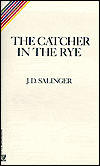
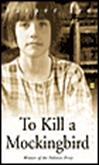
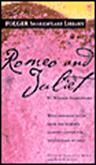
Literature
relationship papers are a way for teachers to make students think about the
bonds they’ve formed with characters in the books they’ve read. It’s a way that we can ask them to analyze
their relationships with these books more fully. It’s a way for students to recognize that
literature is for everyone, and everyone connects to different pieces of
literature for different reasons. It’s a
way for students to share a piece of themselves with us and each other. It’s a way for each student to admit that
they do read, and at some point in time have connected to a piece of
literature, that they have been influenced in some way by the act of reading a
book.
Example:
CHOICE
Written by Kim Neal
“Faggots are even
worse than niggers. A nigger can’t help he’s a nigger, he’s born that way. But
a faggot picks being a faggot. So we should get them
(279).”
The auditeria of my high school was dark. All eyes
forward—looking at the stage. Anticipation high. Waiting for the next performance. The curtain slowly pulled
back, and he darted onto the stage. Ethan wore all black—fishnet sleeves and a
headset to project his amazing voice. Watchful eyes swelled in shock. Whispers of curiosity and judgment. Some got out of their
seats and proceeded to the exit, while others remained. I was shocked at
everyone’s ignorant attitudes. I wanted to tell them all to sit down—to listen,
but I didn’t. I remained quiet. I remained completely silent. Many were
impressed by his talent. I know I was. However, others waited, almost praying
that something would go wrong. Ethan grinned through the pain. I had never
heard him speak before, but his voice was amazing. Each day from the choir
room, his voice boomed through the halls of my high school. The spotlight found
him center-stage. “Hit me baby, one more time!”
Simon
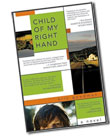
Barish, the main character of Eric Goodman’s Child of My Right Hand, attends
The
school intervenes and tries to eliminate the problem, but it doesn’t work.
Simon is still tortured and ridiculed. He has a cross burnt in his front yard
as a threat from a local family—a town too afraid and unaccepting
of difference. Not once in the book does another student come forward and try
to help Simon. This is what really bothered me.
Simon
was one of my classmates in high school. His name was Ethan. Ethan’s father,
Dr. Goodman, wrote this novel for his son. Goodman is a professor of creative
writing at
“Did you hear about the new guy taking pictures of the
football players’ butts?”
“Kim, can you believe that he’s taking another guy to
prom?”
“What is he thinking? Why would you choose to be like
that?”
The list could go on and on. I
didn’t know Ethan personally. I think that’s why I have so much guilt. I
allowed all of these comments and these judgments to be made about a person
that I knew nothing about. I didn’t step up and try to help him. I didn’t say
anything.
I
finished reading Goodman’s novel a few weeks ago. It wasn’t until I finished
the reading that I questioned myself. How could I, after pointing fingers at
others, be among the population at my
high school that passively let discriminatory comments be made about my peers?
I wanted to write a letter—do something. I couldn’t believe that I was part of
the culture that could be so cruel.
Last
semester, when I came home from my high school field experience, I wondered how
these students could be so ignorant. How could these students be so judgmental
and discriminatory? I was placed in a predominately white school. The school
district had two students of a different ethnic background in all twelve
grades. My cooperating teacher was unaware of any students that were outwardly
gay. The entire time that I was at this placement, I heard racist comments and
discriminatory comments about homosexuals. I was amazed at how the teachers
would passively agree with these comments and this behavior. Many teachers
thought that there was no way to change the students’ perspectives on the
matter. I was in complete shock.
When
Ethan came out on stage at the talent show singing Britney Spears, I was
absolutely amazed. He had a breathtaking voice. I now realize, more importantly,
that he had more courage than I could ever imagine having. Ethan heard all the
comments that his peers made about him, and he still managed to walk out on
that stage and sing the song that he loved. His voice was a means for
presenting his message. I’m just sorry that I couldn’t hear that voice. I’m
sorry that my voice remained silent.
Ethan
chose to be a person—that’s all. I chose, however, not to help. I chose to let
people make comments and not stop them. I chose to believe the rumors that
circulated the school. I chose to sit back and let Ethan get hurt. Today, as a
perspective adolescent education teacher, I choose to teach students about
homosexuality—to introduce students to homosexual authors and texts and talk
about this social justice issue. I choose to end these discriminatory comments.
I choose to stand up for Ethan. I choose to have a voice.
Goodman, Eric. 2004. Child of My Right Hand.
Other Examples