 |
|
|
|
|
|
|
|
|
|
|
|
|
|
|
|
|
|
|
|
|
|
|
|
|
|
|
|
|
|
|
|
|
|
|
|
|
|
|
|
 |
|
Research interests
My research interests are related to the response of indigenous finfish species to environmental stressors. Our team at Universidad Nacional de Colombia (Bogota) look for particular adaptations or responses of native fish species of Colombia to contaminants found in intensive / semi-intensive culture systems (aquaculture) or in the wild. Several adverse situations are encountered by fish in the aquatic ecosystems: indiscriminate use of pesticides, excessive discharge of organic matter, water pollution due to petroleum and its refined products, etc. |
|
|
|
|
|
|
|
|
 |
|
|
|
|
|
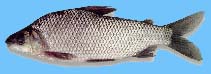
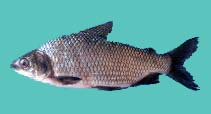
White cachama (Piaractus brachypomus) (left, bottom) and bocachico (Prochilodus reticulatus and magdalenae) (right ,bottom), biomodels models used in our research protocols |
|
|
|
|
|
 |
|
|
|
 |
|
|
|
|
|
|
|
|
Picture by Galvis, Mojica, Camargo |
|
|
|
|
|
|
|
|
|
|
|
|
|
 |
|
|
|
|
|
|
|
|
|
|
|
|
Picture by Olaya-Nieto |
|
|
|
|
|
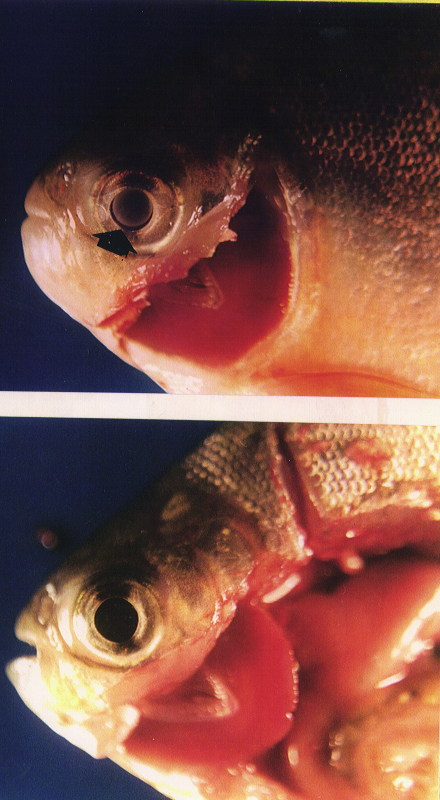
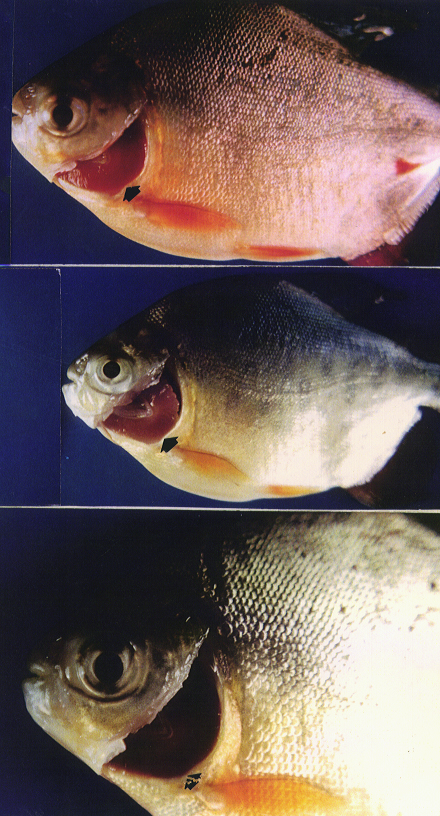
White cachama specimens at necropsy after waterborne nitrite exposure. Left panel: Increased darkening of gills coloration after 96 h exposure (Top: control; middle and bottom: 35 and 50 ppm N-NO2 exposed) . Right panel: eye opacity in exposed fish (top) as compared to control (bottom). White cachama is less susceptible to nitrite exposure than most of aquacultured species (e.g. rainbow trout, tilapia, salmon, etc.) (Ochoa et al., 2002) |
|
|
|
|
|
 |
|
|
|
 |
|
|
|
|
|
|
|
|
|
|
|
|
|
|
|
|
|
|
|
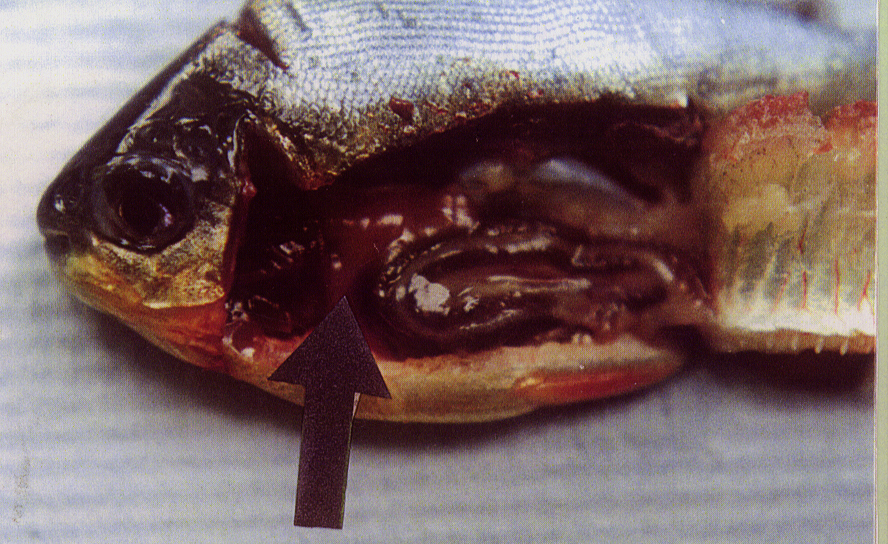
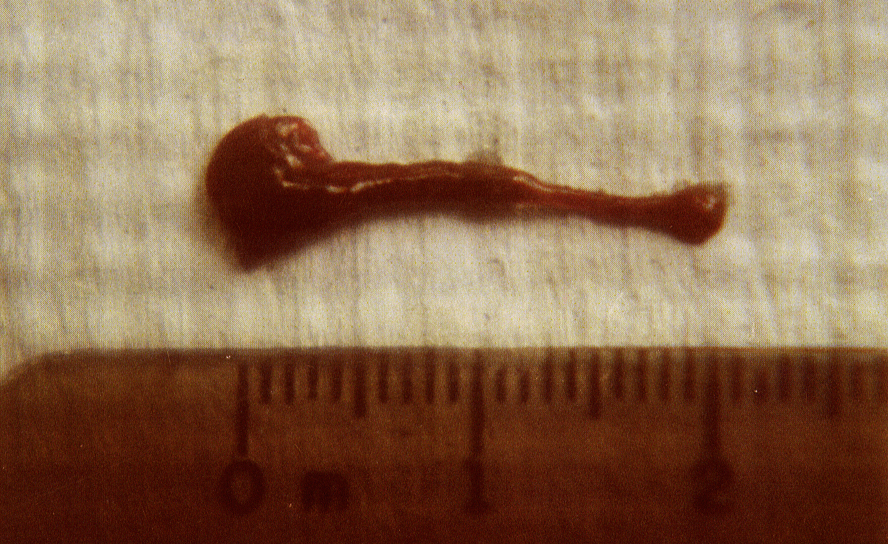
Kidney of white cachama specimen. Renal tissue in this species is easily dissectable allowing analysis for different purposes. In our work regarding the use of cachama as a bioindicator of cadmium polluted waters, this organ was very helpful for the atomic absorption measurements of the metal (Rojas et al., 2002). |
|
 |
|
|
|
|
|
|
|
|
|
|
|
|
|
|
|
|
|
|
 |
|
|
|
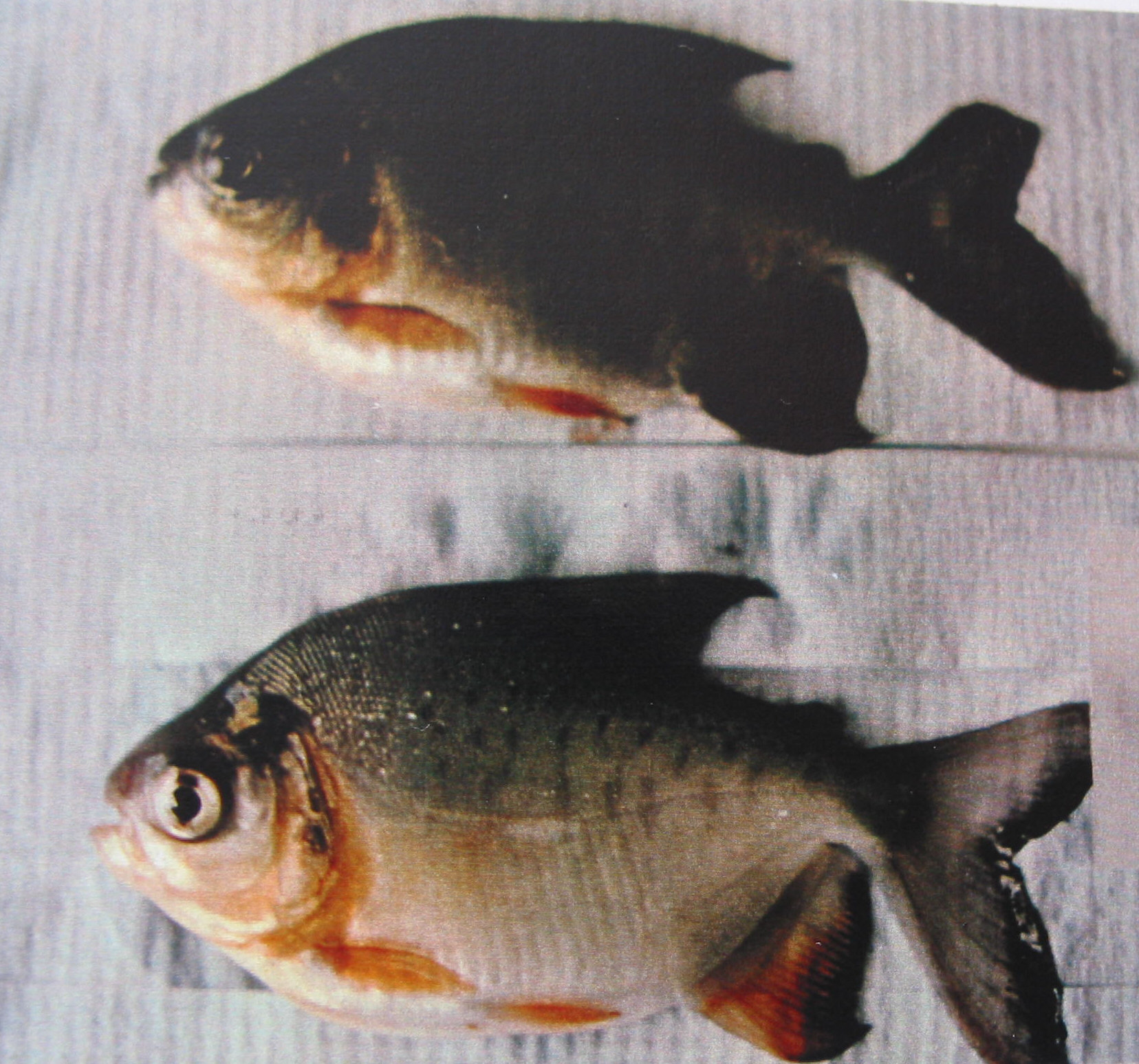
White cachama specimens after waterborne copper exposure. Skin discoloration (lower panel) was present in Cu-exposed fish as compared to the controls (upper picture). Behavioral as well as hematological variables indicated that white cachama is very sensitive to Cu treatment, even at concentrations suggested for other fish species. (Lozano et al., 2003). |
|
|
|
|
|
|
|
|
|
|
|
|
|
|
|
|
|
|
|
Home |
|
|
|
|
|
|
|