 |
|
|
|
|
|
|
|
|
|
|
|
|
|
|
|
|
|
|
|
Community Involvement |
|
|
|
 |
|
|
|
 |
|
|
|
Scientists and conservationists alike are behind in the race for knowledge about the conservation needs of the Philippine tarsier. Where these groups have failed, the local community has stepped in. Local farmers and hunters in these rural areas have noticed the declines in tarsier numbers and have been watching their behavior for years. Men like Carlito Pizzaras know more about the tarsier than anyone else on earth.
With the local community knowing more about the life history of the tarsier as well as the conservation concerns of the surrounding area, it is little wonder that they will play a key role in the tarsier's future.
Current projects to involve the local community include:
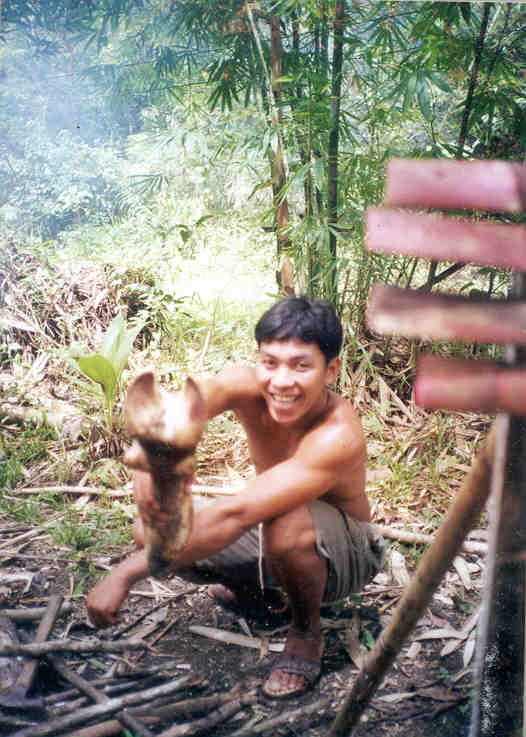
(1) Empowering hunter organizations to self-regulate wildlife harvest to be sustainable;
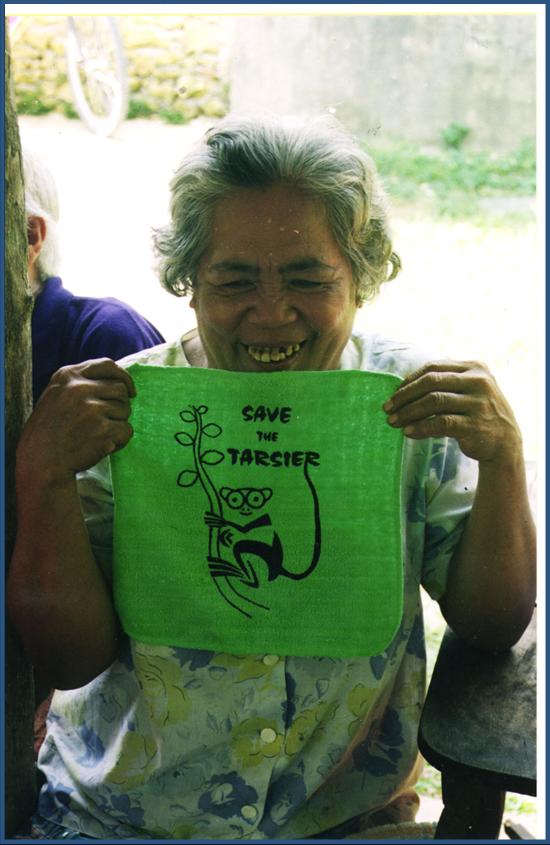
(2) Livelihood development for local people through the realization of sustainable tourism;
(3) Empowerment of the local community to manage nationally protected forests which typically goes unmonitored and is exploited;
(4) Environmental education courses at area high schools. |
|
|
|
 |
|
|
|
|
|
| Corella women's group representative showing off handmade souvenier (photo by Ashley Curtis). |
|
|
|
|
|
|
|
 |
|
|
|
|
|
|
|
Dexter, a local hunter, during one of the weekly hunter meetings held at the tarsier sanctuary (photo by David Jachowski). |
|
|
|
|
|
|
|
|
|
|
 |
|