 |
|
|
|
|
|
|
|
|
|
|
|
|
|
|
|
|
|
|
|
|
|
|
|
|
|
|
|
|
|
|
|
|
|
|
Burlington |
|
|
|
 |
|
|
|
Burlington chert can be found in nodular or tabular form along the Mississippi River. It comes in a variety of colors, and has been described as being "white to light grey...yellowish and blackish" (Morrow 1988) "light grey to blueish grey...pale brown to white" (Odell 1984) and "white to tanish" (Emerson 1983). Crionoid fossils, Brachiopods, and Bryozoa are found in some Burlington cherts giving it a course texture. "These fossils are often twice as large as crinoids in other fossiliferous chert" (Ray 1989). Because of the inclusion or exclusion of fossils, Burlinton's texture ranges from fine to course grained. The unfossiliferous fine chert would be sought after for tool production. |
|
|
|
 |
|
|
|
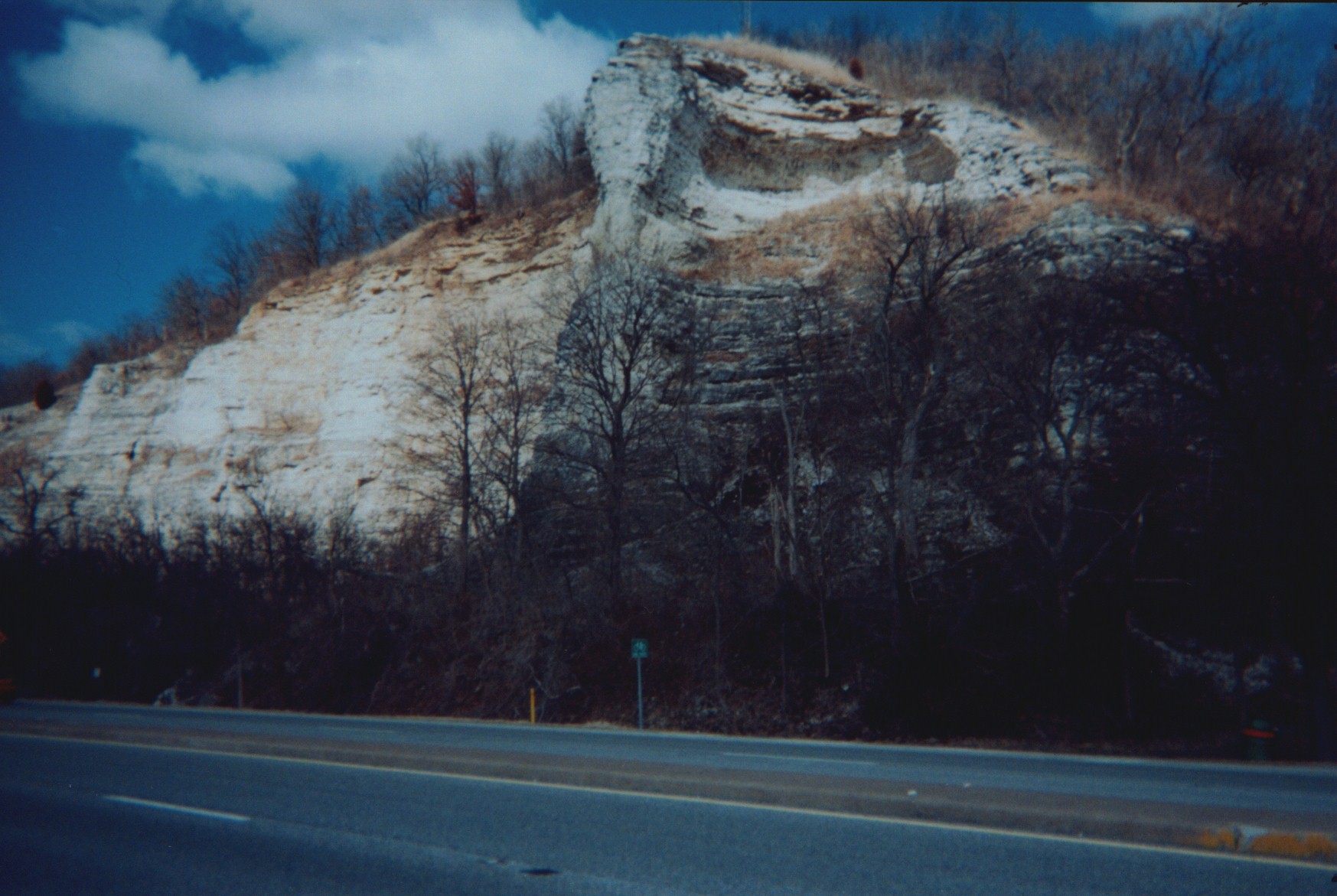
Burlington chert is embedded within the limestone at Elsah, Illinois along Rt 100 in the Mississippi river Bluff. |
|
|
|
 |
|
|
|
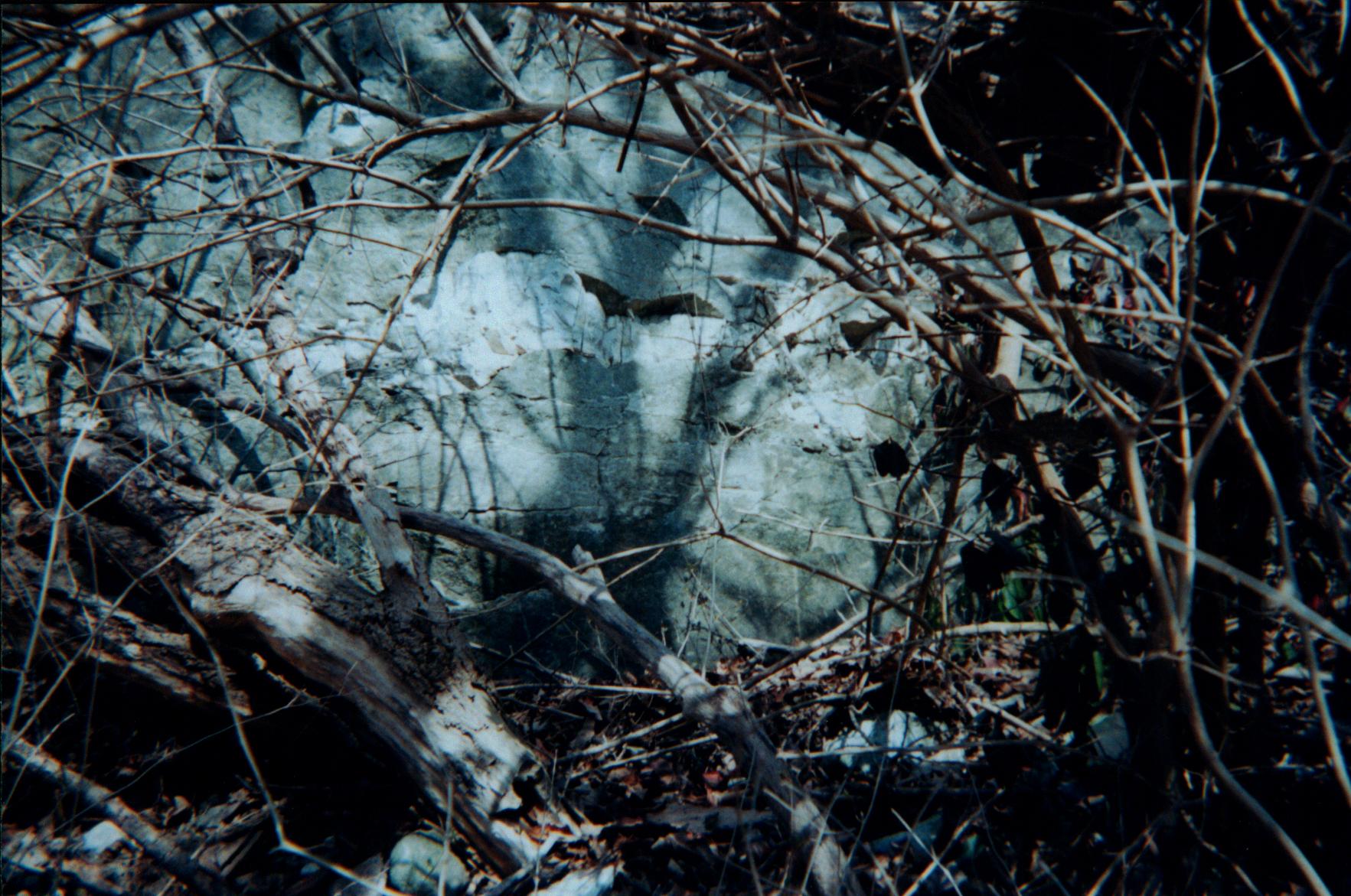
Notice the lighter color within the limestone, this is Burlington chert. |
|
|
|
 |
|
|
|
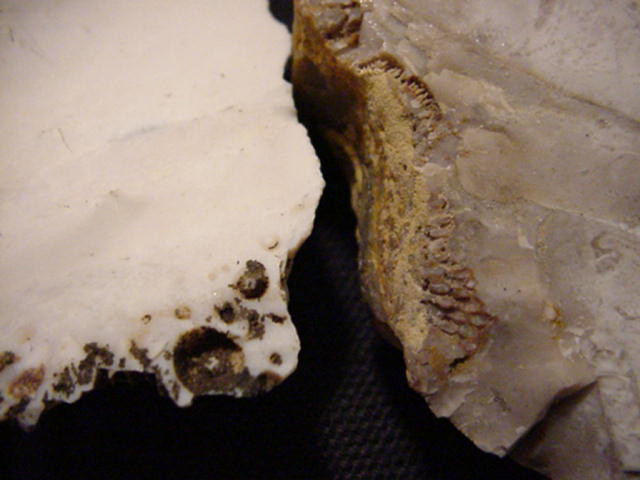
Notice the fossils along the exterior edges of the chert and the cortex on the darker piece of chert. |
|
|
|
 |
|
|
|
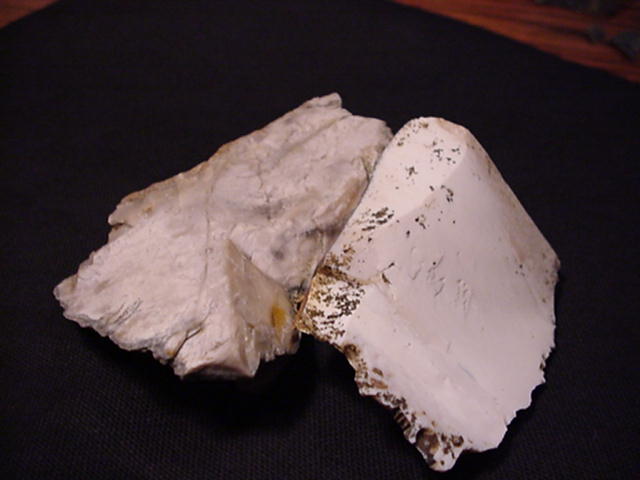
Burlington comes in many different colors depending on the minerals found at the site of formation. |
|
|
|
 |
|
|
|
 |
|
|
 |
|
|
|
|
Timeline |
|
|
|
|
Types |
|
Bibliography |
|
|
|
|
|
|
|
|
|
|
|
|
|