Activity 12 – ROBIN ROBOUT!
Years of ongoing campaigning by BirdLife have greatly reduced what used to be a common practice among children: robin trapping. Here’s an activity that targets the habit that lingers on.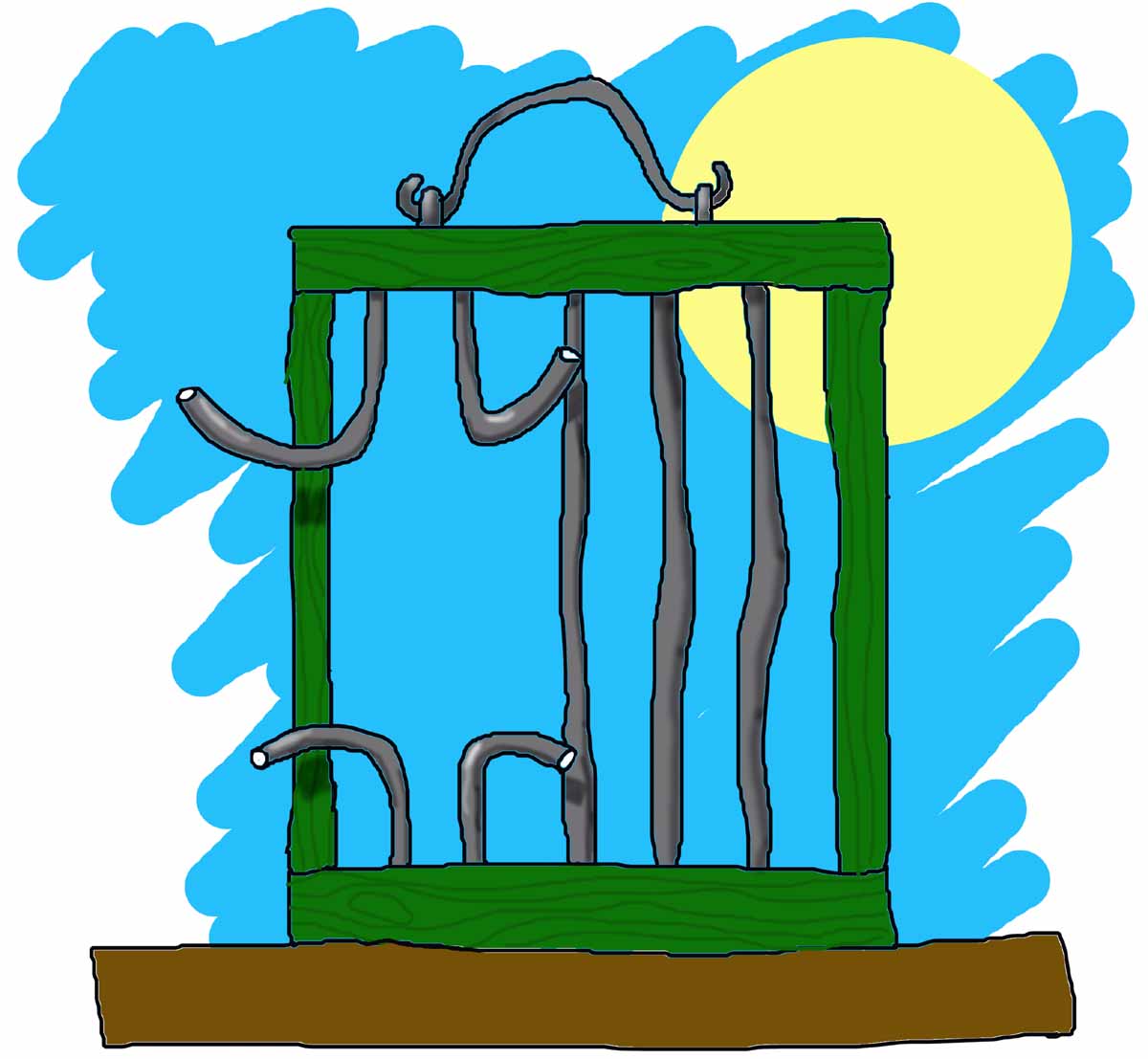
To make up for a couple of activities unsuitable for Years 1 to 3, this activity is exclusively for the young ones. So if you’re in this category read on.
Action...
- Around Christmas time tell the kids to hold on to greeting cards which show a robin, and ask them to bring them to school after the holidays.
- Talk to the pupils about the robin (use info from Factsheet). Stress the beauty of a free-flying bird, and contrast this with the cruel picture of a robin in a cage, and the nasty habit of robin trapping.
- Each child should have their own robin card (those who have more than one could donate). They cut out their robin and stick it on a blank card that they make themselves.
- Pupils now decorate their card, drawing and colouring around the robin.
- Make a display of these cards in class, telling the children that they are like free robins sitting in their own tree in the countryside. DO NOT attach the cards permanently to the display, because these robins are going to move! Every morning train the children to say Good Morning to their robin!
- Set up a "cage" somewhere in the class. This should be a symbolic representation such as a cardboard box or cutout hanging on the wall. Make a "key" to this cage. You will be using the cage in a game to illustrate the cruelty of trapping robins.
- Here’s the game! On separate days secretly place one of the robin cards in the "cage". The owner of the "trapped" robin will soon discover that his/her robin is trapped. Send this child out of class while you and the other pupils decide where to hide the key. Once done, call back the child, who now has to find the key through "hot/cold" directions from the others. When the child finds the key, he/she can open the cage and return the robin to "freedom". Connect the symbolic opening of the cage to releasing a trapped robin. Make sure that all the pupils get their chance to "release" their robin. All "released" robins then go back to their place in the display!