|
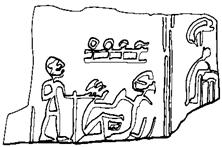
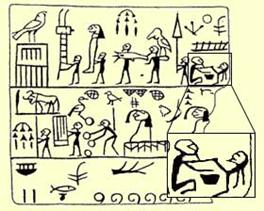
“A
fragmentary label from the reign of Aha found at Abydos, and a label
dated to the time of Aha's successor, Djer, found at Saqqara, may bear
witness to a ritual involving the killing of a human being. In both cases a
kneeling figure sticks a long weapon into the chest of a bound victim sitting
in front of him. A bowl between the assailant and his victim may have been
intended to catch the latter's blood as he bleeds to death. |

|
HUMAN
SACRIFICES IN ANCIENT EGYPT |
|
Retainer Sacrifice This type of human sacrifice is
generally considered to be linked to ancestor worship, which the Egyptians
believed in through their history. The living would leave offerings for the
dead, and the tombs would be painted with offerings which the deceased could
use if the living ever forgot them. |
|
Also present
in both cases is some kind of fence-like sign, drawn above
the sacrificial scene. On the label fragment from Aha, a figure of authority,
identified by his long stick, observes the killing. Behind the victim, a
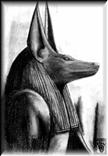
fetish, that at least in later periods was associated with Anubis (Khentamentiu), is represented. It is not known if this
fetish may have been related to the practice of human sacrifice.”
Jacques Kinnaer, Egyptologist |

|
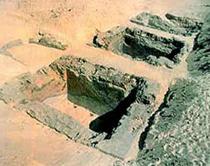
The rulers of the 1st Dynasty
were not only buried along with food, drink and objects, but with people who
had been sacrificed along with them, to be with them in the afterlife. There were 33 sacrificial
burials in Aha, 68 in Semerkhet, 136 in Den and 512 in Djer. |
|
“The Basenji Revelation” By Simon Cleveland |