|
|
Mitsy |
Pet Medical Information
|
|
Mitsy |
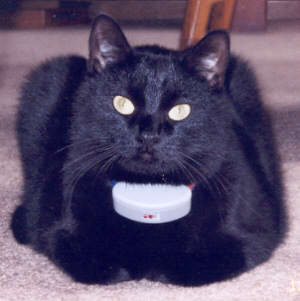
| On August 4, 2000, I lost my 3
year old cat, Mitsy, apparently to the bite of a yellow jacket (hornet). By the time I
found her she was gone. This did not happen outdoors, but inside my house. Upset that I
had learned a lesson too late (repair those tears in your screen doors!), I posted a
message to the Corgi-L email group about what could have been done had I found her in time
and a Dr. Lyn Johnson, DVM, was kind enough to provide the following information for both
dogs and cats. Thank you Dr. Lyn. This is for you, dear Mitsy. You are missed. |
 |
DOGS
 |
| Every dog owner
should have three things on hand at all times for minor problems. I can't tell you how
many emergency trips I have saved clients from through these products. Dose is 1 mg / lb, which equals about a 25mg tab / capsule per average adult corgi. I use this for itchy dogs, plus allergic reactions to insect bites & stings. When treating stings and resulting "fat" faces, I repeat the dose every 6 hrs until the swelling resolves. When I'm using it for general itchy or allergic dogs, I give it twice a day. Fortunately, unless the sting actually occurs *in* the mouth, most dogs don't have swelling of the air passages. Those that do require emergency treatment, although a quick dose of oral benadryl may buy some time in route. Usually, you just see swelling of the nose, face, ears. Remove the collar when you see swelling...if the skin area around the neck starts swelling outward, the collar can become too tight and cut off the airway. Oral benadryl takes about 1 hr to take effect, so this isn't a substitute for true emergencies when the dog is having difficulty breathing. Emergency treatment usually involves use of injectible benadryl and steroids, to get more rapid reduction in swelling. The first line of defense for minor aches and pains. The dosage ranges from 5 - 15 mg / lb. Basically, the average adult corgi would get ~ 1/2 regular adult aspirin or 1 baby aspirin twice a day. Larger corgis should tolerate up to 1 regular strength 5 grain (330mg) twice a day. Higher doses should only be done after consultation with a veterinarian. It is extremely important, in this day of hundreds of OTC pain relievers, to make sure you are giving actual aspirin. Baby aspirin is harder to find, since pediatricians lean towards tylenol products instead. Never use any other product unless specifically instructed by your vet. Many of the NSAID drugs available are much more toxic to dogs than humans. We dont' have good dosage guidelines either. Some can cause serious gastric bleeding from a single dose. Just like humans, some dogs get stomach upset on aspirin. One way around this is giving the aspirin with a small meal. Even if other family members use other pain reliever products, aspirin should be in your medicine cabinet for your canine friends. Kaopectate & Pepto are good, although a bit messy. I prefer tablet forms vs liquid, giving 1 tablet per corgi every 4-6 hrs for 24 hrs. Both products result in blackish stools, so don't worry if you see this. My personal preference is Immodium, regular strength. The average adult corgi gets ~ 1/2 tablet twice daily. Be careful, as you can go the other way and constipate a dog with this product. It should also not be used in dogs who are really "sick". I much prefer using it for the dog who essentially feels ok, but has the squirts. Immodium slows and stops the gut movement, so if a dog has a bunch of bacterial toxins in the gut, stopping the motion may make it more likely these bad humours enter the blood stream. In these cases, you are better off with pepto or kaopectate before seeing the vet. Don't forget...if your dog has minor vomiting or diarrhea, the first part of treatment is stopping all oral food and water for 12 - 24 hrs. You can supply fluids via ice cubes or very small drinks at a time (a couple laps). Do not let them drink unlimited quantities in one sitting as that tends to potentiate the problem. If signs resolve after 12 - 24 hrs, you can slowly start increasing the amount of water per sitting. If things are still going well, start on very small (1-2 tbsp max) meals bland foods every 4-6 hours. Take a couple of days before returning to regular food. Obviously no improvement in 24 hrs or a lethargic dog means a trip to the vet. Every dog owner should have these things on hand all the time. They are not meant to substitute for calling a vet, but they may save you an after-hours trip. Repeating for those who missed it the first time: The dose of benadryl is 1 mg / lb body weight, given every 8 - 12 hrs. (Can cause drowsiness in some dogs. Can also cause hyperactivity, but this is rare.) That translates to ~ one 25 mg capsule per average adult PWC. Generic is fine. I personally use table or capsule form as I find that easier to give. If you use the children's liquid elixer, just use the dose give to figure out the amount. Caution on children's formulations - Make sure you are using PLAIN benadryl and not the Benadryl Cold or other formalations that include tylenol or other ingredients. |
|
CATS  |
Cats are a bit
tougher, but fortunately have fewer minor "things". Aspirin & other pain
relievers should *only* be given under a vet's direction, as cats don't handle these meds
the same as dogs.
Dr. Lyn Johnson, DVM |

Home, Katie!
 Rainbow
Bridge
Rainbow
Bridge