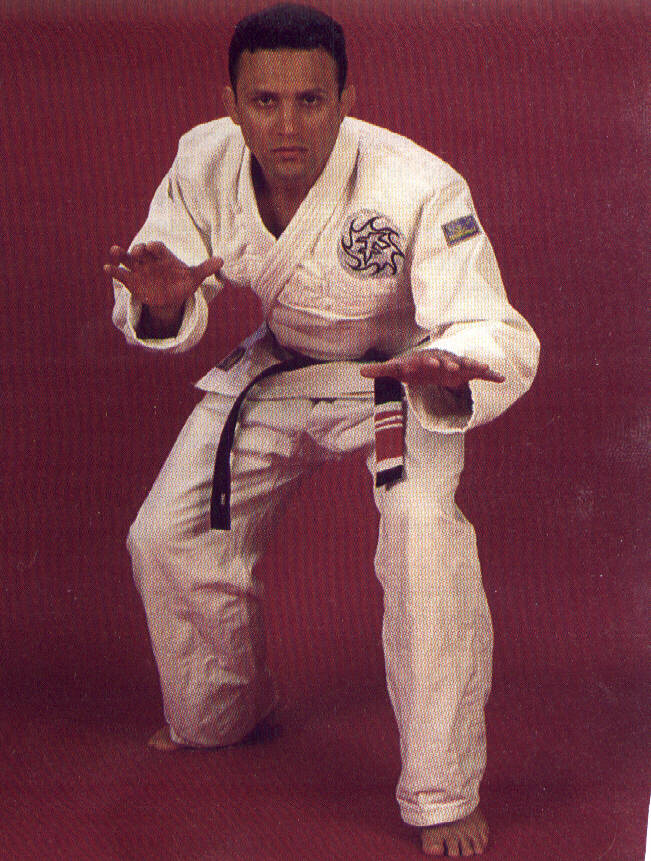
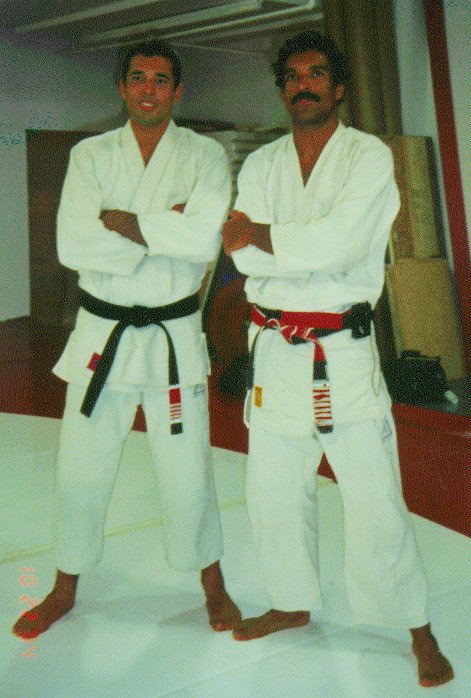
Brazilian jiu- jitsu or Gracie jiu- jitsu is a martial art indigenous to Brazil. It was founded and developed by the Gracie family. Carlos Gracie learned jiu-jitsu from a japanese judoka named Maeda who emigrated to Brazil. The arts roots derived from pre-war Kodokan Judo, western wrestling, and maedas own insights into combat.
Brazilian Jiu-Jitsu prefers bringing an opponent utilizing holda, armlocks, chokes, leglocks, and strikes. This stradegy takes away the advantage of an opponent with superior striking abilities. It can also mitigate the advantage of a stronger and much larger opponent relying on wrestling or grappling.
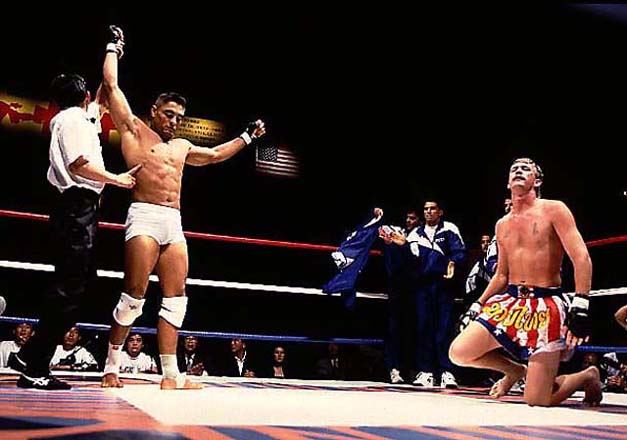
Brazilian Jiu-jitsu favors pragmatic techniques that were tested in numerous challenge matches by the Gracie clan and their students. In Vale Tudo ( which means "anything goes") tournaments in Brazil, Gracie family memebersa and their students have fought in these no-holds barred fighting matches for over 65 years and have fared very well against a multitude of combative arts both western and asain. Many martial arts have lost theircombative rationale. In Japan, for example, the arts of war (bujutsu) were corrupted into budo which means "Martial Way" With peace and the modernization of japan, dangerous and pragmatic techniques gave way to the martial arts that emphasized art over practicality as well as emphasizing self-improvement or socialization and eventualy sportive competition.Those familiar with pre-war Kodokan Judo understand the rapid transition of judo torwards sport and less on purely combative effectiveness as kodokan judo itself veered away from the "old" schools of jiu-jitsu and their often "dangerous" techniques as deemed by judos own founder Jigoro Kano. |