 previous page
 |
previous page |
The Red Sea has some of the best diving in the world. It was created by the movement of plates in the Earth's surface about 30 million years ago and it is 2,350 kilometers in length. It is the world's last great unspoiled tropical paradise, where every scuba diver or snorkeller has something to explore.
The name Red Sea does not indicate a real red colour, as the seawater is actually blue when viewed from far and transparent when held in hand. The Red Sea takes its name from the seasonal abundance of cyanobacteria Trichodesmium Erythraceum , minute algae, that have a brownish-red pigment. These algae, which live near the surface of the sea, bloom at certain times of the year, known as the the "red tide". They appear like groups of red and pinkish blankets on the surface of the water. After the bloom, the algae die, and they turn the sea reddish-brown. Many weeks can go by with hardly a puff of wind over the sea. The calm surface catches fire at sunrise and sunset, reflecting rosy heavens and the glowing pink hills that border this sea. Some suggest that the name Red Sea refers to the mineral-rich red mountains nearby. The author E.M. Forster stated that the "exquisite corridor of tinted mountains and radiant water" was named Mare Rostrum (Latin for Red Sea) by early travelers because of the region's reddish mineral-rich mountains.
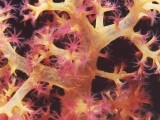 Red Sea Coral
 |
The Red Sea is rich in sea life. There are over 1,000 species of fish, 2,000 species of invertebrates, and 180 species of corals. Many of these species are indigenous to the Red Sea. Among the corals and anemones you can spot tough-beaked parrotfish, big-eyed squirrel fish, disc-shaped surgeon fish and countless other species. There are manta rays with wing spans of many meters, and there are the famous Red Sea sharks. Giant sea turtles lay their eggs on the sandy beaches. Pods of dolphins can appear to play around the boat, and even giant dugongs or sea cows are sometimes seen. |
Also there are seabirds - sterns, seagulls, sand plovers, herons, pelicans. Water temperatures range from around 15 degrees C in January, to around 29 degrees C in September. There are many dive shops in Jeddah, equipment may be bought or hired, and most of these shops offer courses with qualified diving instructors. These courses range from elementary tuition for beginners to recreational dives for the more experienced.
Several of Jeddah's large hotels offer weekend diving packages and some have their own private, man-made beaches with dive shops and easy access to the reef. Popular hotels are Al Nakeel Beach, Blue Beach, Sheraton Beach and the Al Bilad Beach. Snorkeling is a popular way to view the edge of the reef, especially for those with limited confidence in their swimming ability. however, most divers will say that there is nothing to beat the trill of experiencing the depth of the reef and the teaming marine life to be found there.
| One can also book space on one of the excursion boats that go out further to more colourful and secluded sections of the reef. However, before going on these boats, it is necessary to get a letter from your sponsor authorising you to make the trip and to bring along a passport or Iqama and your Saudi Dive Permit. |
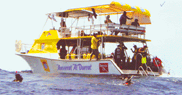 Excursion Boat
 |
 Back to Top