
|
| TIPS |
| Every new collector needs a place to start, and this is the advice that I can give. Keep in mind, that I speak of what I know. That is that, I will share the tips that have worked for me. I don't chase athletes in person. Therefore, I will not comment on in person tips. WHAT TO SEND? Personally, I collect autographed cards. Every graph in my collection is on a card. They are extremely easy to send, and recieve. Fairly cheap, and an interesting showcase for the signature. When choosing cards to send, try and pick cards that have a light background or picture. The darker the background, the harder it is to see the autograph. See examples below. |
|
|
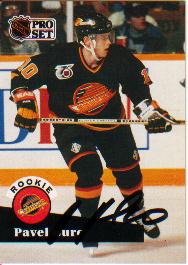 |
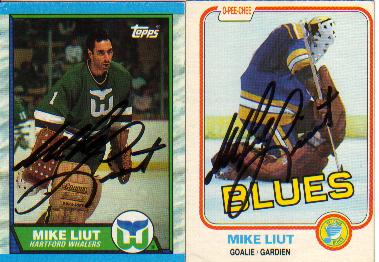 |
| Something that I do, that will make other collectors cringe, is send less then great condition cards. I collect as a hobby, and not as a potential income generator. So I don't care if they have creases or dog eared corners. When the athletes see these cards, they automatically know that I am not a memorabillia dealer. I believe that helps my success rate. Especially with retired players. Pucks, 8X10 pictures, index cards, books, pennants, magazines, clothing and print articles are other items that individuals collect. See their sites for more info. A SASE (self addressed stamped envelope) is EXTREMELY important. Always include a SASE with your request. The stamp on the SASE, should be the denomination of the country to which you are sending. Do not put an American stamp on a request to a Canadian team, nor a Canadian stamp to an American team. 90% of the time, it won't be returned to you. The amount of postage required to send a letter from Canada to the U.S. is 65cents. The same amount as to send a letter from the U.S. to Canada. Obtaining foreign stamps is simple. First, you can purchase them through the various countries postal sites, such as www.usps.com, and www.canadapost.com. A credit card is required. An easier way, and my favorite, is to trade stamps with fellow collectors. See my "Great Traders" page for links to people who trade stamps. Or better yet, let me know. I'm always looking to trade. The letter should be no longer then one page, and show that you are somewhat knowledgable of that persons career. The easiest way to do that, is to run a search on their name, and do a little homework. If you're lazy, your results will show it. If your letter sounds generic, your chances decrease at getting the autograph. The, to type, or not to type question, is an individual choice. I always hand write letters to active players, and type letters to retired players. Why? I don't know, but it works for me. Should I send to an athletes home address or not? I choose to stay away from that discussion. I have used home addresses, but I always try the team address first. Go with what feels right to you. When writing to retired players, ask if they have a charity you can make a donation to in exchange for their autographs. If they send word about one, make a donation. Do not use this tip, if you arent sincere about it. Lastly, do some homework. If you're reading this, then you're off to a good start. There is a mulitude of excellent websites out there, that will give you a wealth of information. See my LINKS page for examples. Good luck, and happy collecting. Feel free to EMAIL me with your comments. |
| GOOD BAD |