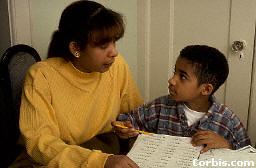
Parents must provide their children with necessities of life: food, clothes, shelter, medical care, education and protection.
� Food and Clothing. Parents must give their children enough nutritious food to keep them healthy and provide appropriate and adequate clothing.
� Shelter. Parents must provide their children with a place to live and cannot force their child to leave the family home while the child is a minor. The decision as to where the family will reside is made by the parent providing the home.
� Medical Care. Basic medical care as required by law must be provided by parents to their children. Parents must also provide care needed to treat serious conditions their children may have.
� Education. Parents are responsible for seeing that their children attend school as required by North Carolina law. They may select, within guidelines, which school their child will attend. Parents cannot prevent their children from attending school or allow their child to be truant.
� Protection. Parents are responsible for keeping their children free from harm imposed by others or by the child himself. If parents fail to protect their children, they can be charged with child neglect.
135. Does a child's right to support from his parents include the right to receive a college education?
A parent is not required to provide his child with higher education. As there is no requirement, the government attempts to make student loans accessible to pay for some of the expenses of a higher education.
136. What is foster care?
Foster care is a temporary placement for those children who cannot live with their biological or birth parents, guardians, custodians or caretakers. Children are placed in foster care while awaiting permanent foster placement, adoption or the return to their home.
137. What is adoption?
Adoption is a permanent placement of a child under age 18 in a home other than that of his/her birth parents. Once adoption is complete, the birth parents have waived their rights to the child, and the adoptive parents have assumed parental rights.
138. What rights do parents have in regard to their children?
Parents generally have the right to name, to exercise custody over, to receive earnings of, to discipline, to consent or withhold consent to the child's desire to marry or obtain a driver's license, to determine religious training and education, and to overall style of life.
139. Who is responsible for a child whose parents divorce?
When a married couple becomes divorced, they share the legal responsibility for their children no matter which parent has custody.
140. Whenparents divorce, with which one will the children live?
If the parents cannot decide, the court will decide through the process of a hearing. The court may consider the child's wishes but will consider other factors as well to determine what is in the child�s best interest. Generally, to change a court's decision, another hearing is necessary. Hearings are granted only when there has been a "substantial change in circumstances" justifying another hearing.
141. What is family counseling?
Family counseling is a service to provide assistance from a person outside of a family to help solve problems within that family. The purpose of family counseling is to help family members live and work together. If you would like to discuss the possibility of your family going to family counseling, talk with your parent(s), a school guidance counselor or social worker, or a counselor at the area mental health center.