A drug is a chemical which, once inside the body, reacts and causes emotional and/or physical effects.
80. What are the different types of drugs?
There are several types of drugs, including: stimulants, depressants, opiates, hallucinogens and PCP, marijuana and inhalants. For example, alcohol is a depressant and nicotine is a stimulant.
81. What is substance abuse?
Substance abuse occurs when substances are used in ways that significantly increase their hazard potential regardless of whether the drug is used legally, therapeutically or as prescribed.
82. What is chemical dependency?
Chemical dependency is an addiction of the mind and body to alcohol and other drugs. It is a disease.
83. What is the North Carolina Drug Paraphernalia Law?
The North Carolina Drug Paraphernalia Law prohibits the manufacture, delivery, sale, possession and use of drug paraphernalia. According to this law, paraphernalia is equipment, product or material of any kind intended or designed to facilitate violations of the Controlled Substance Act, which prohibits the consumption of certain substances by humans.
84. What is the No. 1 substance-abuse problem in North Carolina?
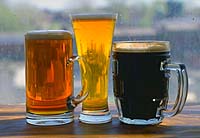
Alcoholism is the No. 1 substance abuse problem in North Carolina. Alcohol is classified as a depressant and is addictive. Those who drink to escape problems and pressures of everyday life are more likely to become alcoholics, as are individuals who grow up in families where substance abuse is a problem.
85. At what age may alcohol be legally purchased in North Carolina?
In North Carolina, a person must be at least 21 years old to purchase alcoholic beverages of any type. It is unlawful for those under 21 to:
(a) purchase or attempt to purchase alcoholic beverages;
(b) aid or abet someone to illegally purchase alcoholic beverages; or
(c) lend or borrow a driver's license or other identification to purchase or attempt to purchase alcoholic beverages.
The law requires a one-year driver's license revocation upon conviction for any of these offenses.
86. Is it illegal to drive while drinking or while under the influence of alcohol or other drugs?
Even if a person is old enough to legally purchase alcohol, it is illegal to drive while drinking or while under the influence of either alcohol or other drugs. In addition to the obvious danger to themselves, intoxicated drivers risk endangering the lives of passengers, pedestrians and other drivers.A new law now in effect makes it illegal for any passengers to have an open container of any type of alcohol in a motor vehicle.
87. What is the penalty for driving while impaired?
If a driver who is less than 21 years old is convicted for an offense of driving with any amount of alcohol or drugs in his/her body, his/her license will be revoked for one year. The offender may also be required to attend some form of counseling or drug education and to perform community service.Under state law, a person who gets behind the wheel with a blood-alcohol level of 0.08 percent or more is considered to be driving while impaired.North Carolina imposes very strict penalties on those convicted of driving while impaired. The state will revoke the driver's license of the offender and may impose a fine or imprisonment.
88. Is nicotine a drug?
Yes, nicotine is a type of drug known as a stimulant. Nicotine is addictive.Nicotine is most commonly found in cigarettes, chewing tobacco and snuff. Nicotine use can result in serious health problems, such as heart disease, stroke, high blood pressure and cancer.
89. What is crack/cocaine?
Crack is a pure form of cocaine (freebase) and can be smoked. Crack is also known as super white, white cloud and Cloud 9 on the streets. Cocaine also comes in a white, powdered form, which is snorted through the nose. Crack has become increasingly popular because it is less expensive than powdered cocaine and is more efficiently inhaled into the lungs. It is absorbed quickly and rapidly produces a high. Both types of cocaine are highly addictive and can cause life-threatening physical and psychological problems. Dependence on cocaine can cause a range of problems, including excessive spending and borrowing money, abuse of alcohol and other drugs, poor health, crime, emotional isolation, and family anguish.
90. Where may help for a drug problem be obtained?
Intervention and treatment services are available through school-based assistance programs and in every community mental health, developmental disabilities and substance abuse services agency in North Carolina. For adolescents, outpatient, inpatient hospital and residential programs are available and require no parental consent for treatment. If you need more information on alcohol, tobacco and other drugs, call 1-800-487-4890. To find out about treatment options in your area or to talk with someone about a substance abuse problem, call 1-800-662-HELP.