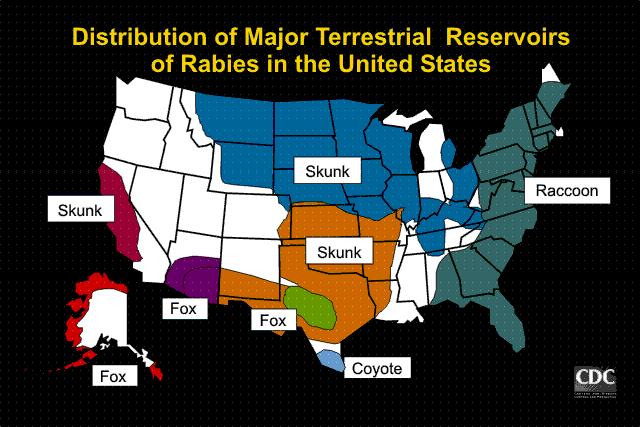
The rabies virus is a significant concern to Pennsylvania's residents. this deadly virus is on the rise in our state and across the nation. According to the CDC, in 2001, there were over 7,000 cases of laboratory confirmed rabies cases among animals in the US.Pennsylvania as a state has seen a nearly 20% increase from 1999 to 2001, and leads the nation in the number of domestic animals diagnosed with disease.
To aid in the prevention of the deadly disease citizens need to be aware of the diseases signs, symptoms, forms, and treatments. Regular vaccinations and fool proofing around the home are easy ways to protect ourselves as well, and is well worth the time involved. Our local legislators can help safeguard our residents by establishing Animal Control Programs. These programs can provide valuable services to our public and aid in keeping them safe from the threat of human exposure.
In Pennsylvania our most common rabies "vector" or carrier is the raccoon. The carrier will vary for each state.It is important to keep our pets out of harms way. By keeping our pets on a leash while outdoors, and giving them regular rabies vaccinations if they would happen to come in contact with the neighborhood raccoon, they will remain safe and not bring the disease home to their owners.
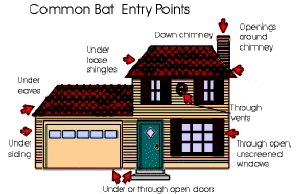
There are special considerations to be taken if you come into contact with a bat however.There have been reported cases that no bite was detected and yet the individual still contracted the virus. If you would come into contact with a bat, even if you do not feel that you have been exposed to rabies notify a health official.
What if you follow all of this advice and still come in contact with the deadly virus? There are precautions that you can take at the time of exposure. Please keep in mind however, that you still need to notify your state or local health department immediately.
|