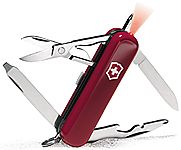
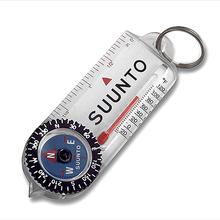
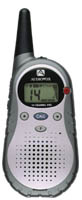
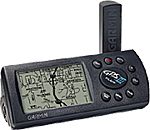
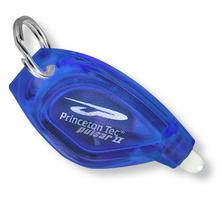
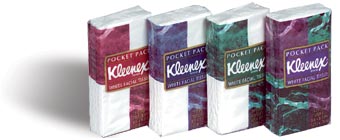
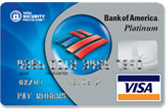
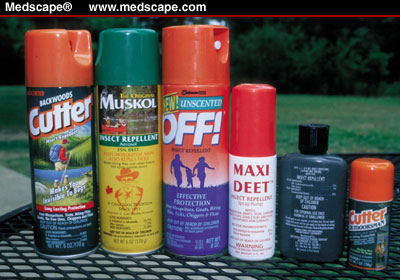
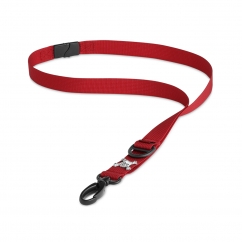
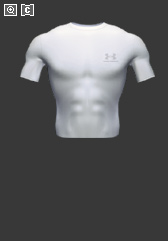
| What to Carry with you at all times when travelling: Always have a minimum of P2,500 ($50 USD) cash. I usually have a spare P500 ($10 USD) hidden on me in case of emergencies to get home. Normally I divide my money as follows: -lots of 1 Peso coins in a coin bag (for transportation on jeepneys, vending machines and for payphones) -lots of 10's and 20's for the taxi and FX -100's for the clubs, food, shopping, etc. (the bigger the bills the easier to short change you and rip you off, so always try to have exact change.) Necessary goodies to carry on you: -Your ID card, not your passport. -Medical Insurance card, for emergencies. List any allergies etc. -A Credit Card w/ATM access and international phone card. Master Card Cirrus is generally more preferable than either AMEX or Visa b/c it's more widely accepted. You'll want to carry just one or two cards and have a photocopy of your credit card kept separate so that you can easily report them if stolen. Have a backup stored someplace secure. Have a sufficient limit for emergencies just in case the ER doesn't recognize your insurance card and wants an immediate deposit. -Have a good ballpoint pen, you'll need it a lot to write down phone numbers, and directions. -Get a phone card for each phone company (ex.PLDT/Smart/Digi-tell) b/c nearly all the payphones use them instead of coins and each company does not share each other's phonecards. There's nothing worse than being at a phonebooth with the wrong phonecard. They are still good to have even if you carry a cell phone, for those unexpected low-batt situations. Have a card with a sufficient amount to make a quick overseas emergency call. -Have a pocket map, this is very important. Mark the locations of your family and friends' homes and any other places you want to go. It's best to write their phone numbers on the map itself so you don't lose them. The best map I used was called "EZ-Map Metro Manila. It has great landmarks shaped like the buildings themselves as well as important phone numbers printed on it for tourists. Learn to fold the map to view only those areas you are in. It's not a good idea to view the whole map in public. I was always able to reduce the map down to a relevant section and flip to another section while walking. It just takes practice. -Have a small 100% cotton handkerchief, b/c you'll definitely sweat a little, and you'll need it to breath in polluted areas. (also b/c there are no paper towels ever available for free!) You can find these for sale at any department store in dozens different designs. -Have a couple packs of disposable napkins/tissues, b/c there is often no toilet paper in the public bathrooms and even if there is a tissue vending machine it's usually empty. (the small Kleenex tissue packs are best.) -Have a few wetnaps, they are great for cleaning up especially if you don't want to use the bathroom sink. -Travel toilet seat covers-available at most camping supply stores -A watch, this is self-explanatory, especially useful when you are to meet someone at a specific time at a specific location, although remember, "filipino-time" and traffic means meeting at least 15 minutes later. A decent analog watch works best and doesn't draw too much attention. -A tiny flashlight, it gets dark early so you'll need a flashlight to see things either while commuting, during a electricity brown-out, in a movie theater, when in a dark restaurant etc. Get one that you can clip onto yourself and be left turned-on. You never know if you'll be tripping into a hole or walking into a trap.Tiny xenon bulb lights are great considering the size to power ratio. The Princeton Tec lights are small enough to fit on a key chain and are as bright and sometimes brighter than most standard penlights. Nice to have but not always necessary: -A Victorinox swiss army knife "Midnite Manager II" . It's very small, about 1" folded and it has a strong red LED light and a built in ballpoint pen, which covers two important items above. Very useful in clubs b/c you can write phone numbers with it in the dark. The bottle opener is also very handy. However, it maybe problematic to carry b/c of weapon screens. -A compass/thermometer key chain, available from "REI" came in handy in the maze of Makati where you could easily lose your bearings and the sun provides no directional reference during high noon. Just make sure that it is made for use in the Philippines, as magnetic north varies. -A cell phone, a very convenient item to have but not necessary because of the numerous public phones that exist. You can bring an "unlocked" 900/1800 MHz GSM SIM cellphone from the US and activate it in the Philippines to be used with a local SIM card and pre-paid time "load" cards. Analog service is more widely available than digital throughout the entire RP but that is quickly changing. Digital has the added bonus of text communication. A good tactic is to check in often and let someone know where you are at and how long you will be. It's always a smart idea to let the driver of a taxi know you are calling someone and giving them the name and number of the taxi. Doing this may deter a kidnapping attempt. -A set of GMRS/FRS radios, if you're with a group it's best to stay in communication with them if you split up in a large area such as a mall. Other than a cell phone, GMRS/FRS radios work great and are sometimes better within concrete structures like Megamall. Range is 2 miles max line-of sight for FRS frequencies but expect about 1/4 of that inside a mall. GMRS is more powerful with 5 miles range. Best coverage is achieved by having one party stand in the middle of the mall on the upper level. Since they cost about $20-50 USD a pair, you can outfit the whole family with them. You won't be troubled with a meeting time that no one ever adheres to. Plans can and do change. You can leave one with the driver to establish a convenient rendezvous. Models with 14 channels and 38 sub codes work best or else face inevitable interference with other users. -A GPS receiver, you can pinpoint your exact location outdoors and refer to it with your map once you have marked waypoints as location references. It's a simple matter of marking where you are and the GPS can tell you the direction, distance and travel time back to that location. My Garmin GPS III can retrace the exact path back. Very helpful when you are in the province but difficult to use in urban terrain where signals are often blocked by the tall buildings and especially if you are under an LRT line. -A mini umbrella. It's not just for sudden showers but also serves as shade from the sun. Black is a good color to reflect heat. Automatic open/close types are convenient and cheap. -A pocketsize plastic poncho, although an umbrella helps, it's best to have one to wear just in case you encounter sideways rain and/or mud puddle splashes from inconsiderate drivers. During my last trip it would have been helpful during a extreme down-pour in Makati. The umbrella could not keep up. -polarized sunglasses, don't be cheap when selecting sunglasses, they make a difference. Having a hard storage case is good. You'd rather be able to store your sunglasses in your pocket than dangling on your collar to be snatched. -Bug spray, to be effective the bug spray you select must have Deet. Spray mostly your boots and pants. -Sunscreen, get the maximum level available. (hardly needed unless you are constantly in direct sunlight. Stay in the shade and use an umbrella). -Carabiner, you'll always need to clip something to you like a hat, gloves or umbrella. . (used often to clip my backpack to handholds in cars and bathroom doors) -Small Digital Camera, hey, you're on vacation so take as many photos as you like. With a digital camera you don't concern yourself with wasting film. With a good 1GB memory card you can take hundreds of photos and just delete the ones you don't want later. You'd be surprised at what turns out to be a good shot and what doesn't. An added benefit would be a camera that can take good MPEG video in decent light. -Lanyard for your keys. You don't want to lose your keys so keep them on a long leash so to speak. Attach your flashlight and compass too. Use a nice bright color. What Clothes to Wear: Generally, you want to wear comfortable clothes that allow you to go anywhere. When I say "anywhere" I mean as dictated by the activity, weather and the typical Filipino elitist mentality whereby a person is unfairly judged solely by their appearance. Be modest in your attire but still respectable. I would advise against wearing any jewelry in public. -Boots. Some places don't allow you to enter their establishments if you are wearing tennis-shoes (aka. rubber shoes), even if they cost more than a months salary. Boots also allow you to trudge through all the muck streets. Timberland makes boots that look stylish are easy to polish and feel comfortable enough to walk in for hours, and run quickly if necessary. Your boots can be weapons in and of themselves. Black or Brown leather boots match just about everything and are even suitable for certain formal engagements. -Cargo Pants/Khakis/Jeans. Cargos allow you to carry everything listed above, zippered pockets with redundant velcro are great. With velcro, you'll be able to immediately hear if your pockets are being opened by pickpockets. You can easily have velcro sewn into your pockets. Cargo pants that convert to shorts are the best, because you can wear shorts for comfort then just re-attach the lower legs once you have to enter an expensive establishment. Sometimes you'll want to cover your legs anyway if there are too many mosquitoes. Khaki is a good color that will keep you cool and reflect heat. (note: cargos are definitely out of style in the PI. However your main concern is comfort and convenience. If not cargos than I would suggest some nice wrinkle free Polo Chino Khakis). Chinos can be worn in certain formal gatherings. Jeans always look good are nice for casual shopping and sightseeing but feel sticky after a while. -Polo Shirt and T-shirt A short sleeve polo shirt can be worn everywhere and it is comfortable. However, I suggest wearing a t-shirt underneath. The reason being is that you will inevitably sweat so why not avoid showing it by having a layer between you and the outer Polo. Having two shirts on also keeps you warm when the air-con is too cold inside the malls. "Underarmor", is fast becoming a popular hot-weather material. Better than 100% cotton as it wicks sweat away and is easy to clean. White is generally a comfortable color. Darks are prone to attract mosquitoes. -A nice leather Belt, A leather belt can support your weight when a carabiner is attached. It also makes for a great defensive weapon. My ideal belt has a hidden zipper to store additional cash. -Baseball Cap, wearing one takes some of the sun off your face and the rain off your head. When you take it off it can be carried on your carabiner. (I never used one on my last trip but it would come in handy during the rainy season) -A fanny pack, normally I would advise against wearing one because it screams tourist, however, they are very useful and often necessary. How else are you going to carry something hefty and delicate like a digital camera? Keep in mind to wear the pack towards the front and select a material that is difficult to slice open. -backpack, this made carrying everything much easier. All necessary items go into your two pockets and everything else can go into the backpack. Try not to use a backpack that is too large as it reduces mobility and causes you to carry more stuff than you need. Always have space for things your are going to buy. The backpack is very convenient when shopping and commuting and is better than lugging store bags around. The only problem is the constant hassle of checking the bag in to each store for security and the potential to be targeted by snatchers. Have one that can be well secured but can easily be searched. Recent Notes: You can add or subtract from the list above depending on weight and place everything in a backpack but here's what worked for me at the very minimum this last trip just for my two pockets alone: -wallet (held nearly everything below) -$200 USD cash/coins -multiple phone cards a PLDT (for use in Manila) and Digi-tel card (for use in Pangasinan) -Visa Platinum credit card issued by Bank of America (widely accepted) -State Issued Driver's License -2 individual wet naps and 2 toilet seat covers kept inside the wallet -1 kleenex tissue pack (a few sheets can be carried in the wallet) -Latest "EZ-Map" -lanyard (mini knife, mini-light, and key were connected to my leather belt) GPS was also useful but don't always rely on it because signal lock can be difficult. EZ- Map is more reliable in the city but the GPS proved it's worth in the province at night where all the houses looked the same and I was able to narrow down the area of the house I was looking for. I'd consider using one again but just a much smaller version. By creating waypoints and using the track log I made a complete map of the Tayug, Pangasinan area. I also made a map of manila that way but the results were cluttered. Consider using a 12-volt/AC auto plug on long trips to save on batteries. The digital camera is very nice to have but consider having a smaller version. The flash can consume lots of batteries and disposable batteries were necessary as backups. The umbrella proved its worth but it was not so easy to carry around without using the backpack. Otherwise I'd have to always carry it by hand because it's too big for the pockets. Auto open/close helped a lot. The umbrella was a great relief from the heat while walking. What to carry in a car if available: -white 100% cotton towel -bottled water -cooler bag -babywipes -change of clothes NOTE ABOUT SAFETY: If you feel the need to carry some sort of weapon, then you are unfortunate enough to be in the wrong place at the wrong time. Generally Manila is safe for the public. True there are many thefts, heated altercations and even abductions. But you can avoid those by avoiding areas prone to crime, keeping your distance away from questionable characters and maintaining a level of awareness for possible danger Maintain your personal space and if anyone gets too close, assume you're being pick-pocketed. Don't store anything in your back pockets and use zippers/velcro. Avoid having to carry too much stuff such as an overloaded backpack that may slow you down and become a distraction. Although, a backpack is preferable to having your arms occupied by shopping bags. Don't wear anything flashy while commuting. In Makati for example, private security is ever present. The malls and clubs always screen patrons for weapons. The neighborhoods are somewhat safe because everyone knows one another, just have a local accompany you for a tour. If you still feel concern for your personal safety, then check out My Combatives Pages for a brief self-defense introduction. Mabuhay! |
 |
 |
| Glorietta shopping plaza in Makati |
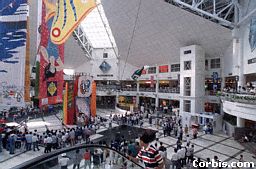
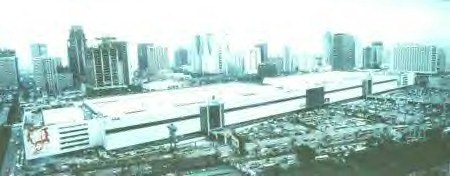
| SM Mega Mall located in Ortigas an amazing 331,657 square meter structure, built on a 10.5 hectacre site with six levels. Approximate number of stores/shops is 550. Available parking for 3,000 cars. |
 |
| Victorinox Swiss Army knife *actual size |
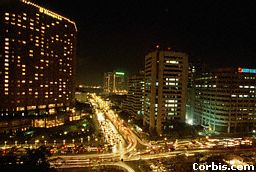 |
| Intersection of Ayala and Makati Ave. There's traffic even at night |
 |
 |
 |
 |
 |
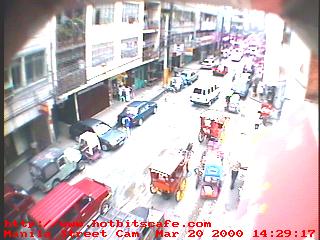
| Commuting in Manila 2 |
 |
| Click next to view a map of manila, the manila LRT/MRT route and manila links |
 |
 |
 |
 |
 |

|
 |
 |
 |
 |