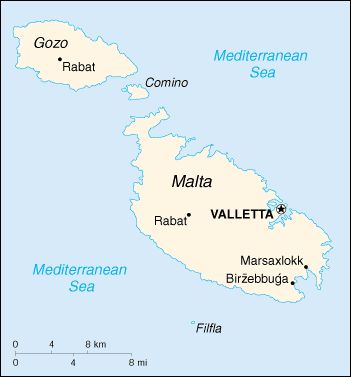
The Maltese islands are a striking part of the Mediterranean located ninety-three kilometers south of Sicily (Wilson 23). The Mediterranean Sea encases the three populated islands (Malta, Gozo and Comino) that make up this appealing country (Wilson 23). National Geographic recently described the beautiful islands of Malta as �Europe�s best-kept Secret� (1). The mild weather, diverse marine life, and interesting dive sites make this country an attractive place for divers from around the globe. However, the increasing popularity of these islands greatly challenges Malta�s coastal areas. There are now concerns about the over-development and litter within the beach regions. The quality of the seawater and the drinking water in this vicinity is also cause for alarm. The Maltese islands remain an exquisite part of our globe and an asset to the diving community. However, it is important to execute a developmental plan during the next decade to ensure protection from exploitation and over-development in this region. Future generations deserve to explore this diving paradise; therefore adequate actions must be taken immediately. This article will discuss the current problems pertaining to Malta�s coastal regions, and will explore the current resolutions to these issues.
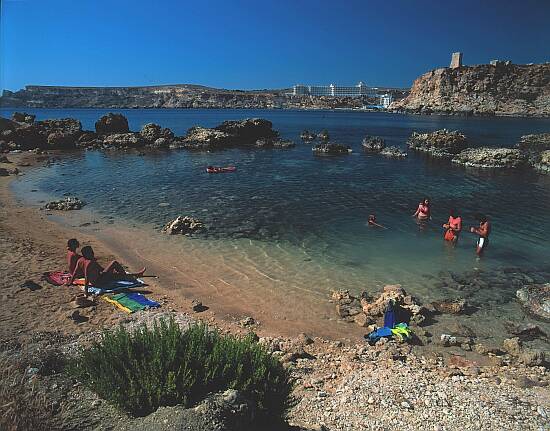
The present use of Malta�s coastal areas greatly pressures the beach regions. The increase in population, tourism and industry has caused disturbance to the beautiful shorelines (�Johannesburg Summit 2002�, 1). Tourists demand beach areas during their visits, and since tourism is a fundamental aspect to Malta�s economy, it is essential that the beaches remain attractive (Gardiner 1). While tourism requires the beaches to stay ideal, it also remains responsible for much of the damage on the coast. Many hotels and resorts built on the coastlines cause erosion in parts of the sand areas (Lockhart et al. 259).
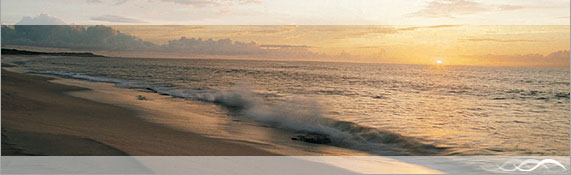
Malta�s residents flood the lovely beach areas during the hot summer months while beach visits also remain a strong interest for vacationers (Lockhart et al. 259). Although visiting beach districts is a popular activity for both locals and tourists, only 2.4 percent of the coastline consists of sandy beaches (Lockhart et al. 259). Use of the small sandy coastline jeopardizes some of the plant-life in Malta. Calystegia soldanella has not grown within the last fifty years, while Echinophora spinosa and Sea Holly are continually removed from coastal areas to create attractive beaches (Lockhart et al. 260).
The popularity of sunbathing on the beaches of Malta threatens the life of the above plant species. The large influx of coastline visitors also creates concern for beach litter. It is important that the beaches remain aesthetically pleasing for tourists, while health and environmental standards also stay sufficient (Gardiner 1). Vince Gardiner of the Roehampton Institute London surveyed the litter on four beaches in Malta during April 1995. Golden Bay, Ghajn Tuffieha Bay, St. George�s Bay and Pretty Bay were selected for his study.
These four beaches were selected for the following reasons: the diversity of the coastlines, their range from east to west on the island and their popularity. Although beach litter in Malta was found to be low in comparison to other places, Ghajn Tuffieha Bay (located on the northwest coast) had an alarmingly high litter density (Gardiner 2). The northwest coast remains the most popular area for visitors in Malta, and consequently visitors disrupt these beaches the most (�Johannesburg Summit 2002�, 1). Specifically, Ghajn Tuffieha Bay on the northwest shore must be looked after to avoid further deterioration of the environment and to ensure health safety (�Johannesburg Summit 2002�, 1). High levels of litter are a threat to Malta�s economy and a danger to the environment (�Johannesburg Summit 2002�, 1).
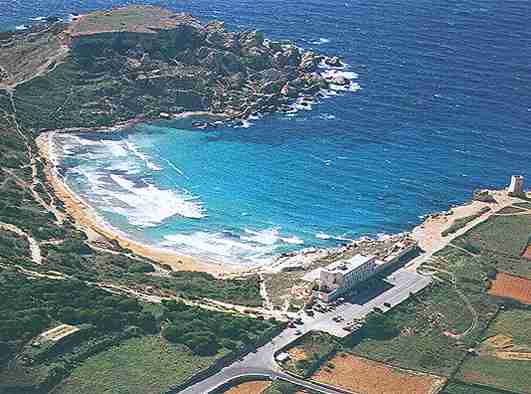
Ghajn Tuffieha Bay is accessible to everyone. During Gardiner�s study, the density of litter on the beach was 72.63 gm sw., (in contrast to less than 15 gm sq. on the other three beaches). Plastic, foam, bottles, candy wrappers and cigarettes provided the majority of the litter found on the beach. Rope, metal and dog faeces were also present in the samples taken (Gardiner 3). Towards the back of the beach extremely large waste items were found including a freezer cabinet and an oil drum (Gardiner 2). Not only do all of these objects damage the beach, but they also have a great effect on all systems surrounding it (Gardiner 2). Horsman states, �It has been estimated that each year more than 2 million sea birds and 100 000 marine mammals die after becoming entangled in or eating marine debris� (qtd.in Gardiner 1).
The current conditions of beach litter in Ghajn Tuffieha Bay are detrimental to the exquisite marine life that the Mediterranean Sea has to offer. One of the obvious differences between Ghajn Tuffieha Bay and cleaner beaches is that there is �no collection or management of litter� (Gardiner 2). The simple collection of litter or placement of more garbage containers along the beach would greatly decrease the debris in this region (Gardiner 2). There have been efforts made to clean the northwest coastal region of Malta. The Malta Environment and Planning Authority, the Ministry of Health and the Ministry of Tourism have worked alongside other councils on the following campaign:
"Between 2000 and 2002, a Mediterranean Action Plan, Coastal Areas Management Program (MAP CAMP) project, of the United Nations Environment Program was undertaken to address integrated coastal zone management in the North West of Malta. Two of the activities addressed Tourism, Environment and Health (THE) and Marine Conservation Areas (MCA)" (�Johannesburg Summit 2002�, 2).
The project anticipates to clean up the degrading beach areas, and has the following objectives: to protect and conserve the natural environment, to increase the fulfillment of beach users, to create better tourism, to reduce conflicts among marine users and to monitor the coastal regions (�Johannesburg Summit 2002�, 2). Such initiatives illustrate an understanding and a desire to ensure sustainable development of the beach areas in Malta that are currently suffering. It is essential that the coastline in Malta is not over-developed or polluted, in order to sustain healthy marine life in the Mediterranean Sea.
The diverse marine life surrounding Malta�s coast provides one of the richest aquatic worlds found in Europe (Wilson 25). Cup corals, sea anemones, sponges, starfish, sea urchins, crabs, lobsters, swordfish, and octopus are among the common life forms found in the depths of the Mediterranean Sea (Wilson 25). Lucky divers may also catch a glimpse of a seahorse or a loggerhead turtle (an endangered species) (Wilson 25).
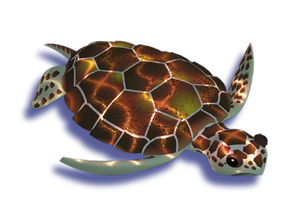
Shark diving is also common in Maltese waters seeing that these waters are known to be the most shark-infested areas of this region (Wilson 25). The marine life that surrounds Malta provides valuable sightings of aquatic creatures for all divers. However, the increase in divers, fisherman and pollution challenges the precious creatures living in the Maltese waters (Wilson 25).
Currently there are no marine conservation areas, although there is a non-profit organization (Marine Life Car Group Malta) devoted to maintaining Malta�s underwater surroundings (Wilson 25). The preservation of Malta�s marine environment needs to be greatly considered. Pollution is one of the most harmful factors contributing to the current contamination of seawater. The disposal of garbage and untreated sewage exposes Maltese waters to various harms.
Recreational divers occasionally complain about rubbish disrupting previously beautiful dive locations (Lockhart et al. 255). The seawater quality currently remains under close supervision. The European Union has recently negotiated with Malta�s Resources Authority to make changes in the treatment of marine areas (Cordina, 1). The standards of the European Union are not currently being met in the waters of Malta; therefore there are great changes underway to improve the waters of this region. The largest concerns to date are the disposal of hazardous waste materials in the Mediterranean, and the disposal of untreated sewage (Cordina, 1).
Swimmers and divers must be aware of the quality of seawater that they are immersed in. Poor bathing water can cause health problems and degradation to the coastal areas (Lockhart et al. 255). It is important for swimmers and divers to be sure that they are not entering contaminated water.
The laws that the European Union has implemented are slowly ensuring safer bathing in Maltese waters (�Water Quality�, 2). The water is constantly being tested by the Department of Public Health. The European Union implemented a system to advise sea users of high quality beach regions (�Water Quality�, 3). �Blue Flag�s� are given to acknowledge high quality beaches in countries throughout Europe (�Water Quality�, 2).
This important initiative persuades beaches to maintain high standards, as visitors value this helpful signal (�Water Quality�, 2). Due to the slow implementation of sanitary regulations in Malta, it is important for beach users and divers to research the quality of water in the area they wish to visit. By March 2007 the hazardous waste and sewage disposal should be minimal, and thus standards will be greatly increasing over the next few years (Cordina, 1). At this time, swimmers and divers must be aware of the quality of water in the regions they plan on exploring and look for �Blue Flag�s� as indication of water safety.
After the diving is over, what is to drink? Concerns for Malta�s drinking water supply also exist. The densely populated islands of Malta have little access to fresh water supply (Camilleri 335). Currently the drinking water contains an abundance of lead and nitrates. The European Union suggests that the levels of these substances lower to ensure healthy safety (Cordina, 1). Through negotiations Malta has promised to raise drinking water standards substantially before 2006 (�Water Quality�, 3). The goal to reduce chloride, sodium, sulphate and iron will be completed before 2008 (Cordina, 1). Visitors should be aware of lower quality drinking water and consider drinking bottled water while vacationing.
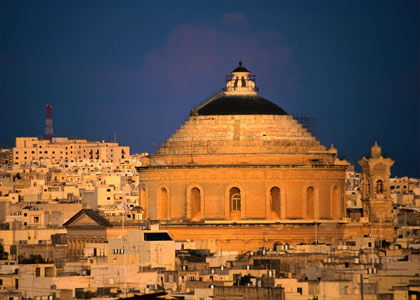
[Above picture taken from http://www.lonelyplanet.com/destinations/europe/malta/]
Although there remain issues surrounding the coastal regions of Malta, divers should not miss out on the opportunity to explore this exquisite country. The beauty and diversity of the beaches and aqua life are a treasure to our world. This extraordinary country is obliged to successfully execute the current agreements that have been made with the Malta Environment and Planning Authority, the Ministry of Health, the Ministry of Tourism and the European Union. Beach areas must be kept clean, and must not become overdeveloped.
Currently, the northwest beach regions (especially Ghajn Tuffieha Bay) deserve particular attention to prevent further degradation. The decline of hazardous waste and sewage disposal in the sea will continue until 2007 when regulation levels should be reached. Swimmers and divers should be aware of the quality of water in the regions they choose to visit, and understand that there still remain several beautiful and clean areas to explore. Visitors should also be conscious of possible drinking water contamination.
Many incentives summon divers from around the world to discover this central area of the Mediterranean. Malta is a safe country that has luxurious yet inexpensive dining and accommodation (Buckmaster 82).
The precious underwater scenery matches the rich and ancient artifacts of Malta�s lands that date back as far as 7000 years ago (Buckmaster 82). The island remains a precious paradise to this globe, therefore sustainable development and proper care to the coastal areas of the Maltese Islands shall be sought after to ensure the eternal existence of this country.
If you are interested in diving malta, check out this Diving Malta website!
Works Cited
Buckmaster, Sheila Feldman. �Sixty Miles of Sicily, Malta May be Europe�s Best-Kept Secret�. National Geographic Traveler. April 2003: 76-83.
Camilleri, F. �How to Tackle Water Problems in Connexion with Countries Similar to Malta with Small Surface Area and Little Rainfall�. Selected Water Problems in Islands and Coastal Areas. Oxford: Pergamon Press, 1978. 335-342.
Cordina, Elaine. �Lengthy Talks on Malta�s Environment Draw to a Close�. Aġġornat. Special Edition No 14, November 2002. 15 Mar. 2003.
�Johannesburg Summit 2002: 2 Management, Protection and Sustainable Use of the Coastal and Marine Environment�. Ministry for Home Affairs and the Environment. 2002. 15 Mar. 2003
Gardiner, Vince. �Beach Litter in Malta�. Department of Environmental and Geographical Studies, Roehampton Institute London. 15 Mar. 2003.
Lanfranco, E. and Patrick J. Schembri. �Development and the Natural Environment in the Maltese Islands�. The Development Process in Small Island States. Ed. Douglas G. Lockhart, David Drakakis-Smith and John Schembri. London: Routledge, 1993. 247-266.
�Water Quality�. Malta-EU Information Centre. 15 Mar. 2003.
Wilson, Neil. Lonely Planet: Malta. Australlia: Lonely Planet Publications Ply Ltd., 2000.