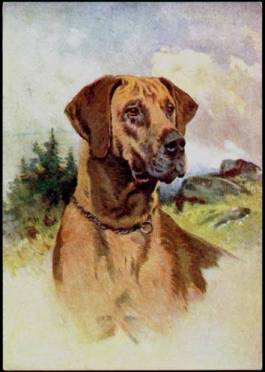
Great Danes are the perfect lay-around, love you, look great and act goofy dogs. They are low maintenance, needing relatively minimal grooming. However, they do need lots of attention. They are house-dogs, and as such cannot live outdoors away from the family. They require lots of love and attention. And, even though they have great size they can live comfortably in an apartment assuming they get enough exercise to keep fit.
There are mixed feelings about their exercise requirements from: they are couch-potatoes only needing a good 30 minute romp, to big dogs require more exercise than regular breeds. The majority opinion seems to fall that they require somewhat less exercise than the more active breeds, but they will adapt easily into your environment with a medium to low activity level.
The main points of concern on exercise is that:
§ Great Danes should not exercise at least 1 hour before and after meals, preferably longer. Bloat is a major problem for Great Danes and resting before and after meals relaxes the system and avoids this painful, deadly, and expensive problem.
§ Dane puppies should never be forces to exercise for long or hard periods of time. Their developing bones can be horribly damaged and cause terrible problems as they grow older. Ie: No jogging or road-work until the dog is 2 years old and the bones are set.
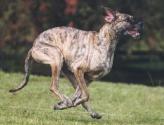
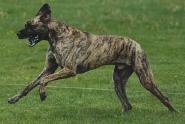
The Great Dane is a good watchdog being very territorial. Due to its size and bark that is usually all it takes to deter a thief. However, because they are territorial they require training from a young age to ensure they do not get overly aggressive.
Danes are easily trained due to their extreme desire to please. They hold a medium intelligence level, requiring patience and guidance. They do not need strong corrections, in fact, they are extremely sensitive and are known to mope and hide for hours if yelled at strongly.
Female dogs are smaller than males and tend to mature more quickly. This is why they are easier to train at an early age. They come into season (proestrus and estrus) twice a year for a period of 3 weeks, during which time they secrete drops of blood-tinged vaginal discharge (spotting) that sexually attracts male dogs. During this time you will have to keep the female locked indoors to prevent “accidental” breeding.
It is recommended that she be spayed between 6 and 8 months of age. This prevents unwanted pregnancies and incidents of uterine and ovarian disease, and it has beneficial behavioral side effects. Many owners observe a mellowing in their spayed female dog that reflects a calmer, more focused attitude.
Males are more aggressive than females with a higher desire to mark territory, even if it is your sofa, and can be more dominant.
It is recommended that he be neutered between 6 and 8 months of age. This prevents unwanted pregnancies and incidents of testicular disease, and it has beneficial behavioral side effects. It lessens male aggressive and territorial behaviors, but doesn’t affect the dog’s personality, and it prevents the need to roam in search of bitches in season.
One of the main concerns with this lovable breed is their relatively short lifespan. Average ages vary from 6-10 years, a healthy Dane usually living to around 8. There are some exceptions where Danes have been known to live till 12 years old, but this is a rarity unfortunately.
Return to Great Dane Handbook Home