 |
|
|
|
|
|
|
|
|
|
|
|
|
|
|
|
|
Photopage 2 |
|
|
|
A temporary page to provide viewing of altered photos from the jpl.nasa.gov/ -MER website. All photos can checked for information accuracy by seeking the original images at that site. The images have been altered slightly in tone range and brightness to provide increased recovery of information details and for easier viewing of the selected details. Soon both the originals and the altered photos will placed side by side on this page for that purpose. An in depth overview of the jpl.nasa.gov/ website is necessary for persons seeking a comprehensive and accurate understanding of the photographic cataloging taking place on Mars. The raw image data gallery and the photographic archives are available to the public.
This site and page will be expanded within a few days to accommodate the newest photos I have been preparing. Any complaints or suggestions can be sent to my homepage email address. |
|
|
|
 |
|
 |
|
|
|
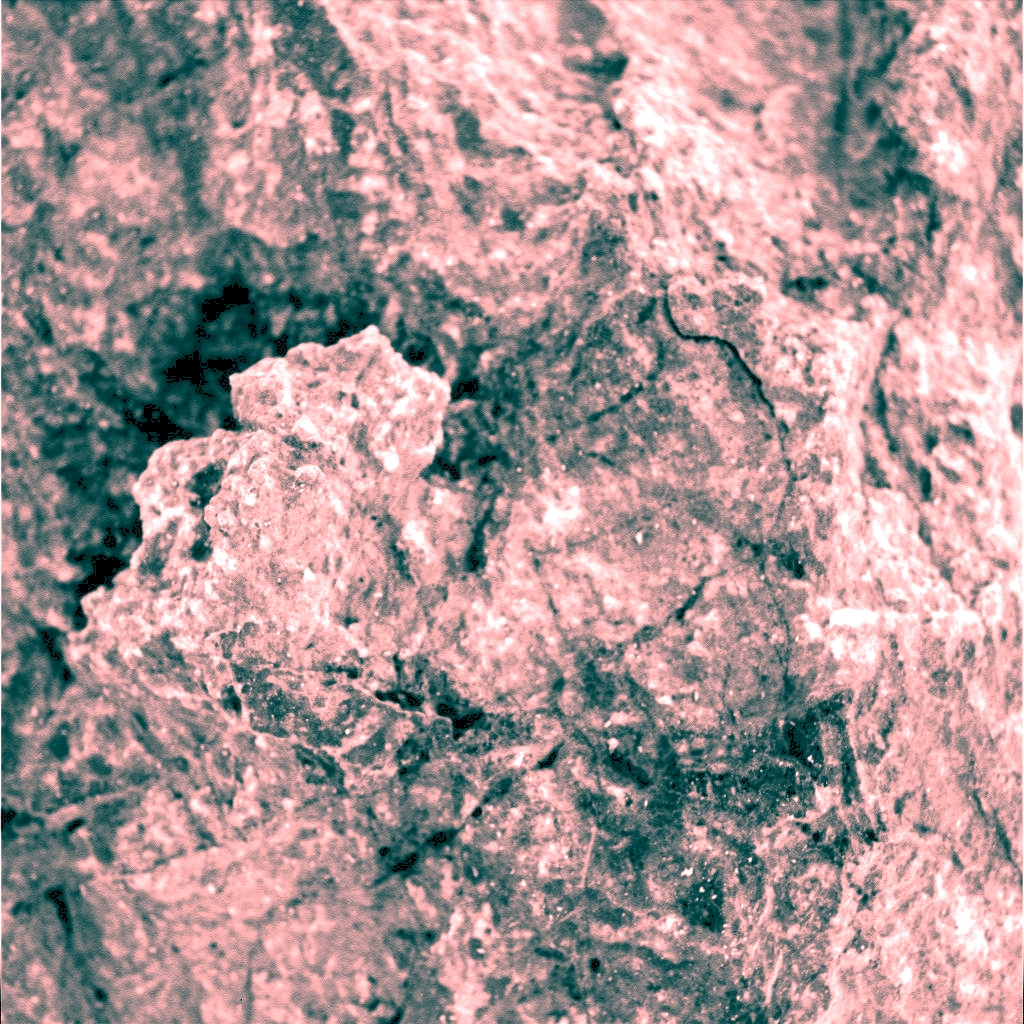
Bounce rock photo altered to show the locust(grasshopper) and two or three additional insects, including a possible translucent spider on the left. The two others appear to have facial appearances of fox bats. |
|
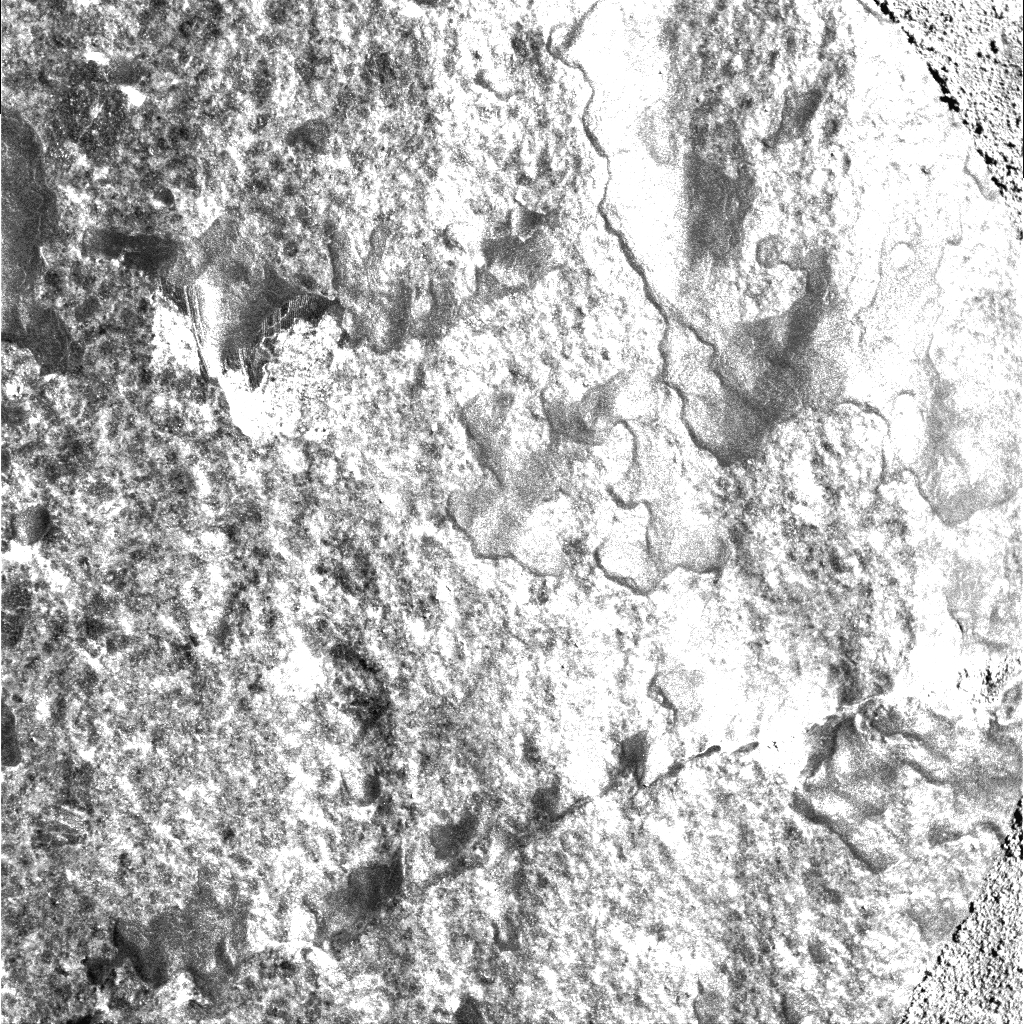
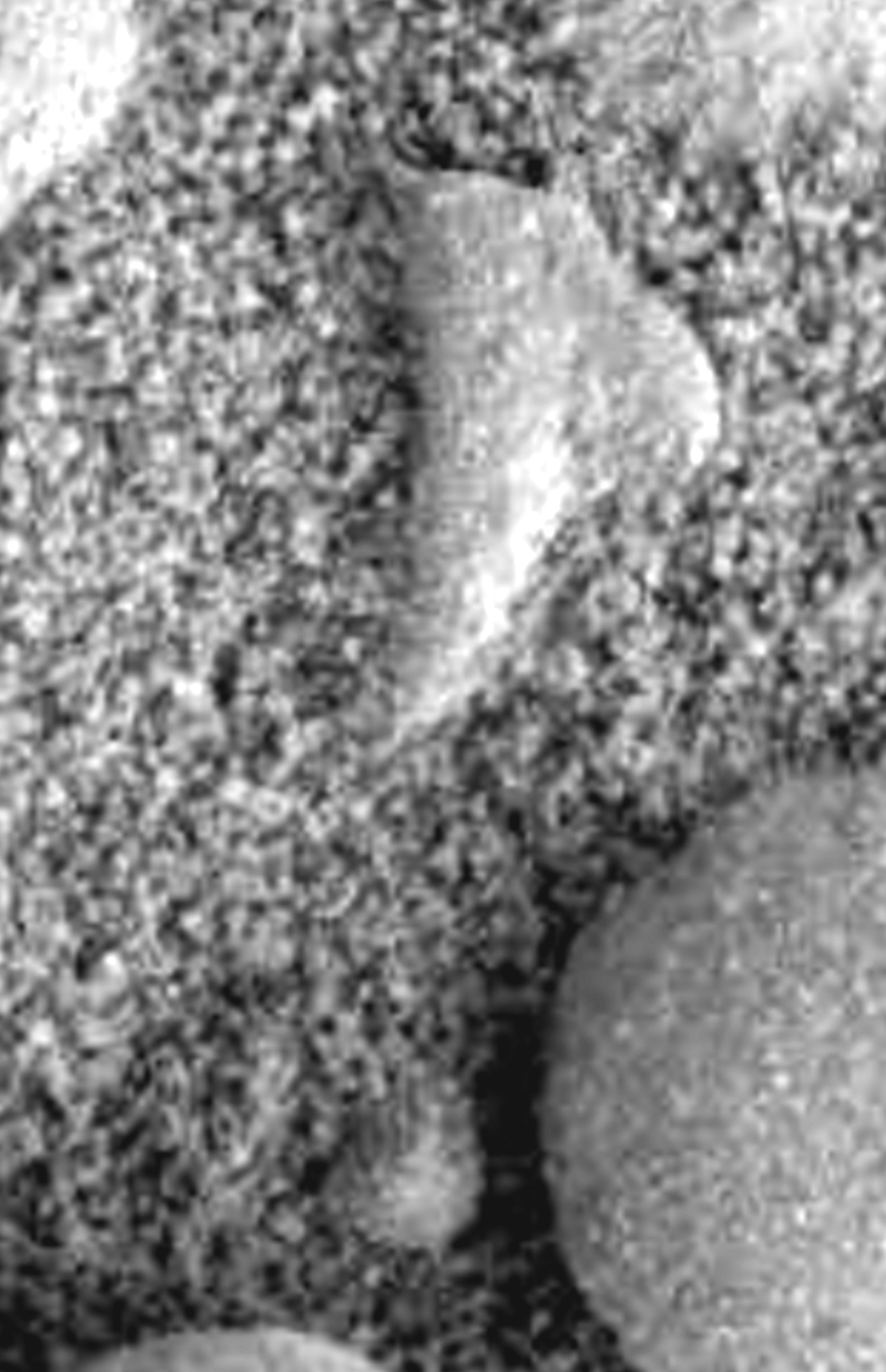
Route 66 rock photo from jpl.nasa.gov/ altered to show the cellular or grain texture of the various 'tissues' and segregated types of material. Tubules performing different functions and layered thin differentiated material is repeated in various parts of the image. The protruding 'thorns' are elaborately covered in patterns. Some tubules are two and three layered and carry a celled material which was fluid or flexible. |
|
|
|
|
 |
|
|
|
|
|
|
 |
|
|
|
|
This sphere from Opportunity sol052 shows a 'starfish' shape at the top of the sphere. Most embedded spheres have one. |
|
|
|
|
|
|
Objects found on Bounce rock. |
|
|
|
 |
|
|
|
 |
|
|
|
|
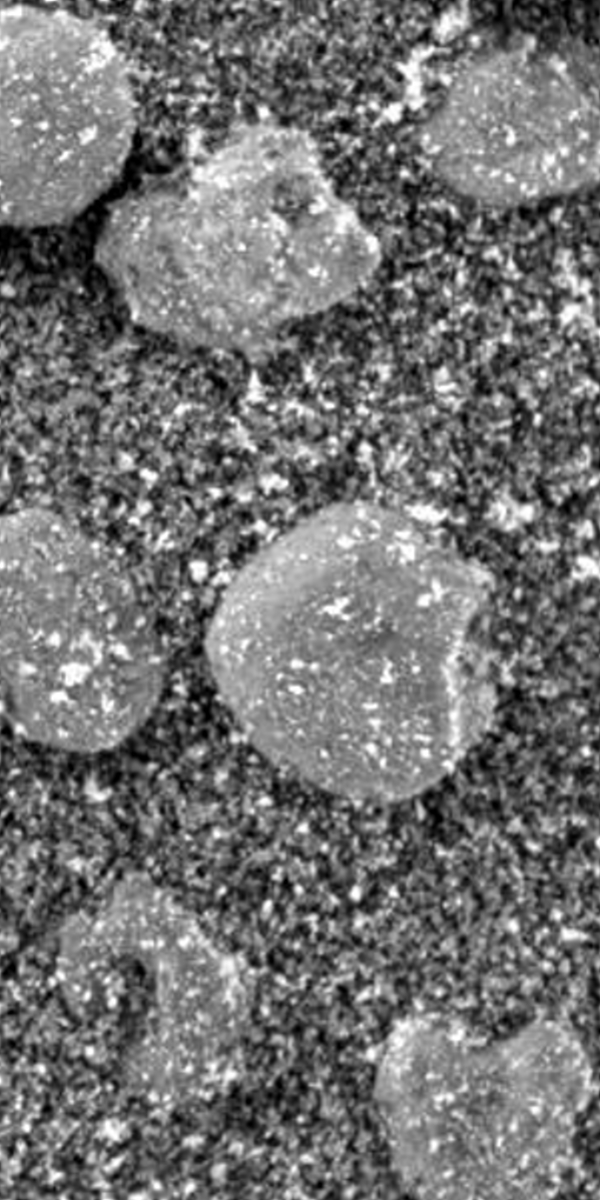
At the bottom right corner of this photo is a sphere with a light and dark varigated toned stem. It is similar in tone to worms found at the soil surface in these photos. The stem is unusual in appearance and different than most others seen attached to spheres. The stem issues from the right side of the sphere. It is the first round whole sphere from the bottom right. These types of objects are seen commonly on the soil surface of a large number of the photo locations on Mars, but not attached to spheres. Stems on spheres are normally the same tone and color as the sphere. |
|
|
|
|
|
|
An unusual 'claw' shaped stone with a recess where attachment would occur is at the center- the bottom of the cutting edge has a slight ridge of additional differentiated material along that part only.
At the bottom left corner is a soil dwelling worm extending vertically into the air a slight distance. The worms in this area are predominately light and dark toned, 'lumpy' with specialized extensions, and some issue a side 'arm' as an appendage, perhaps for sensing and as a viewing 'eye'. Some worms on Earth have these. The worms are occasionally seen horizontally at the surface and there are several types in a variety of appearances. The burrows are segmented tubules that extend downward into the soil, sometimes many times the length of the inhabiting worm. Due to the markings on the worms it is very difficult to see them. |
|
|
|
|
 |
|
|
|
|
|
|
These objects are a resemblence of sea cucumbers vaguely, however these exist on Mars at the surface at least part time, have many unusual 'arm' or extension accessory parts, and possess a particular 'arm' as you see in the photo which resembles the 'spheres' found loosly at the surface. Apparently there has not been a mobility check to distinquish how fast they move, if at all. Whether these qualify for a 'worm' or other biological living object is not yet certain. There are objects like these which have visual 'trails' from them accross the surface. |
|
