
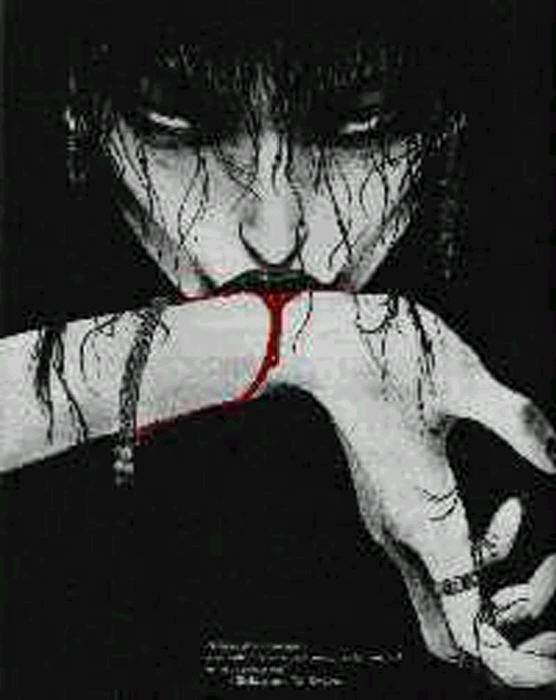
 Varied
Nature of the Vampire
Varied
Nature of the Vampire
 There are many
interpretations of the vampire myth both in folklore and legend. The nature of
the vampire varies greatly from culture to culture and often from region to
region with a general cultural area. There are documents available in our
nonfiction archives that will demonstrate some of the diversity of the legend
just within the narrow geographic region of southern and central Europe. In the
pages of fiction, each author has his or her own unique interpretation of the
vampire. The same can be said about films concerning the vampire. The precise
answer to many of the questions discussed below and on the list in general will
depend on your definition of the vampire. What is written here is an attempt to
distill a consensus of opinion from discussions that have taken place on the
list.
There are many
interpretations of the vampire myth both in folklore and legend. The nature of
the vampire varies greatly from culture to culture and often from region to
region with a general cultural area. There are documents available in our
nonfiction archives that will demonstrate some of the diversity of the legend
just within the narrow geographic region of southern and central Europe. In the
pages of fiction, each author has his or her own unique interpretation of the
vampire. The same can be said about films concerning the vampire. The precise
answer to many of the questions discussed below and on the list in general will
depend on your definition of the vampire. What is written here is an attempt to
distill a consensus of opinion from discussions that have taken place on the
list.

Manipulated by
Roel
Feeding: Frequency, amount and Animal vs. Human
 Most sources agree that
the vampire need not feed nightly, nor need the vampire kill his victim.
Probably the two authors cited most often on VAMPYRES are Anne Rice (_The
Vampire Chronicles_) and Bram Stoker (_Dracula_). Both of these authors often
show their vampires taking a relatively small amount of blood from their
victims. Victims sometimes linger for days before succumbing to death. Some
victims are never killed. While it is not necessary to kill the victim it always
remains an option. Rice describes her vampires as experiencing great pleasure in
the kill. Dracula's victims usually die eventually. The Count appears to haunt
one victim continuously until that victim finally is exhausted by the constant
drain of blood.
Rice occasionally has her
vampires go without feeding for long periods of time, entering a state of
suspended animation, sometimes for years. Her older vampires do not really need
to feed at all. Dracula feeds more regularly but he also appears to be able to
go without feeding for days at a time. The folklore of Europe
also makes it clear that the vampire may not necessarily kill his victim during
the first attack. Victims are often described as gradually wasting away over a
period of days or weeks. Other victims are reported to have been slain in a
single attack. Whether the vampire can
subsist off animal blood or must feast on the blood of living humans is
regularly a topic of debate on the list. As much as any other topic, the answer
to this question depends on the precise interpretation of the vampire you are
using. Rice occasionally has her vampire subsist off animal blood, though she
makes it clear that human blood is much more desirable. Dracula is never shown
subsisting on anything other than the blood of human victims. European folklore would
seem to allow the vampire to feed from animals. In many parts of Europe vampires
were reported to have assaulted cattle and other domestic animals. In some
regions the vampires appear to have fed mainly off the cattle and sheep herds of
the peasants. In other areas, vampires are almost never reported attacking
animals but seem to restrict themselves exclusively to human victims.
Most sources agree that
the vampire need not feed nightly, nor need the vampire kill his victim.
Probably the two authors cited most often on VAMPYRES are Anne Rice (_The
Vampire Chronicles_) and Bram Stoker (_Dracula_). Both of these authors often
show their vampires taking a relatively small amount of blood from their
victims. Victims sometimes linger for days before succumbing to death. Some
victims are never killed. While it is not necessary to kill the victim it always
remains an option. Rice describes her vampires as experiencing great pleasure in
the kill. Dracula's victims usually die eventually. The Count appears to haunt
one victim continuously until that victim finally is exhausted by the constant
drain of blood.
Rice occasionally has her
vampires go without feeding for long periods of time, entering a state of
suspended animation, sometimes for years. Her older vampires do not really need
to feed at all. Dracula feeds more regularly but he also appears to be able to
go without feeding for days at a time. The folklore of Europe
also makes it clear that the vampire may not necessarily kill his victim during
the first attack. Victims are often described as gradually wasting away over a
period of days or weeks. Other victims are reported to have been slain in a
single attack. Whether the vampire can
subsist off animal blood or must feast on the blood of living humans is
regularly a topic of debate on the list. As much as any other topic, the answer
to this question depends on the precise interpretation of the vampire you are
using. Rice occasionally has her vampire subsist off animal blood, though she
makes it clear that human blood is much more desirable. Dracula is never shown
subsisting on anything other than the blood of human victims. European folklore would
seem to allow the vampire to feed from animals. In many parts of Europe vampires
were reported to have assaulted cattle and other domestic animals. In some
regions the vampires appear to have fed mainly off the cattle and sheep herds of
the peasants. In other areas, vampires are almost never reported attacking
animals but seem to restrict themselves exclusively to human victims.

Taken from the book of Immortals by
Roel