

GONE BUT NOT FORGOTTEN. HIS LEGACY IN MUSIC WILL LIVE ON FOREVER....
|
|
|
|
|
|
|
|
|
|
|
|
|
|
|
|
|
|
|
|
|
|
|
|
||||||||||||||||||||||
|
||||||||||||||||||||||
|
||||||||||||||||||||||
| BIOGRAPHY | ||||||||||||||||||||||
| Biography by: Scott Yanow | ||||||||||||||||||||||
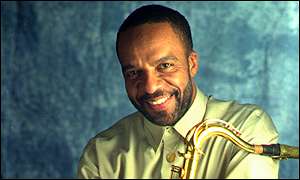
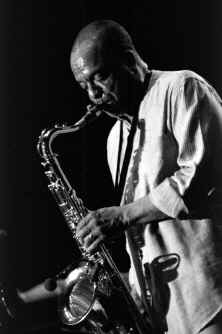
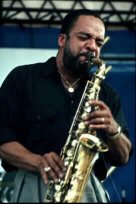
| One of the most popular saxaphonists of all time (even his off records had impressive sales), Grover Washington, Jr. (1943-1999) was long the pacesetter in his field. His roots were in RNB and soul-jazz organ combos, but he also fared very well on the infrequent occaions when he played straight-ahead jazz. a highly influential player, Washington was sometimes blame the faults of his followers; Kenny G. largely based his soprano sound on Grover's tone. However, most of the time (except when relying on long hit medleys), Washington pushed himself with the spontaneity and chance taking of masterful jazz musicians. | ||||||||||||||||||||||
|
||||||||||||||||||||||
| Grover Washington, Jr., whose father also played saxaphone, started playing music when he was ten and within two years was working in clubs. He picked up experience touring with the Four Clef from 1959-1963 and freelancing during the next two years, before spending a couple of years in the Army. He move to Philadelphia in 1967, becoming closely indentified with the city and then on, and worked with several organists, including Charles Earland, and Johnny Hammond Smith, recording as a sideman for the Prestige label. His biggest break occured in 1971, when Hank Crawford could not make it to a recording date; Washington was picked as his replacement, and the result was Inner City Blues, a big seller. From then on he became a major name, particularly after recording 1975's Mister Magic and 1980's Winelight; the latter included Bill Withers hit "Just the Two of Us." | ||||||||||||||||||||||
|
||||||||||||||||||||||
| Although some of his recordings since the found him coasting a bit, Washington usually stretched himself in concert, being almost overqualified fo the RNB-ish music the he performed. He developed his own voices on soprano, tenor, alto, and infrequently-used baritone sax. Grover Washington, Jr. recorded as a lasder for Kudu, Motown (or MoJazz), Elektra, and Columbia and made notable guest appearances on dozens of records ranging from pop to straightfoward jazz. Grover Washington Jr. succumbed from a sudden heart attack on December 17, 1999 while taping an appearance on CBS television's The Saturday Early Show; he was 56. The posthumous Aria was issued early the following year. GONE BUT NOT FORGOTTEN. HIS LEGACY IN MUSIC WILL LIVE ON FOREVER.... |
||||||||||||||||||||||
|
||||||||||||||||||||||
| Back | ||||||||||||||||||||||
|
||||||||||||||||||||||