
BIOGRAPHY
|
|
|
|
|
|
|
|
|
|
|
|
|
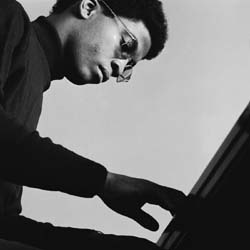
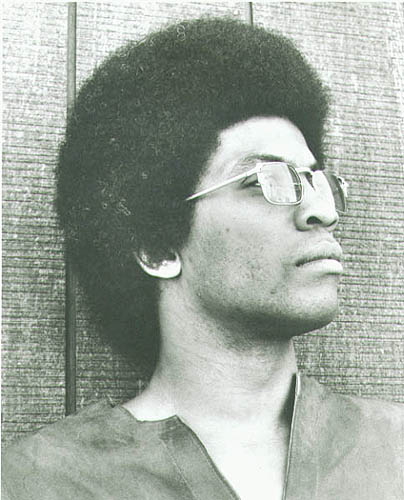
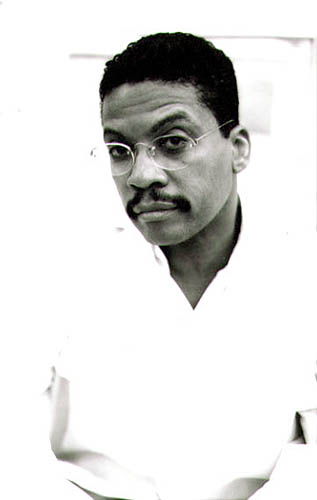
| HERBIE HANCOCK BIOGRAPHY |
||||||||||||
| Herbie Hancock (b.1940) began playing piano at his home in Chicago when he was seven years old. He gave his first public performance two years later, performed Mozart's D Major Piano Concerto with the Chicago Symphony when he was 11, and in high school he picked up an ear for jazz. After he graduated from Grinnell College in Iowa, he moved to New York City and at age 20, hooked up with trumpeter Donald Byrd. Byrd introduced him to Blue Note Records executives, and Hancock recorded his first solo album in 1963, Taking Off, which included appearances by Freddie Hubbard and Dexter Grodon. This album contained Hancock's first Top 10 hit, "Watermelon Man." | ||||||||||||
|
||||||||||||
| Soon Hancock got attention of the legendary Miles Davis, who invited Hancock to join his new group. While working with Miles, Hancock was introduced to and developed an interest in funk, particulary James Brown and Sly Stone. After working with Davis for several years Hancock decided to form his own band, the Headhunters a sextet that included Julian Priester, Buster Williams, and Eddie Henderson. With this group Hancock began pioneer what would be later called fusion as he, through his original compositions, melded ideas of funk and rock with jazz. Hancock took this opportunity to introduce himself to synthesizers. | ||||||||||||
|
||||||||||||
| The innovative 1973 Headhunters was the first album on which Hancock used a synthesizer. Up to that point his work was acoustic with the exception of a Rhodes Electric Piano. The album, which became the largest-selling jazz album in history, contained "Chameleon," another of Hancock crossover hits. Incorporating synthesizers at this pace was mitigated by Hancock's experience with electronics and apitude for the subject. After a few years, Hancock returned to his roots as an acoustic pianist with the V.S.O.P. Quintet, a recreation of Miles' band (without Miles), and several jazz artists. | ||||||||||||
|
||||||||||||
| In 1983, Hancock released Future Shock, which was both a pioneer electronic piece but also a hit on both RnB and dance charts. The single "Rock It" won Grammy for best RnB Instumental, and the album went gold. Hancock released Polyram, Dis is Da Drum in 1994, which reverberates with West African rhytyms. In 1997, Hancock released 1+1, a duet session with saxaphonists Wayne Shorter. The following year he reunited with his old Headhunter bandmates, to record and album, Return of the Headhunters, and hti the road for a series of summer concerts. Now well into a youthful middle age, Hancock curiosity, versatilty, and capaticy for growth have shown no sign of fading, and in 1998 he issued "Gershwin's World." | ||||||||||||
| Back | ||||||||||||