

Modern World History: The Enlightenment
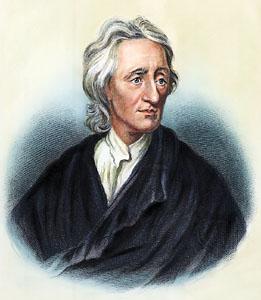
Path of the Enlightenment
The Enlightenment was an eighteenth-century philosophical movement of intellectuals who were greatly impressed with the achievements of the Scientific Revolution. One of the favorite words of these intellectuals was reason. By this, they meant the application of the scientific method to an understanding of all life. They hoped that by using the scientific method, they could make progress toward a better society than the one they had inherited. Reason, natural law, hope, progress-- these were common words to the thinkers of the Enlightenment.
The Enlightenment was especially influenced by the ideas of two seventeenth-century Englishmen, Isaac Newton and John Locke. To Newton, the physical world and everythin in it was like a giant maching (The Newtonian world-machine). If Newton could discover the natural laws that governed the physical world, then by using his methods, the intellectual of the Enlightenment thought they could discover the natural laws that governed humany society.
John Locke's theory of knowledge also greatly affected eighteenth-century intellectuals. In his Essay Concerning Human Understanding, Locke argued that every person was born with a tabula rasa, or blank mind.
Locke's ideas suggested that people were molded by the experiences that came through their senses from the surrounding world. If environments were changed and people were exposed to the right influences, then people could discover the natural laws that all institutions should follow to produce the ideal society.
Philosophes and Their Ideas
The intellectuals of the enlightenemnet were known by the French name Philosophe, meaning "philosopher". Not all philosophes were French, however, and few were philosophers in the strict sense of the term. They were writers, professors, journalists, economists, and above all, social reformers. They came chiefly from the novility and the middle class.
Most of the leaders of the Enlightenment were French, but even the French would have acknowledged the English had provided the philosophical inspiration for the Enlightenment. It was definitely these French philosophes, however, who affected intellectuals elsewhere and created a movement that influence the entire Western world. the Enlightenment was a truly international movement.
To the philosophes, the role of philosophy was to change the world. ONe writer said tha the philosophe is one who "applies himself to the study of society with the purpose of making his kind better and happier." One conducts this study by using reason, or an appeal to facts. A spirit of rational criticsim was to be applied to everything, including religion and politics.
The philosophes often disagreed. The Enlightenment spanned almost a century, and it evolved over time. Each succeeding generation became more radical as it built on the contributions of the previous one. A few people, however, dominated the landscape. We begin our survey of the philosophes by looking at the three French giants-- Montesquie, Voltaire, and Diderot.
Montesquieu
Charles-Louis de Secondat, the Baron de Montesquieu, came from the French nobility. His most famous work, The Spirit of the Laws, as published in 1748. In this study of governments, Montesquieu tried to use the scientific method to find the natural laws that govern the social and political relationshsips of human beings.
Montesquieu identified three basic kinds of governments: 1. rebublics, suitable for small states; 2. despotism, appropriate for large states; and 3. monarchies, ideal for moderate-size states. He used England as an example of a monarchy.
Montesquieu believed that England's government had three branches: the executive, the legislative, and the judicial. The governmetn functioned through a separation of powers. In this separation, the executive, legislative and judicial powers of the government limit and control each other in a system of checks and balances. By preventing any one person or group from gaining too much power, this system provides the greatest freedom and security for the state.
Montesquieu's analysis of the system of checks and balances through separation of powers as his most lasting contribution to political thought. The translation of Montesquieu's work into English made it available to American philosophes, who took his principles and worked them into the United States Constitution.
Voltaire
The greatest figure of teh Enlightenment was Francois-Marie Arouet, known simply as Voltaire. A Parisian, Voltaire cam from a prosperous middle-class family. He wrote an almost endless stream of pamphlets, novels, plays, letters, essays, and histories, which brought him both fame and wealth.
Voltaire was especially well known for his criticism of Christianity and his strong belief in religious toleration. He fought against religious intolerance in France. In 1763, he penned hsi Treatis on Toleration, in which he reminded governments that "allmen are brothers under God."
Throughtout his life,Voltaire championed deism, an eighteenth-century religious philosophy based on reason and natural lawy. Deism built on the idea of the Newtonian world-machine. IN the Deists' view, a mechanice (God) had created the universe. to Voltaire and most other philosophes, the universe as like a clock. God, the clockmaker, had created itset it in motion, and allowed it to run without his interference, according to its own natural laws.
Diderot
Denis Diderot went to the university of Paris to fulfill hsi father's hopes that he would be a lawyer or purseu a career in the Church. He did neither. INstead, he became a freelance writer so that he could study and read in many subjects and languages. For the rest of his life, Diderot remained dedicated to new ideas.
Diderot's most famourt contribution to the Enlightenment wwas the Encyclopedia, or Classified Dictionary of the Sceicnes, Arts, and trades, a 28-volume collection of knowledge that he didted. Published between 1751 and 1772, the purpose of the Encyclopedia, according to Diderot, was to "change the general way of thinking."
view the rest of the article on www.glencoe.edu/historymoderntimes
The Enlightenment was an eighteenth-century philosophical movement of intellectuals who were greatly impressed with the achievements of the Scientific Revolution. One of the favorite words of these intellectuals was reason. By this, they meant the application of the scientific method to an understanding of all life. They hoped that by using the scientific method, they could make progress toward a better society than the one they had inherited. Reason, natural law, hope, progress-- these were common words to the thinkers of the Enlightenment.
The Enlightenment was especially influenced by the ideas of two seventeenth-century Englishmen, Isaac Newton and John Locke. To Newton, the physical world and everythin in it was like a giant maching (The Newtonian world-machine). If Newton could discover the natural laws that governed the physical world, then by using his methods, the intellectual of the Enlightenment thought they could discover the natural laws that governed humany society.
John Locke's theory of knowledge also greatly affected eighteenth-century intellectuals. In his Essay Concerning Human Understanding, Locke argued that every person was born with a tabula rasa, or blank mind.
Locke's ideas suggested that people were molded by the experiences that came through their senses from the surrounding world. If environments were changed and people were exposed to the right influences, then people could discover the natural laws that all institutions should follow to produce the ideal society.
Philosophes and Their Ideas
The intellectuals of the enlightenemnet were known by the French name Philosophe, meaning "philosopher". Not all philosophes were French, however, and few were philosophers in the strict sense of the term. They were writers, professors, journalists, economists, and above all, social reformers. They came chiefly from the novility and the middle class.
Most of the leaders of the Enlightenment were French, but even the French would have acknowledged the English had provided the philosophical inspiration for the Enlightenment. It was definitely these French philosophes, however, who affected intellectuals elsewhere and created a movement that influence the entire Western world. the Enlightenment was a truly international movement.
To the philosophes, the role of philosophy was to change the world. ONe writer said tha the philosophe is one who "applies himself to the study of society with the purpose of making his kind better and happier." One conducts this study by using reason, or an appeal to facts. A spirit of rational criticsim was to be applied to everything, including religion and politics.
The philosophes often disagreed. The Enlightenment spanned almost a century, and it evolved over time. Each succeeding generation became more radical as it built on the contributions of the previous one. A few people, however, dominated the landscape. We begin our survey of the philosophes by looking at the three French giants-- Montesquie, Voltaire, and Diderot.
Montesquieu
Charles-Louis de Secondat, the Baron de Montesquieu, came from the French nobility. His most famous work, The Spirit of the Laws, as published in 1748. In this study of governments, Montesquieu tried to use the scientific method to find the natural laws that govern the social and political relationshsips of human beings.
Montesquieu identified three basic kinds of governments: 1. rebublics, suitable for small states; 2. despotism, appropriate for large states; and 3. monarchies, ideal for moderate-size states. He used England as an example of a monarchy.
Montesquieu believed that England's government had three branches: the executive, the legislative, and the judicial. The governmetn functioned through a separation of powers. In this separation, the executive, legislative and judicial powers of the government limit and control each other in a system of checks and balances. By preventing any one person or group from gaining too much power, this system provides the greatest freedom and security for the state.
Montesquieu's analysis of the system of checks and balances through separation of powers as his most lasting contribution to political thought. The translation of Montesquieu's work into English made it available to American philosophes, who took his principles and worked them into the United States Constitution.
Voltaire
The greatest figure of teh Enlightenment was Francois-Marie Arouet, known simply as Voltaire. A Parisian, Voltaire cam from a prosperous middle-class family. He wrote an almost endless stream of pamphlets, novels, plays, letters, essays, and histories, which brought him both fame and wealth.
Voltaire was especially well known for his criticism of Christianity and his strong belief in religious toleration. He fought against religious intolerance in France. In 1763, he penned hsi Treatis on Toleration, in which he reminded governments that "allmen are brothers under God."
Throughtout his life,Voltaire championed deism, an eighteenth-century religious philosophy based on reason and natural lawy. Deism built on the idea of the Newtonian world-machine. IN the Deists' view, a mechanice (God) had created the universe. to Voltaire and most other philosophes, the universe as like a clock. God, the clockmaker, had created itset it in motion, and allowed it to run without his interference, according to its own natural laws.
Diderot
Denis Diderot went to the university of Paris to fulfill hsi father's hopes that he would be a lawyer or purseu a career in the Church. He did neither. INstead, he became a freelance writer so that he could study and read in many subjects and languages. For the rest of his life, Diderot remained dedicated to new ideas.
Diderot's most famourt contribution to the Enlightenment wwas the Encyclopedia, or Classified Dictionary of the Sceicnes, Arts, and trades, a 28-volume collection of knowledge that he didted. Published between 1751 and 1772, the purpose of the Encyclopedia, according to Diderot, was to "change the general way of thinking."
view the rest of the article on www.glencoe.edu/historymoderntimes
2007-09-09 22:53:28 GMT