

Logo 1969-Present |

33rd Season First Game Played: April 8, 1969 |
Manager: Tony Muser 1997- Stadium: Kauffman Stadium 1973- Address: 1 Royal Way Kansas City, MO 64141-6969 Phone: (816) 921-8000 Web: http://www.royals.mlb.com Nickname: Named Royals in honor of the old Negro League team in Kansas City the Monarchs. Logo: A Gold crown on top of a Blue Shield. Inside the shield is a white R and a gold interlocking KC. Underneath the Shield is Royals written in a blue script with and underscore. Colors: Blue, Gold,and White. Managerial History: Joe Gordon 1969 Charlie Metro 1970 Bob Lemon 1970-1972 Jack McKeon 1973-1975 Whitey Herzog 1975-1979 Jim Frey 1980-1981 Dick Howser 1981-1986 Mike Ferraro 1986 Billy Gardner 1987 John Whathan 1987-1991 Bob Schafer 1991 Hal McRae 1991-1994 Bob Boone 1995-1997 Tony Muser 1997-Present Stadium History: Kansas City Municipal Stadium 1969-1972 Kauffman Stadium* 1973-Present *-Called Royals Stadium 1973-1993 All-Star Games Hosted: (1) 1973 World Champions: (1) 1985 World Series: (2) 1980, 1985 Division Champions: (7) 1976, 1977, 1978, 1980, 1981*, 1984, 1985 *-Split Season Won Second Half Wild Card: None Retired Numbers: (4) 5 George Brett 3B 1973-1993 10 Dick Howser MGR 1981-1986 20 Frank White 2B 1973-1990 42 Jackie Robinson (Retired by MLB)* *-Played for Kansas City Monarchs Hall of Famers: (4) George Brett 3B 1973-1993 Orlando Cepeda DH 1974 Harmon Killebrew DH 1975 Gaylord Perry RHP 1983 All-Star Game MVP: (1) 1989 Bo Jackson OF Manager of the Year: None Rookie of the Year: 1969 Lou Pinella OF 1994 Bob Hamelin DH 1999 Carlos Beltran OF Hank Aaron Award: None Cy Young: (3) 1985 Bret Saberhagen RHP 1989 Bret Saberhagen RHP 1994 David Cone RHP MVP: (1) 1980 George Brett 3B LCS MVP: (2) 1980 Frank White 2B 1985 George Brett 3B World Series MVP: (1) 1985 Bret Saberhagen RHP No Hitters: (4) 4/27/1973 Steve Busby 6/19/1974 Steve Busby 5/14/1977 Jim Colborn 8/26/1991 Bret Saberhagen Best Season: 1977 (102-60) Worst Season: 1999 (64-97) Historical Moments: 1968: After the Athletics bolted Kansas City for Oakland after the 1967 season. Major League Basebll looking to expand to 24 teams grants Kansas City one of its 4 expansion temas to begin play in 1969. The team which is owned by Ewing M. Kauffman would be named the Royals. 1969: Playing their very first game in the Stadium the Athletics once called home KC Municipal Stadium, the Royals rally from a 3-1 deficit to win in extra inning against the eventual Western Division Champion Minnesota Twins. That Royals would not win much that first season, but they would put a respectable 69-93 record for an expansion team. In fact of the 4 new teams debuting in 1969 the Royals would post the best record, and would even see Lou Piniella take home individual honors by taking home the Rookie of the Year. 1971: In just their 3rd year of existence the Royals post their first winning season, and finish in 2nd Place in the Western Division.. This is the fastest an expansion team at that time accomplished such early success. 1973: The Royals move into their very own new stadium called Royals Stadium. The stadium's prominent feature is water fountains beyond the OF fence. They are added to the stadium because Kansas City is known as the city of Fountains. That first year the Royals also host the All Star Game, which is won by the NL 7-1. The new stadium is initially installed with Astroturf and Royals management begins to build a team around speed, and pitching a move that would pay off within a few years. The year also sees the debut of a young 3rd Baseman named George Brett who would become the centerpiece of Royals baseball for the next 20 years. 1975: With a team built around developing players like George Brett, Frank White, Willie Wilson, and Dennis Leonard the Royals put together a solid nucleus that will stay together and remain mostly intact for the next decade the Royals begin to make strides towards becoming one of the top teams in all of baseball. Whitey Herzog replaces Manager Jack McKeon in 1975, after the Royals get off to a slow start. The move almost pays off as the Royals win 91 games and finish in 2nd Place behind the Oakland Athletics who were winning the final of their 5 consecutive division titles. 1976: With Whitey Herzog taking the reins from the start of the season fans through out Kansas City were optimistic that they Royals were ready to take the next step. Led by George Brett who wins his first Batting Crown the Royals would not disappoint. The Royals would win 90 games and beat out the Athletics by 3 games to claim their first of 3 consecutive division titles. 1976: In the ALCS the Royals would be matched up against the New York Yankees who's post season history is unmatched by anyone in baseball history. In the first postseason game played in Kansas City the Royals were handcuffed by a pair of George Brett misplays and Catfish Hunters dominating pitching. However the Royals would bounce back in front of their home fans the next night as Paul Splendor's 5.2 Innings of scoreless relief enabled the Royals to tie the series at one game apiece heading to New York. After losing Game 3 the Royals would bounce back to rough up Catfish Hunter in Game 4 to send the series to a 5th and deciding game. In Game 5 the Royals and Yankees would each trade 2 runs in the 1st Inning. However the Yankees would score 2 in the 3rd and 2 in the 6th to take a 6-3 lead into the 8th. However the Royals would not show any quit as George Brett blasted a 3-Run homer down the RF line of Yankees Reliever Grant Jackson to tie the game. Unfortunately for the Royals, the Yankees would not be denied, and Chris Chambliss would end the Royals season with a leadoff Series Winning Homer in the Bottom of the 9th. However, the game would not end with out some controversy, as Chambliss was unable to touch home plate after his Homer due to Yankee fans flooding the field to celebrate. The Umpires to the Royals there was nothing they could do and it was reported that Chambliss did eventually go out and touch home. However it was just another page in the chapter of budding rivalry. 1977: The Royals are even better in 1977 as they win 102 games to establish a new team record. The Royals as a team don't have any one-indivisual player put up spectacular numbers; instead they have the whole team contribute to put up solid numbers. The Royals win their 2nd Consecutive Division title, and move on to face the Yankees again in the ALCS. 1977: In the ALCS the Royals get off to a fast start blowing out the Yankees 7-2 in Game 1 at the Bronx. However, the Yanks do bounce back to win Game 2 and send the series to KC tied at a game apiece. In Game 3 lead by the hitting of Hal McRae, and the pitching of Dennis Leonard the Royals win 6-2 to get within one game of the Royals first trip to the World Series. However, the Yankees would bounce back behind the relief efforts of Sparky Lyle to force a 5th and deciding game. In Game 5 the Royals would take a 1-run lead to the 9th, but the Yankees would score 3 times, and beat the Royals for the second year in a row. 1978: For the third year in a row the Kansas City Royals are masters of the AL West domain. Once again the Royals are a team where everyone contributes. In the ALCS for the 3rd year in arrow the Royals opponents are the Yankees. Going into this year's series the Royals have an advantage since the Yankees had to face a tough 1-game playoff against the Red Sox the day before the start of the ALCS. However the Royals are unable to capitalize as the hitting of Reggie Jackson, and 2-hit pitching of Jim Beattie, and Ken Clay combine to beat the Royals in Game 1. The Royals would bounce back to take game to even the series at 1 apiece. For the 3rd year in a row the series would be tied after 2 games. In Game 3 thanks to 3 Homers from George Brett the Royals would lead 5-4 into the 8th Inning of a back and forth affair in the Bronx. However, a 2-run Homer by Thurman Munson would doom the Royals. The next night the Royals would only manage 1 run on 7 hits and watch the Yankees advance to the World Series for the 3rd year in a row. 1979: Royals pitching struggle and the Royals manage to win only 85 games. However they stay in the race until the final week of the season falling only 3-games back of the California Angels. After the season Royals management determine a change is needed and Jim Frey replaces Whitey Herzog as Manager. 1980: The change of managers seems to work as the Royals bounce back to dominate the AL West again winning 97 games and winning the division by comfortable 14 games. Leading the way is George Brett who is hitting over .400 as late a Labor Day. Brett would fall off only a little and end the season with an outstanding .390 Batting Average earning him the AL MVP. 1980: The more things change; they say the same once again the Royals are matched up against the New York Yankees in the ALCS. The Royals would get off to fast start as Larry Gura allows only 2 runs despite giving up 10 hits. In Game 2 the Royals would get off to a fast start as 4 straight 3rd Inning hits lead to a 3 -0 lead. The Yanks would cut the lead to 1, and the game went to the 9h with Royals leading 3-2. In the 9th Royals relief ace Dan Quisenberry came on to save the game but it would end up being a bumpy ride. With 2-outs Yankees second baseman would race home with what seemed to be the tying run. However he was out and the Royals took a 2-0 series lead heading to the Bronx. In Game 3 the Royals would complete the sweep, and dust off the monkey on their backs thanks to a majestic 7th Inning 3-run Homer by George Brett. 1980: After finally beating the Yankees the Royals face the Philadelphia Phillies in their first trip ever to the World Series. In Game 1 the Royals would take an early 4-0 lea, but could not hold it as the Phillies erupted for 5 runs in the 3rd, and the would hold on to beat the Royals 7-6. The Royals would grab a lead in the Game 2 as well, but even Dan Quisenberry could not hold it as the Phillies to a 2 games to 0 lead with series heading to Kansas City. In Game 3 the Royals would take 3, 1-run leads only to be tied the very next inning, as the game went deadlocked into extra Innings. In the 10th the Royals would win the game thanks to Willie Aikens game winning triple. In Game 4 the Royals would take an early 5-0 thanks to Aikens' 2nd 2 Homer game in the series. The Phillies would make it close, but Quisenberry would hold them off to knot the series at 2 games apiece. In Game 5 the Royals would take a 3-2 lead to the 9th Inning but Quisenberry was unable to hold it as Del Unser, and Many Trillio drove in the tying and go ahead runs in the 9th Inning. The Royals would load the bases in the bottom of the inning off a tiring Tug McGraw, but Tug would harness every bit of his strength to strike out Jose Cardenal to send the Series back to Philly with the Phillies leading 3-2. The loss in Game 5 would end up being the end, as the Royals would fall 4-1 in Game in 6. 1981: The Royals would get off to a bad start in 1981 losing 30 of their first 50 games. However at that point the season was halted because of a player's strike. When play resumed 2-months later Major League Baseball decided to have a slit season, and the Royals were given new life. However through the first 20 games they were only at .500, and manager Jim Frey was fired and replaced by Dick Howser. The moved paid off, as Howser would win 20 of 33 to win the division be a game over the 1st half winner Oakland Athletics. In the Division series between two Western Division Champs, the Royals would put up little challenge falling in 3 straight. 1982: Led by Willie Wilson who leads the AL in hitting, and Hal McRae who leads the league in RBI the Royals win 90 games again. However, it is not enough as the Royals fall 3 games short of the Division title. 1983: On July 24th in a game in New York against the Yankees George Brett hits a 2-out Home Run in the 9th Inning to give the Royals a 5-4 lead. However, Yankee catcher Rick Cerone and manager Billy Martin argue that Brett had too much pine tar on his bat. Pine Tar is a sticky substance batters use to get a good grip on the bat. The Umpires examine the bat and determine that their is more then the allowable 18 inches of pine tar on the bat and use on obscure rule to over turn the HR and give the Yankees the game 4-3. Seeing this makes Brett go ballistic and he runs out of the dugout to argue with umpires. Brett is so enraged he as to restrained by several players and coaches. Naturally the Royals protest the Umpires decision, and the American League agrees, and the call is over turned and the game is resumed 3 weeks later. In the resumption Dan Quisenberry sets the Yankees down in order to win the game 5-4. In the resumption the Yankees make a mockery of the League's by playing several players out of position including Ron Guidry in CF. 1984: Despite only winning 84 games the Royals finish in 1st place in a mediocre AL West. Highlighting the season is Dan Quisenberry who saves a then record 44 games. In the ALCS the Royals face a juggernaut in the Detroit Tigers who make quick work sweeping the Royals in 3 straight games. 1985: The Royals led by 30 HRs from Steve Balboni, and George Brett find themselves in a tight pennant race throughout the season. Bret Saberhagen wins 20 games and the CY Young, as Quisenberry leads the AL in saves yet again. The battle for the Western Division goes down to the wire as the Royals win 91 games and beat out the California Angels by a single solitary game. 1985: In the first international ALCS the Royals face the Toronto Blue Jays. Things get off to a rocky start when the Royals are blown out in Game 1, and Dan Quisenberry blows Game 2 to give the Jays a 2-0 series lead. In the 3rd game the Royals bounce back to win Game behind the 4 for 4 efforts of George Brett. However, a 1-0 lead in Game 4 disappears as Al Oliver drives in 3 runs of Dan Quisenberry. Had the loss occurred a season before the series would be over and the Blue Jays would be off to the World Series with a 3 games to 1 series victory. Fortunately for the Royals Baseball moved the ALCS from a best of 5 to a best of 7 and the Royals still had faint life. In Game 5 the Royals send the series back to Toronto with a complete game shut out by Danny Jackson. The Royals would show even more life in Game 6 when George Brett delivers a HR to put the Royals ahead to stay to force a 7th and deciding game. In Game 7 the Royals would stun the Jays again as Jim Sundberg's bases loaded triple broke the game wide open and sent the Royals off to their second World Series. 1985: In the World Series the Show Me State became the center of the sports World as the Kansas City Royals met up with their inter-state rival St. Louis Cardinals in the I-70 World Series. (I-70 is a highway that links the 2 cities.) In Game 1 the Cardinals get off to a fast start beating the Royals 3-1. The Royals would fall further behind after Dan Quisenberry blew another 9th inning lead. This would put the Royals in a position no team has ever comeback from losing the first 2 World Series games at home and coming back to win the series. The Royals would gain some revenge winning Game 3 6-1 in St. Louis. However, the Cards bounced back to take Game 4 and the Royals faced another 3-1 deficit. As he did in Game of the ALCS Danny Jackson kept hope for the Royals alive pitching a complete game 6-1 victory. 1985: The series went back to Kansas City for Games 6, and 7. Game 6 would start out as a pitcher's duel between the Cardinals Danny Cox, and Royals Charlie Leibrandt, it would end as one of the most controversial games in World Series history. The game was scoreless until the Cardinals broke on top 1-0 in the 8th inning. The Game would go to the bottom of the 9th with Cards leading 1-0 and being just 3-outs from a Championship. Jorge Orta would lead the inning off by beating out an infield single despite replays showing he was out. The Royals would then capitalize after a single and a pass ball set up runners on 2nd and 3rd Dane Iorg would get a game winning 2-run Pinch single to force a deciding 7th game. Ironically Concepcion would be erased on a fielder's choice, and despite the frustration of the St. Louis Cardinals the umpires mistake was only a small part of the Royals game winning rally. With the Cardinals still frustrated over game 6 the Royals take full advantage and romp to an 11-0 victory to claim their first ever World Championship. 1986: The Royals send shockwave that are felt in baseball and the NFL. Bo Jackson the NFL's number 1 draft pick, and Heisman Trophy winner refused to sign with Tampa Bay Buccaneers, and announces he will play baseball with Royals. Bo will make his debut, and despite looking overmatched at time showed a pure raw talent. 1986-1987: Coming off the 1985 World Champions the Royals get off to a rough start, and fall way behind the eventual division Champion Angels early. Things would only get worse as Manager Dick Howser left the team after managing in the All-Star Game. Howser who had been expiring headaches for most of the season discovers that he has a cancerous brain tumor. After undergoing radiation and brain surgery Howser attempts a comeback in spring of 1987, however he was forced to leave again in mid March. The news would only get worse as the cancer would comeback, and claim his life at the young age of 51. Howser's number 10 would be retired, and his leadership of the 1985 Championship team would never be forgotten. 1987: One year after spurning the NFL Bo Jackson signs a deal with Los Angeles Raiders. However he does not quit the Royals instead stating football would be his hobby Bo Jackson makes history by becoming a 2-sport athlete. The move angers some in the Royals front office who suggest it would slow down the development of his baseball skills which show signs of a bust out as he smacks 22 HR. 1989: The raw talent of Bo Jackson has his break out year. With 32 homers and 105 RBI Bo becomes a nationwide phenomena. His outstanding All Star Game MVP performance and the launching of his national "Bo Knows" commercials aid the budding phenomenon. "Bo Knows" would even out grow the world of pro sports as it would become the most popular commercial catch phrase since "Where's the beef?" 1990: The Bo phenom continues to grow, but signs of physical burn out begin to appear. Two highlights of Bo's season come when first he catches a ball in Baltimore and proceeds to run up and down the CF fence, His next highlight comes in Yankee Stadium when he smacks 3 HR in his first 3 at bats. However, Bo would not get injured, and would not get a 4th AB. The injury came when he dove for a ball that would become an inside the park HR. In an ironic twist the ball is hit by Deion Sanders, who himself makes a name by playing both baseball and football. 3 weeks later as almost like the fates meant it Bo Jackson hits a HR in his first AB after getting off the Disabled List. 1990: Bo is not the only Royal to have individual success in 1990. George Brett captures his 3rd batting title with a .329 average. Brett would make history by becoming the first player ever to win batting crowns in 3 different decades. Brett had previously won batting crowns in 1976 and 1980. 1991: On January 13th in an AFC playoff game between the Cincinnati Bengals and Los Angeles Raiders the worst fears of the Royals becomes a reality. Late in the 3rd quarter Bo Jackson is tackled form behind by the Bengals David Fulcher. At first the injury does not appear that serious but Bo would miss the rest of the game and the following week's AFC Championship game in Buffalo. A few weeks later prior to the start of spring training Bo was still hurting. Royals team doctors would quickly discover that Bo's hip was completely ripped out of his socket. The injury would lead to a hip replacement. The Royals who had only allowed Bo to play football if he agreed any injury caused by the NFL could lead to the termination of his contract cut ties with the star OF. Bo Jackson would later attempt a comeback with White Sox but he would never be the same and would quietly retire after the 1994 season with Angels. 1992: On September 30th in Anaheim George Brett becomes the 22nd player in baseball history to get his 3,000th career hit. 1993: The end of 2 eras in Kansas City Baseball marks the 1993 season and begins a dark era in which the team would become one of the worst teams year in year out in baseball. The first end comes when team founder Ewing M. Kauffman passes away after a long illness. Before he passed on the city of Kansas City renames Royal Stadium (which will soon be renovated and turned into a grass field) in his honor. The other change will come when George Brett retires, after 20 years of great baseball in Kansas City. Brett's career would end with 3,154 hits and a lifetime .305 batting average. Brett would go on to become a first ballot Hall of Famer. 1994-1995: Just a decade after the Royals run of 7 division titles in 10 years with a World Championship the Royals would become the symbol of small market woes in baseball. Using the Royals as a prime example of a team that will be unable to compete if the economics of the game go unchanged the owners go into discussions over a new collective beginning. The players arguing the owners are lying, and go on strike August 12th, and eventually lead to the cancellation of the World Series. The strike would not end until April 1st when a judge finally orders an injunction, and after replacement players are used in Spring Training. However, despite labor peace the economics go unchanged and the Royals find themselves slipping into baseball's abyss. 1996: For their first 27 seasons the Royals were able to avoid finishing in last place. However, in 1996 the Royals 28th season the Royals would no longer be able to avoid the cellar finishing 75-86 and 24 games out of 1st place in the AL Central. 1999: On April 30th during a game against the World Champion New York Yankees a group of frustrated Royals fans stage a protest over the economic state of baseball. The fans bring signs to the ballpark blaming the Yankees spending and the economic of baseball ruining the Royals chances of competing. The fans also through fake dollar bills on the field, and turn their backs away from the field when the Yankees take their turn at-bats. The group would make one more clear statement by staging a mass walkout after the 5th inning. The season would mark a franchise worse 97-loss season for the Royals and another World Championship for the Yankees. On The Air: Television: KMBC (Channel 9), KCWB (Channel 29), Fox Sports Net Radio: KMBZ 980 AM Broadcasters: Bob Davis, Paul Splitdorff- TV Ryan Lefebvre, Dave Matthews, Fred White- Radio Spring Traing History: Fort Myers, FL 1969-1987 Baseball City, FL 1988-Present On The Farm: AAA: Omaha Golden Spikes AA: Wichita Wranglers A: Wilmington Blue Rocks A: Burlington Bees A: Spokane Indians Rookie: Gulf Coast Royals |
�MMI Tank Productions in association with Chris Creamer Properties Inc. Stats researched
by Frank Fleming, all information, statistics, logos, and team names are
property of Major League Baseball. This site is not affiliated with the
Kansas City Royals or the American League, Major League Baseball. This site
is maintained for research purposes only. All logos used on this page
were from Chris Creamer's Sports Logos Page. Page created on June 22, 2001. Last updated on June 22, 2001 at 2:06 am ET. |
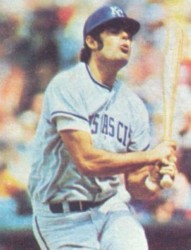
Lou Piniella 1969-1973 1969 Rookie of the Year |
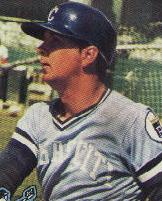
Freddie Patek 1971-1979 |
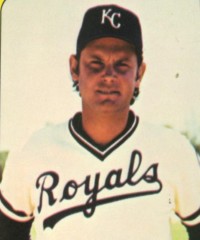
Steve Busby 1972-1980 |
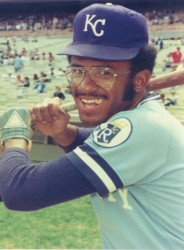
Al Cowens 1974-1979 |
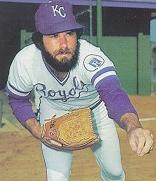
"The Mad Hungarian" Al Hrabosky 1978-1979 |
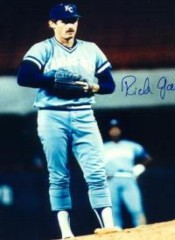
Rich Gale 1978-1981 |
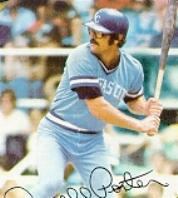
Darrell Porter 1974-1980 |
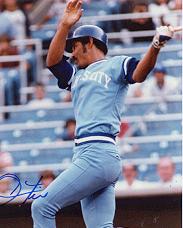
Amos Otis 1970-1983 |
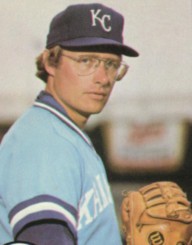
Paul Splittdorff 1970-1984 |
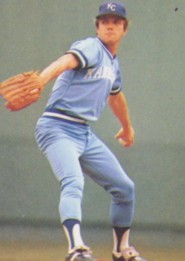
Larry Gura 1976-1985 |
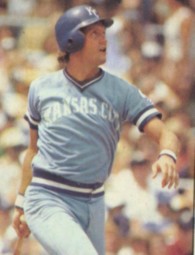
George Brett 1980 .390 BA 1980 AL MVP |
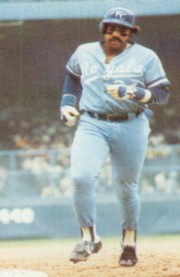
Willie Aikens 1980-1983 |
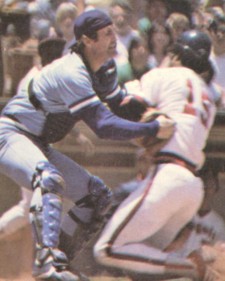
John Wathan 1976-1985 |
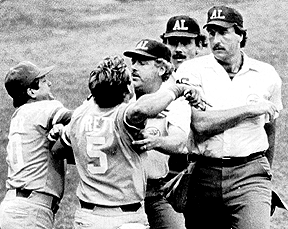
George Brett reacting to having a Home Run taken away after his bat was dertermined
to have too much pine tar on it. |
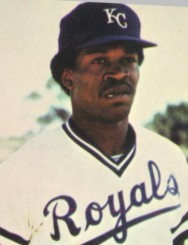
UL Washington 1977-1984 |
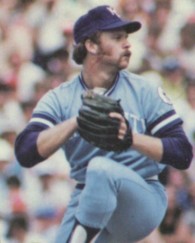
Dennis Leonard 1974-1986 |
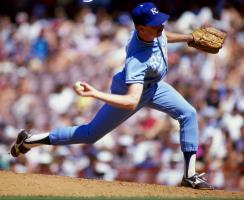
Dan Quisenberry 1979-1988 |
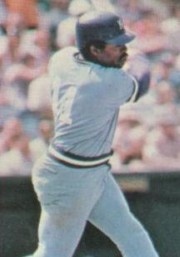
Hal McRae 1973-1987 |
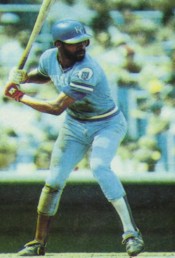
Willie Wilson 1976-1990 |
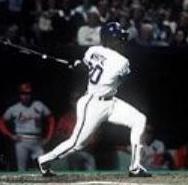
Frank White 1973-1990 |
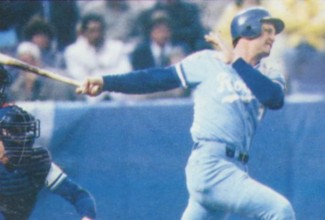
George Brett 1985 ALCS MVP |
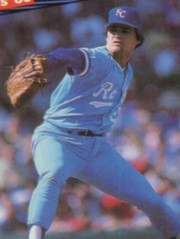
Danny Jackson 1983-1987 |
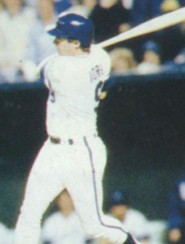
Dane Iorg 1984-1985 |
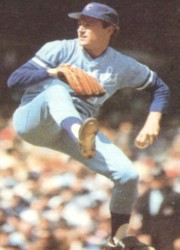
Charlie Leibrandt 1984-1989 |
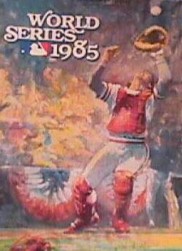
1985: (I-70) World Series Royals Vs. Cardinals |
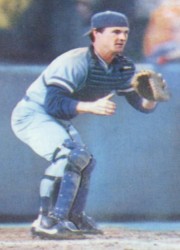
Jim Sundberg 1985-1986 |
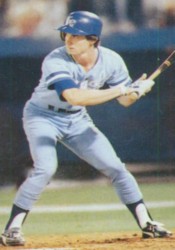
Buddy Biancalana 1982-1987 |
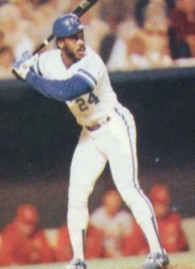
Darryl Motley 1981-1986 |
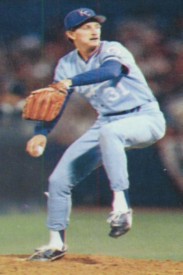
Bret Saberhagen 1984-1991 1985 World Series MVP |
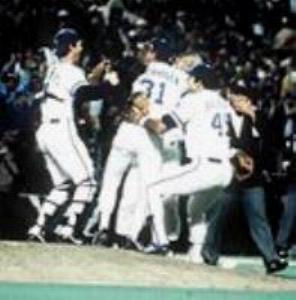
1985 World Champions Kansas City Royals |
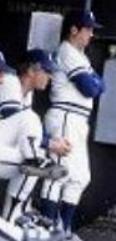
Dick Howser MGR: 1981-1986 |
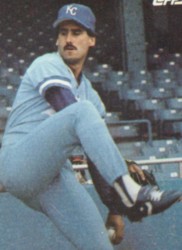
Bud Black 1982-1988 |
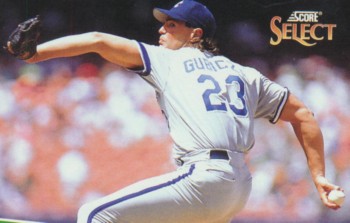
Mark Gubicza 1984-1996 |
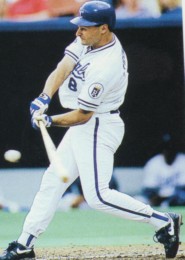
Jim Eisenreich 1987-1992 |
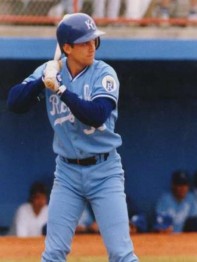
Kevin Seitzer 1986-1991 |
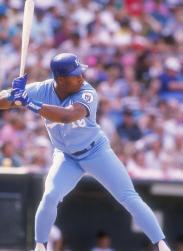
Bo Jackson 1986-1990 |
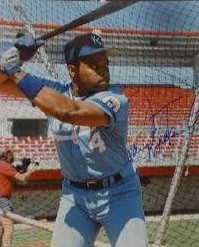
Danny Tartabull 1987-1991 |
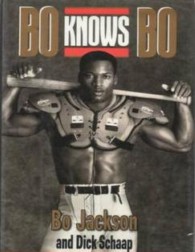
Even though Bo Jackson's career was brief, for a few years no star in baseball was
bigger. |
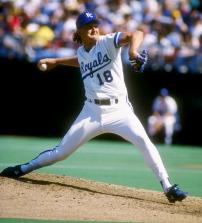
Bret Saberhagen 1984-1991 1985 & 1989 Cy Young |
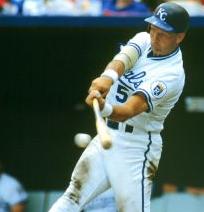
George Brett 3 Batting Titles in 3 Decades 1976, 1980, 1990 |
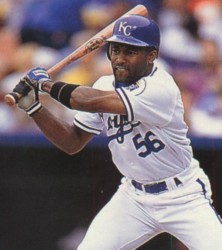
Brian McRae 1990-1994 |
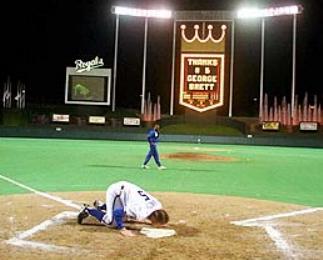
George Brett 1973-1993 3,154 Career Hits |
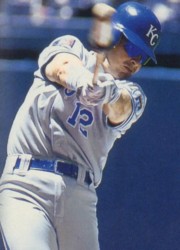
Wally Joyner 1992-1995 |
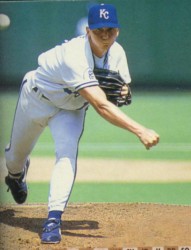
David Cone 1986, 1993-1994 1994 Cy Young |
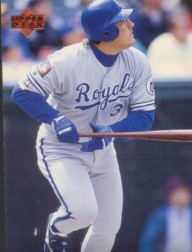
Bob Hamelin 1993-1996 1994 Rookie of the Year |
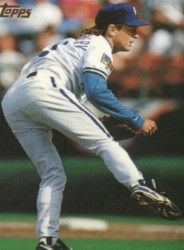
Jeff Montgomery 1988-1999 |
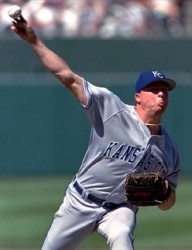
Kevin Appier 1989-1999 |
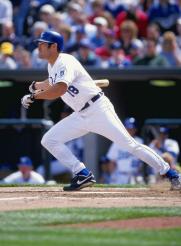
Johnny Damon 1995-2000 |
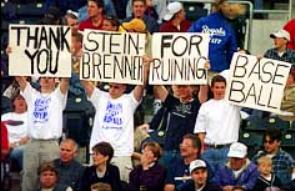
Royals fans protesting the current economic state of baseball during a game against
the Yankees on April 30, 1999. |
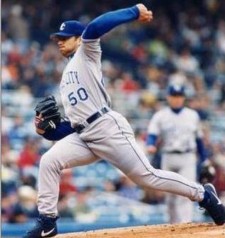
Jose Rosado 1996-Present |
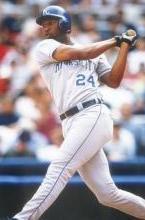
Jermaine Dye 1997-Present |
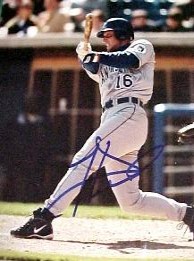
Joe Randa 1995-1996, 1999-Present |
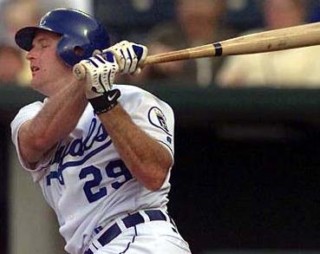
Mike Sweeney 1995-Present |
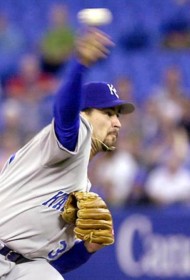
Jeff Suppan 1998-Present |
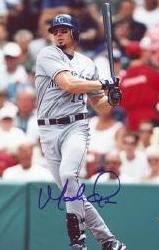
Mark Quinn 1999-Present |
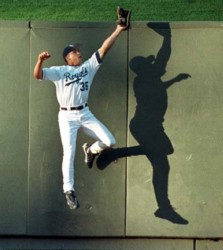
Carlos Beltran 1998-Present 1999 Rookie of the Year |
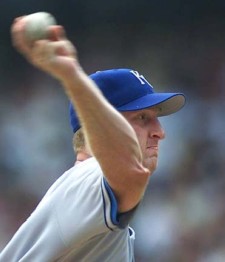
Blake Stien 1999-Present |
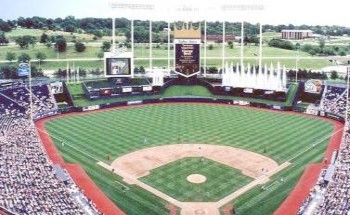
Kauffman Stadium 1973-Present |
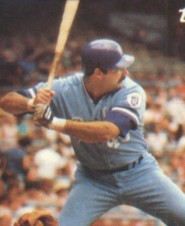
Steve Balboni 1984-1988 |