

ANAHEIM |
Logo 1997-Present |
41st Season First Game Played: April 11, 1961 |
Alternate Logo 1997-Present |
Also Played As: Los Angeles Angels 1961-1964 California Angels 1965-1996 Manager: Mike Scocia 2000- Stadium Edison International Field* 1966- known as Anaheim Stadium 1966-1997 Address: 2000 Gene Autry Way Anaheim, CA 92806 Phone: (714) 940-2000 Web: http://www.angels.mlb.com Nickname: Named after Los Angeles, which means City of Angels. Logo: Anhgels written in red with a navy blue outline, superiposed over a powder blue home plate. In back of the home plate are two baeball bats that cross each other. The A fo the Angels has wings that bridge ovr to form part of the A. Written above angels on the home plate is Anaheim in white. Colors: Navy, Red, Powder Blue, and White. Managerial History: Bill Rigney 1961-1969 Lefty Phillips 1969-1971 Del Rice 1972 Bobby Winkles 1973-1974 Dick Williams 1974-1976 Norm Sherry 1976-1977 Dave Garcia 1977-1978 Jim Fergosi 1978-1981 Gene Mauch 1981-1982 John McNamara 1983-1984 Gene Mauch 1985-1987 Cookie Rojas 1988 Moose Stubbing 1988 Doug Rader 1989-1991 Buck Rodgers 1991-1992* Marcell Lacheman 1994-1996 John McNamara 1996 Terry Collins 1997- 1999 Joe Maddon 1999 Mike Scocia 2000-Present *-Replaced by a John Wathan for 89 games due to an injury in 1992. Stadium History: LA Wrigley Field 1961 Dodger Stadium 1962-1965* Edison International Field 1966-Present** *-Refered to as Chavez Ravine during Angels games. **- Called Anaheim Stadium 1966-1997 All-Star Games Hosted: (2) 1967, 1989 World Champions: None World Series: None Division Champions: (3) 1979, 1982, 1986 Wild Card: None Retired Numbers: (6) 11 Jim Fregosi SS 1961-1971 26 Gene Autry Owner 1961-1998 29 Rod Carew 1B 1979-1985 30 Nolan Ryan RHP 1972-1979 42 Jackie Robinson (Retired by MLB) 50 Jimmie Reese Coach Hall of Famers: (7) Rod Carew 1B 1979-1985 Reggie Jackson DH 1982-1986 Frank Robinson DH 1973-1974 Nolan Ryan RHP 1972-1979 Don Sutton RHP 1985-1987 Hoyt Wilhelm RHP 1969 Dave Winfield OF 1990-1991 All-Star Game MVP: (2) 1962 Leon Wagner OF 1983 Fred Lynn OF Manager of the Year: None Rookie of the Year: (1) 1993 Tim Salmon OF Hank Aaron Award: None Cy Young: (1) 1964 Dean Chance RHP MVP: (1) 1979 Don Baylor OF LCS MVP: (1) 1982 Fred Lynn OF* *-Played on losing team World Series MVP: None No Hitters: (8) 5/5/1962 Bo Belinksy 7/3/1970 Clyde Wright 5/15/1973 Nolan Ryan 7/15/1973 Nolan Ryan 9/28/1974 Nolan Ryan 6/1/1975 Nolan Ryan 9/30/1984 Mike Witt (Perfect Game) 4/11/1990 Combined Mark Langston 7.0 & Mike Witt 2.0 Best Season: 1982 (93-69) Worst Season: 1980 (66-95) Historical Moments: 1961: As one of baseball's first expansion teams in 60 years just getting ready for their first season was a problem for the Los Angeles Angels. Originally it had been planned that they be among 4 teams to begin play in 1962, however a deal between relocation Twins owner and the American League forced the Angels to get ready wit out a home field. The plan was for the Angels to share Dodger Stadium until a permanent home could be found, but the Stadium at Chavez Ravine would not be ready for another year so the Angels had to use a minor league stadium that was used by the Pacific Coast League's Hollywood Stars. The stadium they were set to play in was called Wrigley Field. It was a smaller but almost exact duplicate of the famous stadium in Chicago. In fact this stadium was the shooting location for several famous baseball movies including "Pride of the Yankee", as well as the 1958 TV show "Home Run Derby", which saw the era's best hitters slugging it out for money every week. 1961: American League baseball in California was all set to begin as the Angels took the field for their first game ever on April 11th. Gene Autry who made a name of himself as "The Singing Cowboy" in serial westerns in the 1930's & 40's owned the Los Angeles Angels. Autury's Angels took the filed that first day in Baltimore with a mixture of unproven rookies and veteran castoffs. In the very 1st Inning Ted Kluszewski connected for a 2-run homer to give the Halos an early lead. Big Klu would hit another 2-run homer later in the game as the Angels won their first game 7-2. Despite the promising start the Angels would never be a factor in the pennant race. However, with their 71-91 record they hold the record for best record among expansion team's first year. 1962: Sharing the brand new Dodger Stadium with their cross-town rivals the Angels with virtually the same team as the year before surprised everyone by challenging the New York Yankees for the pennant for most of the season. There was magic all year at the stadium called Chavez Ravine during Angels home games. Perhaps the highlight came when colorful Lefty Bo Belinsky No hit the Orioles in front of a small but loud crowd open May 5th. Eventually the Angels would fade and finish in 3rd with an 86-76 record and 10 games behind the eventual World Champion New York Yankees. 1964: After crashing back to earth in 1963, the Angels were not much better in 1964. However, Dean Chance emerged out of nowhere to dominate the American league. Chance would only get off to a 5-5 start however one look at his 2.13 ERA would show it was due to lack of run supports. Chance would only get stronger finishing the season with a 20-9 record and a microscopic 1.65 ERA. Chance would even lift his team to finish over .500 with an 82-80 5th place record. After the season Dean Chance at 23 years old, became the youngest player at that time to win the Cy Young, which was still only awarded to one pitcher from all of baseball. 1966: Sharing a city with Dodgers was problematic alone but sharing a Stadium with the premier team in baseball at that time was too much to bear for the Angels. So plans were made for the Angels to move to the surrounding community of Orange County, and become a team with their own identity. Getting ready to play in Anaheim the Los Angels who were re-christened the California Angels a year earlier to separate themselves from the city to become more attractive to fans living in the suburbs. The Angels would finish their first season in Anaheim with a 7th place 80-82 record, but the move paid off as attendance improved from 566,727 in 1965 to 1,400,321 in 1966. 1967: In just it's second season Anaheim Stadium would play host to the longest game in All-Star history. The National League would eventually win the game 2-1 on Tony Perez 15th Inning double. As for the Angels the team was involved in one of the tightest pennant races ever finishing 5th with an 84-77 record which was only 8 games behind the Red Sox. 1970: After two miserable 90-loss seasons the Angels rebounded to a 86-76 record good enough for 3rd Place in the Western Division. Pacing the team was OF Alex Johnson who the Angels had acquired in the off-season from the Reds. Johnson would have a career best season batting .329 good enough to edge out Red Sox star Carl Yastrzemski for the batting title. 1971: After a disappointing 76-86 season the Angels stunned their fans by trading away one of their first basified stars Jim Fregosi to the New York Mets. In return the Angels received a hard throwing right handed pitcher that was plagued with wildness. Eventually pitching coach Jimmie Reese would help smooth out the rough edges and Nolan Ryan would become one of the most dominant pitchers in baseball history, as the trade would go down as one of the most lob-sided in baseball history. 1973: In one of the most dominating season in baseball history Nolan Ryan had batters shaking their heads all year unable to hit the heat he served up on every start. Nolan would strike out an incredible 383 batters on the season establishing a new record that has yet to been threatened. Highlighting Nolan's season was his first no hitter in Kansas City on May 15th. Nolan would later duplicate the feat exactly two months later in Detroit. In the Detroit No Hitter Nolan would strike out 17 Tigers just one short of the old AL record held by Bob Feller. In a taste of comic relief Tigers 1B Norm Cash would approach the plate with a wooden table leg, the umpires noticed and made him change, but it did not matter what he used Nolan was just un-hittable. He would go on to finish with a 21-16 record and a 2.87 ERA. With his record hurt by a poor hitting Angels' team, Nolan does not win the Cy Young losing out to Jim Palmer who played for a Division Champion. 1974: The Nolan Express kept riding hard despite the Angels having a dreadful last place 68-94 season. Nolan would again strike out well over 300 batters, and would win 22 games despite some shabby run support. The highlight for the Angels would come on September 28th when Nolan Ryan threw his 3rd career no hitter in his final start of the season against the Twins in front of a small crowd at Anaheim Stadium. 1975: With the Angels finishing in last again, Nolan Ryan starts become the only thing for Angel fans to look forward to. On June 1st at Anaheim Stadium Nolan would make magic again. This time he would no hit the Baltimore Orioles by a score of 1-0 it would be Nolan's 4th No-No in 3 years and would tie him with Sandy Koufax for the most all-time. 1978: Even with Nolan Ryan struggling most of the season the Angels manage to contend for the Western Division title. The Angels would struggle early but after hiring Jim Fregosi as the new manger the team managed to finally play some good ball. However they could not manage to catch the Kansas City Royals, and would wind up 5 games back with an 87-75 record. Unfortunately the positive season would have a gray cloud over it as OF Lyman Bostock was murdered by his wife's ex-husband. 1979: With the acquisition of Rod Carew the Angels hoped that they could finally get over the hump and into the post season. The move would pay off as AL MVP Don Baylor who led the AL with 139 RBI helped lead the Angels to an 88-74 record, which was good enough to beat the Royals out by 3 games. On the mound the Halos were led by Dave Frost and Nolan Ryan who each won 16 games. In the ALCS the Angels would face the powerful Baltimore Orioles. In Game 1 he Halos would hold their won with Nolan Ryan on the mound. The game would go to extra innings before John Lowenstime won the game for Baltimore with a 3-4un walk off homer. In Game 2 the Orioles would smack Dave Frost around to take an early 9-1 lead. However there was no quit in these Angels, and would score 7 runs in the last 4 innings to fall just 1 run short. Despite the valiant effort the Angels were on the brink down 2-0 with series heading to Anaheim. The Orioles would lead the Angels 3-2 in the 9th but Larry Harlow drove in the tying and winning runs with a double to avert the sweep. The Angels would not be able to repeat the magic the next day as Baltimore closed them out 8-0 to advance to the World Series. 1980: Hurt by the loss of Nolan Ryan to free agency, and a sub par injury plagued season from reigning MVP Don Baylor the Angels finish an awful 6th place with a 66-95 record. 1982: Thought to be washed up after a poor season in 1981 Reggie Jackson was allowed to sign elsewhere by the Yankees. He would sign with the Angels and would go on to prove he had a lot left as he led the AL with 39 HR. The signing of Reggie had helped revitalize the Angels who were back in contention again after 2 poor seasons. In a tight 3-way race with White Sox and Royals, the Angels traded for Tommy John, and it would pay off as he would win 4 games down the stretch to help the Angels win a franchise best 93 games en-route to their 2nd division title. 1982: In the ALCS the Angels would face the Milwaukee Brewers who had a powerful lineup. In Game 1 all the power was with Halos as Don Baylor drove in 5 runs for the 8-3 win. The Angels would win again in Game 2 to take a commanding 2-0 lead to Milwaukee. However the Brewers bats would take over in the next 2 games to force a 5t and deciding game. In the Game 5 the Angels would take a 3-2 lead to the bottom of the 7th. The lead would slip away as Cecil Cooper drove in the tying and wining runs. Not even the presence of Mr. October could help the Halos get back in the game as the Angels became the first team to blow a 2-0 in an ALCS. 1983: With Reggie Jackson batting a meager .194 the Angels fall out of the race early and follow up their 2nd Division title the same way they did their first by losing more then 90 games. The sole highlight for the Angels comes in the years All-Star Game when Fred Lynn wins the game's MVP by becoming the first player ever to hit a Grand Slam in the mid-summer classic. 1984: Despite threading around .500 all year the Angels would contend for the Western Division until the end of the season. While the chase of he Division was on, Anaheim became the center of attention on the milestone watch as Reggie Jackson approached his 500th Career HR. Reggie and the Angels would enter a key series with the Royals in mid-September needing 1 for 500, and 1 game out in the standings. On September 17th Reggie would connect for his milestone ironically 17 years to the date after he hit the first of his career. However, the HR was just 1 run and the Royals would go on to win the game 10-1, and pull away with division title. Despite finishing 2nd, the Halos would still manage to make new on the final day of the season. Mike Witt entered the final game of the season in Texas with one goal in mind win, and have the Angels finished at the .500 mark. Witt would more then surpass his goal by pitching a perfect game, and giving Angels' fans something to look forward to next season. 1985: For the second season in a row Angels fans got to see one of their fan favorites eclipse a career milestone on to Cooperstown. This time it was Rod Carew who's sweet swing helped turn the Angels into true contenders for the first time 6 years earlier. As Carew approached the 3,000 hit mark it almost seemed appropriate the Angels would be facing his old team the Minnesota Twins as he closed in on the mark. The date would be August 4th and as he had done many time before he used his smooth swing to get the ball up the middle of his old team. The hit came on the very same day that Tom Seaver reached 300 wins and would be forever known as Milestone Sunday. The Angels fared pretty well themselves contending for the division title all season until losing out on the final day to the eventual World Champion Kansas City Royals. 1986: For the third year in a row an Angel made history in front of the home fans of Anaheim. This time it was Don Sutton who earned his 300th career win, with a 5-1 complete game against the Texas Rangers. Sutton would go on to win 15 games that season and be a vital piece in the Angels run for a title. One of the biggest stories on the Halos that year was the play of rookie 1B Wally Joyner who had the over whelming burden of replacing Hall of Famer Rod Carew, who had retired in the off-season. Joyner more then pulled his weight by driving 100 runs. In doing so Joyner became an instant fan favorite as fans routinely went to games holding up sings that read "Wally World." The Angels would go on to win 92 games and take the division by 5 games over the Rangers. 1986: In the ALCS the Angels faced the Boston Red Sox, the story of the series would focus on the manager Angels Gene Mauch, and Boston's John Mac Namara who were trying to put years of frustration aside, and advance to the World Series. Perhaps no manger has had more frustration in such endeavor then Mauch who was the manger who saw his Phillies collapse in the final 2 weeks of the 1964 season, and saw heart ache again as his Angels gave up a 2-0 series lead in the 1982 ALCS. The Halos would get off to a fast start by blasting Roger Clemens who dominated the AL all year in the 1st game in Boston. The Sox would recover to even the series the next day, and the series moved to Anaheim tied at a game apiece. After taking Game 3, the Halos found themselves dominated by Roger Clemens all day in Game 4. However in the 9th inning the Rocket ran out of gas, and the Angels would score 3 runs to tie the game and advance to extra innings where Bobby Grich's 11th Inning HR gave the Angels a 3-1 series lead. In Game 5 in front of a crowd relay to party Bobby Grich was the hero again fro the moment when his HR in and out of the glove of Red Sox CF Dave Henderson gave the Halos a 5-2 lead. The lead would hold into the 9th when starter Mike Witt tired with 2 outs. Mauch would then bring in ace closer Donnie Moore to get the final out to catapult the team on to the World Series. Moore faced the same Dave Henderson who was looking like the goat after Bobby Grich's HR. The Sox had 2 on and 1 run in, and with 2 strikes and all of Anaheim anticipating the final out Henderson lifted a ball over the CF fence to give the Sox a 6-5 lead. The Angels would bounce back to tie, but and already shell shocked Moore would give up another run in the 11th that would win the game for the Sox and send the series back to Boston where the Red Sox beat the Angels in two blow outs to advance to the World Series. Mauch would miss out on the pennant again in what would prove to be his final chance. 1987: Hurt by the loss of key players to retirement, and free agency along with the painful hangover of the ALCS collapse the Angels fell into a tie for 6th with a woeful 75-87 record in what would prove to be Gene Mauch's last season as manger. 1987-1989: The pain of the ALCS collapse in 1986 was even worse on the player most responsible for it Donnie Moore. Moore would return with the Angels in 1987 and became the target of scorn and boos from the Angel fans that had blamed him for the team losing the series. Moore would go on to play only 2 more season with Halos, and along the way he would only save 9 games in 41 relief appearances. Following the 1988 season Moore was let go by the Angels. After being unable to hook on with any other team in Spring Training during 1989 Moore sank deeper into his despair. He would only receive offers to pitch in the minors as the 89-season advance towards the All-Star break. At the same time Moore's marriage began to fall apart Moore just could not live with the pain any more. On July 18, 1989 Moore shot his wife, then turned the gun on himself. Donnie Moore's wife would survive the gunshot but he would die instantly. Many players have been goats in dramatic moments in baseball history; a fact still remains true for every hero there is usually a goat. The thought of being a goat was too much for Donnie Moore to bear, and it would be a tragic footnote to the California Angels heart breaking ALCS. 1989: Overcoming adversity was another story for a rookie pitcher Jim Abbott. Abbott was born with just one hand, and would be fighting the odds his entire life. Over the years Abbot would have to contort himself after delivering a pitch just to field the ball or get the ball from the catcher. It would be too much for the average man but Abbott was not average and would star at Michigan before helping the US win gold during the 1988 Olympics. Abbott who was previously the Angels top draft pick had impressed the team so much in Spring training that he was brought up to the Majors with out ever playing a game in the minors. He would go onto win 12 games that first season, and would go on to have a solid 10-year career. 1992: After a game in New York the Angels got on a few buses on the way to Baltimore. However, it would not be a routine trip and when the driver dozed while driving on the New Jersey Turnpike the bus would crash into a tree on the side of the road. Fortunately none of the players sustained serious injuries. However the same could not be said for manager Buck Rodgers who would go on to miss 89 games resulting from internal injuries caused by the crash. With John Wathan filling in as manger the Angels would go on t finish 5th with a 72-90. 1995: After 3 miserable seasons in which the Angels finished 20 games below .500, the Angels were the surprise of baseball leading the Western Division through much of the season. As July turned into August the Angels were the hottest team in baseball and were pulling away for the rest of the competition in the West. Adding to the excitement was the re-acquisition of Jim Abbott who was traded away 3 years earlier. Fans of the Angels began preparing for the playoffs as even if they were some how caught for the division at least they would have the Wild Card to fall back on. A funny thing happened in the final 2 months first Ken Griffey Jr. returned form the Disabled list and the Mariners who were 13 games out caught fire and began chagrin their way to the Angels. Meanwhile the Yankees began to put it together and began to put the Angels wild card insurance in doubt. With the Halos losing key series to the Mariners it had twice the negative effect since each loss allowed the Yankees to get closer for the Wild Card. As the season entered it's final week it became a battle of 3 teams for 2 spots, and with Angels struggling suddenly fans were not so confident. With the Yankees sweeping the Blue Jays in the final series of the season suddenly the Wild Card was out of the equation. With Angels and Mariners in a flat-footed tie a 1-game playoff for the division title and the final playoff spot was needed. Unfortunately for the Angels the game was lost weeks previously when a coin flip determined the game to be played in Seattle in front of a loud crowd hungry for success after years of nothing but failure. Making matters even worse was the Angels had to face Cy Young winner Randy Johnson, who blanked the Halos 8-0 to give the M's their first division title, and extend the Angels legacy of losing the big game. 1997: Change was in the air for the Angels 90 year old Gene Autry who owned the Angels form the beginning sold part of the team to Disney, who gave the Angels a new looks, and re-dubbed the team the Anaheim Angles. Disney also helped pay for renovations to the Angels old ballpark, which insured was in Anaheim would have the Angels to cheer for years to come. The move helped to inspire the Angels who rebounded form a wretched season to finish just 6 behind the division champion Seattle Mariners with 84 wins. 1998: The Angels entered the season with renewed expectations entering a newly renovated Anaheim Stadium now known as Edison International Field. Although the stadium was redone so completely it did not even look like the same. With the NFL's Rams departing for St. Louis the Angels had the stadium for themselves and chose to make it a more cozy baseball only stadium like the new ones that were being built through out all of baseball. The Angels even would hold a grand reopening completely with all the ceremonies of a new ballpark. Including Gene Autry who was brought in with an old fashioned Stage Coach. Players and coaches from both the Angels and Yankees gathered around the 91-year-old living legend. In the game itself the Angels would beat the powerful Yankees 4-1. It would not be the last time the Angels would beat the Yankees that season. In fact while the Yankees were setting a new AL record for wins the Halos would give the Bronx Bombers fits and would be the only team that would beat them for the season series. With this the Angels were even a factor all season for the Western Title losing by just 3 games to the Texas Rangers. Had the Angels been able to win they would have faced the Yanks in the division series. Sadly after the season Gene Autry rode off into the sunset for good after he lost his battle with lymphoma. 1999: With the free agent acquisition of Mo Vaughn Angels fans were optimistic that their team could get back into the posit-season. However in the very first game of the season Mo fell down the dug out steps catching a foul ball. The fall would cause him to injure his ankle. A few days later the Angels installed railings on the dugout but it was too late Vaughn played through pain most of the season, as the Angels finish in last with a disappointing 70-92 record. 2000: In a break out season 3B troy Glaus becomes the first Angel ever to win the HR crown by slamming 47 dingers. Also having a break out season is OF Darin Erstad who lead the Majors with 240 hits. Thee two would combine the carry the Angels back to respectability with an 82-80 record. On The Air: Television: KCAL (Channel 9), Fox Sports West Radio: KLAC 570 AM Broadcasters: Rex Hudler, Stev Phyisoc- TV Mario Impemba, Daron Sutton- Radio Spring Training History: Palm Spings, CA & Mesa, AZ 1961-1992 Tempe, AZ 1993-Present On The Farm: AAA: Salt Lake Stingers AA: Arkansas Travelers A: Rancho Cucamonga Quakes A: Cedar Rapids Kernels A: Provo Angels Rookie: Mesa Angels |
�MMI Tank Productions in association with Chris Creamer Properties Inc. Stats researched
by Frank Fleming, all information, statistics, logos, and team names are
property of Major League Baseball. This site is not affiliated with the
Anaheim Angels or the American League, Major League Baseball. This site
is maintained for research purposes only. All logos used on this page were
from Chris Creamer's Sports Logos Page. Page created on July 14, 2001. Last updated on July 14, 2001 at 2:36 am ET. |
Logo 1961-1962 |
Logo 1963-1964 |
Logo 1965-1970 |
Logo 1971-1985 |
Logo 1986-1992 |
Logo 1993-1996 |
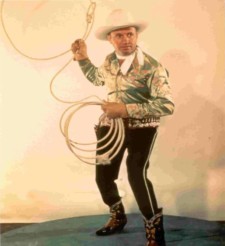
"The Singing Cowboy" Gene Autry Owner 1961-1998 |
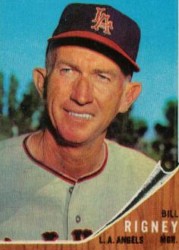
Bill Rigney Manager 1961-1969 |
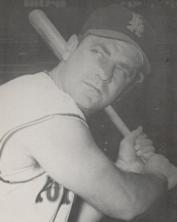
Ted Kluszewski 1961 |
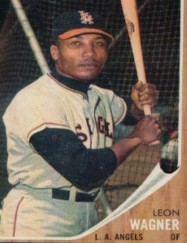
Leon Wagner 1961-1963 |
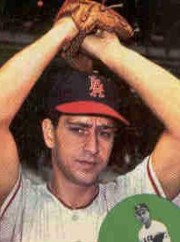
Bo Belinsky 1962-1964 |
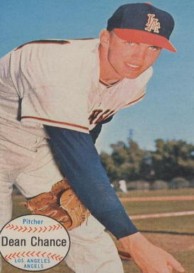
Dean Chance 1961-1966 1964 MLB Cy Young |
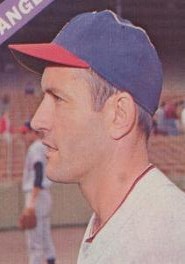
Jimmy Piersall 1963-1967l |
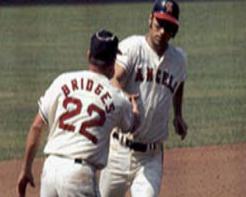
Jim Fregosi 1961-1971 |
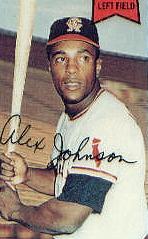
Alex Johnson 1970-1971 |
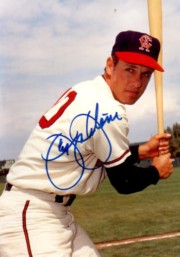
Jay Johnstone 1966-1970 |
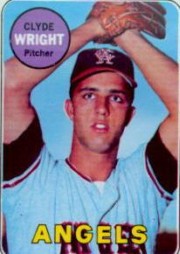
Clyde Wright 1966-1973 |
Frank Robinson 1973-1974 |
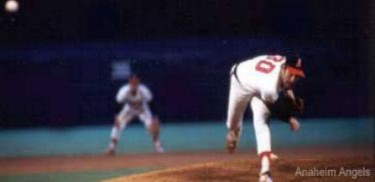
Nolan Ryan 1972-1979 1973: Major League Record 383 Strike Outs |
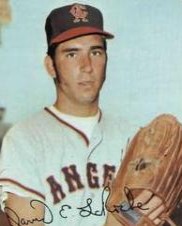
Dave LaRoche 1970-1971, 1977-1980 |
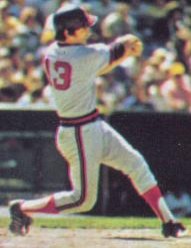
Bobby Valentine 1973-1975 |
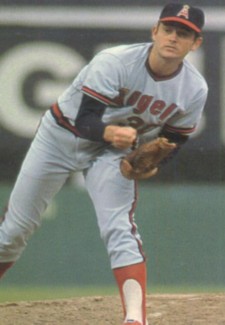
Nolan Ryan 1972-1979 4 No Hitters in 3 Years |
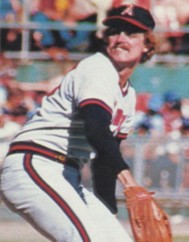
Frank Tanana 1973-1980 |
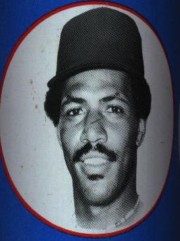
Lyman Bostock 1978 |
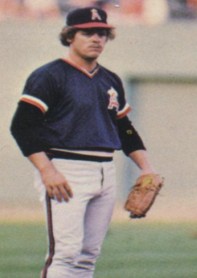
Dave Frost 1978-1981 |
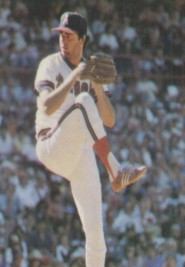
Andy Hassler 1970-1976, 1980-1983 |
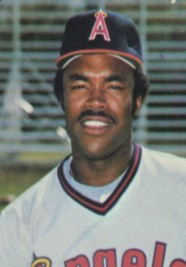
Dan Ford 1979-1981 |
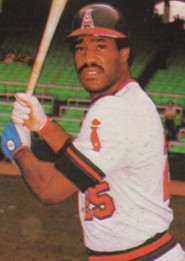
Don Baylor 1977-1982 1979 AL MVP |
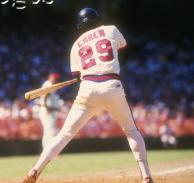
Rod Carew 1979-1985 |
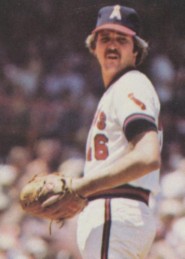
Don Aase 1978-1984 |
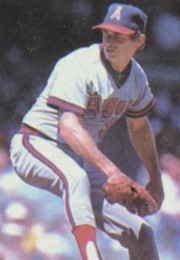
Geoff Zahn 1981-1985 |
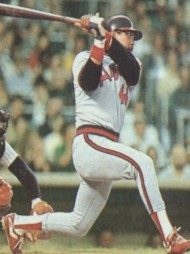
Reggie Jackson 1982-1986 |
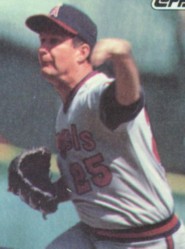
Tommy John 1982-1985 |
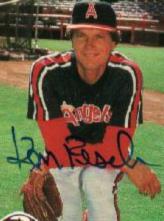
Ken Forsch 1981-1984, 1986 |
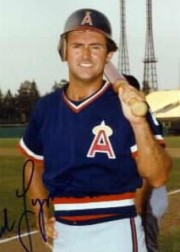
Fred Lynn 1981-1984 1982 ALCS MVP |
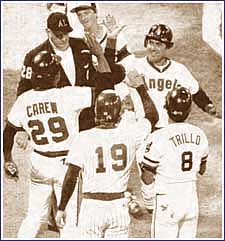
Fred Lynn 1983: First All-Star Game Grand Slam |
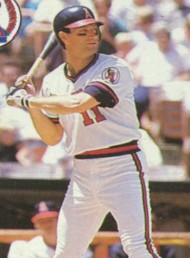
Doug Decinses 1982-1987 |
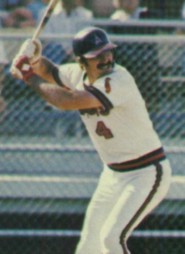
Bobby Grich 1977-1986 |
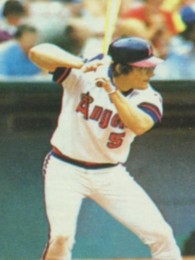
Brian Downing 1978-1990 |
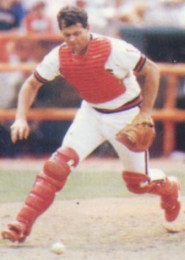
Bob Boone 1982-1988 |
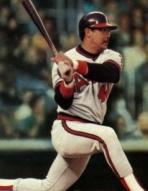
Reggie Jackson 1984: 500th Career HR |
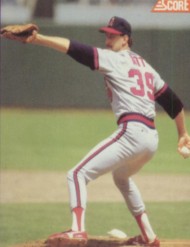
Mike Witt 1981-1990 1984: Perfect Game |
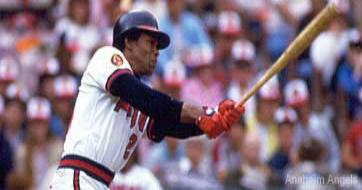
Rod Carew 1985: 3,000th Career Hit |
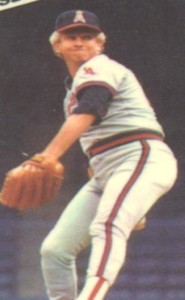
Don Sutton 1985-1987 1986: 300th Career Win |
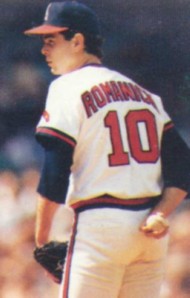
Ron Romanick 1984-1986 |
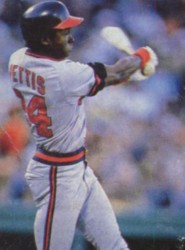
Gary Pettis 1982-1987 |
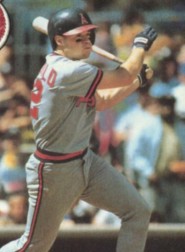
Dick Schofield 1983-1992, 1995-1996 |
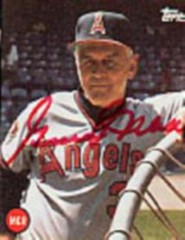
Gene Mauch Manager 1981-1982, 1985-1987 |
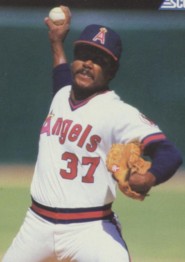
Donnie Moore 1985-1988 |
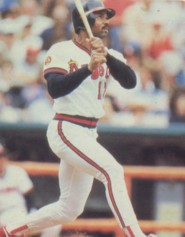
Rupert Jones 1985-1987 |
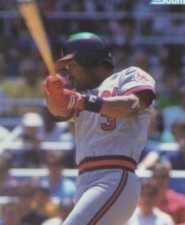
Johnny Ray 1987-1990 |
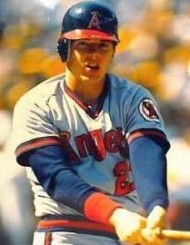
Wally Joyner 1986-1991, 2001 |
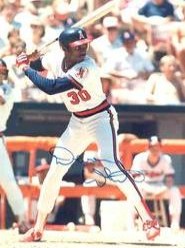
Devon White 1985-1990 |
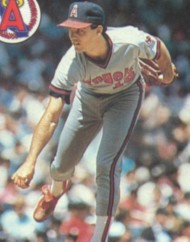
Kirk McCaskill 1985-1991 |
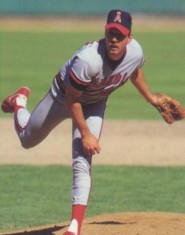
Bryan Harvey 1987-1992 |
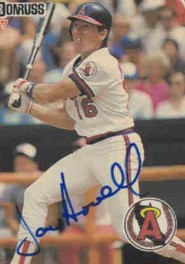
Jack Howell 1985-1991, 1995-1997 |
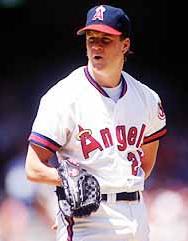
Jim Abbott 1989-1992, 1995-1996 |
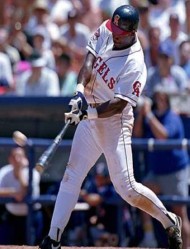
Chilli Davis 1987-1990, 1993-1996 |
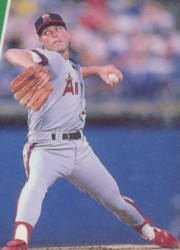
Mark Langston 1990-1997 |
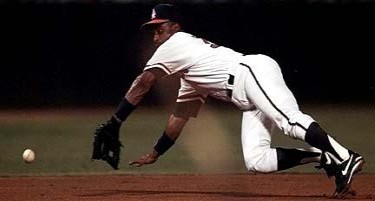
Tony Phillips 1995, 1997 |
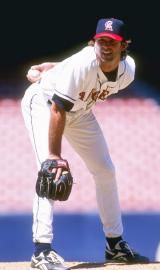
Chuck Finley 1986-1999 |
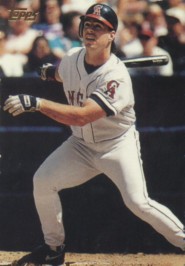
Jim Edmonds 1993-1999 |
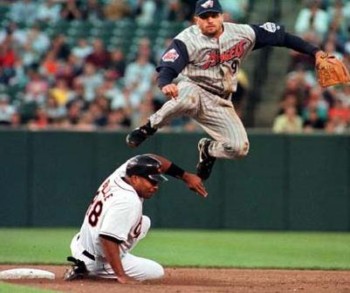
Gary DiSarcina 1989-Present |
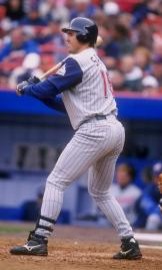
Tim Salmon 1992-Present |
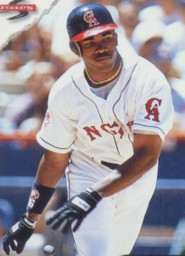
Garret Anderson 1994-Present |
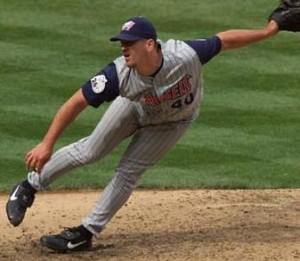
Troy Percival 1995-Present |
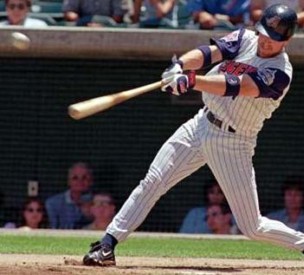
Darin Erstad 1996-Present |
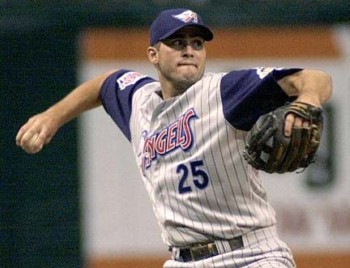
Troy Glaus 1998-Present |
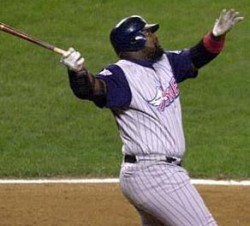
Mo Vaughn 1999-Present |
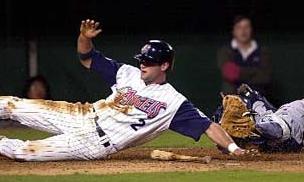
Adam Kennedy 2000- Present |
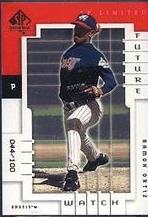
Ramon Ortiz 1999-Present |
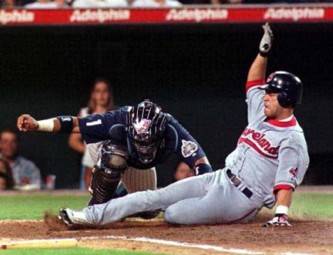
Ben Molina 1998-Present |