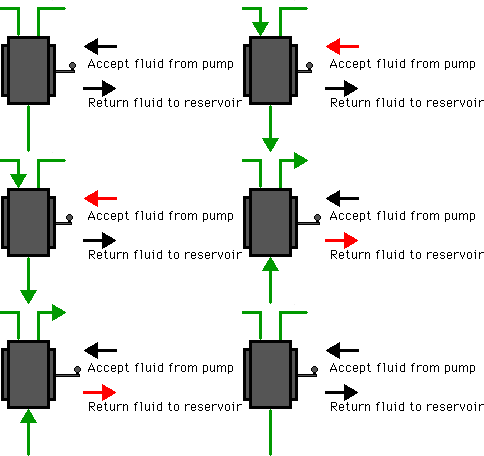
The Height Control Valves
The height control valves are actually quite simple devices. Each is operated by a mechanical arm that extends from the device. When the arm is pushed into the valve, a path is created between the high-pressure feed and the suspension elements. When the arm is pulled out from the valve, a path is created between the suspension elements and the reservoir. When the arm is in the neutral position, no fluid can flow in either direction. By mounting the valve on the frame and connecting the arm to the suspension, the self-leveling effect is achieved. If a heavy load is placed in the rear, for example, the suspension will force the valve arm inwards, and more high-pressure fluid will enter the rear suspension system until the valve arm returns to the proper position.
The height adjustment lever under the dash adjusts the relationship between the valve arm and the suspension, thus effecting the height adjustment.
เครื่องควบคุมความสูง
เครื่องควบคุมความสูงจริงๆแล้วเป็นกลไกที่ง่ายๆ ทุกครั้งที่มีการทำงานโดยแขนกลซึ่งต่อมาจากกลไก เมื่อแขนถูกผลักเข้าไปในเครื่องควบคุมความสูง, LHMจะเกิดการไหลไปในระหว่างการป้อนแรงดันสูงและเข้าส่วนของระบบกันสะเทือน เมื่อแขนถูกดึงออกจากเครื่องควบคุมความสูง, LHMจะเกิดการไหลออกในระหว่างส่วนของระบบกันสะเทือนไปถังเก็บน้ำมันLHM เมื่อแขนอยู่ในตำแหน่งกลาง, จะไม่มีLHMที่สามารถไหลเข้าในทั้งสองทิศทาง การติดตั้งเครื่องควบคุมจะติดไว้บนโครงรถและต่อแขนไปที่ระบบกันสะเทือน, ผลของการปรับระดับด้วยตัวเอง ถ้ามีน้ำหนักมากในด้านหลัง, ดังตัวอย่าง, ระบบกันสะเทือนจะดันแขนของเครื่องควบคุมเข้าข้างใน, และLHMแรงดันสูงที่มากขึ้นจะ ไหลเข้าสู่ระบบกันสะเทือนหลังจนกระทั่งแขนของเครื่องควบคุมกลับคืนสู่ตำแหน่งที่สมควร
คันโยกปรับความสูงที่อยู่ภายใต้เครื่องหมายขีดปรับระดับนั้น มีความสัมพันธ์กันระหว่างแขนของเครื่องควบคุมและระบบกันสะเทือนด้วย, ผลของการปรับความสูงก็มีด้วยประการฉะนี้