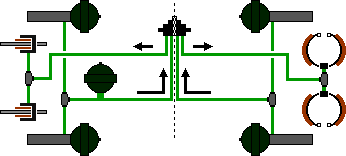
The brakes get their hydraulic pressure directly from the suspension. While the suspension subsystems are themselves isolated front and aft, so are the brake subsystems. Each pressure line comes into the brake "button" independently, and is sent independently to the front calipers and rear drums respectively. The primary reason for taking the pressure from the suspension is safety. If there was ever a catstrophic loss of pressure in the vehicle, for example a failure of the pump, there would be adequate pressure in the suspension to power the brakes enough to bring the car to a stop. The side effect of this, however, is that the loss of pressure in the load-bearing shocks causes a slight but sudden loss of height. This effect is counter-acted in the front by introducing another pressurized sphere into the system. It is called the "brake accumulator," and it stores enough pressure that the front suspension height is not affected when the brakes are applied. There is no such accumulator in the rear, because the loss of suspension height is not a bad thing in this case. When brakes are applied at high speed, the vehicle naturally wants to "nose dive."
By reducing the height of the rear suspension when the brakes are applied, the rear sinks slightly and counter-acts the dive effect.
ส่วนย่อยของเครื่องห้ามล้อ
เบรคได้รับแรงดันไฮดรอลิคโดยตรงจากช่วงล่าง ในขณะที่ ระบบต่างๆในระบบกันสะเทือน จะแยกตัวจากด้านหน้าและด้านหลัง, นั้นคือส่วนย่อยของเครื่องห้ามล้อ. แรงดันแต่ละสายจะวิ่งเข้าสู่เครื่องห้ามเบรค" ปุ่ม " โดยอิสระ, และส่งอ่างอิสระสู่ฝักเบรคหน้า และ ดุมเบรคหลังตามลำดับ สาเหตุหลักของการเอาแรงดันจากระบบช่วงล่างก็คือ ความปลอดภัย ถ้ารถเสียแรงดัน, ตัวอย่างเช่น แม่ปั๊มเสีย มันจะทำให้แรงดันของช่วงล่างไม่ถึงขนาดที่เพียงพอที่จะมีกำลังเบรค ทำให้รถหยุด เป็นผลกระทบของเหตุนี้ , อย่างไรก็ตาม, ก็จะสูญเสียแรงดันในส่วนรองรับน้ำหนักและอาการสะเทือนเล็กน้อย แต่จะทันทีที่สูญเสียความสูง ผลกระทบนี้ถูกแก้ในด้านหน้าโดยนำ ตุ้มที่ใช้แรงกดดันด้วยก๊าสอันอื่นเข้ามาในระบบ มันถูกเรียกว่า " ตัวสะสมแรงดันเบรค ", และ มันก็เก็บแรงดันได้เพียงพอ ความสูงช่วงล่างหน้า จะไม่มีผลเมื่อเบรคถูกใช้ เบรคไม่มีตัวสะสมแรงดันในด้านหลัง, เพราะการสูญเสียความสูงของช่วงล่างไม่ใช่สิ่งไม่ดีในกรณีนี้ เมื่อเบรคถูกใช้ในความเร็วสูง, โดยปกติรถต้องมีอาการ " หัวทิ่ม " แต่ด้วยการลดความสูงของช่วงล่างหลังเมื่อเบรคถูกใช้, การยุบตัวลงเล็กน้อยด้านหลัง จะช่วยแก้อาการหัวทิ่มได้