
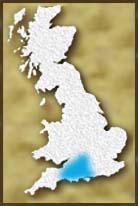
The blue denotes the approximate location of Wessex, England
The Duchy of Wessex
and the Lancaster's hold on the duchy has survived plague, war,
religious and civil rebellion over the last nine centuries. The
succession is safe now in the hands of
the former Duke's son, Edward, and perchance, the House of Lancaster
will
continue for another thousand years.
The history of the Duchy of Wessex, located in the south of England, goes back almost one thousand years, before the time of the Norman Invasion of William, Duke of Normandy (later William I, "the Conqueror," "the Bastard") in 1066. A Saxon relative maintained most of the area on behalf of King Harold II, as Earl of Wessex. After William's arrival and the defeat of Harold's forces, William installed one of his men, who himself was a French relative of the Lancastrians of Wessex, to take over control of the area on William's behalf. This man was also the first Duke to hold the name Robert Lancaster, whom the now former Duke is named after. William made the earldom into a duchy, establishing the post of Duke of Wessex.
The ancestral estate home of the Lancaster's was built on top of an old post established in Saxon times, and the current building was constructed ca. the 17th century, and underwent extensive restorative construction under the past reign of the former Duke's father, Edward James Lancaster VII (see below).
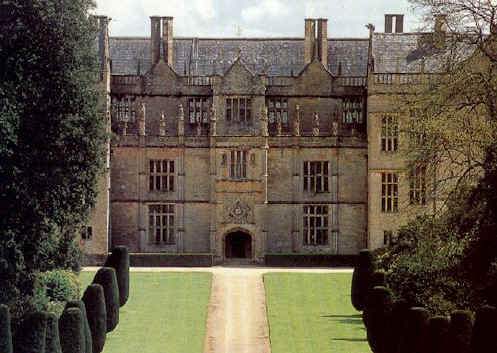
Ancestral Estate of the Lancasters of Wessex: home for the past four centuries
The title of Duke of Wessex places the House of Lancaster fairly high up on the English aristocratic scale. Their relationship to the current Royal Family can be established, however, the relationship is somewhat distant and the lines are blurred. The Duchy of Wessex is not a royal dukedom, hency the Duke/Duchess of Wessex is not styled, His/Her Royal Highness.
In recent years, Her Majesty the Queen has made the youngest of her sons, Edward, Earl of Wessex, with his wife Sophie, Countess. This impacts the Lancaster's hold on the Duchy of Wessex in no way, as the title is more-or-less ceremonial for HRH Prince Edward.


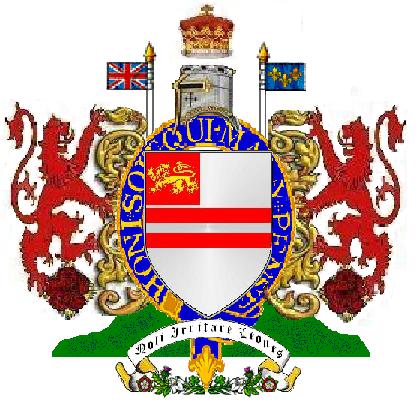
Coat-of-arms, Lancastrians of Wessex
The coat of arms (or shield) was granted to the Lancastrians of Wessex sometime between the fifteenth and sixteenth centuries, and has gone largely unchanged since that period.
1. Crest: A ducal crown and knight's helmet.
2. Supporter: Two red gryffons, mounted on two red roses, symbol of the English Royal House of Lancaster, distant relatives of the Lancastrians of Wessex. The Union Jack and French fleur de lis represent the two founding countries and ancestry of the Lancastrians of Wessex.
3. Shield: Family crest of the Lancastrians of Wessex, a golden gryffon hilights the top left portion of the shield. Surrounding the shield is the insignia of the Most Noble Order of the Garter, bestowed upon Duke Francis York Lancaster, 20th Duke of Wessex, and incorporated into the crest ever since.
4. Compartment: A bed of English grassland.
5. Motto: Noli irritare leones. Latin: Do not irritate the lions.
6. Mount: At the bottom of the motto are the red-and-white roses, representing the merger of the Houses of York and Lancaster, as well as the Scottish thistle, French fleur-de-lis, and Irish shamrocks, all denoting the Lancastrian place in the British Isles and its history.
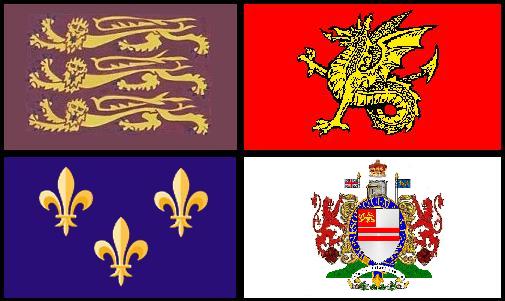
The ducal standard of the Lancastrians of Wessex has existed for about as long as the coat-of-arms, and is flown wherever the Duke of Wessex resides, where permitted.
1. Top Left Panel: Tri-lion flag of England; ancient pattern representing English royalty.
2. Top Right Panel: The declared flag of Wessex, England.
3. Bottom Left Panel: The three fleur-de-lis representing the French ancestry of the Lancastrians of Wessex.
4. Bottom Right Panel: The coat-of-arms of the Lancastrians of Wessex.

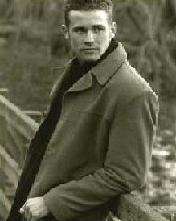
His Grace Robert Edward James Lancaster II, 38th Duke of Wessex (1993-2007)
1. Duke Robert Edward James Lancaster (1066 - 1090)
2. Duke Edward James Lancaster (1090 - 1097)
killed during the First Crusade
3. Duke Edward James Lancaster II (1097-1105)
4. Duke William Charles Lancaster (1105 -1117)
5. Duke James George Lancaster (1117-1148)
killed during the Second Crusade
6. Duke George Lancaster (1148-1153)
7. Duke John Robert Lancaster (1153-1170)
8. Duke Richard Lancaster (1170 - 1192)
killed during the Third Crusade
9. Duke William Charles Lancaster II (1192 - 1206)
10. Duke William Charles Lancaster III (1206 - 1217)
11. Duke Richard Lancaster II (1217 - 1253)
12. Duke Alexander Malcom Lancaster (1253 - 1278)
13. Duke Edward James Lancaster III (1278 -1314)
14. Duke George Lancaster II (1314 - 1349)
killed by the Black Death
15. Duke John Robert Lancaster II (1349 - 1360)
killed during the 100 Year War with France
16. Duke Edward James Lancaster IV (1360 - 1399)
17. Duke Michael Mark Lancaster (1399 - 1413)
18. Duke Michael Mark Lancaster II (1413 - 1444)
19. Duke Matthew James Lancaster (1444 - 1461)
killed during the War of the Roses
20. Duke Francis York Lancaster (1461 - 1508)
awarded the Most Noble Order of the Garter for services rendered to the Crown
21. Duke Henry Lancaster (1508 - 1539)
22. Duke Henry James Lancaster (1539 - 1588)
23. Duke George Lancaster III (1588 - 1617)
24. Duke John Robert Lancaster III (1617 - 1642)
assassinated as a suspected Parliamentarian sympathizer during the English Civil War
25. Duke William Charles Lancaster IV (1642 -1665)
killed by the Great Plague of London
26. Duke William Robert Lancaster (1665 - 1679)
27. Duke Edward James Lancaster V (1679 - 1690)
28. Duke William Robert Lancaster II (1690 - 1700)
29. Duchess Elizabeth Anne Lancaster (1700 - 1725)
30. Duke Frederick George Lancaster (1725 - 1776)
31. Duke Philip Michael Lancaster (1776 - 1790)
32. Duchess Marie Elizabeth Lancaster (1790 - 1821)
33. Duke Edward James Lancaster VI (1821 - 1850)
34. Duke William Robert Lancaster III (1850 - 1893)
35. Duke William Robert Lancaster IV (1893 - 1917)
killed during the First World War
36. Duke William Robert Lancaster V (1917 - 1941)
killed by a bombing raid by the Luftwaffe during the Blitz
37. Duke Edward James Lancaster VII (1941 -1993)
killed in a plane crash
38. Duke Robert Edward James Lancaster II (1993 -2007)
abdicated; see Instrument of Abdication here: Instrument of Abdication
* Regency (2007 - 2020)
Her Ladyship Stephanie Erin Dynasty-Lancaster presides
39. Duke Edward James Lancaster VIII (2020 - )
not yet reigning
The history of the Duchy of Wessex, located in the south of England, goes back almost one thousand years, before the time of the Norman Invasion of William, Duke of Normandy (later William I, "the Conqueror," "the Bastard") in 1066. A Saxon relative maintained most of the area on behalf of King Harold II, as Earl of Wessex. After William's arrival and the defeat of Harold's forces, William installed one of his men, who himself was a French relative of the Lancastrians of Wessex, to take over control of the area on William's behalf. This man was also the first Duke to hold the name Robert Lancaster, whom the now former Duke is named after. William made the earldom into a duchy, establishing the post of Duke of Wessex.
The ancestral estate home of the Lancaster's was built on top of an old post established in Saxon times, and the current building was constructed ca. the 17th century, and underwent extensive restorative construction under the past reign of the former Duke's father, Edward James Lancaster VII (see below).
Ancestral Estate of the Lancasters of Wessex: home for the past four centuries
The title of Duke of Wessex places the House of Lancaster fairly high up on the English aristocratic scale. Their relationship to the current Royal Family can be established, however, the relationship is somewhat distant and the lines are blurred. The Duchy of Wessex is not a royal dukedom, hency the Duke/Duchess of Wessex is not styled, His/Her Royal Highness.
In recent years, Her Majesty the Queen has made the youngest of her sons, Edward, Earl of Wessex, with his wife Sophie, Countess. This impacts the Lancaster's hold on the Duchy of Wessex in no way, as the title is more-or-less ceremonial for HRH Prince Edward.
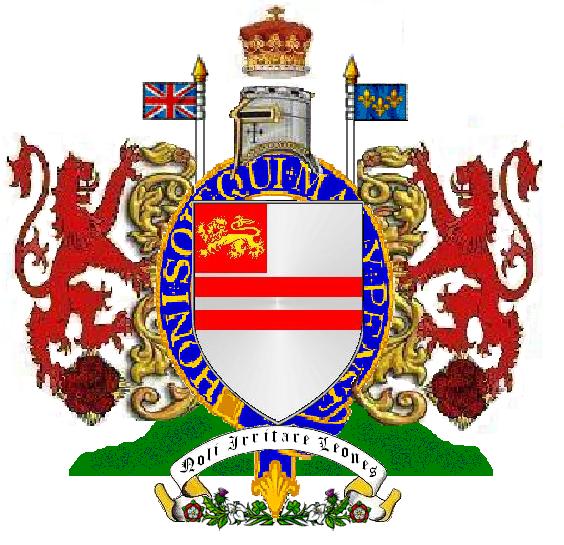
Coat-of-arms, Lancastrians of Wessex
The coat of arms (or shield) was granted to the Lancastrians of Wessex sometime between the fifteenth and sixteenth centuries, and has gone largely unchanged since that period.
1. Crest: A ducal crown and knight's helmet.
2. Supporter: Two red gryffons, mounted on two red roses, symbol of the English Royal House of Lancaster, distant relatives of the Lancastrians of Wessex. The Union Jack and French fleur de lis represent the two founding countries and ancestry of the Lancastrians of Wessex.
3. Shield: Family crest of the Lancastrians of Wessex, a golden gryffon hilights the top left portion of the shield. Surrounding the shield is the insignia of the Most Noble Order of the Garter, bestowed upon Duke Francis York Lancaster, 20th Duke of Wessex, and incorporated into the crest ever since.
4. Compartment: A bed of English grassland.
5. Motto: Noli irritare leones. Latin: Do not irritate the lions.
6. Mount: At the bottom of the motto are the red-and-white roses, representing the merger of the Houses of York and Lancaster, as well as the Scottish thistle, French fleur-de-lis, and Irish shamrocks, all denoting the Lancastrian place in the British Isles and its history.
The ducal standard of the Lancastrians of Wessex has existed for about as long as the coat-of-arms, and is flown wherever the Duke of Wessex resides, where permitted.
1. Top Left Panel: Tri-lion flag of England; ancient pattern representing English royalty.
2. Top Right Panel: The declared flag of Wessex, England.
3. Bottom Left Panel: The three fleur-de-lis representing the French ancestry of the Lancastrians of Wessex.
4. Bottom Right Panel: The coat-of-arms of the Lancastrians of Wessex.
His Grace Robert Edward James Lancaster II, 38th Duke of Wessex (1993-2007)
1. Duke Robert Edward James Lancaster (1066 - 1090)
2. Duke Edward James Lancaster (1090 - 1097)
killed during the First Crusade
3. Duke Edward James Lancaster II (1097-1105)
4. Duke William Charles Lancaster (1105 -1117)
5. Duke James George Lancaster (1117-1148)
killed during the Second Crusade
6. Duke George Lancaster (1148-1153)
7. Duke John Robert Lancaster (1153-1170)
8. Duke Richard Lancaster (1170 - 1192)
killed during the Third Crusade
9. Duke William Charles Lancaster II (1192 - 1206)
10. Duke William Charles Lancaster III (1206 - 1217)
11. Duke Richard Lancaster II (1217 - 1253)
12. Duke Alexander Malcom Lancaster (1253 - 1278)
13. Duke Edward James Lancaster III (1278 -1314)
14. Duke George Lancaster II (1314 - 1349)
killed by the Black Death
15. Duke John Robert Lancaster II (1349 - 1360)
killed during the 100 Year War with France
16. Duke Edward James Lancaster IV (1360 - 1399)
17. Duke Michael Mark Lancaster (1399 - 1413)
18. Duke Michael Mark Lancaster II (1413 - 1444)
19. Duke Matthew James Lancaster (1444 - 1461)
killed during the War of the Roses
20. Duke Francis York Lancaster (1461 - 1508)
awarded the Most Noble Order of the Garter for services rendered to the Crown
21. Duke Henry Lancaster (1508 - 1539)
22. Duke Henry James Lancaster (1539 - 1588)
23. Duke George Lancaster III (1588 - 1617)
24. Duke John Robert Lancaster III (1617 - 1642)
assassinated as a suspected Parliamentarian sympathizer during the English Civil War
25. Duke William Charles Lancaster IV (1642 -1665)
killed by the Great Plague of London
26. Duke William Robert Lancaster (1665 - 1679)
27. Duke Edward James Lancaster V (1679 - 1690)
28. Duke William Robert Lancaster II (1690 - 1700)
29. Duchess Elizabeth Anne Lancaster (1700 - 1725)
30. Duke Frederick George Lancaster (1725 - 1776)
31. Duke Philip Michael Lancaster (1776 - 1790)
32. Duchess Marie Elizabeth Lancaster (1790 - 1821)
33. Duke Edward James Lancaster VI (1821 - 1850)
34. Duke William Robert Lancaster III (1850 - 1893)
35. Duke William Robert Lancaster IV (1893 - 1917)
killed during the First World War
36. Duke William Robert Lancaster V (1917 - 1941)
killed by a bombing raid by the Luftwaffe during the Blitz
37. Duke Edward James Lancaster VII (1941 -1993)
killed in a plane crash
38. Duke Robert Edward James Lancaster II (1993 -2007)
abdicated; see Instrument of Abdication here: Instrument of Abdication
* Regency (2007 - 2020)
Her Ladyship Stephanie Erin Dynasty-Lancaster presides
39. Duke Edward James Lancaster VIII (2020 - )
not yet reigning