
Page 6= Milestones
Page 7= Bibliography
|
|
|
|
|
|
|
|
|
|
|
|
|
|
|
|
|
|
|
|
|
| Adaptations | ||||||||||||||||||||
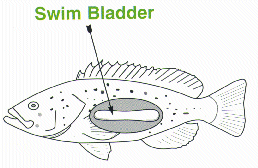
| Swim Bladder = Is a flexible walled, gas-filled sac located in the dorsal portion of the body cavity. It controls the body's buoyancy and in some species is important for hearing. | ||||||||||||||||||||
|
||||||||||||||||||||
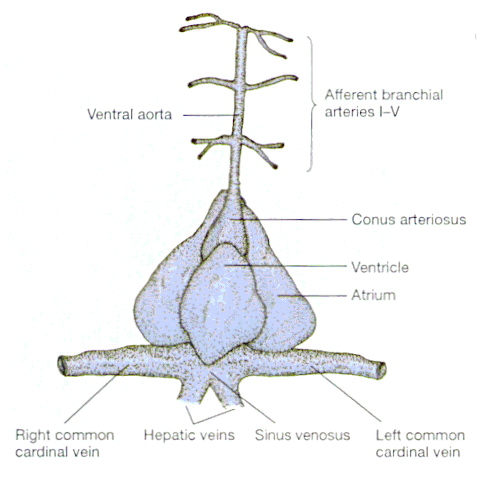
| 2 Chambered Heart = Its the simplest type of true heart - Blood is pumped from the ventricle through the conus arteriosus to the gills. The conus arteriosus is like the aorta in other species. At the gills, the blodd receives oxygen and gets rid of carbon dioxide. Blood then moves on to the organs of the body, where nutrients, gases, and wastes are exchanged. There is no division of the circculation between the gils and body. That is, the blood travels from the heart to through the sinus venosus of 6-240 beats per minute, depending upon species and water temp. The fish's heart will be beat slower at lower temps. | ||||||||||||||||||||
|
||||||||||||||||||||
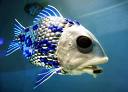
| Gills= they extract oxygen from the water into the bloodstream. They are richly supplied with blood vessels in order to act as a respiratory organ. | ||||||||||||||||||||
|
||||||||||||||||||||
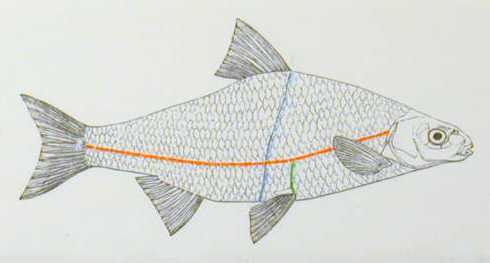
| Lateral Lines = It is sensitive to water pressure. These differences may be due to changes in depth or to the currentlike waves caused by approaching objects. | ||||||||||||||||||||
|
||||||||||||||||||||
| Page 5= Evolutionary History Page 6= Milestones Page 7= Bibliography |
||||||||||||||||||||