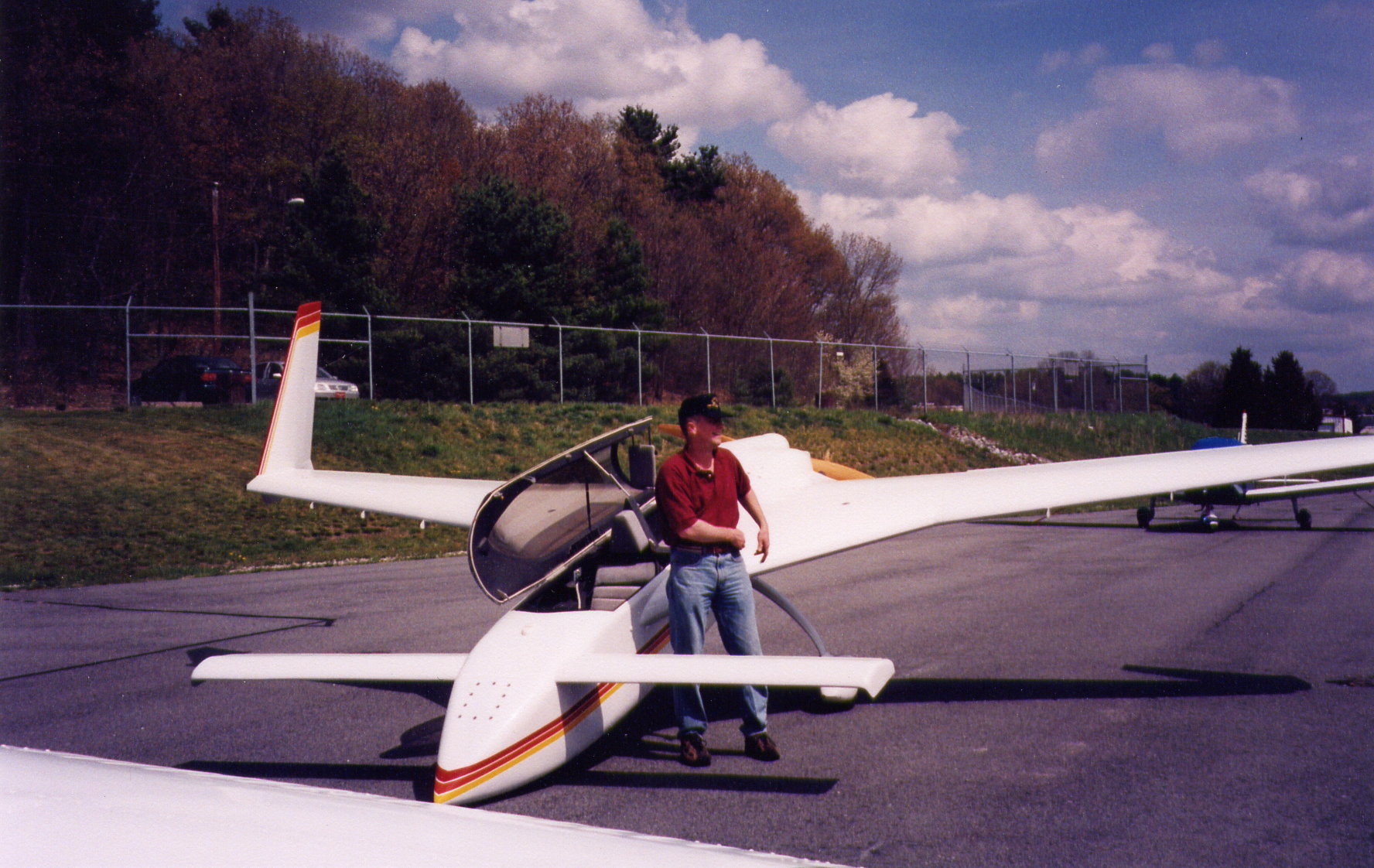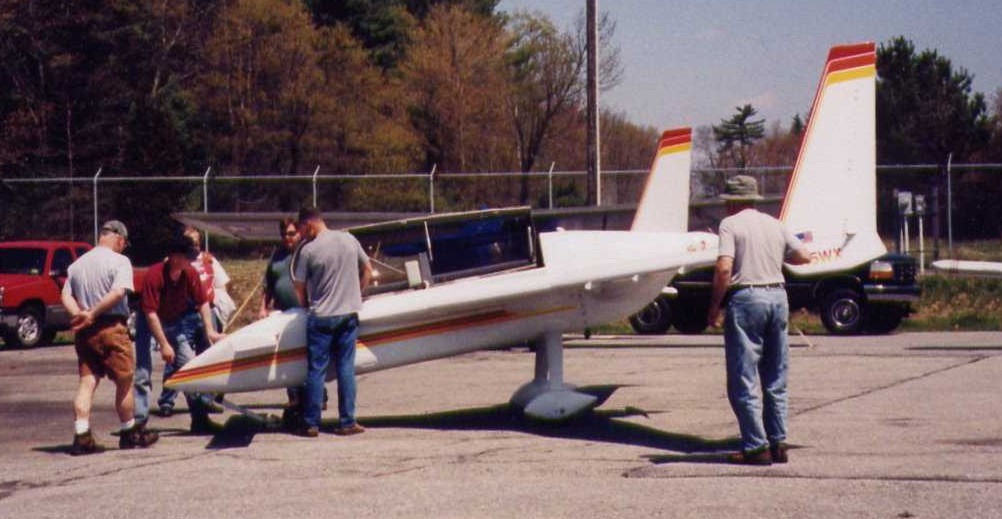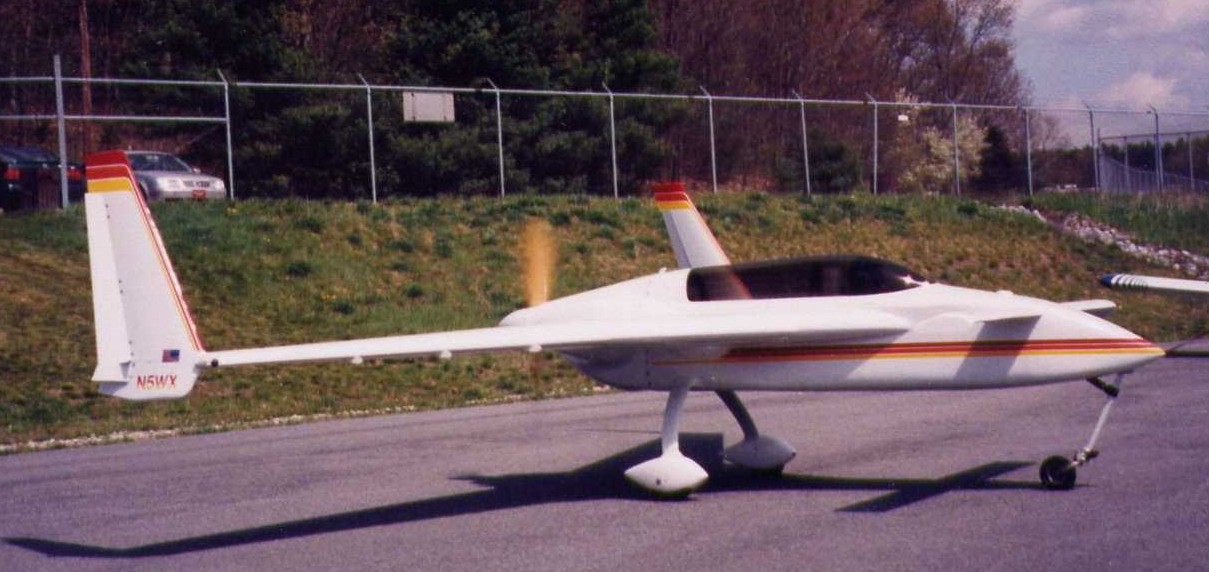
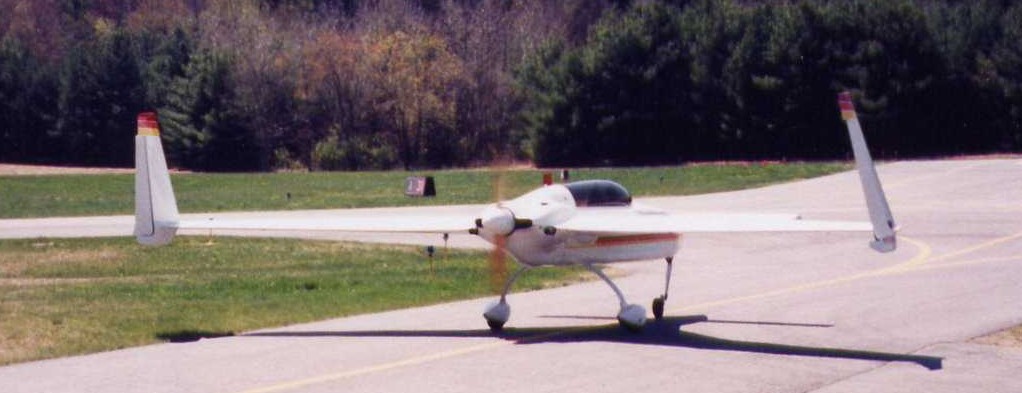
-Construction completed in December 1984, Airworthiness Certificate awarded 1985.
-Built by Mr. Leighton B. Herron in Mojave, CA; Previously, he had:
-Built the first licensed Vari Eze, N1WX in 1977.
-Built the first licensed Quickie, N2WX, which was on display in EAA museum
-Built a Delta Dyke, Rebuilt a Waco, a 1929 Kitty Hawk B-4, and a Champion 7-FC
--bottom line....the aircraft is well-built by a gentleman who knew what he was doing.
The Aircraft:
-Currently owned by 2 military pilots; both pilots are approximately 5'10-5'11;...the adjustable rudder pedals are currently fully extended.
-Authorized for instrument and aerobatic flight per Airworthiness Certificate issued by FAA. Note: neither of the current owners advocate or endorse aerobatics in this aircraft...it's your decision on your own. 2007 Conditional Innspection is complete, aircraft flies great!
-Aircraft Total Time ~580; Engine Time Since Major Overhaul ~570; Engine Time in Service ~2630. Brand-new Top End by Superior as part of the conditional that is just completed. What this means: brand-new cylinders, pistons, rings, valves, rods, everything except the crankshaft and case. Basically, all the items that wear out (rings, valves, cylinders & pistons) are brand-new, meaning a long service life to go.
-Maintained by a couple of well-experienced IA designated AP mechanics.
-Brand new nose wheel and tire
-About 5-6 gallons per hour fuel flow.
-Standard fuel tanks, 26 gallons per side, standard fuel selector between pilot's legs
-915.5 pounds empty weight from weight balance
-No-drag tiedown system; no-drag flush pilot entry step
-Fresh-air NACA vent for pilot, 2 fresh air vents for copilot
-Tempurfoam seats front and back
-Plexiglass lower viewing windows in wing strakes for rear seat passenger.
-Wood stick grips, push-to-talk for radio and voice-activated intercom.
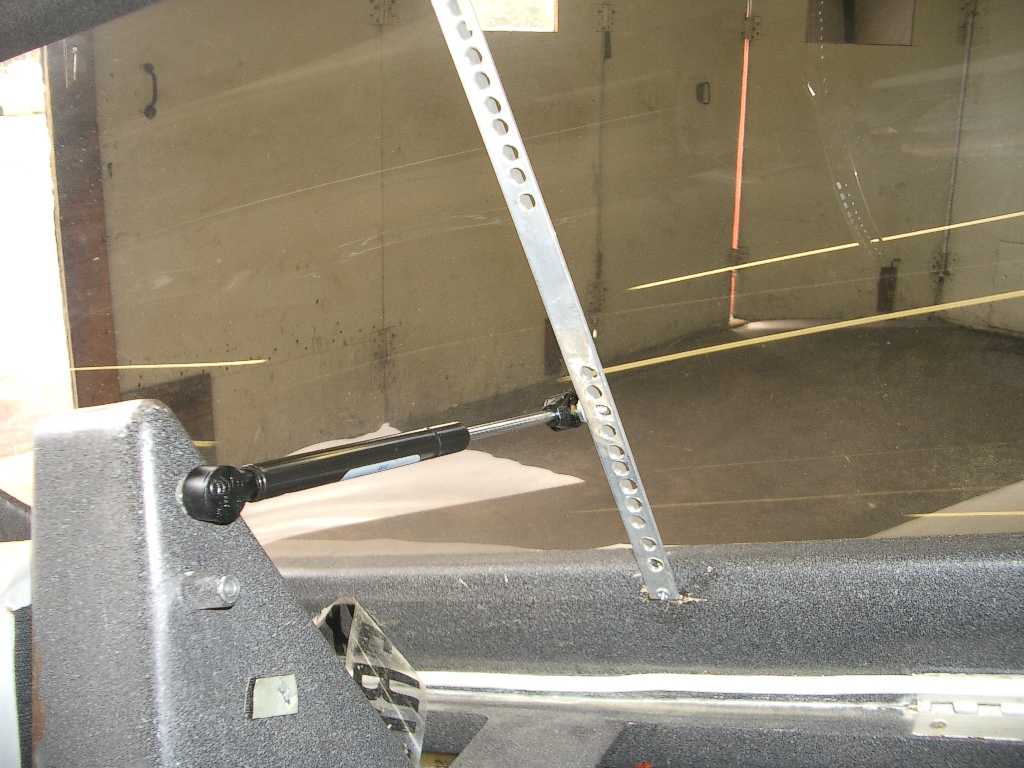
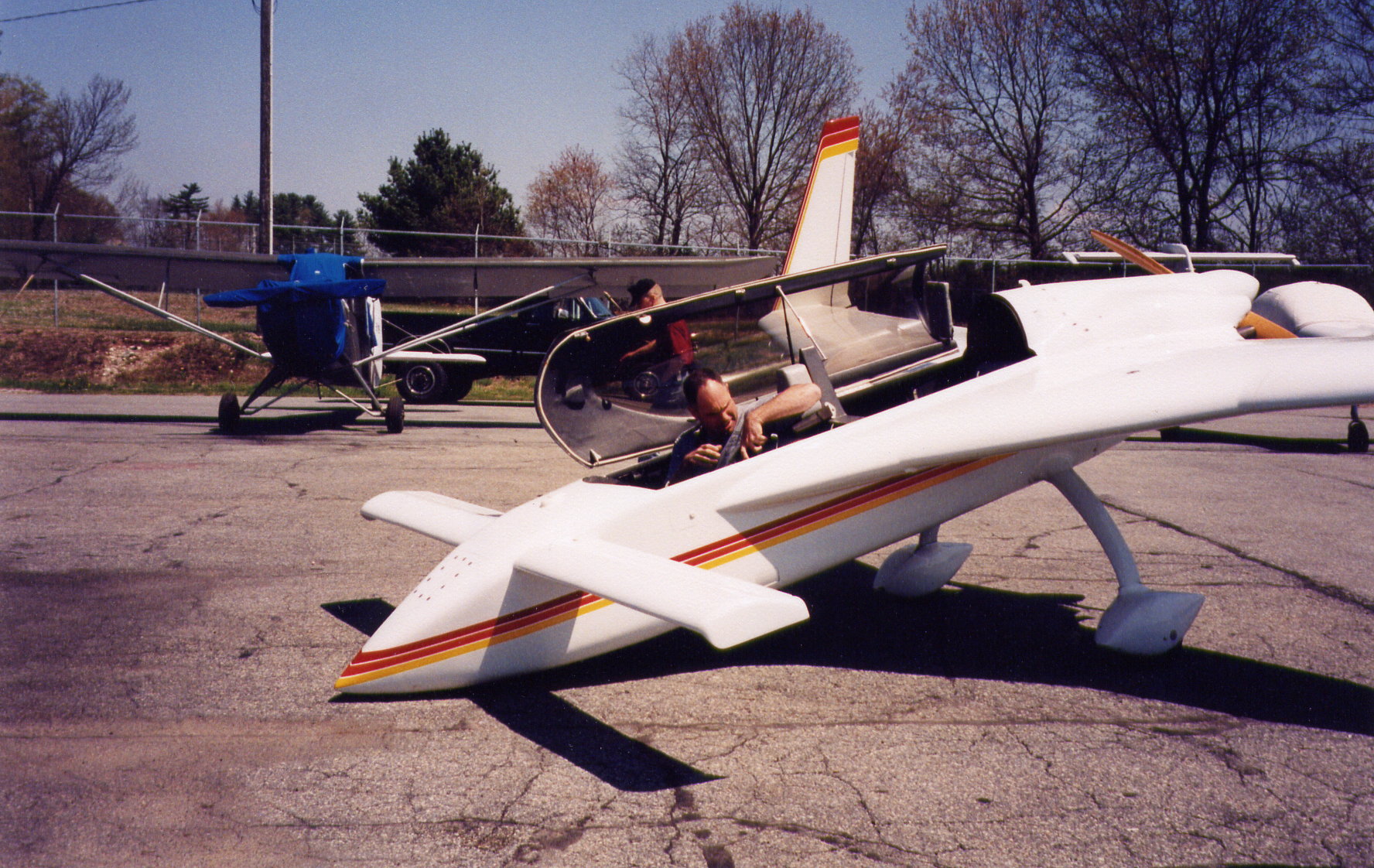
-Tinted canopy with an air strut to hold it open instead of the folding hinge per the plans
-Wright electric nose wheel lift
-BT cruise prop with aluminum spinner; generally get off the deck well within 1000' loaded with 2 passengers and bags
-Large tires, large wheel pants
-NACA engine inlet instead of male scoop.
-Dual exhaust, 2 ports into one pipe.
Selling because we don't have time to spend flying the plane, and are not as interested in flying as we should be to own a plane (many, many hours of flight time)
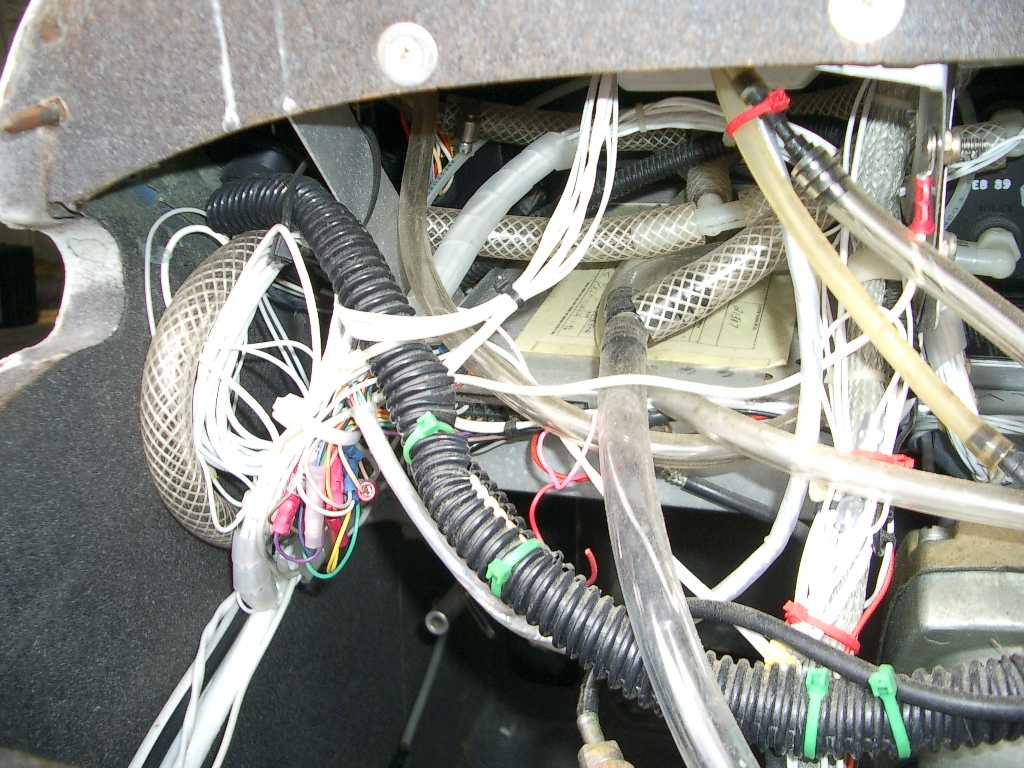
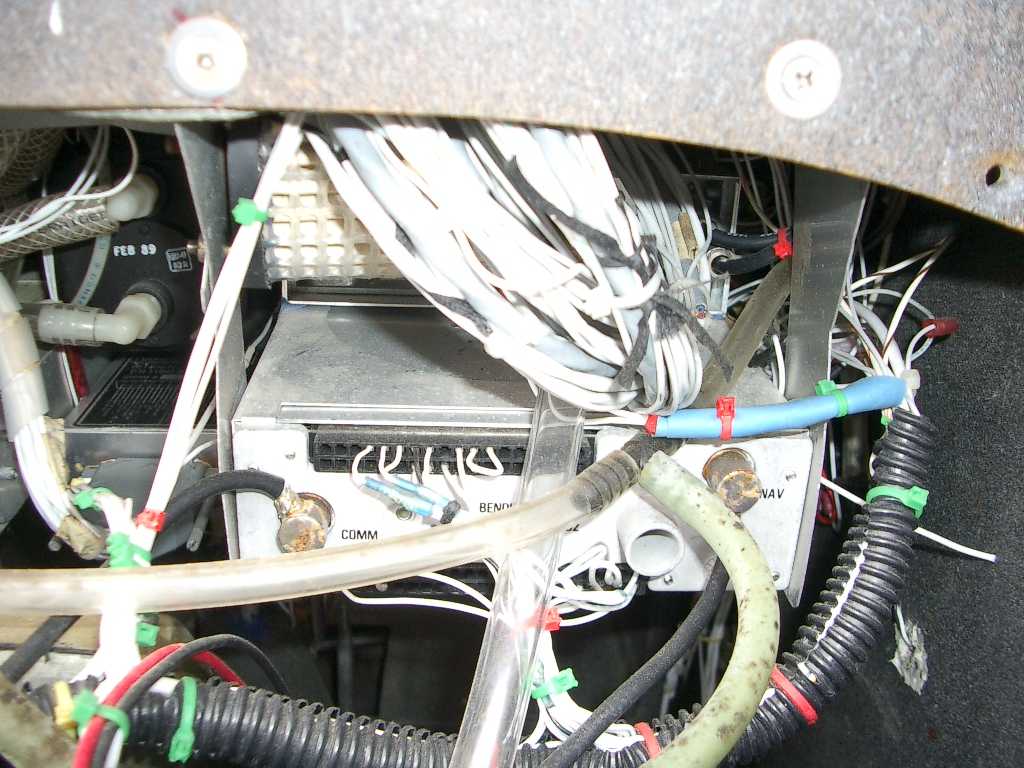
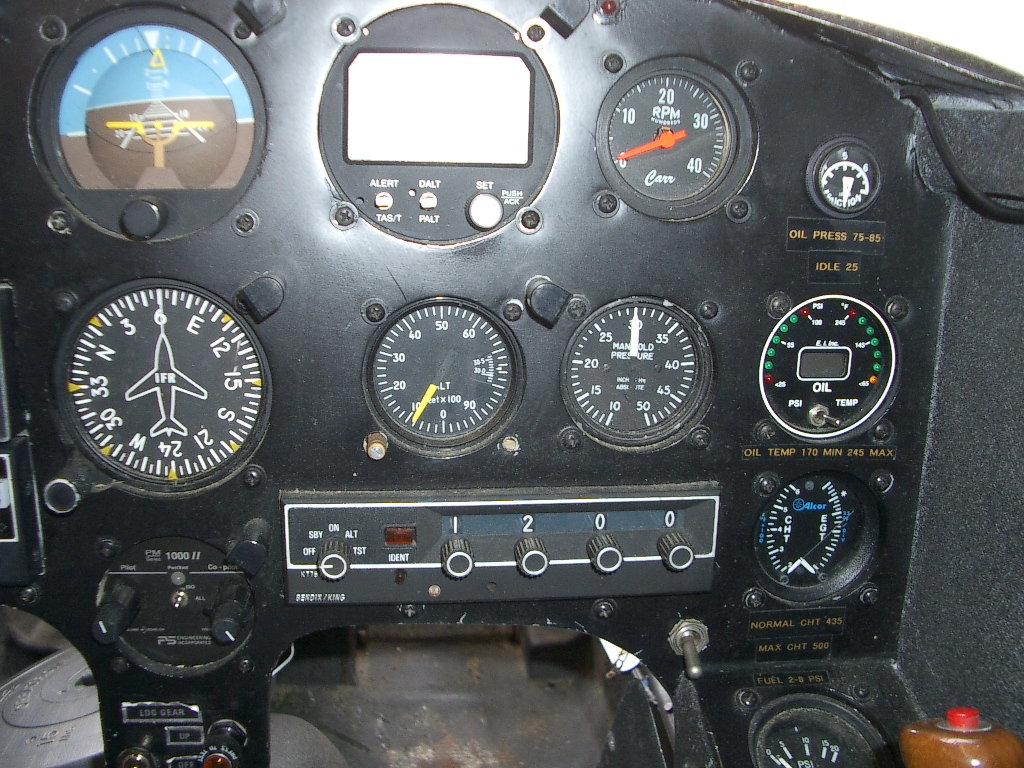
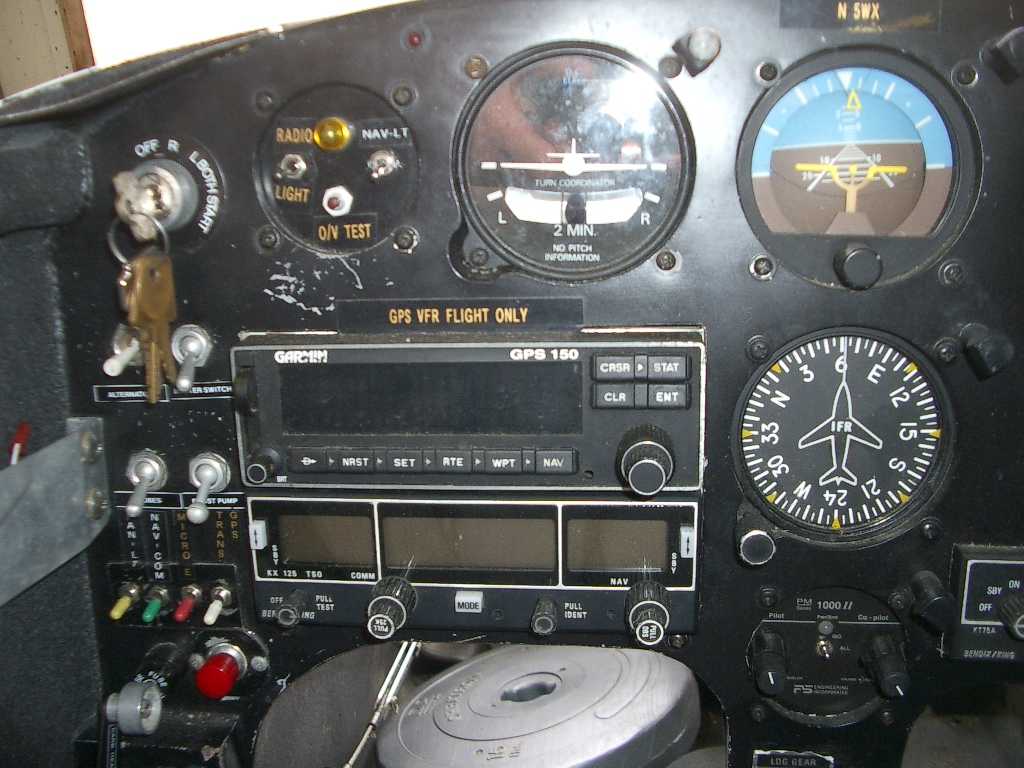
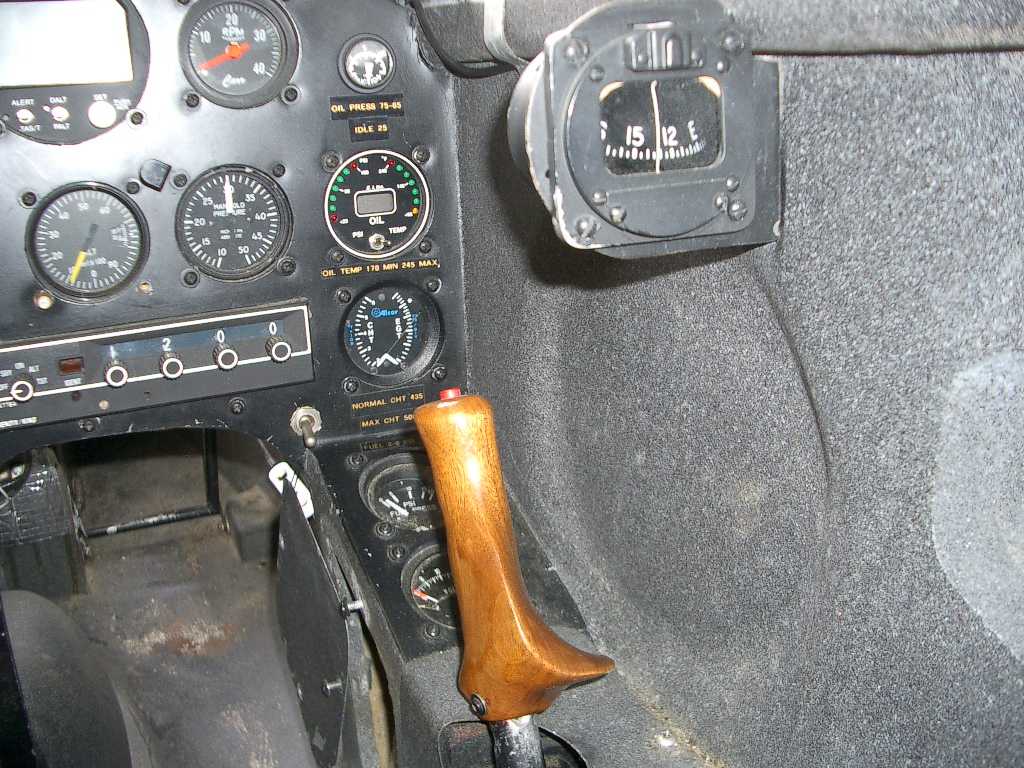
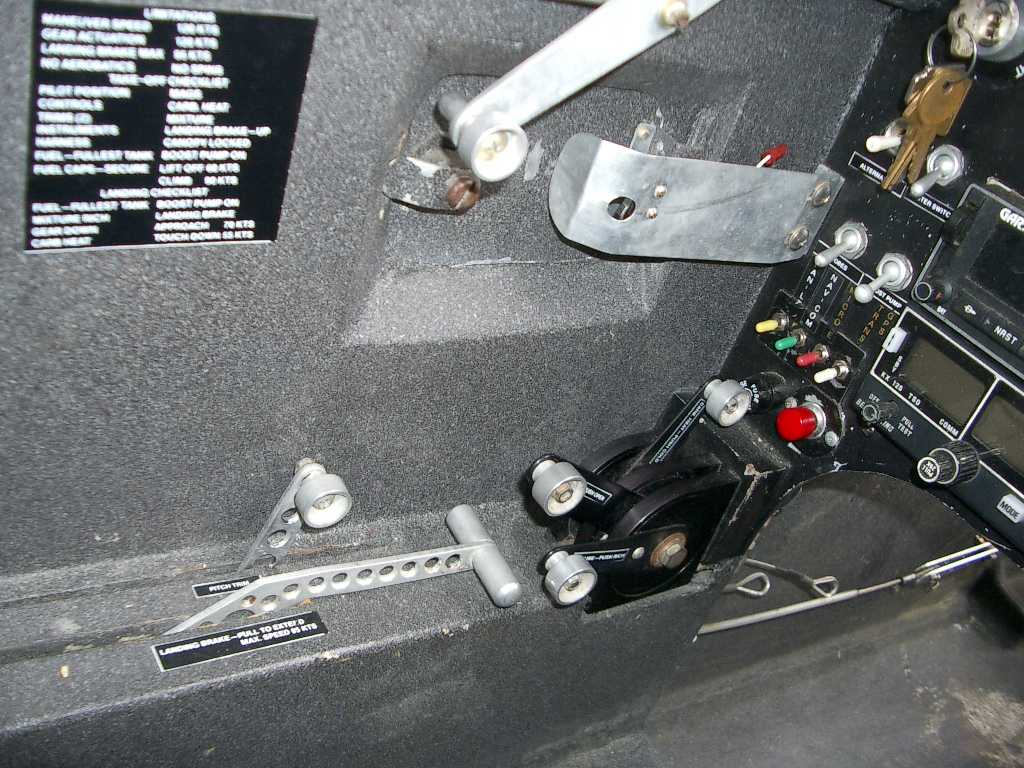
-Outboard far left is pitch trim
-Just inside that is speed brake handle
-Forward is the throttle quadrant with
-Throttle
-Carb heat
-Mixture control
-Above that is the key-lockable access door with door latch and latch lock with alarm.
-Above the throttle quadrant is the dual VOR Nav/Com.
-Can see rudder pedal adjustment cable
I understand the interior paint is what folks generally like in these aircraft.
-Bendix key start
-Light controls
-Electric turn & bank
-Attitude indicator
-RMI
-Garmin GPS 150 VFR GPS
-Dual VOR Nav/Com
-Below RMI is ICS control
Please disregard dumbell weights left in cockpit for safety.
-Next to attitude indicator is RMI microencoder, with airspeed, altitude, rate of climb, OAT, etc.
-Below RMI micro-E is vacuum altimeter
-Next to altimeter is manifold pressure
-Next to that is oil temp/pressure
-Below oil gauge is CHT/EGT
-Ammeter is on console just in front of stick
-below ICS control between pilots legs is nose gear control switch with indicator light
-Pilot control stick visible below with stand-by compass above
-Full view of pilot stick (military stick grip available for installation for HOTAS equipment)
-Wet Compass
-Fuel Pressure
-Ammeter
-Out of view is leather forearm rest