 |
| A short account of one of Prestonpans' well known features...Preston Tower. |
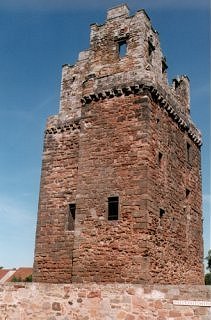
| Preston Tower is the imposing L shaped castellated structure standing north from the Railway Station, on the southern outskirts of Prestonpans. Rising in all to approximately 90 feet in height on walls measuring 6 feet 9 inches thick, it stands in an enclosure surrounded by boundary walls dating back at least 17th century. |
 |
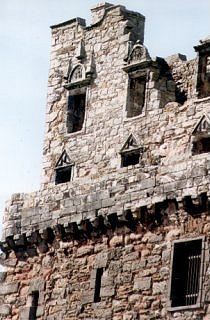
| Preston Tower is almost unique in having an extension built at the top of the original tower, in a different architectural style, Instead of the customary addition of an extra wing at ground level. The main tower of about 67 feet was constructed in the 15th century of the soft red sandstone common in East Lothian, while in the upper storeys, built about 200 years later, a light coloured stone was used. This upper part displays Rennaisance mouldings around the windows. |
 |
| By the marriage of Sir Robert Hamilton to Jane, daughter of Sir James Liddle of Preston, the estate of Preston came into the possession of the Hamilton family, and on these lands Sir Robert constructed the original Tower. The upper part was added some 200 years later by Sir John Hamilton (1565-1644). |
 |
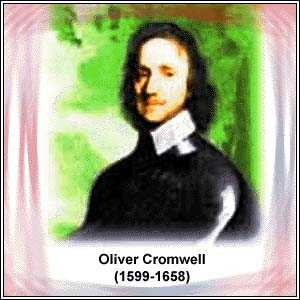
| Throughout the years, the house suffered at the hands of the English invader, being burned bv the English army underthe Earl of Hertford in 1544, and again by Oliver Cromwell's soldiers after the battle of Dunbar in October 1650. This latter action was taken as an act of retribution against Sir Thomas Hamilton who had raised 'a body of horse' to fight at Dunbar. The Burning resulted in the destruction of 'Charter Kist', the box in which the family papers were kept, and the new charter to the family estates had to be issued in 1663. After an accidental fire in that same year, the house was never again occupied. |
 |
 |
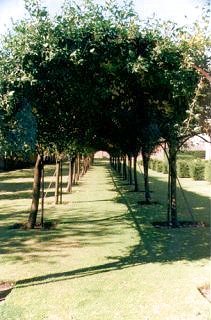
| In 1684, the estates were forfeited and the baronetcy ultimately lapsed. Fortunately, however, the title was successfully claimed in 1816 by Sir William Hamilton, a professor of Logic and Metaphysics, who purchased the old tower and surrounding grounds (below). |
 |
| In recent years the Tower has been conserved, as a fine example of a 17th century doocot just 100 yards to the North of the Tower. |
 |