



a loyal son of Maryland and the Old South Walter L. Moore.
|
|
|
|
|
|
|
|
|
|
|
|
|
|
|
|
|
|
|
|
|
|
||||||||||||||||
|
||||||||||||||||||
|
||||||||||||||||||
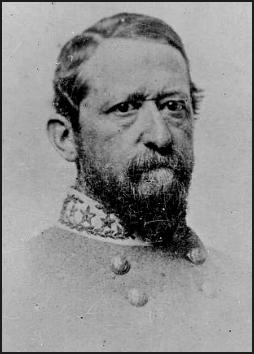
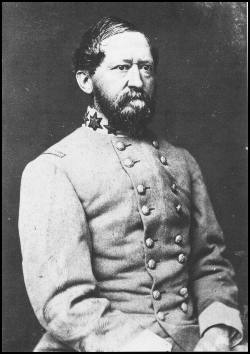
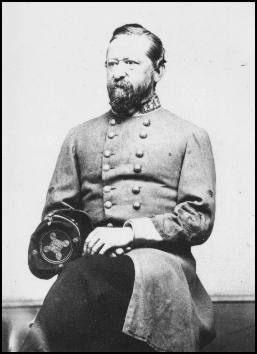
| Major General Arnold Elzey | ||||||||||||||||||
|
||||||||||||||||||
| ��������������� One of the most famous Confederate sons of Maryland, whose name must stand alongside the likes of Admirals Semmes and Buchanan and fiery old Isaac Trimble is Major General Arnold Elzey. He was born Arnold Elzey Jones on December 18, 1816 at Elmwood, Somerset County, Maryland. He came from an old and distinguished Maryland family and at the age of 20 graduated 33rd in his class at West Point in 1837 after which he was assigned to the Second U.S. Artillery. Because there was a multitude of men named Jones in the army he decided to drop Jones and adopt his middle name, Elzey, which had been the name of his paternal grandmother. During his early days in the army he served honorably in the Seminole War in Florida and along the Canadian border when tensions rose with Great Britain. | ||||||||||||||||||
| ��������������� When war broke out between the United States and Mexico Elzey, like many future Civil War generals, saw plenty of action. He fought at Ft Brown, where he fired the first American shots of the war, as well as at Vera Cruz, Cerro Gordo, San Antonio, Molino del Rey, stormed the walls of Chapultepec Castle and Mexico City. He earned two brevet promotions for his courage and skill at Contreras and the convent at Churubusco and in 1847 the Maryland General Assembly commended Elzey for his gallantry, bravery and good conduct in the war. Early in 1849 he was promoted to captain and went on to fight honorably in the Seminole War in 1849, 50 and 56. Of course, it was not long after that the rumblings began in preparation for the War Between the States. | ||||||||||||||||||
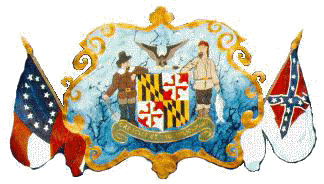
| ��������������� Maryland was in a difficult position. Geographically south of the Mason Dixon Line, Maryland was a slave state and obviously had a great many southern sympathizers. However, there was also a fair amount of Union sympathy in the state and President Lincoln in nearby Washington DC was not about to run the risk of Maryland voting in favor of secession. When the war came he immediately deployed federal troops to break up the Maryland Assembly and arrest anyone suspected of favoring secession. As a result, Maryland would remain in the Union whether anyone liked it or not. Many did not and despite being behind the lines most of the war a great many Marylanders chose to fight for the Confederacy. For Elzey there was no second thought. He was commanding a federal arsenal in Augusta, Georgia in April, 1861 and he immediately surrendered it to the new Confederate States of America. However, he was not a man who took his duties lightly and he took his men to Washington DC� where he was banished to the military dungeon of Ft Monroe for giving up the arsenal to the Confederates. He then resigned his commission in the US Army on April 25, 1861. He escaped from the fort and went to Montgomery, Alabama, the first Confederate capitol, to offer his services to the Confederacy. | ||||||||||||||||||
|
||||||||||||||||||
| ��������������� The Confederate high command quickly assigned him to command the First Maryland Infantry with the rank of colonel. He saw his first major action at the first battle of Manassas Junction in which he proved his quality in a big way. When his brigade commander, General Edmund Kirby Smith, was wounded Elzey immediately stepped up and took command of the brigade, leading them all into the thick of the fighting and providing the final push that crushed the Union forces and sent them fleeing in a mad retreat that soon became a route of the entire Union army. General Pierre G.T. Beauregard compared him with the famous Prussian Field Marshal Blucher whose arrival saved the day at the battle of Waterloo. President Jefferson Davis arrived on the field and immediately promoted Elzey to brigadier general. | ||||||||||||||||||
| ��������������� Elzey commanded the fourth brigade in the division of General Richard S. Ewell with the II Corps of the famous General Stonewall Jackson during his magnificent campaign in the Shenandoah Valley. Elzey led his men through a succession of battles with the only injury he received being a slightly damaged leg which he received at the battle of Cross Keys, prior to the battle of Port Republic when his horse was shot out from under him. He was a very well respected officer and his divisional commander, General Ewell, frequently sought his advice. Elzey remained on active duty during the Peninsular campaign as the massive Union army of General George B. McClellan crept ever closer to Richmond. This all came to an end when General Robert E. Lee took command of the main Confederate force, which he renamed the Army of Northern Virginia, and launched an offensive to drive McClellan back which became known as the Seven Days battles. Elzey led his brigade into the thick of things and on June 27, 1862 he was badly wounded in the head at the battle of Gaines Mill.� There were heavy casualties and hard fighting with many of his closest officers being killed or wounded as well. He managed to survive and recover but was deemed unfit for a field command. | ||||||||||||||||||
| ��������������� It was a sad blow for the Confederacy but no one wanted to see so talented a soldier as Elzey go to waste either so he was given command of the Department of Richmond with a promotion to major general on December 4, 1862. For the next two years General Elzey oversaw the defense of the city all Union forces wanted to capture the most, the immediate protection of the nerve center of the entire Confederacy was in his hands. Due to his background in heavy weapons, General Robert E. Lee recommended Elzey to be his chief of artillery but sadly his physical condition prevented such an assignment. | ||||||||||||||||||
| ��������������� General Elzey performed brilliantly at his post. He formed the Local Defense Brigade of local citizens turned soldiers to fend off Union raids on Richmond which were frequent. In various engagements his quick thinking and rapid troop movements foiled the plans of such vaunted Union raiders as Stoneman, Kilpatrick and Sheridan. In 1864 he was able to take to the field again for a while and organized the famous Maryland Line of Confederate troops from his native state in Staunton. These were soldiers who, though Maryland never seceded, were to prove themselves second to none in their loyalty to the Confederacy. After completing this assignment he was made chief of artillery for the Army of Tennessee under General John Bell Hood. | ||||||||||||||||||
|
||||||||||||||||||
| ��������������� By this late in the war the Confederacy had been forced to recall many officers who had previously been deemed unfit for military service. As for General Elzey, though he did shine on a few occasions during the retreat from Nashville, the dispersal of the artillery units in the Army of Tennessee gave him little room to prove himself in this assignment. Following the disintegration of this army after Nashville Elzey was left without a command before the Confederacy began to totally collapse in April of 1865. The following month he was paroled in Washington, Georgia and he returned to Maryland to take up farming. He died on February 21, 1871 in Baltimore. However, General Arnold Elzey left behind an inspiring legacy. Those who knew him held him in the very highest regard. Bradley Johnson called him, ?the soul of chivalry,? ?a superb soldier,? and, ?the center and the soul of our patriotic day dreams? speaking of the Maryland Confederate soldiers. General Pierre G.T. Beauregard described him as ?brave, zealous and intelligent? and Colonel J.R. Herbert of Baltimore said that Elzey was, ?a gallant soldier and loved by all who served under him?. However, he will probably always be remembered best for saving the day at the first great Confederate victory of the war and by the name General Beauregard gave him that day on the field of battle, the Blucher of the Confederacy. | ||||||||||||||||||
|
||||||||||||||||||
| This page is dedicated to the memory of my friend and fellow Confederate, a loyal son of Maryland and the Old South Walter L. Moore. |
||||||||||||||||||