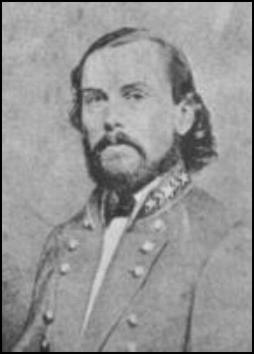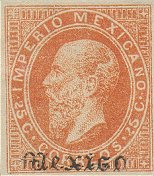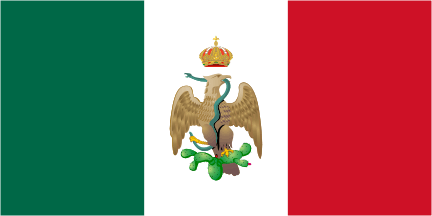

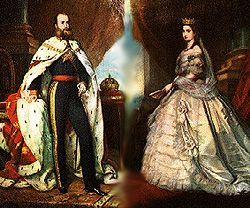


The Mexican Empire seemed a good choice. It was closer to home than Brazil or Europe and the Austrian Archduke - turned Mexican Emperor Maximilian and his French allies had been very friendly to the Confederacy. The Confederate commander of the Rio Grande valley in South Texas, Brigadier General James Edwin Slaughter even had fleeting hopes of reforming Confederate units in Mexico, defeating Maximilian's republican antagonist Benito Juarez and then launching a new invasion of the United States to restore the Confederacy. Some came to simply offer their services as military experts to the friendly Mexican monarchy and others came simply to colonize, settle down and try to make their living as best they could.
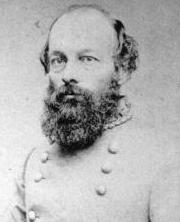
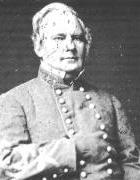
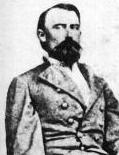
The names of those Confederates who crossed the border includes many of the most prominent generals of the Trans-Mississippi department. There was General Edmund Kirby Smith, commander of all Confederate forces west of the Mississippi; Major General John Bankhead Magruder, commander of Confederate forces in Texas; Major General Sterling Price, probably the most prominent Missouri Confederate; Major General Joseph O. Shelby, often cited as the best cavalry officer in the Trans-Mississippi and Major General Thomas C. Hindman who commanded the western forces in 1862. Politicians came south as well as the famous cartographer Matthew F. Maury. Emperor Maximilian was at first somewhat reluctant to accept some of the Confederates since he was hesitant to offend the United States which had always been hostile to his throne, however, with the French retreat from Mexico, the Emperor was in need of help having at his disposal only a small army of Mexican loyalists and Austrian and Belgian volunteer legions.
However, though the exiled Confederates fought hard to protect their colony and businesses, most left the country when the French army evacuated, seeing no hope for the survival of Maximilian's monarchy. Most returned to the United States while Emperor Maximilian gallantly chose to fight on, for a time clinging to hope of foreign rescue. It was Confederate General Joe Shelby who finally made the tragic Emperor understand fully his position, that he could not expect any help and that even if every former Confederate who was able to came to his aid, it still would not be enough at that point to stop the Juaristas and the U.S. Army assembling at the South Texas border. Maximilian thanked Shelby for being the only man with the concern and courage to speak to him honestly and rewarded him with the Emperor's own Order of Guadalupe medal.