Official Name: The Dominion of Canada
Capital City: Ottawa, Ontario
Largest City: Toronto, Ontario
Motto: A Mari Usque Ad Mare
National Anthem: O Canada
Royal Anthem: God Save the Queen
Official Languages: English and French
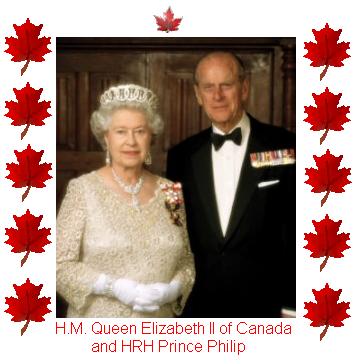
Type of Government: A constitutional monarchy with a federal, Westminster parliamentary democracy
Divisions: 10 provinces & 3 territories
National Holiday: July 1, Canada Day formerly known as Dominion Day
National Colours: Red and white

The Supreme Court of Canada is the highest court in the country and rules based on a combination of French civil law and British common law. The justices of the Supreme Court are appointed by the Canadian Governor-General upon the advice of the Cabinet. There are nine justices who serve until they choose to retire or reach 75 years of age.
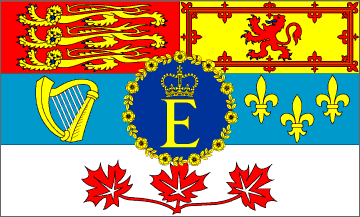
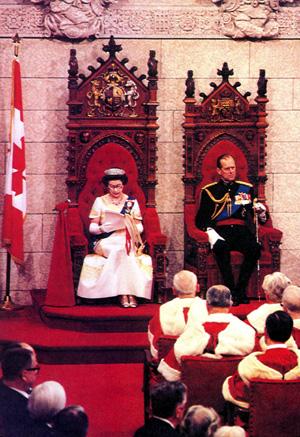
Canada is divided into provinces (not states!), each of which have their own premier (the politician who runs the province) and the lieutenant governor who represents the Queen of Canada in that province. The largest political parties in Canada are the Liberal Party, Conservative Party, NDP, Green and the Bloc Quebecois which advocates the secession of Quebec from the rest of Canada. However, unlike other federal systems Canadian provinces have relatively little autonomy. This was done out of fear following the American Civil War which the Canadian government did not want to see a repeat of in their own country. However, the party system in Canada generally works much better than in the United States.
In general, the eastern provinces of Canada have been politically liberal while the western provinces, with the exception of British Columbia, have been very conservative. Because the federal government has considerable power over the provinces, and due to population is often dominated by Quebec and Ontario, there have been many periods of division in Canada. Although never nearing the sort of conflict seen in the United States, there have been secession movements in the western provinces, now focused mainly on Alberta as well as Quebec, though this is due mostly to the cultural differences between the French Canadians and the rest of Canada rather than political opinions. In some ways, Canada is historically more conservative than the United States. Canada has never had a revolution and remains a free and independent constitutional monarchy. Today, however, Canada is much more liberal than the United States in policy and temperment with socialized healthcare, high taxes supporting a large welfare state and most recently the legalization of gay "marriage" in Canadian law.