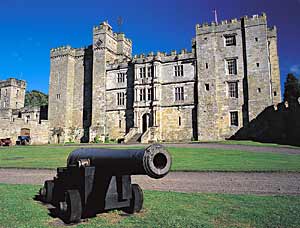
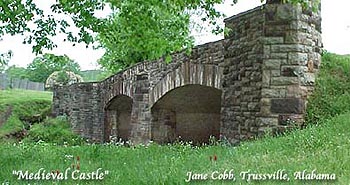
When people were not working, eating, playing or sleeping they usually were getting attacked or attacking someone else. The weapons they used were swords, long knives, lances, maces, spears, arrows, battle-axes, ballistas, mangonels, battering rams and trebuchets. Armor covered knights� whole bodies! In the eleventh century armor was made with mail-metal rings attached to each other. Around the fourteenth century plate armor was invented. It provided better protection. Castles had motes around them so it would be harder for the enemy to get to the castle. For even better protection some castles even had spears poking up from the ground of the mote so whenever an enemy tried to get across they would get stabbed unless they were very careful. The blocks on top of the castle were bonkers that protected the men that were fighting.
When people were not fighting, the normal clothes they wore were very baggy and loose fitting. That changed fast and people began to wear very tight fitting clothes. Lords and
Noblemen and noblewoman wore elaborate jewelry. Men also wore tightly laced strings that went around their wastes and long pointy hats and shoes. The shoes had chains attached to the tip of their shoe to their leg to keep the point up. people wore the same clothes for eating and drinking as many people do now too. Their food was pretty boring compared to now where we have everything anyone could possibly want!
They ate roasts, stews, birds, cattle, fish which were smoked salted or hung and sweet pudding which was made out of honey, eggs, milk and almonds. Tough herbs were dried and sprinkled on all different kind of foods, strong herbs were used to cover up the taste of raw, moldy or stale breads. Elegant herbs such as parsley were eaten raw. flowers were sprinkled on salads. To make wine, vassals would collect grapes, put them in a vat and crush them by stomping on them. After that they would add yeast and pour them into a jar. A common meal that was eaten in medieval times was called "birds without heads." To make it, cooks would mix together herbs, onions, spices, eggs and beef marrow. After it was mixed together the cook would roll the mixture into rolls, then slices of raw meat were cut and the rolls were placed one by one on each of the meat slices. The meat slices were then rolled up so they looked like little birds without heads and sprinkled with vinegar, sour grapes, cinnamon, ginger and pepper. Then the cook would put the "birds without heads in a dish and bake it in the oven. After they were done cooking they then got sprinkled with hard-boiled egg. After meals they ate a subtlety which was made out of
Before a meal the Lord, Lady and their guests would wash their hands with a bronze ewer and the priest would say grace. Church taught people that fish instead of pork, chicken, roast, turkey ect. should be eaten on Fridays and Wednesdays. Most people did not follow this rule and instead they paid the church with money. The lord, his family and their guests would sit at a "higher" table and would be served first. Cups and plates were often shared. When cups were shared men with moustaches were reminded not to keep a layer of grease on the top of the wine as it would offend the woman. Sometimes dogs would come to the tables and beg for food. Although it was considered ill mannered some people gave them portions of their food.
Food was served on trenchers, which were stale pieces of flat bread. Peasants were always waiting at the doors of the castle because when the people in the castles were done eating they threw the trenchers out and let the peasants eat them.