
Kimberlee Drake
Darla Hodges
Denise Touchstone



|
|
|
|
|
|
|
|
|
|
|
|
|
|
|
|
|
|
|
|
|
|
|
|
|
|
|
|
|
|
||||||||||||||||||||||||||||
| Teachers: Kimberlee Drake Darla Hodges Denise Touchstone |
||||||||||||||||||||||||||||
|
||||||||||||||||||||||||||||
| main page | ||||||||||||||||||||||||||||
|
||||||||||||||||||||||||||||
| images | ||||||||||||||||||||||||||||
| Middle School participants appreciated the purpose of masks in theatrical settings throughout history. They studied the idea of masks, the limitations of working behind a mask, and the need for exaggerated bodily presentation to support the psychological states and actions of characters. They designed replicas of traditional masks used in various theatre traditions and created individual | ||||||||||||||||||||||||||||
|
||||||||||||||||||||||||||||
| performances wearing those masks. Their performances were enhanced by a narrator speaking the poetry each created as reflections of culture and self. | ||||||||||||||||||||||||||||
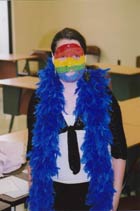
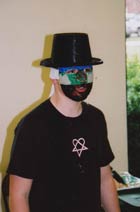
| Participants created masks for special purposes. | ||||||||||||||||||||||||||||
|
||||||||||||||||||||||||||||
|
||||||||||||||||||||||||||||
| As artists they explored the tools and materials needed to produce masks. | ||||||||||||||||||||||||||||
|
||||||||||||||||||||||||||||
| Creating poetic devices as vehicles for expression afforded opportunity to dream, remember, and play. | ||||||||||||||||||||||||||||
|
||||||||||||||||||||||||||||
| Authoring and sharing poetry, and performing means taking risks because each event potentially exposes the artist's emotions and deeply held ideas. | ||||||||||||||||||||||||||||
|
||||||||||||||||||||||||||||
| Students actively discussed ways that masks reveal spiritual practices and beliefs, have symbolic connotations, and are created from the materials familiar to cultures. | ||||||||||||||||||||||||||||
|
||||||||||||||||||||||||||||