
The Diggers of Colditz by Jack Champ and Colin Burgess. Photos are taken from the book.


|
|
|
|
|
|
|
|
|
|
|
|
|
|
|
|
|
|
|
|
|
|
|
|
|
|
|
|
|
|
|
|
|
|
| Douglas Crawford | |||||||||||||||||||||||||||||||||
| Douglas was born in Queensland in 1914 and went to school at Brisbane Grammar School. After leaving school Douglas had a number of jobs from working in an insurance firm to tobacco farming. He later started a manufacturers business. | |||||||||||||||||||||||||||||||||
| In 1936 Douglas took up a commission as a Lieutenant in the Citizens Military Forces. In late 1939 Douglas and 21 other officers formed the nucleus of the 6th Division Field Artillery which was later reorganised into the 1st Anti-Tank Regiment. | |||||||||||||||||||||||||||||||||
| The unit set sail from Australia on board the Queen Mary and arrived in England for a period of training. From here the unit was sent to Egypt, where after a short spell of combat duty they were shipped out to Greece. By this time Doug was a Captain in the 2nd Battalion. The 1st Anti-Tank Regiment was ordered to the Veve Pass on the Florina Plain. Here they were to hold the advancing German forces until the Greek could be pulled back from Albania. Under pressure from the advancing German units the Australian forces were ordered to pull back. | |||||||||||||||||||||||||||||||||
| On the 12th April 1941 while withdrawing his troops the truck Doug was in came under fire. A bullet hit the driver and the unit was overwhelmed and captured. Doug and his men were transported across the Danube and then by rail truck to prison camp Oflag XC at Lubeck. A short time later Doug and several others were moved to a POW camp at Biberach, where for a short time Doug was the senior British Officer. Doug was later moved on to Oflag VIB Warburg. | |||||||||||||||||||||||||||||||||
| Doug soon became involved in a number of escape attempts throughout his time as a POW. At Warburg the men were soon working on a tunnel, but the guards eventually found this. Another tunnel was prepared and as they were preparing to dig the exit hole it was discovered by the guards and but Doug was able to scramble back down the tunnel and escape the attention of the guards. | |||||||||||||||||||||||||||||||||
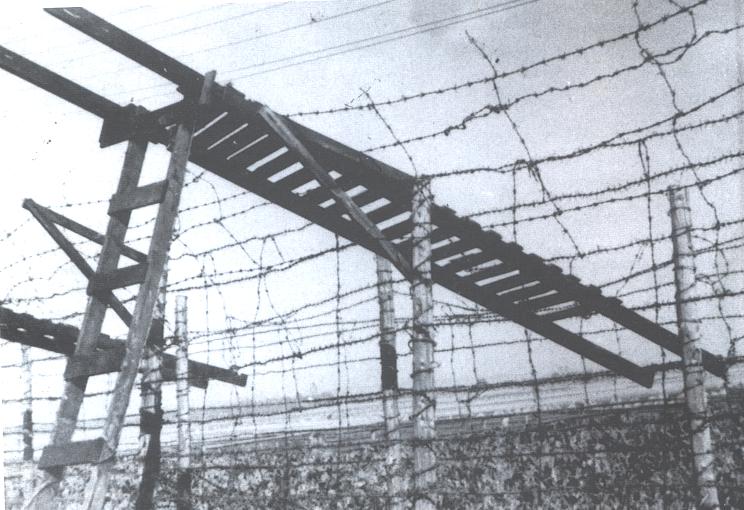
| While at Warburg the men came up with an ingenious way to scale the wire fence. It was basically a ladder with a pivoting platform that straddled the top of the fence allowing the men to cross without any difficulty and drop down on the other side. Four teams were put together to construct the ladders and platforms. On the night of the escape other men would create diversionary runs against the wire and make a lot of noise on the other side of the camp in order to distract the guard's attention. As he had been in a number of escapes Doug was given a position on team 3. | |||||||||||||||||||||||||||||||||
| On the night of the break out all went according to plan. The teams rushed the wire set up the ladders and throwing over the platforms. Doug had a slight problem with his platform and as a result only six members for team 3 got away, Doug included. On reaching the other side Doug split up from the others and ran as far away as he could before stopping to take his bearings. He planned to head southwest towards the Black Forest and then proceed to Frankfurt-am-Main. | |||||||||||||||||||||||||||||||||
|
|||||||||||||||||||||||||||||||||
| The ladder and platforms across the wire at Warburg. | |||||||||||||||||||||||||||||||||
| Travelling by night and resting up during the day Doug made good time and after five nights he approached Frankfurt-am-Main. Here his luck finally ran out and he virtually ran into a German soldier who had been on duty in a dugout in a field. He was taken to the nearest village and thrown in jail. Next day Doug was taken to Kassel where he was interrogated for a couple of days. Instead of sending him back to Warburg Doug was sent to a camp at Eichstat where other escapees had also been sent. | |||||||||||||||||||||||||||||||||
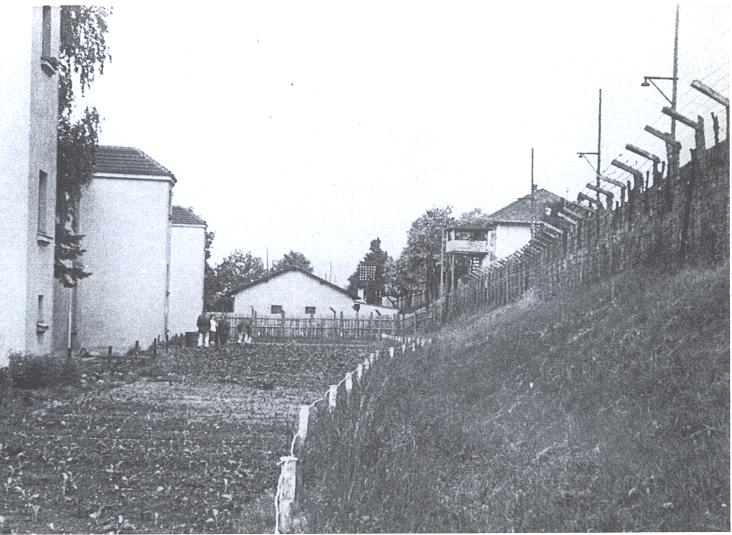
| It wasn't long before another tunnel was set in motion. This one started from the block nearest the wire and headed under the wire, up an embankment and under a road to a small wooded area. It was planned to get as many prisoners through the tunnel as possible and on the night of the escape a total of 60 men made it through the tunnel and out to freedom. This however, was short lived as the Germans swamped the area with troops and Militia. Doug was one of the men who escaped but he was caught just over a day later with fellow POW Pat McLaren. | |||||||||||||||||||||||||||||||||
|
|||||||||||||||||||||||||||||||||
| The tunnel at Eichstat went up the slope. Beyond the fence was a dirt road then the wooded area where the tunnel came out. | |||||||||||||||||||||||||||||||||
| Due to his many escape attempts Doug was transferred to the Germans toughest POW camp, Colditz Castle. Although the German thought it was escape proof a number of prisoners proved them wrong and made their way to freedom. Although he didn?t take part in any of the escapes Doug helped in any way he could. Ill health took its toll and in January 1945 Doug was informed that he was going to be repatriated to Australia. On the 7 January Doug and three others set off on board a train bound for Marseilles, via Switzerland. They boarded the SS Letitia, a Canadian hospital ship and sailed for Liverpool. A few days after reaching Liverpool Doug again boarded a ship, the Empress of Scotland, and sailed for home via Panama. | |||||||||||||||||||||||||||||||||
|
|||||||||||||||||||||||||||||||||
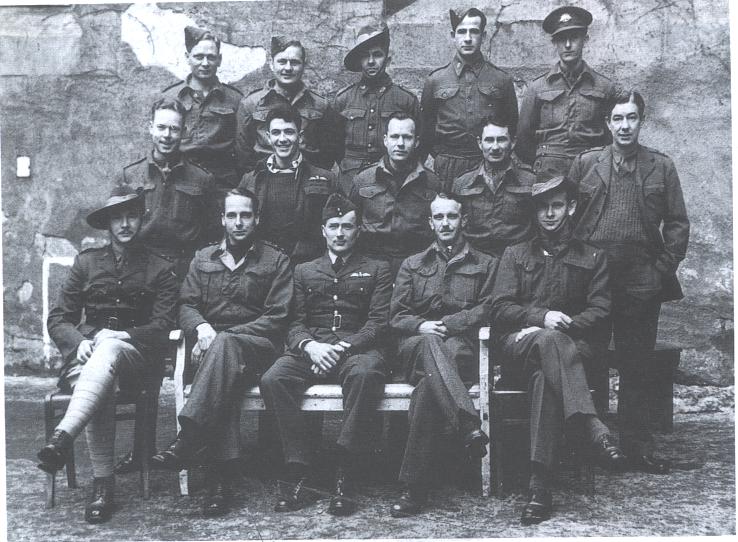
| Australians in Colditz. Doug Crawford is in the front row second from the right. | |||||||||||||||||||||||||||||||||
| Once back in Australia Doug went into a convalescent home where he was well cared for and eventually he was passed fit for duty. Doug stayed in the Army and eventually rose to the rank of Lieutenant Colonel before retiring in 1983. | |||||||||||||||||||||||||||||||||
| Sources; The Diggers of Colditz by Jack Champ and Colin Burgess. Photos are taken from the book. |
|||||||||||||||||||||||||||||||||
|
|||||||||||||||||||||||||||||||||
|
|||||||||||||||||||||||||||||||||