
To see how interpretations of the Constitution are still debated today, click Video.
|
|
|
|
|
|
|
|
|
|
|
|
|
|
|
|
|
|
|
|
|
|
||||||||||||||||||||
| Politics and Interpretations of the Constitution 1800-1840 | ||||||||||||||||||||
|
||||||||||||||||||||
|
||||||||||||||||||||
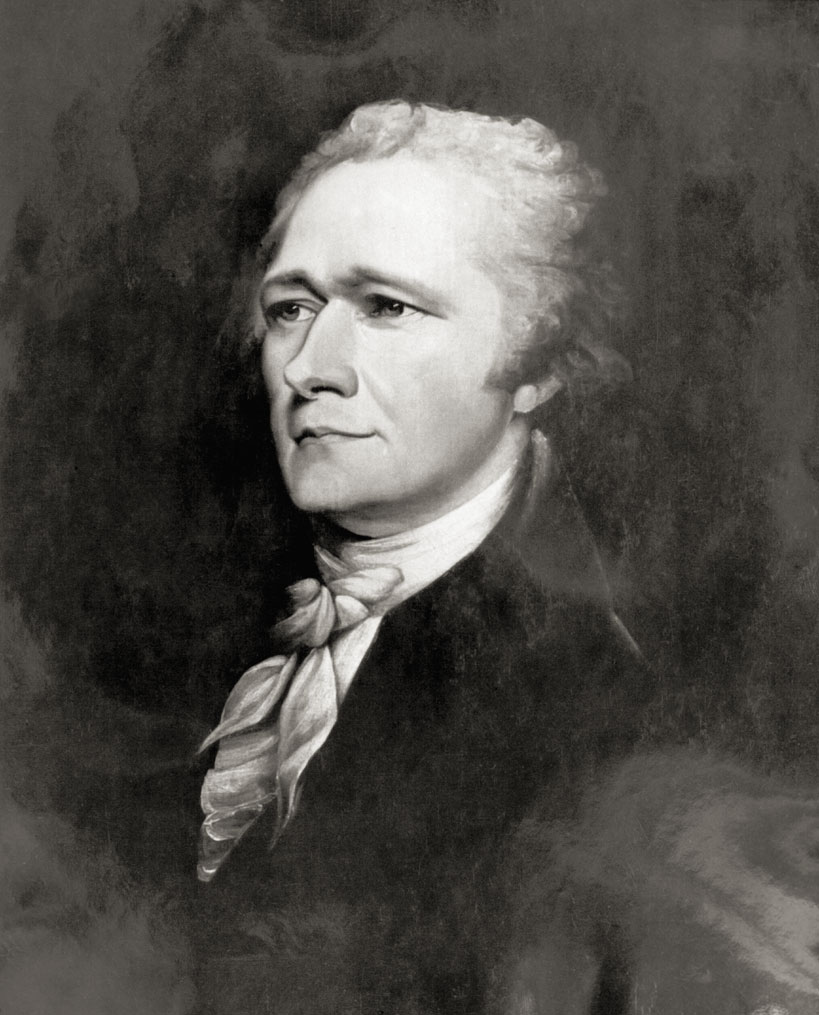
| Alexander Hamilton was a prominent figure who held a broad constructionist view of the Constitution. | ||||||||||||||||||||
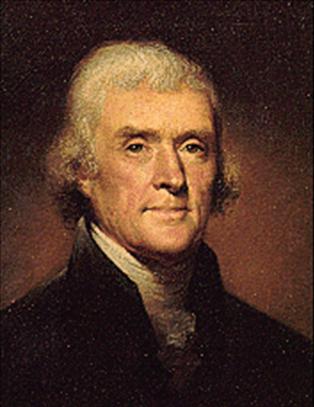
| Thomas Jefferson was one of the figures who held a strict constructionist view of the Constitution. | ||||||||||||||||||||
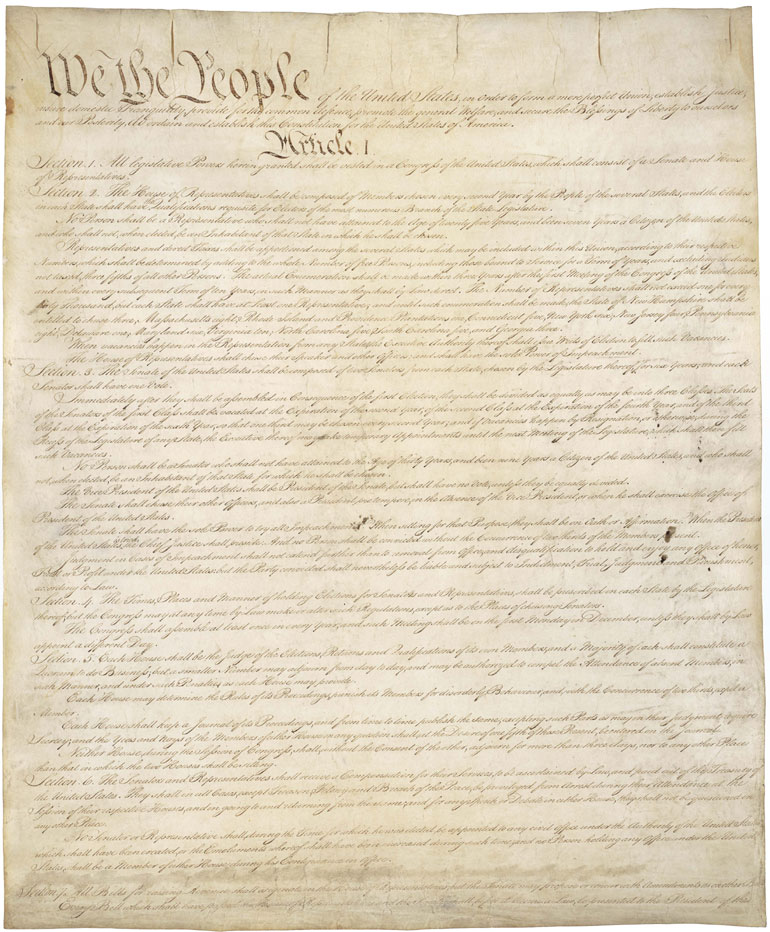
| During 1800-1840, the issues of states' rights and opposing interpretations of the Constitution dominated American politics.There were debates between proponents of states' rights who favored a strict constructionist view of the Constitution and those who favored a stronger central government and a broad constructionist view of the Constitution. Events such as the Jeffersonian embargo, the Louisiana purchase, and the existence of a National Bank showed that as time went on, the broad constructionist view gained prominence. The election of Andrew Jackson and the advent of populism also showed how Americans were moving away from the more conservative Constitution. The writers of the Consititution favored a strong legislative branch and enacted safeguards against both popular democracy and a strong executive leader, since the writers feared both mob rule and tyrants. They favored a government more republican than democratic. As the 1800s progressed, more power was given directly to the people instead of the legislative assemblies. Power of the president also increased, primarily due to Jackson's unprecedented use of the veto. This time period shows a movement away from the ideals of the Constitution due to the emergence of a powerful executive, popular democracy, and the emergence of political parties. | ||||||||||||||||||||
|
||||||||||||||||||||
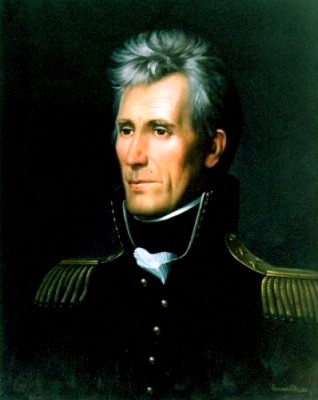
| Andrew Jackson was the seventh president of the United States, and was elected by sopporters of populism. He increased the power of the president though his unprecedented use of the veto. | ||||||||||||||||||||
| To learn more about politics in the early 1800s, click Essay. To see how interpretations of the Constitution are still debated today, click Video. |
||||||||||||||||||||