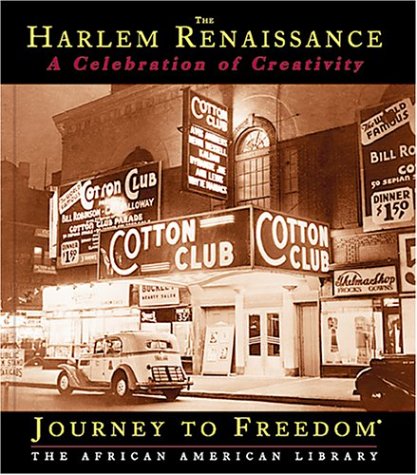
Harlem, New York
Also Known As the New Negro Movement and the Negro Renaissance
African and Southern roots
Diversity
Sleek Style and Fashion
Highly Educated
Former slaves and children of former slaves
Southern sharecroppers
Little education or literary and artistic expression
Minimal political influence
Artistic and literary ability
Higher level of intelligence
Black nationalistm and separatism
More northern workers
Political and social organizations with influence (NAACP, UNIA, etc.)
Alain Locke
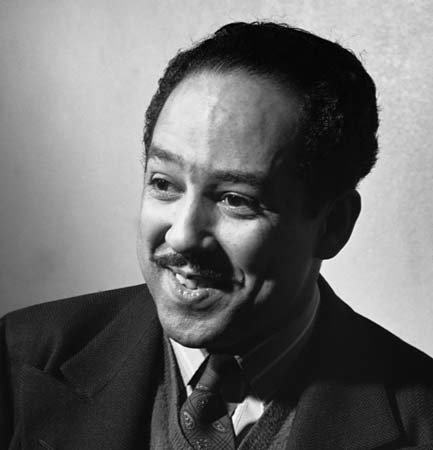
Langston Hughes
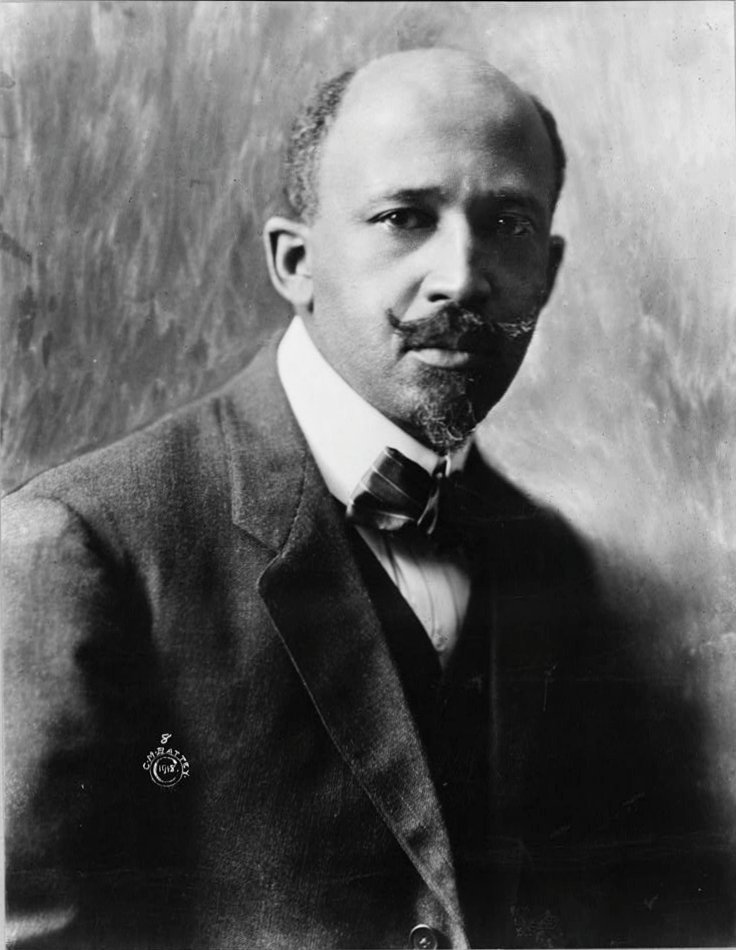
W.E.B. Du Bois
Marcus Garvey
Louis Armstrong
Duke Ellington
Zora Neale Hurston
Claude McKay
James Weldon Johnson