
Chris Leibl
|
|
|
|
|
|
|
|
|
|
|
|
|
|
|
|
|
|
|
|
|
|
|
|
|
|
|
|
| Reaganomics Chris Leibl |
|||||||||||||||||||||||||||
| Full Info | |||||||||||||||||||||||||||
| What was Reaganomics? | |||||||||||||||||||||||||||
|
|||||||||||||||||||||||||||
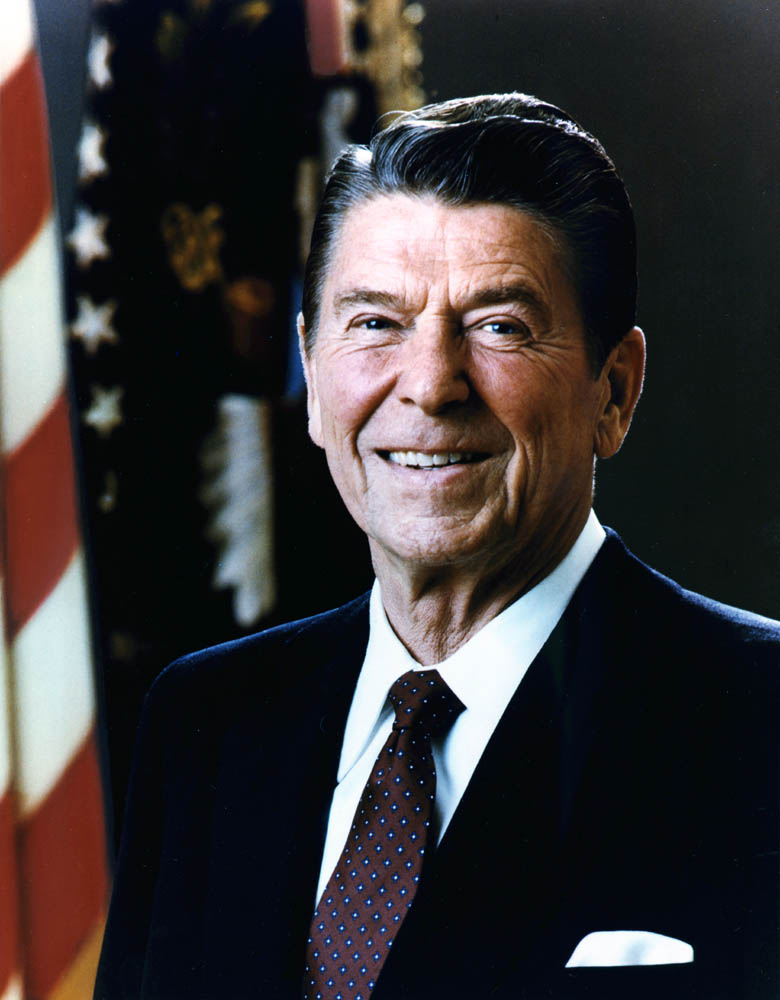
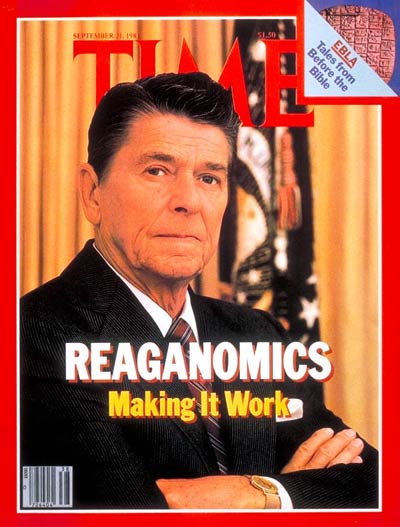
| Reaganmoics pertains to the economic strategy used by Ronald Reagan in his presidency. Crtitics also called Reaganomis the "trickle-down effect," because of the theory claimiing that if you gave relief to those at the top of the economic chain then the people on the bottom will also benifit. | |||||||||||||||||||||||||||
|
|||||||||||||||||||||||||||
| Effects of Reaganomics | |||||||||||||||||||||||||||
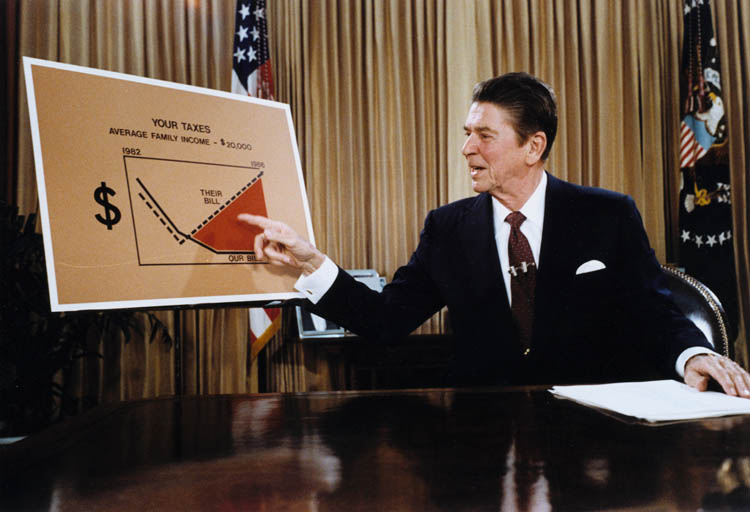
| Reagnomics was by no standard a success in getting the United States out of an economic recession. After Reagan took office in 1981 the economy went into a deeper depression due to President Carter's old policies. Although Reagan had a rough start, wehn his policies began to be implemented, both the unemployment rate and inflation rate began to fall. Reagan was able to lower the marginal tax rate from 70% to 28% in 5 years, through both the Economic Recovery Tax Act and The Tax Act of 1986. Reagan was also able to cut the unemployment rate from 9.7% to 5.4%. | |||||||||||||||||||||||||||
| Supply Side Economics | |||||||||||||||||||||||||||
|
|||||||||||||||||||||||||||
| Regan supported the idea of supply side economics, primarly in its ideals of cutting taxes. Supply Side Economics is a term used to describe how changes in marginal tax rates influene economic activity. Marginal tax rates are taxes that reveal how much money one owes to the government based on thier income. If marginal tax rates are high then people will have less money to spend, discouraging income and efficiency of resource use. | |||||||||||||||||||||||||||
|
|||||||||||||||||||||||||||
| Reaganomics influences other Presidents | |||||||||||||||||||||||||||
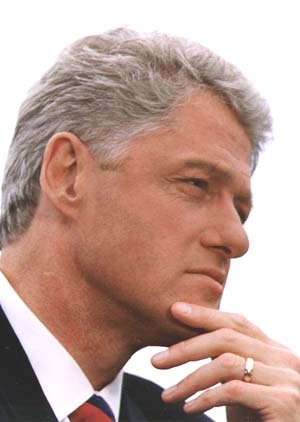
| Reaganomics also affected the way future presidents would view the power of a changing economy. President Clinton would continue to advocate the aspect of deregulation. During the Clinton Administration the banking industry was greatly degregulated by the Gramm-Leach-Bliley Act. Geogre W Bush also continued to advocate Reaganomics by cutting taxes three times, as well as cutting the marginal tax rate | |||||||||||||||||||||||||||