Cosmos 1443 - Astronomical Imaging

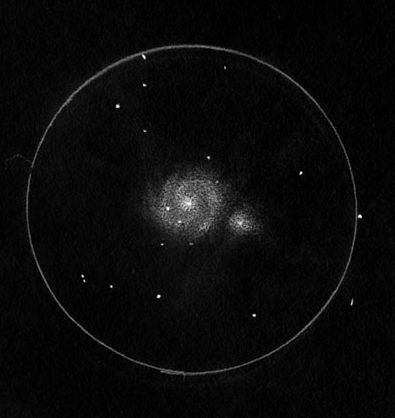
Here are a couple of sketches I've done... they're originally done with pencil on paper, then "flipped" to give a more realistic appearance.

M51, through our 14.5" while on vacation at McDonald Observatory, fort Davis, Texas.
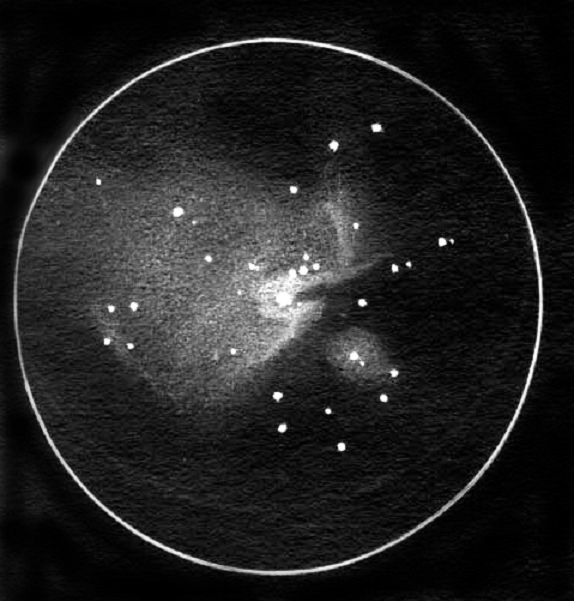
M42, the Great Orion Nebula, or the "Onion" as we call it (after a long-forgotten typo). 10" f/5.6 Dob and 26mm Plossl.
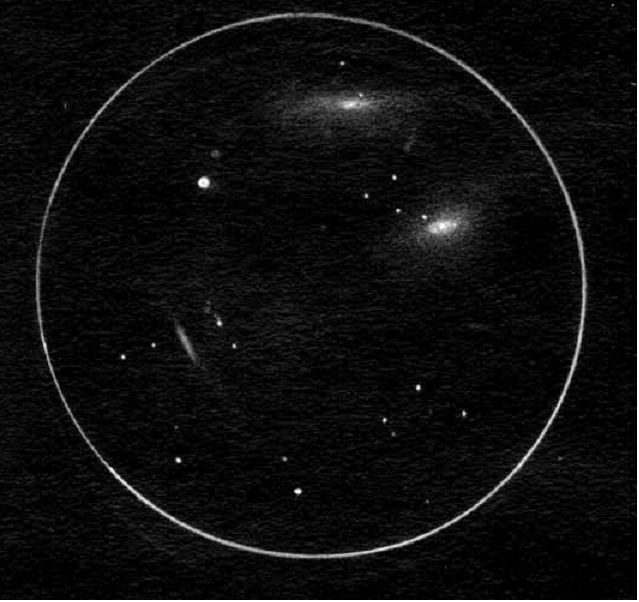
M65 and M66 in Leo, along with NGC2903, the "Leo Trio". 10" f/5.6 Dob and 26mm Plossl.
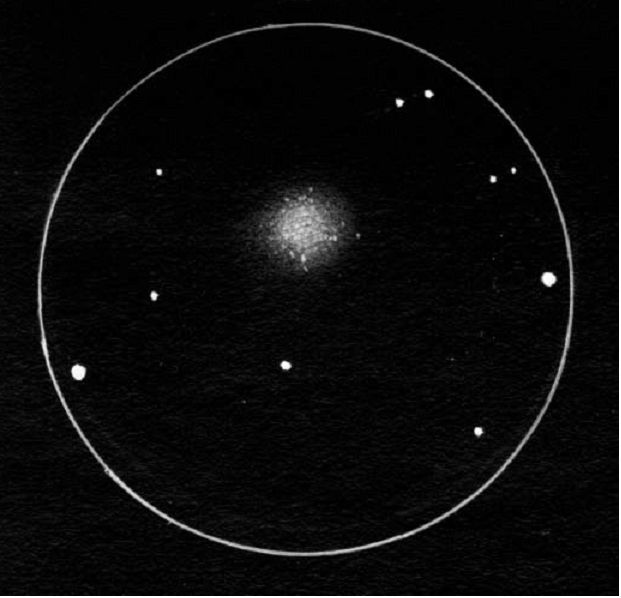
M13, the Hercules Cluster. I'm working on a sketch of this at high power - there's about 3 hours put into it already, but it's only half-done. Luckily things don't change that fast up there...
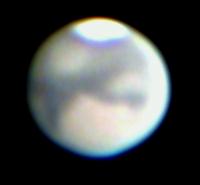
Mars


90 frames averaged
Meade 12" LX200 w/2x Barlow

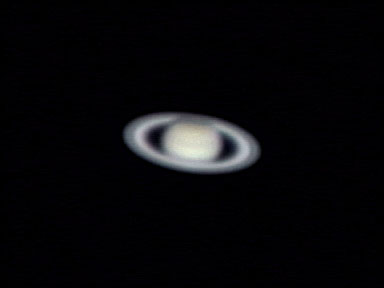
I've done a bit of astronomical imaging using video cameras and backyard telescopes. All of the images on this page have been taken using a PlanetCam CC video camera from Anirondack Video Astronomy and a 12" Meade LX200 owned by the Winnipeg Centre of the Royal Astronomical Society of Canada.

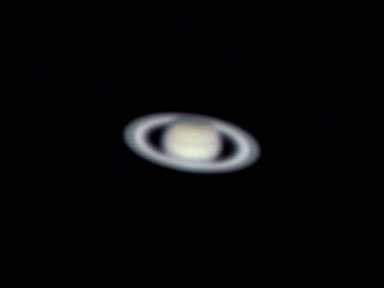
The planet Saturn. This is a composite of 25 individual video frames, averaged and combined to reduce noise. I used AsrtoStack to align and combine all of these images, and Adobe PhotoShop 5.5 to make them pretty. Image by Stan Runge and Scott Young taken January 11, 2003.

The same image of Saturn again, but this time processed with an unsharp mask to bring out fine detail. Image by Stan Runge and Scott Young taken January 11, 2003.

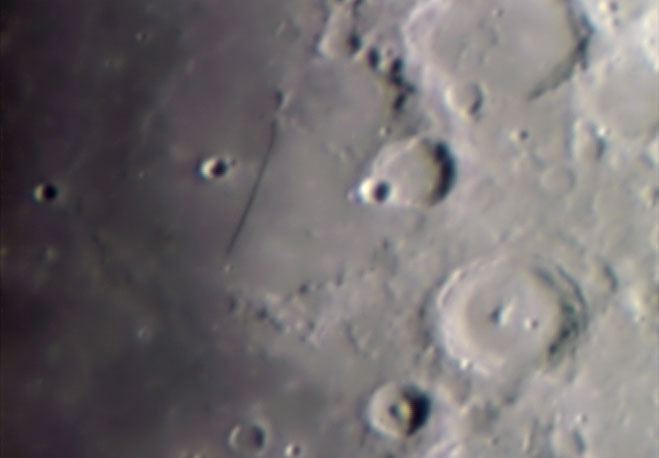
The Moon is a great target for video telesocpes. This image shows the "Straight Wall", and escarpment which appears as a dark line crossing Mare Nubium. This is an average of 23 video frames. Image by Stan Runge and Scott Young taken January 11, 2003.

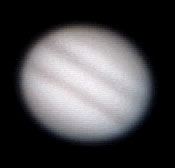
Jupiter is a nice target as well, although I haven't got good images of it yet... this one consists of only 6 video frames. Image by Stan Runge and Scott Young taken January 11, 2003.


Counter
Hosted by www.Geocities.ws

1