|
| |
|
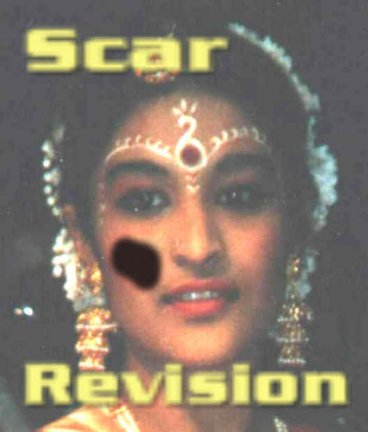 Unsightly facial scars
and blemishes can very often be improved by well planned and
carefully executed surgery. It must be stressed that a cosmetic
surgeon cannot make invisible scars. He can only make the scars
as inconspicuous as possible. The aim of scar revision is to
achieve a scar which is fine, level and even with the surrounding
tissue and about the same colour as the adjacent skin. We do not
want the scar to pull on the surrounding structures. The old
unsightly scar has to be removed first. Any planned surgical
incision heals in exactly the same manner as any other deliberate
or accidental cut, i.e. it produces scar tissue which is nature’s
method of healing. Once an incision is made and sutured the
surgeon has little control over the healing process, a fact which
must be appreciated by the patient. It is often not realised that
a period of 6 to 18 months must elapse before the scar is mature;
the stage where no further change or improvement will occur.
Initially, any scar will be red and raised above the level of the
surrounding skin and may often be hard in consistency. Gradually
the redness and hardness lessen and resolve leaving a soft scar
which is level with and somewhat paler than the adjacent skin.
For these reasons scar revision must not be undertaken too soon
because adequate time must elapse to allow the original healing
tissues to mature. When revising a scar on the face the surgeon
attempts to get the best possible result by placing the new scars
parallel to or actually in one of the normal crease lines of the
face. This usually means that the direction and shape of the
original scar has to be changed. Although scar revision often
requires surgical treatment, non-surgical treatment should be
considered appropriately and sometimes considered first. Non-surgical
options include: silicone sheeting, laser use, steroids, ultra-violet
radiation, and permanent cosmetic camouflage. It would not be
inappropriate to combine different options. Excision of large
scars or blemishes may require several operations over a period
of time. It must also be mentioned that some areas of the body
always produce noticeable scars, e.g. nose, chin, chest,
shoulders, upper back and parts of the arms and legs. The patient
is admitted on the morning of surgery. Most facial scars can be
revised under local anaesthesia. Extensive scarring in adults and
scars in children are best treated under general anaesthetic.
Most scar revision procedures can be treated on a day-care basis,
but some may require an overnight stay in the clinic.
Unfavourable results will occur when a scar becomes stretched,
thickened or infected. It is important to follow post op
instructions carefully. Be very careful to not abuse the new
wound. We want to give the revision every advantage. It is most
unlikely that any scars can be removed completely, but the aim of
the procedure is to make them less noticeable and perhaps easier
to disguise with make-up. The goal in scar revision is
improvement and not perfection. Patients who are unable to accept
this should not have treatment. Unsightly facial scars
and blemishes can very often be improved by well planned and
carefully executed surgery. It must be stressed that a cosmetic
surgeon cannot make invisible scars. He can only make the scars
as inconspicuous as possible. The aim of scar revision is to
achieve a scar which is fine, level and even with the surrounding
tissue and about the same colour as the adjacent skin. We do not
want the scar to pull on the surrounding structures. The old
unsightly scar has to be removed first. Any planned surgical
incision heals in exactly the same manner as any other deliberate
or accidental cut, i.e. it produces scar tissue which is nature’s
method of healing. Once an incision is made and sutured the
surgeon has little control over the healing process, a fact which
must be appreciated by the patient. It is often not realised that
a period of 6 to 18 months must elapse before the scar is mature;
the stage where no further change or improvement will occur.
Initially, any scar will be red and raised above the level of the
surrounding skin and may often be hard in consistency. Gradually
the redness and hardness lessen and resolve leaving a soft scar
which is level with and somewhat paler than the adjacent skin.
For these reasons scar revision must not be undertaken too soon
because adequate time must elapse to allow the original healing
tissues to mature. When revising a scar on the face the surgeon
attempts to get the best possible result by placing the new scars
parallel to or actually in one of the normal crease lines of the
face. This usually means that the direction and shape of the
original scar has to be changed. Although scar revision often
requires surgical treatment, non-surgical treatment should be
considered appropriately and sometimes considered first. Non-surgical
options include: silicone sheeting, laser use, steroids, ultra-violet
radiation, and permanent cosmetic camouflage. It would not be
inappropriate to combine different options. Excision of large
scars or blemishes may require several operations over a period
of time. It must also be mentioned that some areas of the body
always produce noticeable scars, e.g. nose, chin, chest,
shoulders, upper back and parts of the arms and legs. The patient
is admitted on the morning of surgery. Most facial scars can be
revised under local anaesthesia. Extensive scarring in adults and
scars in children are best treated under general anaesthetic.
Most scar revision procedures can be treated on a day-care basis,
but some may require an overnight stay in the clinic.
Unfavourable results will occur when a scar becomes stretched,
thickened or infected. It is important to follow post op
instructions carefully. Be very careful to not abuse the new
wound. We want to give the revision every advantage. It is most
unlikely that any scars can be removed completely, but the aim of
the procedure is to make them less noticeable and perhaps easier
to disguise with make-up. The goal in scar revision is
improvement and not perfection. Patients who are unable to accept
this should not have treatment.
|
|