Feminism began during The Enlightenment with such thinkers as Lady Mary Wortley Montagu and the Marquis de Condorcet championing women's education. The first scientific society for women was founded in Middleberg, a city in the south of the Dutch republic, in 1785. Journals for women which focused on issues like science became popular during this period as well. Mary Wollstonecraft's A Vindication of the Rights of Woman (1792) is one of the first works that can unambiguously be called feminist.
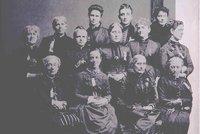
Feminism became an organized movement in the 19th century as people increasingly came to believe that women were being treated unfairly. The feminist movement was rooted in the progressive movement and especially in the reform movement of the 19th century. The organized movement was dated from the first women's rights convention at Seneca Falls, New York, in 1848. In 1869, John Stuart Mill published The Subjection of Women to demonstrate that "the legal subordination of one sex to the other is wrong...and...one of the chief hindrances to human improvement."
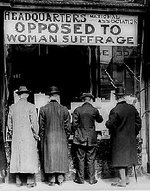
Many countries began to grant women the vote in the early years of the 20th century, especially in the final years of the First World War and the first years after the war. The reasons for this varied, but included a desire to recognise the contributions of women during the war, and were also influenced by rhetoric used by both sides at the time to justify their war efforts. For example, since Wilson's Fourteen Points recognised self determination as a vital component of society, the hypocrisy of denying half the population of modern nations the vote became difficult for men to ignore.
Source: Wikipedia, the free encyclopedia.
http://en.wikipedia.org/wiki/Feminism |