|
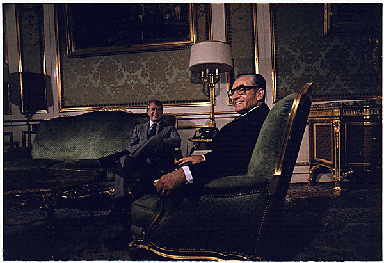
With the U.S. support, the shah westernized his country. By 1950s, Iran's capital, Tehran, featured gleaming skyscrapers, foreign banks, and modern factories. Millions of Iranians still lived in extreme poverty and lack of food. The shah had his secret policy that anyone who opposed him would be punished. The shah also tried to weaken the political influence of religion in the country by limiting the role of Islamic legal and academic experts. Iran's Muslim leader, known as ayatollahs, bitterly opposed this move. They also opposed what they saw as socially & morally corrupting Western influences. They wanted their country, Iran, to become a republic ruled strictly by Islamic law.
The leader of the religious opposition, Ayatollah Ruholla Khomeini, was living in exile. Iranian workers began to go on strike. In the late 1978, riots erupted in every major city in Iran. Finally, the shah fled Iran in January 1979, facing the overwhelming opposition.
Khomeini returned back and established an Islamic state. He banned the Western influences that the shah had brought to Iran and reinstated traditional Muslim values. Islamic law became the legal code for the country. |
|