 |
|
|
|
|
|
|
|
|
|
|
|
|
|
|
|
|
|
|
|
|
|
|
|
|
|
|
|
|
|
 |
|
Training. |
|
|
|
|
|
From the first day to the last of your dog's life in your home, training - when done properlly - can help with the basic building blocks of a happy, healthy relationship. Now keep in mind, I am NOT a professional trainer, and by no means are my training methods garanteed to work with you and your dog. I am 16 years old, and have been training dogs since I was 5 years old, and am basiclly shareing the knowledge I have learned that |
|
|
|
 |
|
|
|
|
|
works with me and my dogs. I will list many good knowledgable sites, books, trainers ect. as well. Here is just how I've trained me dogs, the basics of training, and some basic things that need to be taken into concideration. With that out of the way, I hope you enjoy what I have writen for you here today! If you have any questions, feel free to e-mail. |
|
|
|
 |
|
|
|
Coal's Training Tips: |
|
|
|
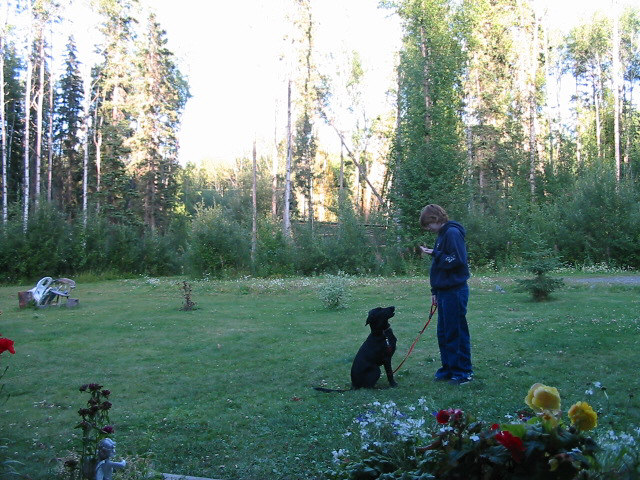
1. Keep training sessions short and simple. Puppies especially have short attention spans, and can get frustrated and confused easily.
2. Keep it fun! Try making up games to help teach your dog the new command your trying to get him to learn.
3. Don't rush things, but try to vary the different things. Teach more then one command so that you can work on different things in training sessions so it's not same old thing and puppy gets bored.
4. Always add play time into the training. Train and then Play is what I suggest, it leaves the lessons on a happy note, even if puppy didn't quite learn what your trying to teach. |
|
|
|
|
|
|
|
 |
|
|
|
First Things First
When you bring home your new puppy or dog, you have to make sure to set out some ground rules first.
What do you plan to do with this dog? Do you plan to compete in trials or shows? Is this new dog a work dog for around the house (ex. herding sheep)? Or do you simply just want a companion dog? Each of these need to be taken |
|
|
|
|
|
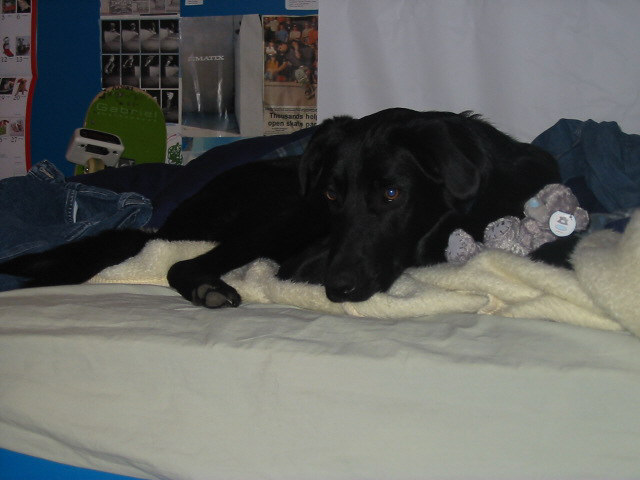
into concept. Will the dog be allowed to roam in the house? Which I suggest, leaving a dog outside is NOT a good thing, dogs are very social animals, and need to feel like their with thier "pack". Will the dog have free range to every room in the house? If not, you have to teach that no means no, and that whatever rooms you chose that the dog's not allowed in, that he stays out of there, no acceptions. Will you allow your dog to sit on the fruniture? Sure it's cute when he's little, but if you've got a large breed on your hands, when that dog's full grown and lounging on your couch, your going to have to either sit on the floor, or cram down beside him somewhere. It isn't fair to let a puppy up on the couch or bed when little, then just because he's too big all of a sudden say no. The dog doesn't understand WHY he's not allowed on their all of a sudden. Also, it is said that if you have a dominant dog on your bed, this can cause problems. The dog thinks it's in charge because it's sleeping up high with you, if the dog has to sleep on the floor, it will understand more that you are boss. With my pup Coal, he is a somewhat dominant dog, and is only allowed on the bed when I say so. He can "ask" by putting his head on the bed and looking up at me, which is how he asks, but if I say no, he has to stay on the floor, and that's that.
Also, what kind of breed of dog you get matters a lot. Most herding breeds like Border Collies can be easily trained because of their high inteligance, but they are also very energetic dogs and need LOTS of exersize along with training. You must ask yourself all these questions BEFORE getting your new dog or puppy, and get as much information as possible on how to train that new dog or puppy that you get! |
|
|
 |
|
|
The Five Basic Commands
Websites, Books, ect. That I recomend
Home |
|
|