


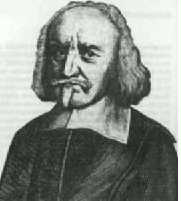
-Thomas Hobbes
|
|
|
|
|
|
|
|
|
|
|
|
|
|
|
|
|
|
|
|
|
|
|
|
|
|
|
|
|
|
|
|
|
|
|
|
|
|
|
|
|
|
|
|
|
|
|
|
|
| Modern Political Philosophy | ||||||||||||||||||||||||||||||||||||||||||||||||
|
|
|||||||||||||||||||||||||||||||||||||||||||||||
|
||||||||||||||||||||||||||||||||||||||||||||||||
| Social Contract Theory | ||||||||||||||||||||||||||||||||||||||||||||||||
| Rationale human beings recognize that they are, at worst, inherently unable to adequately protect their persons (Hobbes) or inalienable rights (Locke) against all who might do them harm. At best, it is extremely inconveninient. People, therefore, will create governments designed to protect these rights for them. People delegate the power necessary to accomplish this to their governments, and reserve the right to change governments if they fail to protect the citizens. | ||||||||||||||||||||||||||||||||||||||||||||||||
| State of Nature: Mans' natural condition without government. | ||||||||||||||||||||||||||||||||||||||||||||||||
|
||||||||||||||||||||||||||||||||||||||||||||||||
|
||||||||||||||||||||||||||||||||||||||||||||||||
| -Man's state of nature is a state of "war" with other people for scarce resources and power | ||||||||||||||||||||||||||||||||||||||||||||||||
| -Man's greatest fear is fear of violent death at the hands of other people trying to secure resources/power | ||||||||||||||||||||||||||||||||||||||||||||||||
| -Rational beings realize that the strongest among us can still be killed by the weakest among us (parity) | ||||||||||||||||||||||||||||||||||||||||||||||||
| Thomas Hobbes | ||||||||||||||||||||||||||||||||||||||||||||||||
| "Man is wolf to man." -Thomas Hobbes |
||||||||||||||||||||||||||||||||||||||||||||||||
| -This realization leads man to recognize the need for government to protect his being from attack | ||||||||||||||||||||||||||||||||||||||||||||||||
| -Rational beings would realize that governments should be created to protect people from one another. People select a SOVEREIGN as their absolute leader. This is Hobbes' version of the Social Contract Theory. | ||||||||||||||||||||||||||||||||||||||||||||||||
| Hobbes' Writings | ||||||||||||||||||||||||||||||||||||||||||||||||
| -Under Hobbes' prescription for government, people have certain responsibilities including serving the military in times of war. | ||||||||||||||||||||||||||||||||||||||||||||||||
| Listing of and links to sites of Hobbes' Work. | ||||||||||||||||||||||||||||||||||||||||||||||||
| -Additionally, Hobbes suggests that people do not have the right to change government once they have established it. | ||||||||||||||||||||||||||||||||||||||||||||||||
| -On the surface, Hobbes' absolute dictatorship seems to be the exact opposite of enlightened, liberal political thought; however, it was quite radical for his time and place. The notion that people would form governments/leaders of their own choosing (based on their own interest) was diametrically opposed to the concept of hereditary monarchy in place at the time. In fact, the monarchy was extremely displeased with the assertion that people should choose their own leader, even if he was absolute in nature. | ||||||||||||||||||||||||||||||||||||||||||||||||
|
||||||||||||||||||||||||||||||||||||||||||||||||
|
||||||||||||||||||||||||||||||||||||||||||||||||
| -John Locke, like Hobbes, believed in Social Contract Theory; that is, people should make decisions regarding who is to lead them. | ||||||||||||||||||||||||||||||||||||||||||||||||
| -Locke believed that people were born with three (3) inalienable rights: the right to life, liberty, and ownership of property. | ||||||||||||||||||||||||||||||||||||||||||||||||
| -Sound sort of familiar? It should. Jefferson borrowed heavily from these basic tenets in his Declaration of Independence | ||||||||||||||||||||||||||||||||||||||||||||||||
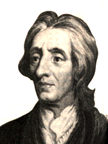
| John Locke | ||||||||||||||||||||||||||||||||||||||||||||||||
| -Locke belived that in the state of nature, people were required to defend their own rights and judge others' usurpations of these rights. People were expected to deal with violations as they saw fit--including killing or enslaving someone who was attempting to deny them their rights. | ||||||||||||||||||||||||||||||||||||||||||||||||
| -Locke saw this condition as inconvenient for people, so they would establish governments given the authority to protect the rights of all citizens. This would free up people to live their lives rather than spend every waking moment poised to defend themselves. | ||||||||||||||||||||||||||||||||||||||||||||||||
| -The only condition is that when people consent to be governed, Locke suggests, they agree to allow the state to judge and punish others who violate their inalienable rights. They are no longer the final authority on violations of their basic rights. | ||||||||||||||||||||||||||||||||||||||||||||||||
| -Locke, unlike Hobbes, suggests that citizens of a state can remove a corrupt government that fails to ensure the rights of its citizens. This can take form in elections or even violent revolution. | ||||||||||||||||||||||||||||||||||||||||||||||||
| -In part then, this is the justification that Jefferson used in the Declaration of Independence. He states that the British government had failed in their obligation to ensure the stability of the colonists three basic and inalienable rights. That being said, he suggests, the colonists are justified in replacing the corrupt government with one that will protect the rights of the colonists. | ||||||||||||||||||||||||||||||||||||||||||||||||
| Back to Mr. Jarzynski's Website | ||||||||||||||||||||||||||||||||||||||||||||||||