
Christiana's Analysis
"Globalization, it's not a policy choice- it's a fact."
-President Bill Clinton addressing the WTO in Geneva, 1999
Economic globalization is a reality that we cannot resist and instead we must become active participants in controlling its effects good and bad. Right now the benefits of globalization go to corporations and rich countries and contribute to the growing economic difference between rich and poor.
"The difference between the top and bottom quintiles has doubled in the past 30 years. Eighty-six percent of the world's goods go to the top 20 percent, the bottom fifth get 1 percent." (Paul Hawkin, Yes! A Journal of Positve Futures)
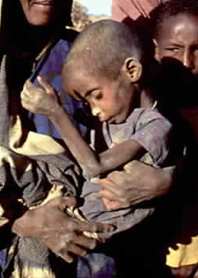
Poverty is the number one issue that we as an international community need to focus on. The International Organizations, in particular the World Bank, are essential to implimenting programs to alleviate this poverty. Unfortunately, the programs that exist have not helped poverty but in fact contributed to it. Until citizens have an active voice in these organizations, which would take changes within the organizations and public dedication to political activism, alleviation of poverty will be overpowered by corporate interests.
The protests in Seattle and Washington were affective because they initiated these two essential changes: public opinion and structural flaws of the WTO, IMF and World Bank. But now the attention needs to be turned on to some of the real culprits: the rich developed nations in particular the United States.
"One quickley comes to the conclusion that the only institutions capable of mitigating the poverty of so many people are states. More specifically, the states with access to the capital, technology , and infrastructure to make a difference. Most specifically, the rich states."
-(Vinnie Ferraro, professor of politics at Mount Holyoke College)
When industrial nations make the commitment to absolve developing nations of international debts and make a commitment to economic development that protects the environment and working condition, these countries may be able to pull themselves out of the destructive cycle of poverty.
The most important sacrifice needs to come from the citizens of these rich nations. We need to address our lifestyles of consumption and reduce our intake of the earth's resources. If Americans gave up 10% of their intake of meat 60 million people could be fed. If every car in America increased its miles per gallon by five the the US would decrease its import of gasoline by 25%.
Economic globalization needs global citizens. We need to maintain our local and national interests while gaining a sensitivity to the interests of the rest of the world.